
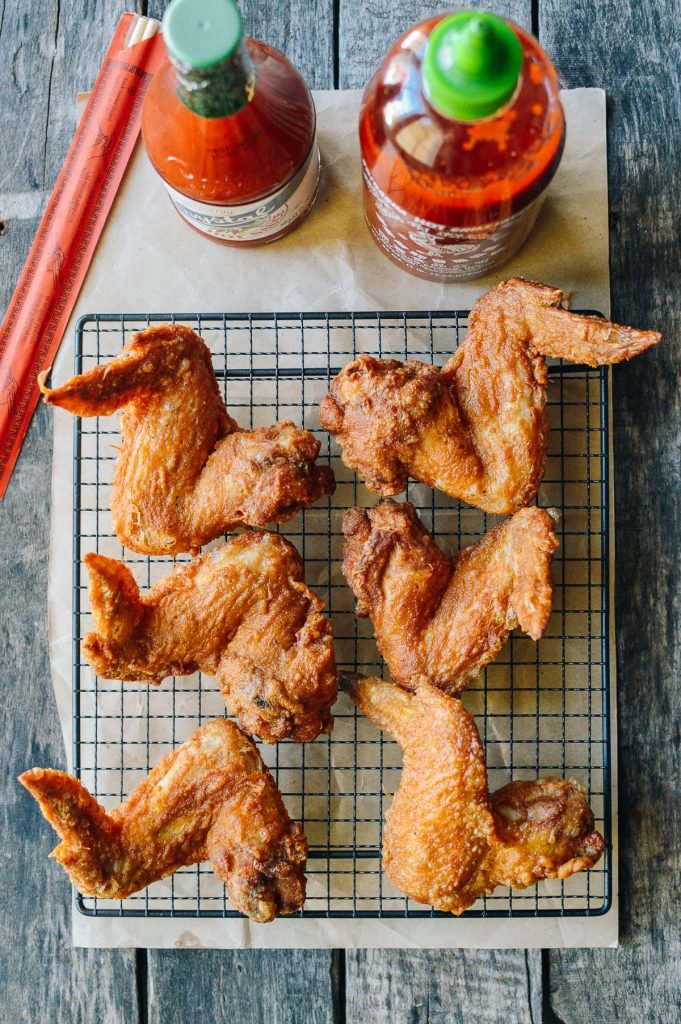
Have you ever wondered how those tasty chicken wings on your plate actually come to be? From the farm to your favorite restaurant, there’s a fascinating process behind every crispy, juicy bite.
Understanding how chicken wings are made will not only satisfy your curiosity but also give you a new appreciation for this popular snack. If you want to know what goes into making your wings delicious and safe to eat, keep reading—your next meal will taste even better with this insider knowledge.

Credit: www.wholesomeyum.com
Chicken Wing Varieties
Chicken wings come in various forms, each with unique textures and flavors. Knowing the different types helps you choose the best for cooking or eating. These varieties affect cooking time and taste. Understanding wing parts and popular cuts improves your culinary experience.
Wing Sections
A chicken wing has three main parts. Each offers a different eating experience.
- Drumette:The meatiest part. It looks like a small drumstick.
- Flat or Wingette:The middle section. It has two bones and more skin.
- Tip:The smallest part. Often removed or used for stock.
Drumettes are easy to hold and good for dipping. Flats have more skin and crisp nicely. Tips add flavor but less meat.
Popular Cuts
Chicken wings can be served whole or cut into parts. Some cuts are more common in restaurants and homes.
- Whole Wings:Served as is, with all three sections.
- Separated Wings:Drumettes and flats separated for easy eating.
- Boneless Wings:Made from chicken breast, shaped like wings.
Whole wings offer variety in one bite. Separated wings cook more evenly. Boneless wings provide a different texture and are easy to eat.
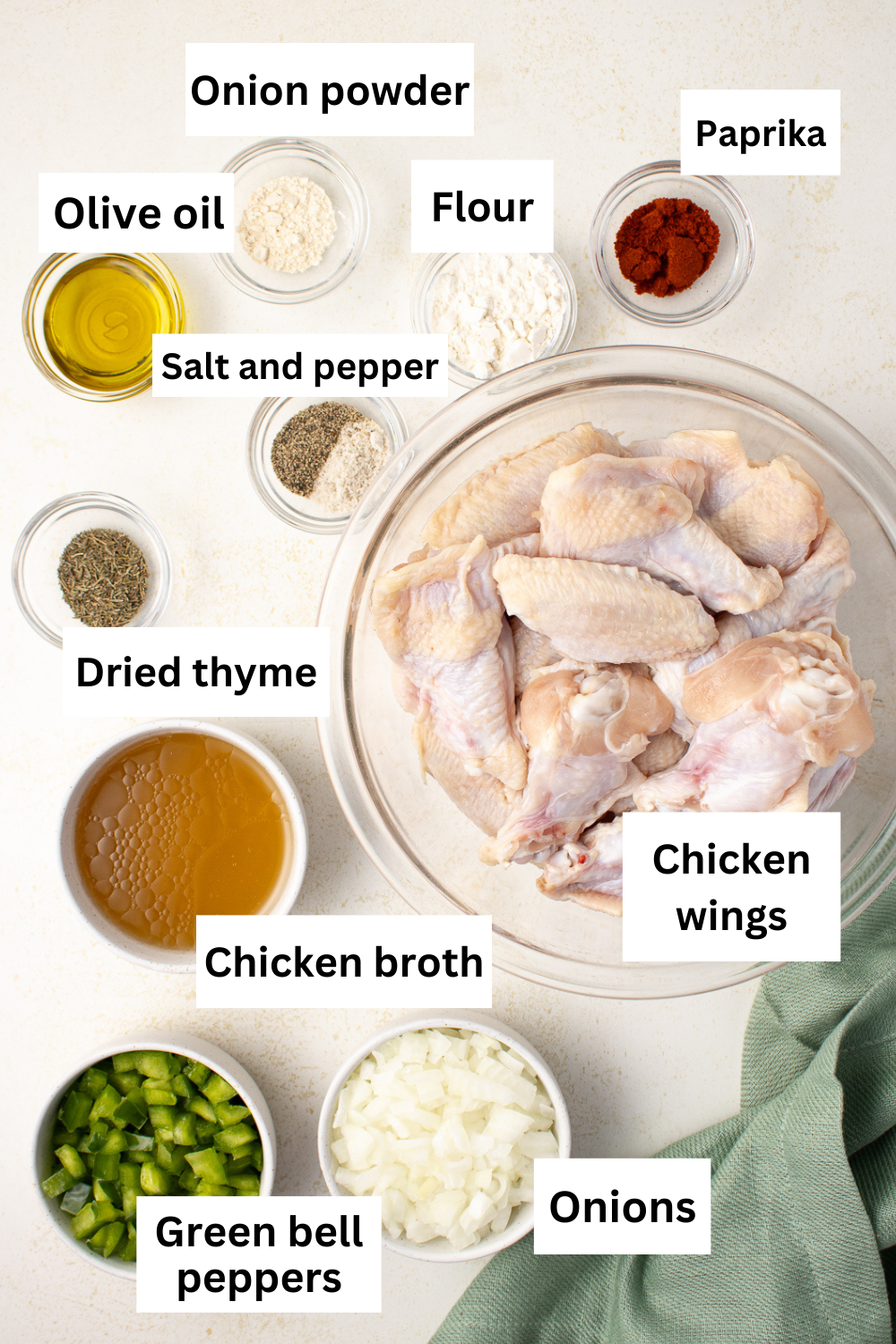
Credit: www.themidwestkitchenblog.com
Sourcing Quality Chicken
Sourcing quality chicken is the first step to great-tasting wings. The freshness and health of the chicken affect flavor and texture. Knowing where the chicken comes from helps ensure safety and quality. Choosing the right supplier is important for a delicious final product.
Farm To Table
Chicken wings start at local farms. Farmers raise chickens with care and proper nutrition. Healthy chickens produce better meat for wings. Farms keep chickens in clean, safe environments. Transport to processing plants is quick to keep meat fresh. From farm to table, every step matters.
Ethical Considerations
Ethical farming respects animal welfare and environmental health. Chickens raised without harmful chemicals taste better. Free-range and organic farms avoid overcrowding and stress. These practices lead to higher quality meat. Consumers prefer chicken from farms with ethical standards. This choice supports better food and farming practices.
Preparation Techniques
Preparation techniques lay the foundation for delicious chicken wings. How you clean, trim, and marinate your wings directly impacts their flavor and texture. Simple actions taken early on can transform ordinary wings into a memorable treat.
Cleaning And Trimming
Start by rinsing the chicken wings under cold running water to remove any residual blood or bone fragments. Pat them dry with paper towels to ensure the skin crisps up nicely during cooking.
Look closely for any excess skin or small feathers. Use kitchen scissors to trim these off carefully. Removing unwanted bits not only improves appearance but also prevents unpleasant textures when eating.
Have you ever noticed how trimming the wings makes them cook more evenly? It’s a small step that pays off big when you’re aiming for perfectly cooked wings.
Marinating Options
Marinating adds flavor and tenderness to your wings. You can choose from a variety of marinades depending on the taste you want to achieve.
- Classic Buffalo:Mix hot sauce, melted butter, and a pinch of garlic powder.
- Asian-Inspired:Combine soy sauce, ginger, honey, and a splash of sesame oil.
- Herb and Citrus:Use lemon juice, olive oil, rosemary, and thyme for a fresh twist.
Allow your wings to soak for at least 30 minutes, but overnight in the fridge creates deeper flavor. Ever experimented with dry rubs instead? They offer a different texture and intensity worth trying.

Credit: www.youtube.com
Cooking Methods
Chicken wings can be cooked in various ways. Each cooking method changes the flavor and texture. Understanding these methods helps you choose the best way to enjoy wings. Cooking methods also affect healthiness and crispiness. Below are the common ways to cook chicken wings.
Frying
Frying is a popular method for crispy wings. Wings are usually deep-fried in hot oil. This creates a crunchy outside and juicy inside. Frying takes only a few minutes. Many restaurants use frying to get that classic wing texture.
Baking
Baking cooks wings in an oven without oil soaking. It is a healthier choice than frying. Wings are placed on a tray and baked at high heat. Baking makes the skin slightly crispy while keeping meat tender. You can bake wings for 30 to 45 minutes depending on size.
Grilling
Grilling adds a smoky flavor to wings. Wings cook over direct heat on a grill. This method creates charred marks and a unique taste. Grilled wings often have a firmer texture. It is great for outdoor cooking and summer parties.
Air Frying
Air frying uses hot air circulation to cook wings. It needs little or no oil. Air frying makes wings crispy like deep-frying but healthier. Cooking time is shorter than baking. This method is popular for home cooks seeking convenience and less fat.
Flavoring Wings
Flavoring wings transforms plain chicken into a delicious treat. It creates layers of taste that excite your palate. The right flavoring makes every bite memorable. Chefs use different techniques to add taste and texture. Each method gives wings a unique character and appeal.
Sauce Varieties
Sauces coat wings with rich, bold flavors. Classic buffalo sauce blends hot sauce and butter for heat and smoothness. Barbecue sauce offers a sweet and smoky taste. Teriyaki sauce brings a mix of soy, ginger, and sweetness. Other options include honey mustard, garlic parmesan, and spicy mango. Each sauce changes the wing’s flavor profile dramatically.
Dry Rubs
Dry rubs are a mix of spices and herbs. They add deep flavor without moisture. Common ingredients include paprika, garlic powder, salt, and pepper. Some rubs have brown sugar for a sweet touch. The spices stick to the skin and create a crispy crust. Dry rubs enhance flavor while keeping wings crunchy.
Glazing
Glazing adds a shiny, sticky coating to wings. It often combines sauces with sugar or honey. This process caramelizes the surface when cooked. Glazed wings look appealing and taste sweet and tangy. Glazing seals in moisture and adds extra flavor layers. It is a popular technique for a glossy finish.
Serving Styles
Chicken wings are a favorite at parties and family gatherings. They come in various serving styles that enhance their flavor and appeal. From classic Buffalo to spicy BBQ, each style has its charm. Let’s explore some popular ways to serve chicken wings.
Dips And Sides
Dips and sides can elevate the chicken wing experience. Popular choices include ranch, blue cheese, and honey mustard. These dips add a creamy or tangy touch to wings.
Pair wings with sides like celery sticks, carrot sticks, or coleslaw. These sides offer a refreshing crunch and balance the spicy flavors. Sweet potato fries or onion rings make great complements too.
Presentation Tips
Presentation matters when serving chicken wings. Arrange wings neatly on a platter for visual appeal. Use contrasting colors to make the platter pop.
Garnish with fresh herbs like parsley or cilantro. This adds a touch of freshness and color. Serve dips in small bowls to keep things tidy.
Label different flavors if serving multiple varieties. This helps guests choose their favorite without guessing.
Popular Wing Recipes
Chicken wings are a canvas for flavor. Each recipe brings a unique twist that can make your taste buds dance. Let’s dive into some popular wing recipes that are easy to make and packed with bold taste.
Buffalo Wings
Buffalo wings are a classic that never goes out of style. They combine crispy fried wings with a tangy, buttery hot sauce. You can control the heat level by adjusting the amount of hot sauce, making them perfect for anyone who loves a little kick.
Try serving them with celery sticks and blue cheese dressing for a true Buffalo experience. Have you ever noticed how the sauce clings perfectly to the wings? That’s the magic of tossing them while still hot.
Honey Garlic Wings
Honey garlic wings balance sweetness and savoriness in every bite. The honey caramelizes during cooking, creating a sticky glaze that’s irresistible. Adding fresh garlic gives it a punch that cuts through the sweetness.
This recipe is great if you want wings that are flavorful but not too spicy. Imagine biting into a wing that’s both crispy and sticky with a rich, garlicky sauce—wouldn’t you want to make a double batch?
Spicy Asian Wings
Spicy Asian wings bring bold flavors from soy sauce, ginger, and chili. They’re often baked or fried then tossed in a sauce that’s sweet, salty, and fiery all at once. The combination of sesame seeds and scallions on top adds a crunchy texture and fresh aroma.
These wings are perfect for those who want to try something different from the usual wing sauces. Have you experimented with adding a splash of lime or a sprinkle of crushed peanuts to your wings? It’s a small change that can make a big difference.
Frequently Asked Questions
How Are Chicken Wings Prepared For Cooking?
Chicken wings are first cleaned and trimmed. The wing tips are often removed. Then, wings are separated into sections for even cooking and better flavor absorption.
What Ingredients Are Used To Season Chicken Wings?
Common seasonings include salt, pepper, garlic powder, and paprika. Marinades often contain soy sauce, hot sauce, or honey for extra taste and tenderness.
How Are Chicken Wings Cooked To Perfection?
Chicken wings can be baked, fried, or grilled. Cooking at high heat ensures crispy skin while keeping the meat juicy inside.
Why Are Chicken Wings So Popular Worldwide?
Chicken wings are flavorful, easy to eat, and versatile. They can be paired with various sauces, making them a favorite snack or meal.
Conclusion
Chicken wings start from fresh poultry, carefully processed for quality. They go through cleaning, cutting, and trimming steps. After that, wings are cooked by frying, baking, or grilling. Different sauces and seasonings add flavor and variety. Knowing how wings are made helps appreciate your favorite snack more.
Next time you eat wings, think about the process behind them. Simple steps create a tasty and popular treat enjoyed worldwide.

Hi, I’m Daniel Brooks—a food lover and kitchen gear enthusiast. I enjoy testing cookware, utensils, and gadgets to see what really works in everyday cooking. At PlugChef.com, I share honest reviews, comparisons, and simple guides to help you choose the best tools for a safer, smarter, and more enjoyable kitchen.
Related posts:
 What Type of Cooking Utensils are Safe: Expert Picks
 What Innovations Could Blenders Make: Unleashing Future Tech
 Smart Strategies to Organize a Small Kitchen: Maximize Space
 How to Organize a Kitchen Cabinet: Expert Tips & Tricks
 How to Organize Kitchen Drawers: Expert Tips and Tricks
 How to Organize a Corner Kitchen Cupboard: Expert Tips

