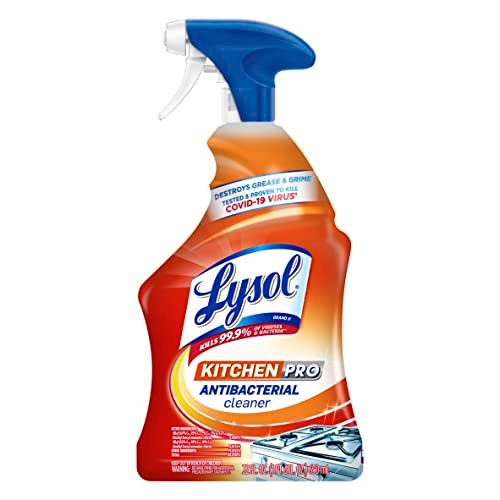
Kitchen surfaces are one of the most high-risk zones for household germ exposure, with the CDC Kitchen Food Safety Guidelines identifying them as a top hotspot for foodborne pathogens like E. coli, Salmonella, and Listeria that can spread to ready-to-eat food if not properly disinfected. Lysol’s dedicated Antibacterial Kitchen Cleaner line is formulated specifically to tackle the unique challenges of kitchen cleanup: cutting through baked-on cooking grease and food splatters while killing 99.9% of common kitchen germs when used as directed. Unlike generic all-purpose cleaners, this line is designed for the heavy grime and high sanitation needs of food prep areas, making it a go-to for households, renters, and even small commercial kitchens. This guide breaks down the formula, key variants, proper use, safety guidelines, and how it compares to other cleaning options to help you decide if it’s the right fit for your space.
What Makes Lysol Antibacterial Kitchen Cleaner Different From Generic Cleaners?
Targeted Germ-Killing Formulation
All Lysol Antibacterial Kitchen Cleaner variants are EPA-registered disinfectants, tested to kill 99.9% of common kitchen pathogens, including E. coli O157:H7, Salmonella enterica, and Staphylococcus aureus, when used with the required contact time, per EPA Disinfectant Registration Standards. Most variants use quaternary ammonium compounds (quats) as the active disinfectant, a well-studied, low-corrosive ingredient that is safe for most sealed household surfaces when rinsed properly for food-contact areas. For users who prefer to avoid quats, Lysol’s hydrogen peroxide-based kitchen cleaner variant uses oxygen to break down germs, leaving no harsh chemical residue behind. For more on this, see our guide on portable kitchen air cleaner.
Built-In Grease-Cutting Power
Generic antibacterial cleaners are formulated to kill germs, but they often struggle with the heavy, oily grime common in kitchens from cooking splatters, baked-on stovetop residue, and spilled grease. Lysol’s kitchen-specific formula adds surfactants and degreasing agents that break down oil and fat before the disinfectant acts, so you don’t have to scrub aggressively to lift grime and sanitize in one step. This two-action formula saves time and ensures the disinfectant can reach the full surface, rather than being blocked by a layer of grease.
Food Contact Safety Certification
Unlike all-purpose cleaners that carry general use warnings, Lysol’s kitchen cleaner line is tested and approved for use on food-contact surfaces (cutting boards, countertops, appliance handles) when used as directed. The required final rinse with clean water removes any residual cleaner, ensuring no harmful chemicals come into contact with food. This certification makes it a reliable choice for homes where raw meat, produce, and ready-to-eat meals are prepared regularly. For more on this, see our guide on foam cleaner spray for kitchen.
Key Lysol Kitchen Cleaner Variants and Their Best Uses
The Lysol kitchen cleaner line includes options for every use case, from daily quick cleanups to bulk commercial use. Use the table below to find the best fit for your needs:
| Variant | Size | Scent | Best For | Key Pros | Key Cons |
|---|---|---|---|---|---|
| Lysol Pro Kitchen Spray & Degreaser | 22oz Trigger | Citrus | Daily countertop, stovetop, and appliance cleaning | Cuts baked-on grease, precise spray, food-contact safe when rinsed | Strong citrus scent, nozzle can clog if not rinsed |
| Lysol Kitchen Pro (Case of 12) | 12x22oz Trigger | Atlantic Fresh | Bulk use for families, rentals, or small commercial kitchens | Long-lasting supply, same germ-killing formula as single bottle | Bulky storage, strong scent |
| Lysol Hydrogen Peroxide Multi-Purpose Cleaner | 32oz Spray | Citrus | Users avoiding quats, households with kids/pets | No harsh quat residue, breaks down into water/oxygen, mild scent | May discolor porous surfaces if left sitting |
| Lysol Power Clean Concentrated | 28oz Pour | Mango & Hibiscus / Cool Adirondack | Whole-home cleaning, high-use households | 2x concentrated, cost-effective, works on floors and countertops | Requires dilution, not for unsealed stone |
Lysol Pro Kitchen Spray Cleaner & Degreaser (22oz Trigger)
The most popular variant in the line, this trigger spray is designed for daily kitchen cleanup. Its precise spray nozzle minimizes overspray on nearby food or appliances, and the citrus scent neutralizes strong food odors without being overpowering for most users. In practice, many households find this spray works best for quick wipe-downs of countertops after meal prep, stovetop splatter cleanup, and exterior appliance cleaning. The only common user complaint is that the nozzle can clog if not rinsed with water after each use, a small maintenance step that extends the life of the bottle. If you need a compact, everyday kitchen cleaner that tackles grease and germs in one step, the 22oz Lysol Pro Kitchen Spray Cleaner & Degreaser is a top pick, available on Amazon here.
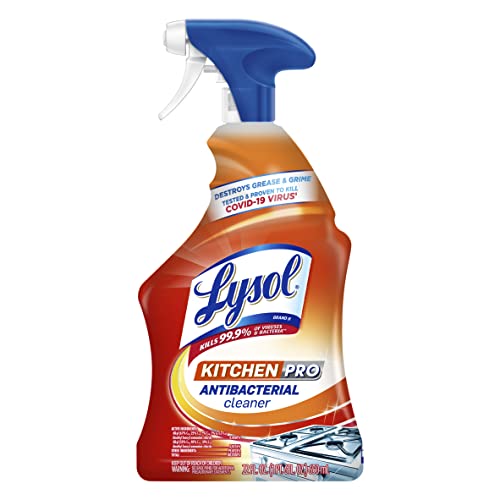 The core Lysol kitchen-specific cleaner, formulated to cut grease and kill 99.9% of common kitchen germs.
Lysol Kitchen Pro Antibacterial Cleaner (Case of 12 Trigger Sprays)
Ideal for high-use households, rental properties, or small commercial kitchens, this bulk case of 12 22oz trigger sprays offers consistent supply and cost savings over single-bottle purchases. It uses the same germ-killing, grease-cutting formula as the single Lysol Pro Kitchen Spray, so you get identical performance with a lower per-bottle cost. The main trade-off is storage: the full case takes up significant cabinet space, so it’s best suited for users who have room in a pantry or utility closet. For more on this, see our guide on top picks stainless steel cleaner for kitchen sinks.
 Bulk 3-pack of Lysol Kitchen Pro trigger sprays, paired with an automatic toilet bowl cleaner for full home sanitation.
Lysol Antibacterial Kitchen Cleaner (Case of 12 Trigger Sprays)
This bulk case of 22oz citrus-scented trigger sprays is the most cost-effective option for users who go through cleaner quickly, such as large families, Airbnb hosts, or small food service businesses. It uses the same grease-cutting, germ-killing formula as the single Lysol Pro Kitchen Spray, so you get identical performance with a lower per-bottle cost. The only downsides are the bulky storage requirements and the strong scent, which may be overpowering in small, unventilated kitchens. For bulk home or commercial use, this case of 12 is available on Amazon here.
 Bulk case of Lysol's dedicated kitchen antibacterial cleaner, ideal for families, rentals, or small commercial spaces.
Lysol Hydrogen Peroxide Multi-Purpose Kitchen Cleaner (32oz Spray)
Formulated for users who prefer to avoid quaternary ammonium compounds, this variant uses hydrogen peroxide as its active disinfectant, which breaks down into water and oxygen after use, leaving no harsh chemical residue. It has a milder citrus scent than the quat-based variants, making it a better fit for households with fragrance sensitivities, asthma, or young children and pets. It works well on countertops, cutting boards, and appliance handles, but should not be left sitting on porous surfaces like unsealed wood or marble, as it can cause minor discoloration over time. For a quat-free option that is gentle around kids and pets, this 32oz spray is available on Amazon here. For more on this, see our guide on 10 stainless steel kitchen cleaner.
 Hydrogen peroxide-based Lysol cleaner, free of quaternary ammonium compounds for gentler disinfection.
Lysol Power Clean 2x Concentrated Multi-Surface Cleaner (28oz Pour)
For users who want to clean their entire home, not just the kitchen, this concentrated variant is diluted with water to cover countertops, floors, bathroom surfaces, and even outdoor patio furniture. The 2x concentration means a single 28oz bottle makes up to 56oz of cleaner, offering significant cost savings for high-use households. It is available in Mango & Hibiscus and Cool Adirondack scents, both of which leave a fresh, long-lasting aroma. Note that it requires dilution before use, which adds an extra step compared to ready-to-use spray variants. For a cost-effective whole-home cleaner, the Mango & Hibiscus variant is available on Amazon here, and the Cool Adirondack variant is available here.
 Concentrated Lysol multi-surface cleaner, diluted for extended use on countertops, floors, and appliances.
 Concentrated Lysol multi-surface cleaner with a fresh Cool Adirondack fragrance for whole-home use.
Lysol All-Purpose Cleaner Spray (For Multi-Zone Kitchen Use)
While not a dedicated kitchen cleaner, Lysol’s All-Purpose Cleaner Spray is a popular choice for users who want one product for both kitchen and bathroom surfaces. It kills 99.9% of household germs and is available in 32oz single bottles and 3-packs with Lemon Breeze and Mango & Hibiscus scents. It works well for quick wipe-downs of kitchen walls, cabinet handles, and backsplashes, but lacks the heavy-duty degreasing power of the dedicated kitchen cleaner line, so it is less effective for stovetop splatters and baked-on grease. The 32oz Mango & Hibiscus variant is available on Amazon here, and the 3-pack mixed scent variant is available here. For more on this, see our guide on steam cleaner for kitchen cabinets.
 Multi-purpose Lysol disinfectant suitable for both kitchen and bathroom surfaces, with a tropical fragrance.
 Value 3-pack of Lysol all-purpose disinfectant sprays with two fragrance options for whole-home use.
How to Use Lysol Antibacterial Kitchen Cleaner for Maximum Germ-Fighting Power
Many users mistakenly assume that spraying and wiping a surface immediately is enough to disinfect it, but this cuts the required contact time short and prevents the formula from fully killing targeted germs, per EPA disinfectant guidelines. Follow these steps for full efficacy:
- Clear loose debris first: Wipe away crumbs, food splatters, and loose grime with a damp cloth before applying the cleaner, so the disinfectant can reach the full surface.
- Spray evenly: Hold the bottle 6-8 inches from the surface and spray in a sweeping motion to fully cover high-touch areas like cutting board edges, faucet handles, and appliance knobs.
- Let sit for the full contact time: Keep the surface wet for 3 minutes (check your product label, as hydrogen peroxide variants may require a slightly shorter or longer time). Do not wipe during this period.
- Rinse food-contact surfaces: For any surface that will touch raw or ready-to-eat food, rinse thoroughly with clean water and let air dry before use.
- Wipe non-food surfaces dry: For stovetops, appliance exteriors, and sink surfaces, wipe clean with a dry microfiber cloth to avoid water spots.
Pro tip: For baked-on grease on stovetops or oven exteriors, let the cleaner sit for 5-7 minutes before scrubbing with a non-abrasive sponge for easier grime removal. For consistent routine kitchen upkeep that reduces germ buildup, make disinfecting countertops and high-touch areas a daily part of your post-meal cleanup routine.
Safety Guidelines and Surface Compatibility
While Lysol Antibacterial Kitchen Cleaner is safe for most common kitchen surfaces when used as directed, following these guidelines will avoid damage and ensure safe use:
- Test first for delicate surfaces: Always spray a small, hidden area of marble, unsealed granite, quartz, or stainless steel before full application to check for discoloration or etching. For unsealed stone, untreated wood, or other delicate surfaces, opt for a gentle surface-safe formula to avoid etching or discoloration.
- Avoid sensitive surfaces: Do not use on unsealed wood, non-stick cookware coatings, or natural stone surfaces like travertine, as the surfactants can degrade these materials over time.
- Ventilate the area: Open a window or turn on an exhaust fan while cleaning to avoid inhaling fumes, especially in small, enclosed kitchens.
- Keep away from children and pets: Store the cleaner in a locked cabinet out of reach, and keep pets and kids away from treated surfaces until fully dry.
- Do not mix with other products: Combining Lysol cleaner with bleach, ammonia, or other cleaning products can create toxic fumes that are dangerous to inhale.
- For fragrance-sensitive users: Opt for the hydrogen peroxide variant, which has a milder scent, or use the cleaner in a well-ventilated space to reduce exposure to strong fragrances.
How Does Lysol Kitchen Cleaner Compare to Other Antibacterial Options?
To help you decide if Lysol’s kitchen cleaner is the right fit for your needs, it’s useful to compare it to other common cleaning options:
- Vs. generic all-purpose antibacterial cleaners: Lysol’s kitchen-specific formula includes added degreasing agents, so it both sanitizes and lifts the oily food residue that generic cleaners often leave behind. It is also EPA-registered specifically for kitchen germ targets, while many generic all-purpose cleaners only have general disinfectant claims.
- Vs. plant-based/natural kitchen cleaners: Most natural cleaners are not EPA-registered disinfectants, meaning they do not have proven germ-killing efficacy for high-risk kitchen zones. Lysol offers guaranteed 99.9% germ kill, but has a stronger chemical scent and non-biodegradable ingredients, unlike eco-friendly options like Method’s citron all-purpose cleaner.
 Eco-friendly competitor antibacterial cleaner, formulated with biodegradable ingredients for sensitive households.
- Vs. dedicated kitchen degreasers: Most degreasers do not have disinfectant properties, so they will lift grease but not kill harmful bacteria. Lysol’s combination of degreasing and disinfecting makes it a two-in-one solution that cuts down on cleanup time. For removing built-up grease that has accumulated over months or years, pair Lysol cleaner with a dedicated degreaser for heavy-duty jobs.
Frequently Asked Questions
What surfaces can Lysol Antibacterial Kitchen Cleaner be used on?
Lysol’s dedicated kitchen cleaner is safe for sealed countertops (laminate, granite, quartz), stainless steel appliances, stovetops, oven exteriors, cutting boards, and sink exteriors. Its degreasing formula works equally well on stovetop splatters, microwave interiors, and tackling heavy grease buildup on range hood filters. Always test on a small hidden area first for delicate surfaces, and avoid use on unsealed wood, non-stick cookware, and natural stone.
Does Lysol Kitchen Cleaner kill Salmonella and E. coli?
Yes, all Lysol Antibacterial Kitchen Cleaner variants are EPA-registered to kill 99.9% of common kitchen pathogens, including Salmonella, E. coli O157:H7, and Staphylococcus aureus, when used as directed with the full 3-minute contact time.
Is Lysol Kitchen Cleaner safe for food-contact surfaces?
Yes, all variants are approved for use on food-contact surfaces when used as directed. After cleaning, rinse surfaces thoroughly with clean water and let air dry before preparing food to remove any residual cleaner. For ongoing maintaining sink hygiene and preventing cross-contamination, disinfect sink basins and faucet handles daily with Lysol cleaner.
Can I use Lysol Kitchen Cleaner if I have fragrance sensitivities?
Yes, opt for the hydrogen peroxide-based variant, which has a milder citrus scent than the quat-based options. You can also use the cleaner in a well-ventilated space with an exhaust fan on to reduce exposure to strong fragrances.
How often should I use Lysol Antibacterial Kitchen Cleaner?
For high-use kitchens: disinfect countertops, sink handles, and appliance knobs daily with Lysol cleaner. For deeper sanitization: clean and disinfect cutting boards, trash can lids, and refrigerator handles weekly. Always clean and disinfect surfaces immediately after handling raw meat, fish, or poultry to avoid cross-contamination. For a deeper clean of textured surface cleaning like grout or porous countertops, pair the spray with a small bristle brush to scrub away stuck-on grime before disinfecting.
Is Lysol Power Clean Multi-Surface Cleaner safe for kitchen floors?
Yes, when diluted as directed, Lysol Power Clean is safe for sealed tile, laminate, and vinyl kitchen floors. Do not use on unsealed wood or stone floors, as the formula can cause damage over time.
Final Verdict: Is Lysol Antibacterial Kitchen Cleaner Worth It?
Lysol Antibacterial Kitchen Cleaner is a reliable, effective choice for households that want to keep their kitchen surfaces free of harmful germs and tough grease in one step. Its EPA-registered disinfecting formula, built-in degreasing power, and range of variants for different use cases make it a versatile addition to most cleaning routines. While its stronger chemical scent and surface restrictions may be a downside for some users, its proven germ-killing efficacy and convenience make it a standout option for busy kitchens, families with young kids, and anyone preparing food regularly.
For a low-effort, high-impact way to reduce foodborne illness risk and keep your kitchen smelling fresh, Lysol’s dedicated kitchen cleaner line is a trustworthy, widely available option that delivers on its germ-fighting promises when used correctly.

I’m Abby Lu, a passionate home cook who loves simplifying everyday meals. At PlugChef.com, I share product reviews and cooking guides to help you find the best tools for your kitchen.
Related posts:
 Hisense Dehumidifier And Small Appliance Repair Near Liberty Mo: Top Reviews
 Kitchen Appliances List: Must-Have Gadgets for Every Modern Kitchen
 Bundle Packages for Kitchen Appliances: Ultimate Kitchen Upgrade Solutions
 Best Smart Coffee Mug Warmer: Discover Ultimate Temperature Control Solutions
 Best Food Sealers Vacuum Packing: Discover Top Picks for Freshness
 Best Long Lasting Mug Warmer: Top Picks to Keep Your Drinks Hot