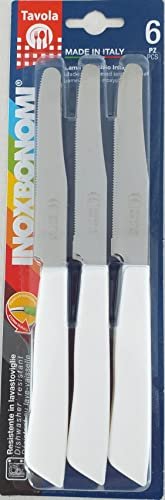
For centuries, the small town of Maniago in Italy’s Friuli-Venezia Giulia region has been the global heart of artisanal cutlery production, where third- and fourth-generation forges blend old-world metalworking techniques with modern metallurgy. Italian-made kitchen knives are revered for their unmatched balance of precision cutting performance, decades-long durability, and timeless, elegant design that doubles as countertop decor. Whether you’re a home cook prepping weeknight pasta, a professional chef running a high-volume kitchen, or a culinary enthusiast who values tools that feel as good as they look, this guide breaks down the top Italian-made and Italian-crafted knives that deliver on all three fronts, plus what to look for when shopping and how to care for your investment.
What Sets Italian-Made Kitchen Knives Apart?
Heritage of Artisanal Craftsmanship
Unlike mass-produced cutlery from large factories, most high-end Italian knives are hand-forged in small family workshops in Maniago, where cutlers train for years to master the nuances of blade shaping, tempering, and handle attachment. The region’s cutlery industry is regulated by the Maniago Knife Makers Association, which enforces strict quality standards for both artisanal and production-level knives, ensuring consistency in performance and safety. As of 2026, many of these workshops have adopted sustainable forging practices, using recycled high-carbon steel and ethically sourced wood for handles to reduce environmental impact.
Material Quality & Long-Term Durability
Italian knives typically use high-carbon stainless steel alloys (most commonly X50CrMoV15) that resist rust and corrosion far better than standard stainless steel, while holding a sharp edge 2-3 times longer than budget stamped blades. Full tang construction—where the blade extends the full length of the handle—is standard for all reputable Italian brands, eliminating the weak point at the blade-handle junction that causes partial-tang knives to break under heavy use. Reputable Italian cutlery brands also adhere to ISO 8442 food-contact safety standards to ensure blades are non-toxic and safe for repeated use with all food types.
Precision Engineering & Ergonomic Design
Italian knife makers prioritize balanced weight distribution, calibrating the center of gravity to sit just at the base of the blade to reduce wrist fatigue during extended chopping, slicing, and dicing. Blade angles are ground to 15-20 degrees per side (steeper than many American or Asian budget knives) to deliver clean, precise cuts without crushing delicate produce like tomatoes or herbs. Handles are molded to fit the natural curve of the hand, using materials like Italian olive wood, pakkawood, or non-slip resin to stay secure even when wet.
Style as a Core Feature
Italian design ethos prioritizes form following function, resulting in knives with sleek, minimalist profiles, natural wood handles, and subtle branding that looks as stunning displayed on a magnetic block as it does in a drawer. Many Italian brands offer limited-edition handles made from regional olive wood or walnut, making each knife a unique, heirloom-quality piece.
How to Choose the Right Italian Kitchen Knife for Your Needs
Not all Italian knives are built for the same tasks, so narrowing down your needs first will help you avoid overspending on features you don’t need. Start by identifying your primary use case:
- General prep (chopping vegetables, slicing meat, mincing herbs): A 6-8 inch chef’s knife is the most versatile option for most home cooks.
- Specialty tasks (pasta making, slicing bread, prepping citrus): A dedicated pasta knife, serrated utility knife, or boning knife will deliver better results than a general-purpose blade.
- Family use: Look for rounded tips and non-slip handles to reduce accidental cut risk for newer cooks.
Next, prioritize blade material: high-carbon stainless steel offers the best balance of edge retention, rust resistance, and ease of sharpening for most users, while powdered steel is a premium option for professional chefs who need maximum edge hold. Full tang construction is non-negotiable for heavy, frequent use, while partial tang is acceptable for light, occasional prep. Finally, consider handle material: natural wood handles look beautiful but require occasional oiling to prevent drying, while synthetic handles are dishwasher-safe and ideal for busy households. Pair your new knife with a custom engraved cutting board to protect the blade and add a personal touch to your kitchen setup.
Quick Comparison of Top Picks
| Product | Origin | Blade Material | Best For | Approx. Price Range |
|---|---|---|---|---|
| Inoxbonomi 6-Piece Set (White/Black) | Maniago, Italy | Italian high-carbon stainless steel | Everyday home cooking, beginners | $40–$60 |
| Due Cigni Classica 15" Pasta Slicing Knife | Maniago, Italy | Forged Italian stainless steel, full tang | Homemade pasta, dough, large roasts | $50–$70 |
| Made In Cookware Magnetic Knife Block | Crafted in Italy | Italian sustainably sourced beechwood | Stylish countertop organization | $80–$120 |
| Bloomhouse 8" Chef Knife | German steel, Italian olive wood handle | German high-carbon steel, hand-forged olive wood | General prep, premium home use | $100–$150 |
| Tredoni 6-Piece Serrated Knife Set | Italian steel blades | Italian stainless steel, serrated edges | Tough produce, steak, family use | $35–$55 |
Top Italian-Made Kitchen Knives for Precision and Durability
Fully Italian-Made Core Picks
These options are 100% crafted in Italy, from blade to handle, by reputable Maniago-based brands.
Inoxbonomi 6-Piece Italian Knife Set (White)
 Ergonomic non-slip handles are a signature of Inoxbonomi’s everyday cutlery, designed for extended use without hand fatigue
The Inoxbonomi 6-Piece White Knife Set is a top pick for home cooks and beginner chefs who want reliable, stylish Italian cutlery without a premium price tag. Made in Maniago, Italy, each knife is forged from high-carbon stainless steel that resists rust and holds an edge for 6+ months with regular home use. The lightweight 0.05-pound build reduces wrist fatigue during extended prep sessions, a common oversight in heavier budget sets.
Pros:
Ergonomic non-slip handles are a signature of Inoxbonomi’s everyday cutlery, designed for extended use without hand fatigue
The Inoxbonomi 6-Piece White Knife Set is a top pick for home cooks and beginner chefs who want reliable, stylish Italian cutlery without a premium price tag. Made in Maniago, Italy, each knife is forged from high-carbon stainless steel that resists rust and holds an edge for 6+ months with regular home use. The lightweight 0.05-pound build reduces wrist fatigue during extended prep sessions, a common oversight in heavier budget sets.
Pros:
- Corrosion-resistant Italian stainless steel construction for long-lasting sharpness
- Ergonomic, non-slip handle design that stays secure even when wet
- Lightweight build ideal for users with smaller hands or limited wrist strength
- Versatile 6-piece set includes chef’s, utility, and steak knives for all common tasks Cons:
- White powder-coated finish can show temporary stains from acidic foods like tomato sauce or lemon juice if not wiped down immediately
- Limited size options may not suit users who prefer larger chef’s knives for heavy prep A common mistake new cooks make is storing these knives loose in a cutlery storage drawer, which dulls the edge quickly and increases cut risk. For homes with young children, pair this set with childproof drawer locks to keep knives out of reach when not in use. Check current pricing on Amazon
Inoxbonomi 6-Piece Italian Knife Set (Black)
 The matte black finish resists fingerprints and matches modern, minimalist kitchen decor
Ideal for home cooks with contemporary kitchen designs, this black variant of the Inoxbonomi 6-piece set uses identical high-quality Italian stainless steel construction and ergonomic handles as the white model, with a scratch-resistant matte black finish that hides stains and fingerprints. The set includes the same versatile range of blade types for everyday prep, from mincing herbs to slicing steak.
Pros:
The matte black finish resists fingerprints and matches modern, minimalist kitchen decor
Ideal for home cooks with contemporary kitchen designs, this black variant of the Inoxbonomi 6-piece set uses identical high-quality Italian stainless steel construction and ergonomic handles as the white model, with a scratch-resistant matte black finish that hides stains and fingerprints. The set includes the same versatile range of blade types for everyday prep, from mincing herbs to slicing steak.
Pros:
- Identical high-quality Italian steel and ergonomic design as the white set
- Scratch-resistant matte finish that matches modern kitchen decor
- Lightweight build reduces hand fatigue during long prep sessions Cons:
- Same limited size options as the white set, which may not suit users who prefer larger blades
- Requires regular honing to maintain edge sharpness, like all high-carbon steel knives In practice, the black finish is a better pick for busy households, as it hides small scratches and stains from daily use far better than lighter finishes. For optimal edge retention, hone the blades with a ceramic honing rod every 3-4 uses. Check current pricing on Amazon
Due Cigni Classica 15-Inch Pasta Slicing Knife
 The full tang construction (visible where the blade meets the handle) provides superior balance and durability, a hallmark of high-end Italian cutlery
A staple in Italian home kitchens for over 70 years, the Due Cigni Classica pasta knife is hand-forged in Maniago from solid Italian stainless steel with a full tang design that eliminates wobble during use. The 15-inch blade length is calibrated to cut through even thick fresh pasta sheets, pizza dough, and large roasts without tearing, making it a must-have for home pasta makers and home chefs who regularly prep large batches of food. In practice, the full tang construction eliminates the flex common in cheaper stamped pasta knives, giving you full control over thin, even cuts.
Pros:
The full tang construction (visible where the blade meets the handle) provides superior balance and durability, a hallmark of high-end Italian cutlery
A staple in Italian home kitchens for over 70 years, the Due Cigni Classica pasta knife is hand-forged in Maniago from solid Italian stainless steel with a full tang design that eliminates wobble during use. The 15-inch blade length is calibrated to cut through even thick fresh pasta sheets, pizza dough, and large roasts without tearing, making it a must-have for home pasta makers and home chefs who regularly prep large batches of food. In practice, the full tang construction eliminates the flex common in cheaper stamped pasta knives, giving you full control over thin, even cuts.
Pros:
- 100% Italian-made, hand-forged construction for decades of use
- Full tang design for superior balance and control during extended use
- 15-inch blade length ideal for large batches of pasta, dough, and roasts
- Rust-resistant stainless steel that holds an edge for 8+ months with regular use Cons:
- 15-inch length may be cumbersome for small kitchen storage spaces
- 0.42-pound weight is heavier than smaller utility knives, which may cause fatigue for users with limited wrist strength Pair this knife with a large wooden cutting board to protect your countertops and prevent dough from sticking during use. Check current pricing on Amazon
Made In Cookware Italian Beechwood Magnetic Knife Block
 Embedded rare-earth magnets hold knives securely without slipping, even for heavy 8-inch chef’s knives
Crafted entirely in Italy from sustainably sourced Italian beechwood, this magnetic knife block combines artisanal Italian design with modern functionality. Unlike traditional slotted blocks that dull knife edges over time, the embedded rare-earth magnets hold knives securely by the blade, eliminating friction that wears down edges. The compact, 12-inch width fits easily on most kitchen countertops, and the natural wood grain complements both traditional and modern kitchen decor. In practice, this block frees up cabinet storage space for other cookware while keeping your most-used tools within arm’s reach.
Pros:
Embedded rare-earth magnets hold knives securely without slipping, even for heavy 8-inch chef’s knives
Crafted entirely in Italy from sustainably sourced Italian beechwood, this magnetic knife block combines artisanal Italian design with modern functionality. Unlike traditional slotted blocks that dull knife edges over time, the embedded rare-earth magnets hold knives securely by the blade, eliminating friction that wears down edges. The compact, 12-inch width fits easily on most kitchen countertops, and the natural wood grain complements both traditional and modern kitchen decor. In practice, this block frees up cabinet storage space for other cookware while keeping your most-used tools within arm’s reach.
Pros:
- 100% crafted in Italy from sustainably sourced Italian beechwood
- Rare-earth magnets hold all standard kitchen knife sizes securely without slipping
- Compact design fits easily on countertops of all sizes
- No slots means no edge dulling from friction Cons:
- May not accommodate very large knife collections (holds 6-8 knives depending on size)
- Light wood finish may not match dark kitchen cabinetry without staining Check current pricing on Amazon
Honorable Mentions: Knives with Italian Craftsmanship Touches
These picks feature Italian design or material elements, and are popular among Italian home cooks and chefs, even if not fully manufactured in Italy.
Bloomhouse 8-Inch Chef Knife with Italian Olive Wood Handle
 Hand-carved Italian olive wood handles are unique to each knife, with natural grain patterns that vary slightly between units
This premium chef’s knife combines German high-carbon steel performance with hand-forged Italian olive wood handle craftsmanship, making it a popular pick for home cooks who want the edge retention of German steel with the aesthetic and ergonomic benefits of Italian handle design. The 8-inch blade is ground to a 15-degree edge angle for precise, effortless chopping, and the olive wood handle is shaped to fit the hand naturally, reducing fatigue during extended use. In practice, the olive wood handle develops a rich patina over time with regular oiling, making it a personalized, heirloom-quality piece.
Pros:
Hand-carved Italian olive wood handles are unique to each knife, with natural grain patterns that vary slightly between units
This premium chef’s knife combines German high-carbon steel performance with hand-forged Italian olive wood handle craftsmanship, making it a popular pick for home cooks who want the edge retention of German steel with the aesthetic and ergonomic benefits of Italian handle design. The 8-inch blade is ground to a 15-degree edge angle for precise, effortless chopping, and the olive wood handle is shaped to fit the hand naturally, reducing fatigue during extended use. In practice, the olive wood handle develops a rich patina over time with regular oiling, making it a personalized, heirloom-quality piece.
Pros:
- German high-carbon steel blade holds an edge for 10+ months with regular use
- Hand-carved Italian olive wood handle with natural non-slip grip
- Balanced weight distribution for effortless chopping and slicing Cons:
- Higher price point than fully Italian-made entry-level sets
- Requires regular oiling of the wood handle to prevent drying and cracking Check current pricing on Amazon
Tredoni 6-Piece Serrated Knife Set
 Rounded serrated tips reduce accidental cut risk, making these knives a safe pick for family kitchens
Featuring Italian stainless steel blades and bright red ergonomic handles, this 6-piece set is a favorite among Italian families for its versatility and safety features. The serrated edges cut through tough produce like tomatoes, citrus, and crusty bread without crushing the interior, while rounded tips reduce the risk of accidental cuts for newer cooks. In practice, these knives are a reliable workhorse for everyday family meals, holding an edge for 6 months with regular honing. For homes with young children learning to cook, pair this set with child-safe kitchen locks to secure knives out of reach when not in use.
Pros:
Rounded serrated tips reduce accidental cut risk, making these knives a safe pick for family kitchens
Featuring Italian stainless steel blades and bright red ergonomic handles, this 6-piece set is a favorite among Italian families for its versatility and safety features. The serrated edges cut through tough produce like tomatoes, citrus, and crusty bread without crushing the interior, while rounded tips reduce the risk of accidental cuts for newer cooks. In practice, these knives are a reliable workhorse for everyday family meals, holding an edge for 6 months with regular honing. For homes with young children learning to cook, pair this set with child-safe kitchen locks to secure knives out of reach when not in use.
Pros:
- Italian stainless steel blades with rust-resistant coating
- Serrated edges ideal for tough produce, steak, and bread
- Rounded tips and non-slip handles for enhanced safety
- Lightweight build reduces hand fatigue during extended use Cons:
- Handle size may be too small for users with larger hands
- Not dishwasher safe, requires hand washing to preserve handle finish Check current pricing on Amazon
Victorinox Swiss Classic 4.5-Inch Serrated Utility Knife
 The compact 4.5-inch blade is ideal for small, precise tasks like slicing cherry tomatoes or citrus
While Swiss-made, this utility knife is a staple in many Italian home kitchens, valued for its ultra-sharp serrated edge and lightweight build. The 4.5-inch blade is perfect for small, precise tasks that larger chef’s knives struggle with, from slicing cherry tomatoes to peeling citrus, and the multicolor handle makes it easy to identify in a crowded knife block. In practice, this knife is the go-to for garnishing and salad prep for many home cooks, holding an edge for 8+ months with regular use.
Pros:
The compact 4.5-inch blade is ideal for small, precise tasks like slicing cherry tomatoes or citrus
While Swiss-made, this utility knife is a staple in many Italian home kitchens, valued for its ultra-sharp serrated edge and lightweight build. The 4.5-inch blade is perfect for small, precise tasks that larger chef’s knives struggle with, from slicing cherry tomatoes to peeling citrus, and the multicolor handle makes it easy to identify in a crowded knife block. In practice, this knife is the go-to for garnishing and salad prep for many home cooks, holding an edge for 8+ months with regular use.
Pros:
- Ultra-sharp serrated edge that cuts through delicate produce without crushing
- Lightweight 0.06-pound build reduces hand fatigue
- Multicolor handle for easy identification in a shared kitchen
- Dishwasher safe for easy cleaning Cons:
- 4.5-inch blade is too small for general prep tasks
- Not suitable for heavy-duty cutting like boning meat or slicing large roasts Check current pricing on Amazon
imarku 7-Inch Santoku Knife
 The hollowed-out dimples on the blade prevent food from sticking during slicing, a feature popular with Italian chefs for herb prep
This Japanese-made santoku knife has gained massive popularity among Italian chefs in recent years for its precision-focused design and lightweight build, which is ideal for fine herb slicing, vegetable brunoise, and other delicate prep tasks. The 7Cr17Mov Japanese steel blade holds an edge for 9+ months, and the ergonomic brown handle stays secure even when wet. In practice, many Italian professional chefs use this knife as a secondary blade for fine prep alongside a traditional Italian chef’s knife.
Pros:
The hollowed-out dimples on the blade prevent food from sticking during slicing, a feature popular with Italian chefs for herb prep
This Japanese-made santoku knife has gained massive popularity among Italian chefs in recent years for its precision-focused design and lightweight build, which is ideal for fine herb slicing, vegetable brunoise, and other delicate prep tasks. The 7Cr17Mov Japanese steel blade holds an edge for 9+ months, and the ergonomic brown handle stays secure even when wet. In practice, many Italian professional chefs use this knife as a secondary blade for fine prep alongside a traditional Italian chef’s knife.
Pros:
- 7Cr17Mov Japanese steel blade with exceptional edge retention
- Hollowed-out dimples on the blade prevent food from sticking during use
- Ergonomic handle designed for precision tasks
- Lightweight 0.43-pound build reduces fatigue during extended fine prep Cons:
- Not fully Italian-made, which may be a drawback for buyers seeking 100% Italian craftsmanship
- Requires hand washing to preserve handle finish Check current pricing on Amazon
Brewin CHEFILOSOPHI 5-Piece Chef Knife Set
 Red pakkawood handles are designed with Italian-inspired ergonomic curves for all-day comfort
This 5-piece set features Japanese high-carbon steel blades paired with Italian-inspired ergonomic red pakkawood handles, making it a popular pick for home cooks who want precision performance with a stylish, Italian-inspired aesthetic. The set includes a chef’s knife, utility knife, serrated utility knife, paring knife, and honing rod, covering all common kitchen tasks. In practice, the balanced weight of these knives makes them ideal for users who spend long hours cooking, reducing wrist fatigue during meal prep. This set also makes a thoughtful gift for culinary students, paired with a professional kitchen cleaning brush for easy blade maintenance after use.
Pros:
Red pakkawood handles are designed with Italian-inspired ergonomic curves for all-day comfort
This 5-piece set features Japanese high-carbon steel blades paired with Italian-inspired ergonomic red pakkawood handles, making it a popular pick for home cooks who want precision performance with a stylish, Italian-inspired aesthetic. The set includes a chef’s knife, utility knife, serrated utility knife, paring knife, and honing rod, covering all common kitchen tasks. In practice, the balanced weight of these knives makes them ideal for users who spend long hours cooking, reducing wrist fatigue during meal prep. This set also makes a thoughtful gift for culinary students, paired with a professional kitchen cleaning brush for easy blade maintenance after use.
Pros:
- High-carbon stainless steel blades with exceptional edge retention
- Italian-inspired ergonomic pakkawood handles with non-slip grip
- 5-piece set covers all common kitchen prep tasks
- Includes a honing rod for easy at-home edge maintenance Cons:
- Not fully Italian-made, with Japanese steel blades
- Heavier build than lightweight santoku or utility knives, which may cause fatigue for some users Check current pricing on Amazon
Caring for Your Italian Kitchen Knives
Proper care will extend the lifespan of your Italian knives by decades, keeping them sharp and functional for life. Follow these steps to maintain your investment:
- Hand wash immediately after use with warm, soapy water. Even knives labeled dishwasher safe can have their edges dulled and wood handles cracked by high heat and harsh detergents.
- Dry thoroughly with a microfiber cloth immediately after washing to prevent water spots on stainless steel and cracking on wood handles.
- Hone the blade every 3-4 uses with a ceramic or steel honing rod to realign the edge and maintain sharpness between sharpenings.
- Sharpen professionally or with a whetstone every 6-12 months, depending on frequency of use. Avoid pull-through sharpeners, which remove too much metal and shorten the knife’s lifespan.
- Store in a dry, protected space: a magnetic block, knife sheath, or wooden block with horizontal slots to protect the edge from dulling. Never store knives loose in a drawer, which increases cut risk and damages blades.
For knives with natural wood handles, rub with food-safe mineral oil every 2-3 months to prevent drying and cracking.
Frequently Asked Questions
Are Italian kitchen knives worth the investment?
Yes, for most home cooks and professional chefs. Reputable Italian knives from Maniago-based brands typically cost $40-$150 for a set or single knife, but their high-carbon stainless steel blades hold an edge 2-3 times longer than budget stamped knives, and full tang construction means they can last a lifetime with proper care. The upfront cost is offset by decades of reliable use, and the artisanal handles add aesthetic value that mass-produced knives lack. For frequent home cooks, a quality Italian knife set will pay for itself in reduced prep time and fewer replacement purchases over 5 years.
What makes Italian knives unique compared to other cutlery?
Italian knives stand out for their combination of heritage craftsmanship, balanced design, and aesthetic focus. Unlike many mass-produced Asian or American knives that prioritize low cost over build quality, Italian cutlery from Maniago is hand-forged by skilled cutlers who train for years to master blade shaping and tempering. The focus on balanced weight distribution reduces wrist fatigue, while the natural wood handles and sleek profiles add style that fits with Italian kitchen design. Many Italian brands also offer limited-edition handles made from regional olive wood or walnut, making each knife a unique, personalized piece.
How do I care for Italian kitchen knives to make them last?
Follow the 5-step care routine outlined above: hand wash and dry immediately after use, hone every 3-4 uses, sharpen every 6-12 months, store in a protected space, and oil wood handles every 2-3 months. Avoid cutting hard surfaces like glass, stone, or ceramic, which will dull the blade quickly, and use a cutting board made of wood or plastic to protect the edge.
Which Italian knife is best for professional chefs?
For professional chefs specializing in Italian cuisine, the Due Cigni Classica 15-inch pasta knife is a top pick for its precision and balance when prepping large batches of pasta and dough. For generalist professional use, a custom-forged Italian chef’s knife from a Maniago atelier is the gold standard, offering edge retention and balance that outperforms mass-produced options. For home cooks and entry-level professionals, the Bloomhouse 8-inch chef knife offers a more accessible entry point with its German steel blade and Italian olive wood handle.
Can using Italian knives improve my cooking skills?
Yes, significantly. Sharp, well-balanced Italian knives reduce the physical effort of prep work, letting you focus on technique instead of forcing a dull blade through tough produce. A sharp edge also reduces the risk of slips and accidental cuts, making it safer for beginners to practice advanced knife skills like brunoise, chiffonade, or julienne. Many home cooks report cutting their prep time by 30-50% after switching to a quality Italian knife set, as clean, precise cuts reduce the need for rework.
Final Verdict
Italian-made kitchen knives are more than just tools—they’re heirloom-quality investments that combine centuries of artisanal craftsmanship, durable high-performance materials, and timeless Italian style to elevate culinary precision with elegance. For most home cooks, the Inoxbonomi 6-piece set offers unbeatable value for everyday prep, while the Due Cigni pasta knife is a non-negotiable for anyone who loves making homemade Italian cuisine. For stylish storage, the Made In Cookware magnetic block adds a touch of Italian design to your countertop while protecting your knife edges.
Ready to upgrade your kitchen cutlery? Start with a versatile 6-piece set for general prep, or invest in a specialty pasta knife if homemade Italian cuisine is a staple in your home. For more kitchen tool guides and maintenance tips, browse our full library of kitchen care resources to keep your tools in top condition for years to come.

Hi, I’m Daniel Brooks—a food lover and kitchen gear enthusiast. I enjoy testing cookware, utensils, and gadgets to see what really works in everyday cooking. At PlugChef.com, I share honest reviews, comparisons, and simple guides to help you choose the best tools for a safer, smarter, and more enjoyable kitchen.
Related posts:
 Best Coffee Mug to Keep Coffee Warm: Top Picks for Cozy Sips
 Best Coffee Grinder for Aeropress: Top Picks for Perfect Brew
 Black Kitchen Appliances Vs Stainless Steel: Which Suits Your Style Best?
 Ninja Air Fryer Grill Model Gen 1 Vs Gen 2: Ultimate Comparison Guide
 Best Desktop Mug Warmer: Keep Your Coffee Perfectly Hot
 Best Milk Frothers Subminimal: Elevate Your Coffee Experience Effortlessly