

Imagine a stew that instantly wakes up your taste buds with a tangy twist. A stew made with tamarind broth brings a unique, rich flavor that’s both comforting and exciting.
If you’re looking to add something new to your cooking routine, this recipe is just what you need. You’ll discover how the natural sourness of tamarind blends perfectly with hearty ingredients to create a meal that’s warm, satisfying, and full of depth.
Ready to transform your stew game? Keep reading, and your next favorite dish is just a few steps away.

Credit: www.youtube.com
Tamarind Broth Basics
Tamarind broth is the heart of many delicious stews. This tangy liquid brings a unique taste that brightens every bite. Understanding its basics helps you create rich, flavorful dishes.
From taste to health benefits and picking the right tamarind, these points cover what you need to know.
Flavor Profile
Tamarind broth has a sharp, tangy taste. It balances sourness with mild sweetness. This blend adds depth to stews without overpowering them. Its fruity notes make dishes more vibrant and refreshing. The broth also carries a slight earthiness that complements spices well.
Health Benefits
Tamarind broth supports digestion and reduces inflammation. It is rich in antioxidants that protect cells. The broth contains vitamins C and B, which boost immunity. It can help regulate blood sugar levels naturally. Drinking tamarind broth may also improve heart health.
Choosing The Right Tamarind
Select fresh tamarind pods or pure tamarind paste for best flavor. Fresh pods are sticky and brown with a sweet-sour pulp inside. Paste offers convenience and consistent taste. Check for no added sugar or preservatives in store-bought paste. Always pick tamarind that smells fresh and slightly fruity.
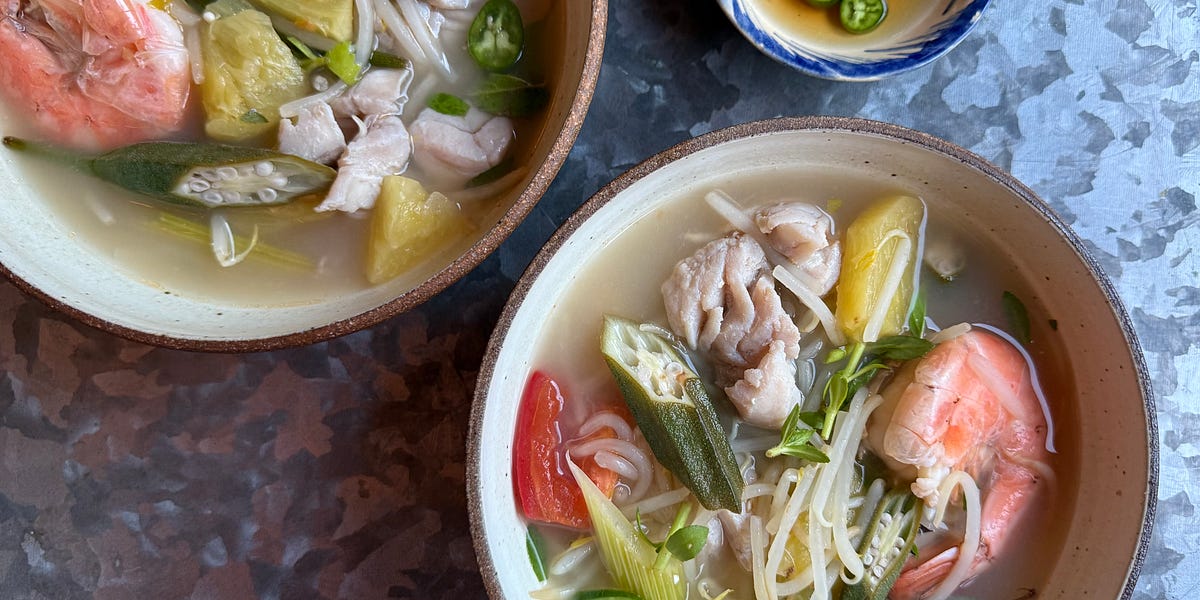
Credit: andreanguyen.substack.com
Key Ingredients For The Stew
The magic of a stew made with tamarind broth lies in the harmony of its ingredients. Each component plays a crucial role in building layers of flavor that make the dish unforgettable. Knowing what to add and why can transform your stew from ordinary to exceptional.
Proteins And Vegetables
Your choice of protein sets the stew’s heart and soul. Chicken thighs, beef chunks, or even fish work beautifully with the tangy tamarind base.
Vegetables add texture and balance. Think tender potatoes, carrots, and okra—they soak up the broth’s flavor while keeping each bite interesting.
Have you tried adding something unexpected like eggplant or green beans? They can surprise you by bringing a new dimension to the stew.
Spices And Herbs
The right spices make the tamarind broth sing. Cumin, coriander, and a touch of chili powder add warmth and depth without overpowering the tang.
Fresh herbs like cilantro or curry leaves brighten the stew just before serving. Their freshness cuts through the richness and lifts the flavors.
Think about what spices you enjoy most. Would you add a cinnamon stick or a star anise for a subtle twist? Experimenting here can lead to your signature stew.
Optional Additions
Extras like coconut milk can mellow the acidity of tamarind and add creaminess. It’s a personal choice that can make your stew richer and smoother.
Don’t overlook garnishes such as toasted peanuts or fried onions. These add crunch and contrast, enhancing every spoonful.
What small addition could you make to surprise your guests? Sometimes, the simplest touch creates the biggest impression.
Preparing Tamarind Broth
Tamarind broth gives stew a tangy and rich flavor. Soaking tamarind in warm water releases its sour taste, perfect for simmering with spices. This broth forms a tasty base that makes the stew both hearty and refreshing.
Preparing Tamarind Broth Creating a flavorful tamarind broth is an adventure for your taste buds. This unique base is essential for crafting a memorable stew, offering a delightful balance of tanginess and sweetness. Whether you’re a seasoned chef or a kitchen newbie, mastering tamarind broth will elevate your dish to new heights.
Extracting Tamarind Paste
Start with fresh tamarind pods or compressed tamarind blocks, easily found in most grocery stores. Soak them in warm water for about 20 minutes to soften the pulp. Once softened, use your hands to gently squeeze the tamarind, separating the seeds and fibers, and extract the rich, tangy paste.
Balancing Tanginess And Sweetness
The magic of tamarind broth lies in its perfect balance of flavors. Adjust the tanginess by adding more tamarind paste or mellow it with a touch of sugar or honey. Taste as you go, ensuring the broth complements rather than overpowers the other ingredients in your stew.
Tips For A Rich Broth
Enhance your broth by simmering it with aromatic spices like garlic, ginger, and a hint of chili for an added kick. A dash of fish sauce or soy sauce can introduce a savory depth, making your stew irresistible. Strain the broth if desired, for a smooth, velvety texture that coats every bite of your stew. Isn’t it exciting to experiment with flavors and create something uniquely delicious? What are your favorite ingredients to pair with tamarind broth?
Cooking The Stew
Cooking a stew with tamarind broth is a rewarding experience that transforms simple ingredients into a rich, tangy dish. The process requires attention to detail and a bit of patience, but the flavors that develop are well worth the effort. Let’s break down how to cook this stew to get the best results.
Sautéing Ingredients
Start by heating oil in your pot over medium heat. Add chopped onions and garlic, stirring occasionally until they turn golden and fragrant. This step builds a flavorful base, so don’t rush it.
Next, add your choice of vegetables and proteins. Browning meat pieces slightly before simmering helps seal in juices and adds depth to the stew. Keep the heat balanced to avoid burning the ingredients.
Simmering Techniques
Once the sautéing is done, pour in your tamarind broth carefully. Bring the mixture to a gentle boil, then reduce the heat to low. Let it simmer slowly to allow the flavors to meld together.
Stir occasionally to prevent sticking and check the texture of your ingredients. Simmering too fast can toughen meat and dull the tamarind’s brightness. Are you giving your stew enough time to develop its character?
Adjusting Flavors
Taste your stew halfway through cooking and again before serving. Tamarind adds a distinct tang, but you might want to balance it with a pinch of sugar or a bit more salt. Adjusting acidity and seasoning is key to hitting the perfect flavor profile.
Don’t hesitate to tweak the heat with a dash of chili or add herbs for freshness. Your palate is the best guide—trust what it tells you. What flavor twist will you try to make this stew uniquely yours?
Serving Suggestions
Serving a stew made with tamarind broth offers a unique chance to enjoy a blend of sour and savory flavors. Proper serving suggestions enhance the dining experience and bring out the stew’s full potential.
Consider the texture and taste balance while pairing and garnishing. Also, proper storage and reheating keep the flavors fresh for the next meal.
Pairing With Sides
- Steamed jasmine rice complements the tangy broth well.
- Crusty bread soaks up the flavorful tamarind sauce.
- Simple green salads add a fresh, crunchy contrast.
- Mashed potatoes create a creamy balance to the stew.
- Roasted vegetables enhance the meal with smoky notes.
Garnishing Ideas
- Fresh cilantro leaves brighten the dish visually and in taste.
- Thinly sliced red chilies add a spicy kick.
- Toasted peanuts provide a crunchy texture contrast.
- Lime wedges offer extra tang for those who want more zest.
- Chopped green onions add a mild, fresh onion flavor.
Storing And Reheating
Store the stew in an airtight container in the fridge. It stays fresh for up to three days.
For longer storage, freeze the stew in portions. Use freezer-safe containers or bags.
Reheat gently on low heat to preserve the tamarind flavor. Stir occasionally to warm evenly.
Avoid boiling after reheating to keep the broth smooth and tasty.
Variations To Try
Tamarind broth stew is a versatile dish that adapts beautifully to different tastes and dietary needs. Trying out variations can transform the stew into something uniquely yours. Let’s look at some ways to customize this flavorful meal to suit your preferences and inspire your cooking.
Regional Twists
Different regions bring their own spices and ingredients to tamarind stew, creating distinct flavors. In Southeast Asia, you might find lemongrass and kaffir lime leaves added for a fresh, citrusy note. Meanwhile, in West Africa, the stew often includes peanut butter and smoked fish, giving it a rich, earthy depth.
Have you ever tasted a stew where a single herb or spice changed the entire experience? Trying these regional twists can open your palate to new possibilities and deepen your appreciation of tamarind’s complexity.
Vegetarian Options
You can easily make tamarind broth stew vegetarian by swapping meat for hearty vegetables or plant-based proteins. Eggplant, mushrooms, and chickpeas soak up the tangy broth well and add texture. Lentils or tofu are also great choices if you want to boost protein without losing flavor.
Thinking about your dietary needs doesn’t mean sacrificing taste. How could you make this stew your go-to comfort food, no matter your eating style?
Spicy Vs Mild Versions
The heat level in tamarind stew can be adjusted to match your spice tolerance. Adding fresh chili peppers or chili powder makes the dish bold and fiery. If you prefer something gentler, balance the tamarind’s sourness with a touch of sweetness from coconut milk or palm sugar.
What’s your ideal spice balance? Experimenting with heat can turn a familiar dish into a new favorite that excites your taste buds every time.
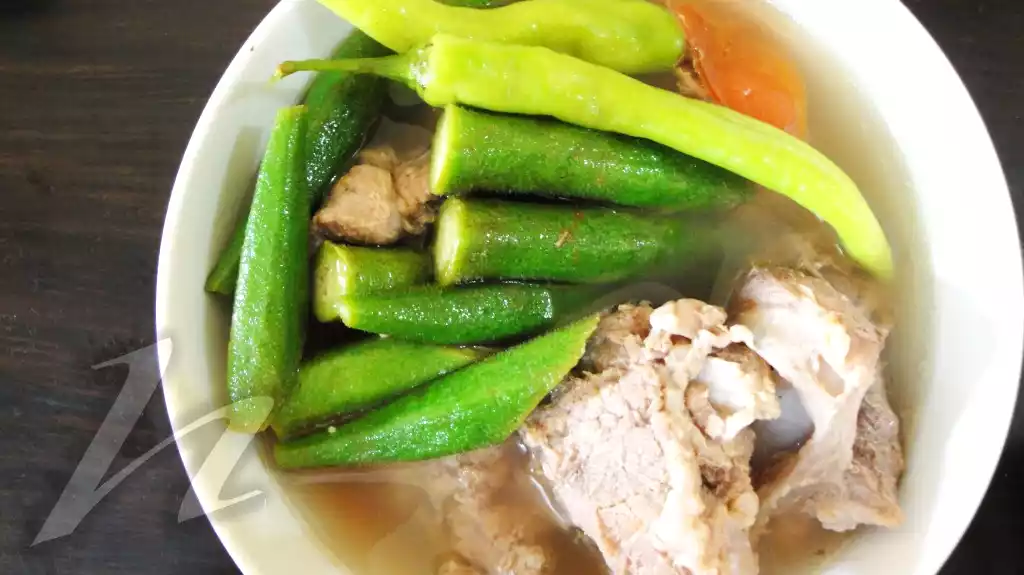
Credit: en.petitchef.com
Frequently Asked Questions
What Is Tamarind Broth Used For In Stew?
Tamarind broth adds a tangy and slightly sweet flavor to stew. It enhances taste and balances spices, making the dish unique and delicious.
How Do You Make Tamarind Broth For Stew?
Soak tamarind pulp in warm water, then strain to extract juice. Use this broth as the stew base for a rich, tangy flavor.
Can Tamarind Broth Be Substituted In Other Recipes?
Yes, tamarind broth works well in soups, sauces, and curries. It adds a distinctive sour note that complements many dishes.
Is Tamarind Broth Healthy In Stews?
Tamarind is rich in antioxidants, vitamins, and minerals. It supports digestion and adds nutritional value to your stew without extra fat or calories.
Conclusion
Tamarind broth adds a unique sour taste to stew. It makes the dish rich and full of flavor. This stew is easy to cook and satisfying to eat. Serve it hot with rice or bread for best results. Try this recipe to enjoy a different, tasty meal.
Simple ingredients can create something special. Give your taste buds a new experience today.

Hi, I’m Daniel Brooks—a food lover and kitchen gear enthusiast. I enjoy testing cookware, utensils, and gadgets to see what really works in everyday cooking. At PlugChef.com, I share honest reviews, comparisons, and simple guides to help you choose the best tools for a safer, smarter, and more enjoyable kitchen.
Related posts:
 What Type of Cooking Utensils are Safe: Expert Picks
 What Innovations Could Blenders Make: Unleashing Future Tech
 Smart Strategies to Organize a Small Kitchen: Maximize Space
 How to Organize a Kitchen Cabinet: Expert Tips & Tricks
 How to Organize Kitchen Drawers: Expert Tips and Tricks
 How to Organize a Corner Kitchen Cupboard: Expert Tips

