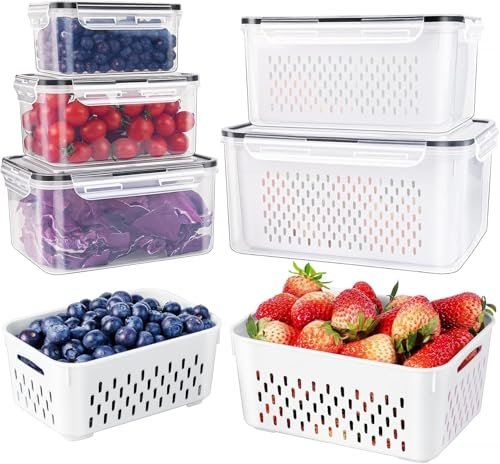
Fresh produce is a staple of a healthy diet, but the average U.S. household throws away nearly 30% of the fresh vegetables and fruit they buy each year, according to the U.S. Department of Agriculture (USDA). A huge share of that waste comes from spoilage caused by improper storage: excess moisture, ethylene gas buildup, and air exposure all speed up rotting, sogginess, and nutrient loss in vegetables. Specialized food storage containers for vegetables solve these problems by managing humidity, blocking ethylene, and keeping produce organized so you never lose track of what’s in your fridge. This guide breaks down the key features to prioritize when shopping, reviews top-rated options for every household size and need, and shares best practices for storing different vegetable types to cut waste and keep your produce crisp for longer. Building low-waste kitchen habits starts with small, high-impact changes like upgrading your storage solutions.
Why Vegetable Storage Containers Matter
Standard plastic bags and generic food containers do little to address the core causes of produce spoilage. When vegetables are stored in loose bags, excess moisture from washing or natural condensation gets trapped, creating the perfect environment for mold and bacteria that cause sogginess and rot. Many vegetables also emit ethylene gas as they ripen, which accelerates the spoilage of ethylene-sensitive produce like leafy greens, berries, and carrots when stored in unventilated spaces. Specialized vegetable storage containers are designed to mitigate these issues: they manage moisture levels, control ethylene exposure, and keep produce visible and accessible so you never forget about half-used ingredients in the back of the fridge. In practice, using targeted produce storage can extend the life of fresh vegetables by 3–10 days compared to loose storage, per USDA guidance, saving the average household hundreds of dollars on groceries annually. For more on this, see our guide on 10 glass food storage containers with bamboo lids.
Key Features to Look for in High-Quality Vegetable Storage Containers
Not all produce containers are built the same. Prioritize these features to find a set that matches your cooking habits and fridge layout:
Material Safety
Look for containers made from BPA-free food-grade plastic, food-grade silicone, or non-porous glass. BPA (bisphenol A) is a chemical used in some plastics that can leach into acidic produce like tomatoes, citrus, or pickled vegetables when exposed to heat or wear over time, per U.S. Food and Drug Administration (FDA) guidance. Phthalate-free silicone and glass are non-porous, so they won’t hold odors from strong-smelling produce like onions or garlic, making them a great choice for households that store a wide variety of ingredients.
Moisture Management
Removable colanders, vented lids, and built-in absorbent pads are game-changers for produce storage. Excess moisture is the top cause of mold on leafy greens and berries, so containers that let you wash and drain produce directly before sealing eliminate the sogginess that leads to spoilage. For produce that needs higher humidity, like carrots and celery, look for airtight seals that lock in moisture without trapping excess water.
Ethylene Control
If you store a mix of ethylene-emitting produce (tomatoes, apples, bananas, avocados) and ethylene-sensitive produce (leafy greens, broccoli, carrots, berries), look for containers with built-in ethylene-absorbing filters. These filters trap ethylene gas before it can speed up ripening and rotting of sensitive ingredients.
Seal Type
Airtight seals lock in consistent humidity for produce that needs it to stay crisp, like carrots, celery, and bell peppers. Leakproof seals are better for juicy or marinated produce like cut watermelon, pickled cucumbers, or marinated vegetables, as they prevent spills from seeping into fridge shelves.
Stackability and Size
Stackable, modular designs maximize vertical fridge space, which is critical for small fridges or large households. Standard fridge shelves are 12–14 inches deep, so avoid containers deeper than that to prevent them from jutting out and blocking air circulation. Measure your fridge shelves and door bins before buying to ensure a proper fit.
Ease of Cleaning
Dishwasher-safe containers save time, but avoid designs with intricate crevices or hard-to-reach corners where mold and bacteria can grow over time. Smooth, seamless designs are the easiest to keep clean between uses.
Top Vegetable Storage Containers for Every Kitchen Need
We evaluated dozens of popular produce storage sets to find the best options for every household size, fridge layout, and produce preference:
5 Pcs Large Fruit Containers for Fridge: Best for Bulk Produce and Meal Prep
 These stackable containers include integrated colanders for washing and draining produce directly before storage.
This 5-piece set is ideal for households that buy produce in bulk, garden fresh vegetables, or meal prep chopped ingredients for the week. Each container measures 6.3 inches tall, 9 inches wide, and 10.6 inches long, offering ample space for storing bulk greens, chopped carrots, berries, or even marinated vegetables. The leakproof seal prevents spills from juicy produce like cut watermelon or tomatoes, keeping your fridge shelves clean, while the removable colander lets you wash and drain produce directly in the container, no extra kitchen tools required.
These stackable containers include integrated colanders for washing and draining produce directly before storage.
This 5-piece set is ideal for households that buy produce in bulk, garden fresh vegetables, or meal prep chopped ingredients for the week. Each container measures 6.3 inches tall, 9 inches wide, and 10.6 inches long, offering ample space for storing bulk greens, chopped carrots, berries, or even marinated vegetables. The leakproof seal prevents spills from juicy produce like cut watermelon or tomatoes, keeping your fridge shelves clean, while the removable colander lets you wash and drain produce directly in the container, no extra kitchen tools required.
Pros
- Leakproof design eliminates messy spills from juicy produce
- Removable colander simplifies washing and draining
- Dishwasher and microwave safe for easy cleaning and reheating
- Transparent design lets you see contents at a glance to reduce waste
Cons
- 10.6-inch length may not fit narrow side-by-side fridge doors or shallow shelves
- Transparent plastic can show stains from beets or tomato sauce over time If you regularly buy produce in bulk or meal prep chopped vegetables for the week, this 5-piece set delivers the capacity and leakproof design to keep your ingredients fresh and your fridge mess-free.
Pomeat 10 Pack Fridge Organizer: Best for Small Fridges and Vertical Space
 Clear stackable bins let you categorize produce and use vertical fridge space efficiently.
This 10-pack set is perfect for small households or anyone with limited fridge real estate. Each bin is 3.9 inches tall, so you can stack 2–3 layers per shelf, increasing your produce storage capacity by 50% or more without taking up extra floor space. The clear BPA-free plastic lets you identify contents at a glance, so you don’t have to rummage through the fridge and let cold air out every time you’re looking for carrots. The included lids seal tightly to lock in freshness and prevent cross-contamination of odors, so your onions won’t make your berries taste like onion.
Clear stackable bins let you categorize produce and use vertical fridge space efficiently.
This 10-pack set is perfect for small households or anyone with limited fridge real estate. Each bin is 3.9 inches tall, so you can stack 2–3 layers per shelf, increasing your produce storage capacity by 50% or more without taking up extra floor space. The clear BPA-free plastic lets you identify contents at a glance, so you don’t have to rummage through the fridge and let cold air out every time you’re looking for carrots. The included lids seal tightly to lock in freshness and prevent cross-contamination of odors, so your onions won’t make your berries taste like onion.
Pros
- Stackable design maximizes vertical fridge space
- BPA-free material is safe for all produce types, including acidic vegetables
- Clear bins eliminate the need to open containers to check contents
- Lids prevent odor cross-contamination and lock in freshness
Cons
- 8-inch width may not fit slim fridge door shelves
- 3.52-pound total weight can be cumbersome when moving full bins Stackable designs are a game-changer for small kitchens, complementing other space-saving storage solutions you may already use to keep your entire kitchen tidy.
4 PCS Freshmage Fruit Storage Containers: Best for Small Households and Door Shelf Storage
 Compact airtight containers fit standard fridge door shelves for small households.
This 4-piece set is tailored for single people, couples, or small families who don’t need bulk storage. Each container measures 5.3 inches tall, 7.8 inches wide, and 9.6 inches long, making it small enough to fit in shallow fridge door shelves, which are often underutilized for produce storage. The airtight seal locks in humidity to keep crisp produce like carrots, celery, and bell peppers from drying out, while the removable colander lets you wash leafy greens and berries, then drain excess water before sealing to extend their life by 3–5 days compared to storing them in loose bags.
Compact airtight containers fit standard fridge door shelves for small households.
This 4-piece set is tailored for single people, couples, or small families who don’t need bulk storage. Each container measures 5.3 inches tall, 7.8 inches wide, and 9.6 inches long, making it small enough to fit in shallow fridge door shelves, which are often underutilized for produce storage. The airtight seal locks in humidity to keep crisp produce like carrots, celery, and bell peppers from drying out, while the removable colander lets you wash leafy greens and berries, then drain excess water before sealing to extend their life by 3–5 days compared to storing them in loose bags.
Pros
- Compact size fits standard fridge door shelves
- Airtight seal locks in humidity for crisp produce
- Removable colander simplifies washing and draining
- Dishwasher safe for easy cleaning
Cons
- Plastic material can hold odors from strong-smelling produce like onions if not washed regularly
- Not as shatterproof as glass options For households prioritizing food safety, BPA-free options eliminate the risk of chemical leaching, a key concern for anyone storing raw produce for fresh meal prep.
ZIJUND 14 Pack Fridge Organizer: Best for Large Households and Full Fridge Organization
 Large 14-pack sets let you assign separate bins to every produce category to eliminate clutter.
This 14-pack set is designed for large families, meal prep enthusiasts, or anyone who buys a wide variety of fresh produce each week. Each bin measures 3.9 inches tall, 8 inches wide, and 10.5 inches long, and the included lids seal tightly to prevent spills and odor cross-contamination. The stackable design lets you fit multiple layers per shelf, so you can assign separate bins to different produce categories: one for leafy greens, one for berries, one for root vegetables, one for herbs, and more. This eliminates the clutter of loose produce bags and makes it easy to see what you have on hand at a glance.
Large 14-pack sets let you assign separate bins to every produce category to eliminate clutter.
This 14-pack set is designed for large families, meal prep enthusiasts, or anyone who buys a wide variety of fresh produce each week. Each bin measures 3.9 inches tall, 8 inches wide, and 10.5 inches long, and the included lids seal tightly to prevent spills and odor cross-contamination. The stackable design lets you fit multiple layers per shelf, so you can assign separate bins to different produce categories: one for leafy greens, one for berries, one for root vegetables, one for herbs, and more. This eliminates the clutter of loose produce bags and makes it easy to see what you have on hand at a glance.
Pros
- 14 bins let you categorize every type of produce separately
- BPA-free material is safe for all food types
- Stackable design maximizes fridge space
- Lids prevent spills and odor cross-contamination
Cons
- Plastic is prone to cracking if stacked too high or dropped
- Clear material can scratch over time, reducing visibility Pairing these containers with full kitchen organization strategies will keep your entire cooking space tidy and efficient.
SOOPLEU Avocado Saver and Tomato Holder: Best for Irregular and Single-Serve Produce
 Flexible silicone holders are sized for irregular produce to prevent bruising and reduce waste.
This 4-piece set of flexible silicone holders is designed for irregularly shaped produce that doesn’t fit well in standard rectangular containers: avocados, tomatoes, lemons, onions, garlic, and small potatoes. The soft silicone walls conform to the shape of the produce, so it doesn’t roll around and get bruised in the fridge, extending its shelf life by several days. The set includes four different colors to help you categorize produce types at a glance, and the reusable design eliminates the need for single-use plastic produce bags, reducing your household waste.
Flexible silicone holders are sized for irregular produce to prevent bruising and reduce waste.
This 4-piece set of flexible silicone holders is designed for irregularly shaped produce that doesn’t fit well in standard rectangular containers: avocados, tomatoes, lemons, onions, garlic, and small potatoes. The soft silicone walls conform to the shape of the produce, so it doesn’t roll around and get bruised in the fridge, extending its shelf life by several days. The set includes four different colors to help you categorize produce types at a glance, and the reusable design eliminates the need for single-use plastic produce bags, reducing your household waste.
Pros
- Flexible design fits irregularly shaped produce to prevent bruising
- Reusable material reduces single-use plastic waste
- Compact size fits easily in any fridge shelf
- Color-coded design makes it easy to identify contents
Cons
- Too small for large produce like squash or melons
- Silicone can absorb strong odors from onions or garlic if not washed regularly If you’re looking to cut down on single-use plastics in your kitchen, these reusable holders are a simple, high-impact swap.
Ronanemon 3Pack Fridge Food Storage Container Set: Best for Quick Meal Prep
 Integrated strainer lids let you wash and drain produce directly in the container for quick meal prep.
This 3-piece set is perfect for people who meal prep a few days of meals at a time, rather than bulk prepping for the week. Each container comes with an integrated strainer lid, so you can wash produce directly in the container, then lift the strainer out to drain excess water before sealing, no extra colander or paper towels required. The BPA-free plastic is lightweight and shatterproof, and the compact size fits easily on any fridge shelf, even crowded ones. The airtight seal keeps prepped veggies like chopped lettuce, carrots, and berries fresh for 5–7 days.
Integrated strainer lids let you wash and drain produce directly in the container for quick meal prep.
This 3-piece set is perfect for people who meal prep a few days of meals at a time, rather than bulk prepping for the week. Each container comes with an integrated strainer lid, so you can wash produce directly in the container, then lift the strainer out to drain excess water before sealing, no extra colander or paper towels required. The BPA-free plastic is lightweight and shatterproof, and the compact size fits easily on any fridge shelf, even crowded ones. The airtight seal keeps prepped veggies like chopped lettuce, carrots, and berries fresh for 5–7 days.
Pros
- Integrated strainer lid simplifies washing and draining
- BPA-free material is safe for raw produce
- Compact size fits on any fridge shelf
- Airtight seal extends the life of prepped produce
Cons
- 3-piece set is too small for large families
- Clear plastic can stain from beets, tomato sauce, or other colorful produce For anyone who enjoys quick, low-fuss meal prep, this set cuts down on cleanup time and keeps your prepped ingredients fresh all week.
Generic Silicone Fruit and Vegetable Stretch Pods: Best for Flexible, Gap-Filling Storage
 Stretchable silicone pods fit into small fridge gaps and can be color-coded for easy identification.
These flexible silicone stretch pods are ideal for people with very small fridges, or who need to fit extra produce into tight gaps between other storage containers. The stretchy material conforms to the shape of the produce inside, creating a snug fit that reduces air exposure and extends freshness. The set includes four bright colors that you can use to categorize produce types: green for vegetables, red for fruit, yellow for citrus, and brown for root vegetables, so everyone in the household knows where to find what. The reusable design replaces single-use plastic bags and zipper bags, reducing household waste.
Stretchable silicone pods fit into small fridge gaps and can be color-coded for easy identification.
These flexible silicone stretch pods are ideal for people with very small fridges, or who need to fit extra produce into tight gaps between other storage containers. The stretchy material conforms to the shape of the produce inside, creating a snug fit that reduces air exposure and extends freshness. The set includes four bright colors that you can use to categorize produce types: green for vegetables, red for fruit, yellow for citrus, and brown for root vegetables, so everyone in the household knows where to find what. The reusable design replaces single-use plastic bags and zipper bags, reducing household waste.
Pros
- Flexible design fits into small fridge gaps between other containers
- Color-coded design makes it easy to identify contents
- Reusable material reduces single-use plastic waste
- Conforms to produce shape to reduce air exposure
Cons
- Not airtight, so not ideal for produce that needs high humidity to stay crisp
- Silicone can tear if stretched too far or exposed to sharp edges These pods are a great option for anyone looking to maximize every inch of their fridge space while reducing plastic waste.
5-Pack Fruit Storage Containers with Removable Colanders: Best for All-Purpose Produce Storage
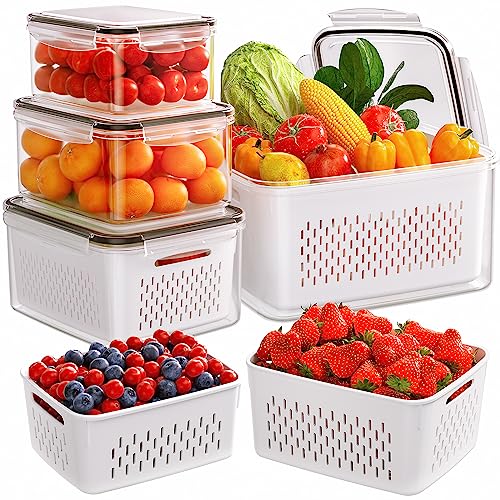 Leakproof 4-in-1 containers are ideal for storing cut produce, salads, and marinated vegetables.
This 5-piece set is a versatile all-purpose option for any kitchen. Each container comes with a removable colander for washing and draining produce, and the leakproof seal prevents spills from juicy or marinated items. The stackable design lets you maximize fridge space, and the containers are large enough to store everything from whole fruits and vegetables to chopped salads, berries, and even raw meat for meal prep. The BPA-free plastic is safe for all food types, and the clear design lets you see contents at a glance.
Leakproof 4-in-1 containers are ideal for storing cut produce, salads, and marinated vegetables.
This 5-piece set is a versatile all-purpose option for any kitchen. Each container comes with a removable colander for washing and draining produce, and the leakproof seal prevents spills from juicy or marinated items. The stackable design lets you maximize fridge space, and the containers are large enough to store everything from whole fruits and vegetables to chopped salads, berries, and even raw meat for meal prep. The BPA-free plastic is safe for all food types, and the clear design lets you see contents at a glance.
Pros
- Removable colander simplifies washing and draining
- Leakproof design prevents messy spills
- Stackable design maximizes fridge space
- Versatile enough for produce, salads, and even raw meat
Cons
- Large size may not fit in small or narrow fridges
- Full containers can be heavy to lift If you need a single set that can handle all your produce storage needs, this versatile 5-pack is a reliable, budget-friendly option.
6 Pcs Large Fruit Containers for Fridge: Best for Extra Large Families and Bulk Storage
 Large capacity containers are perfect for bulk produce storage or meal prepped ingredients for the week.
This 6-piece set is the largest option on our list, designed for extra-large families, households that garden fresh produce, or anyone who buys groceries in bulk to save money. Each container is larger than the standard 5-piece sets, with extra depth to hold bulk items like entire heads of lettuce, large bunches of carrots, or family-sized portions of prepped vegetables. The leakproof seal and removable colander work the same as the smaller 5-piece set, and the containers are dishwasher and microwave safe for easy cleaning and reheating.
Large capacity containers are perfect for bulk produce storage or meal prepped ingredients for the week.
This 6-piece set is the largest option on our list, designed for extra-large families, households that garden fresh produce, or anyone who buys groceries in bulk to save money. Each container is larger than the standard 5-piece sets, with extra depth to hold bulk items like entire heads of lettuce, large bunches of carrots, or family-sized portions of prepped vegetables. The leakproof seal and removable colander work the same as the smaller 5-piece set, and the containers are dishwasher and microwave safe for easy cleaning and reheating.
Pros
- Extra large capacity for bulk produce storage
- Leakproof design and removable colander for easy prep
- Dishwasher and microwave safe
- Transparent design for easy content identification
Cons
- Large size may not fit in small or narrow fridges
- Full containers are heavy to lift and move For large households that want to cut down on grocery trips and reduce waste, this 6-piece set offers the capacity and durability to handle all your produce storage needs.
KEMETHY 5 Pack Fruit Storage Containers: Best for Lightweight, Everyday Use
 Lightweight BPA-free containers with airtight lids keep produce fresh without taking up much shelf space.
This 5-piece set is designed for everyday, low-effort produce storage. The lightweight BPA-free plastic is easy to lift and move, even when full, making it a great option for older adults or kids who help with kitchen tasks. The airtight lids seal tightly to lock in freshness, and the removable colanders let you wash and drain produce directly in the container. The compact size fits easily on any fridge shelf, and the set is dishwasher safe for easy cleaning.
Lightweight BPA-free containers with airtight lids keep produce fresh without taking up much shelf space.
This 5-piece set is designed for everyday, low-effort produce storage. The lightweight BPA-free plastic is easy to lift and move, even when full, making it a great option for older adults or kids who help with kitchen tasks. The airtight lids seal tightly to lock in freshness, and the removable colanders let you wash and drain produce directly in the container. The compact size fits easily on any fridge shelf, and the set is dishwasher safe for easy cleaning.
Pros
- Lightweight design is easy to handle for all ages
- Airtight lids lock in freshness for up to 7 days
- Removable colander simplifies prep
- Compact size fits on any fridge shelf
Cons
- 5-piece set may not be enough for large families
- Plastic is less durable than glass or silicone options This set is a great affordable option for anyone looking for a simple, reliable produce storage solution for everyday use.
Best Practices for Storing Different Vegetable Types
The right container can only do so much if you’re storing produce incorrectly. Follow these guidelines to extend the life of different vegetable types:
Leafy Greens (Lettuce, Spinach, Kale, Arugula)
Store washed and dried leafy greens in an airtight container with a dry paper towel tucked in the top to absorb excess moisture. Keep the container in the crisper drawer of your fridge, where temperatures are more consistent. This method keeps leafy greens crisp for 7–10 days, compared to 3–4 days when stored in loose plastic bags.
Root Vegetables (Carrots, Celery, Radishes, Parsnips)
Store unpeeled root vegetables in airtight containers with a damp paper towel to keep them hydrated, or in a container with ½ inch of water at the bottom for extra crispness. If you cut them, store in an airtight container with a removable colander to drain excess water and prevent sogginess.
Ethylene-Sensitive Produce (Berries, Broccoli, Cauliflower, Leafy Greens)
Store these produce types in containers with ethylene-absorbing filters, or keep them in a separate part of the fridge from ethylene emitters like tomatoes, apples, and bananas. Never store them in sealed plastic bags, as this traps ethylene gas and moisture, leading to mold within 2–3 days.
Ethylene-Producing Produce (Tomatoes, Avocados, Onions, Garlic)
Store whole, uncut tomatoes, avocados, onions, and garlic in well-ventilated containers (like the SOOPLEU silicone holders) at room temperature until ripe. Once cut, transfer to airtight containers in the fridge to extend their life by 3–5 days.
Herbs (Basil, Cilantro, Parsley, Mint)
Trim the stems of fresh herbs, wrap them in a damp paper towel, and store in a small airtight container in the fridge. Alternatively, place the stems in a small glass of water with a loose lid, like a flower vase, to keep them fresh for 2–3 weeks.
Common Vegetable Storage Mistakes to Avoid
Even with the right containers, these common errors can speed up produce spoilage:
- Storing produce wet: Always wash and thoroughly dry produce before storing it. Excess moisture is the top cause of mold and sogginess; use the removable colander in your container to drain all water before sealing.
- Overcrowding containers: Leave 1–2 inches of space between produce items in the container to allow for air circulation. Overcrowding traps ethylene gas and moisture, speeding up spoilage.
- Using the wrong container for the produce: Don’t store dry produce like onions and garlic in airtight containers, as trapped moisture will lead to mold. Don’t store high-humidity produce like washed berries in open containers, as they will dry out quickly.
- Storing containers in the fridge door: The fridge door is the warmest part of the fridge and experiences frequent temperature fluctuations every time you open it, which speeds up spoilage. Store produce containers on main shelves or in the crisper drawer instead.
- Skipping regular container cleaning: Empty and wash containers with warm, soapy water every week, especially if you store mold-prone produce like berries or leafy greens, to prevent cross-contamination of bacteria and mold.
Frequently Asked Questions
How do food storage containers keep vegetables fresh longer?
Specialized vegetable storage containers work by addressing the two main causes of produce spoilage: moisture buildup and ethylene gas accumulation. Containers with removable colanders let you drain excess water after washing, preventing sogginess and mold growth on leafy greens and berries. Airtight or leakproof seals lock in the right amount of humidity for produce that needs it, like carrots and celery, while vented lids or ethylene-absorbing filters release excess ethylene gas that speeds up ripening and rotting of sensitive produce. In practice, using the right container can extend the life of fresh vegetables by 3–10 days compared to storing them in loose plastic bags or regular containers, per USDA guidance.
Are BPA-free food storage containers safer for vegetables?
Yes, BPA-free containers are the safer choice for produce storage, especially for acidic vegetables like tomatoes, citrus, or vinegar-based pickled veggies. BPA (bisphenol A) is a chemical used in some plastics that can leach into food when exposed to heat, acid, or wear and tear over time. The U.S. Food and Drug Administration (FDA) has evaluated BPA exposure and determined it is safe at current levels, but many consumers opt for BPA-free containers for added peace of mind, especially for produce that’s eaten raw. Look for containers labeled "BPA-free" and also free of phthalates and other harmful chemicals for the safest storage.
Can I microwave vegetable storage containers?
Most food-grade plastic, glass, and silicone vegetable storage containers are microwave safe, but you should always check the manufacturer’s instructions first before heating. Containers with metal components, like some lid seals, are not microwave safe. When microwaving, remove the lid (or loosen it to vent steam) to prevent pressure buildup, which can cause the container to warp or explode. Glass and silicone containers are the most durable for repeated microwave use, as they don’t absorb odors or stain as easily as plastic.
Do I need different containers for different types of vegetables?
While you can use a single container for multiple types of produce, using specialized containers for different veggie categories will extend their shelf life significantly. For example, store high-moisture produce like washed berries and leafy greens in airtight containers with a paper towel to absorb excess water, store dry produce like onions and garlic in ventilated containers, and store ethylene-sensitive produce like carrots and broccoli in containers with ethylene filters, separate from ethylene emitters like tomatoes and apples. The flexible silicone stretch pods are a great all-purpose option for irregular or single-serve produce that doesn’t fit in standard rectangular containers.
How do stackable fridge bins optimize fridge space?
Stackable fridge bins maximize vertical space in your refrigerator, which is often underutilized. Most standard refrigerators have 3–5 shelves with 12–14 inches of depth, and stackable bins let you store two or three layers of produce per shelf, increasing your storage capacity by 50% or more without taking up extra floor space. Clear bins also let you see contents at a glance, so you don’t have to rummage through the fridge, which reduces cold air loss and keeps other produce fresh longer. Look for stackable bins with interlocking edges to prevent them from sliding off each other when you open the fridge door.
Final Thoughts
Choosing the right food storage containers for vegetables is one of the simplest, most high-impact changes you can make to reduce household food waste, save money on groceries, and enjoy fresher, more nutritious produce all week long. The best option for your kitchen depends on your household size, fridge layout, and produce preferences:
- Small households or those with limited fridge space will benefit most from compact, door-shelf-friendly sets like the 4-piece Freshmage containers or flexible silicone stretch pods.
- Large families or bulk shoppers will get the most value from high-capacity sets like the 6-piece large containers or 14-piece stackable bin sets.
- Anyone looking to reduce single-use plastic waste will love reusable silicone options like the SOOPLEU produce holders or stretch pods. No matter your needs, prioritize BPA-free materials, easy-to-clean designs, and features that match the types of produce you buy most often. Invest in a set of specialized vegetable storage containers today to cut down on food waste, save money on groceries, and enjoy crisp, fresh produce for longer.

Hi, I’m Daniel Brooks—a food lover and kitchen gear enthusiast. I enjoy testing cookware, utensils, and gadgets to see what really works in everyday cooking. At PlugChef.com, I share honest reviews, comparisons, and simple guides to help you choose the best tools for a safer, smarter, and more enjoyable kitchen.
Related posts:
 Small Kitchen Appliance Cover Sets: Protect & Organize Your Culinary Space
 Sam’s Club Kitchen Appliances: Must-Have Kids Play Kitchen Accessories Set
 Kitchen Appliance Bundles on Sale: Transform Your Cooking Experience Today
 Best Kitchen Knives Sets for Precision, Durability, and Stylish Cooking
 Best Tool for Slicing Vegetables: Durable Stainless Steel Onion Holder Guide
 Best Tools for Baking Bread: Essential Kits for Perfect Artisan Loaves