
Have you ever wondered how to bring dried mushrooms back to life with rich, deep flavors? Cooking dried mushrooms might seem tricky, but once you learn the simple steps, you’ll unlock a whole new world of taste for your meals.
Imagine adding a burst of earthy goodness to your soups, sauces, and stir-fries—all from a humble packet of dried mushrooms. Stick with me, and I’ll show you exactly how to soak, cook, and use dried mushrooms so your dishes stand out every time.
Ready to transform your cooking? Let’s dive in.
Credit: jipbapmama.medium.com
Choosing The Right Dried Mushrooms
Choosing the right dried mushrooms impacts the taste and texture of your dish. Different dried mushrooms offer unique flavors and aromas. Picking good quality mushrooms ensures a better cooking experience. Knowing where to buy helps you find fresh and authentic products.
Types Of Dried Mushrooms
Dried mushrooms come in many varieties. Porcini mushrooms have a rich, earthy flavor. Shiitake mushrooms add a smoky, savory taste. Morels provide a deep, nutty aroma. Chanterelles offer a fruity and slightly peppery note. Each type suits different recipes and cooking styles.
Quality Indicators
- Look for whole or large pieces, not powder or small fragments.
- Check the color; it should be natural and vibrant, not dull or faded.
- Smell the mushrooms; a fresh earthy scent means good quality.
- Avoid mushrooms with mold, moisture, or strange odors.
- Ensure the texture is firm, not brittle or crumbly.
Where To Buy
Specialty food stores often carry a good range of dried mushrooms. Asian markets usually stock shiitake and other popular varieties. Online stores offer a wide selection with detailed descriptions. Farmers’ markets sometimes have locally dried mushrooms. Buy from trusted sellers to ensure freshness and quality.

Credit: www.lacucinaitaliana.com
Preparing Dried Mushrooms
Preparing dried mushrooms properly is key to unlocking their full flavor and texture. The process involves more than just soaking them in water. How you clean, soak, and rehydrate these mushrooms can make a big difference in your dish’s final taste and appearance.
Cleaning Techniques
Dried mushrooms often carry bits of dirt or grit from the drying process. You can’t just rinse them under running water because they absorb moisture quickly. Instead, gently brush off any visible dirt with a soft brush or a dry paper towel before soaking.
If you notice stubborn debris, you might give them a quick rinse, but do this carefully and briefly to avoid saturating them prematurely. Taking these small steps helps keep your soaking liquid clean and prevents gritty textures in your meal.
Soaking Methods
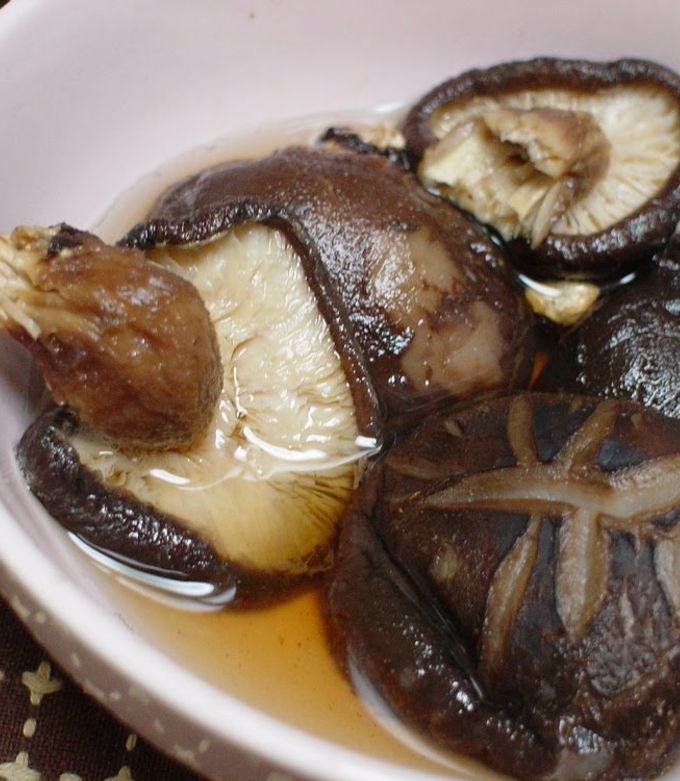
Soaking dried mushrooms is essential to bring back their original softness. Use warm water instead of cold; it speeds up the process and encourages better flavor release. Avoid hot water, which can make mushrooms tough or rubbery.
Submerge the mushrooms fully and cover them with a plate or lid to keep them submerged. Depending on the mushroom type, soaking time can vary from 20 minutes to an hour. Have you ever tasted broth from soaking mushrooms? It’s packed with umami and perfect for soups or sauces.
Rehydration Tips
After soaking, drain the mushrooms but keep the soaking liquid. Strain it through a fine sieve or coffee filter to remove any grit. This liquid is a treasure trove of flavor that you can use to enhance your dishes.
Pat the mushrooms dry gently with paper towels before cooking to avoid excess water diluting your recipe. If you want firmer mushrooms, soak them for less time; softer textures come with longer soaking. Have you tried sautéing rehydrated mushrooms with garlic and butter? It’s a simple way to test if they’re perfectly rehydrated.
Enhancing Mushroom Flavor
Soaking dried mushrooms in warm water brings out their deep, rich taste. Cooking them slowly helps release full flavor and enhances any dish. Using the soaking liquid adds extra mushroom goodness to soups and sauces.
Enhancing Mushroom Flavor Dried mushrooms are a pantry staple that can elevate your dishes with their rich and earthy flavors. But how do you maximize their potential? The secret lies in enhancing their natural taste with the right techniques. By using broth, seasonings, fresh ingredients, and aromatics, you can transform simple dried mushrooms into a gourmet experience. Let’s dive into some practical tips to make your mushrooms unforgettable.Using Broth And Seasonings
Rehydrating dried mushrooms in broth instead of water can significantly boost their flavor. A vegetable or chicken broth adds depth and richness that plain water simply cannot. Once rehydrated, season them with salt, pepper, and your favorite herbs to enhance their natural umami. Consider adding soy sauce, balsamic vinegar, or even a touch of white wine for an extra layer of complexity. Each seasoning brings out different notes in the mushrooms, making every bite a new experience. Have you tried experimenting with smoked paprika or garlic powder? You might be surprised at how these simple additions can amplify the taste.Combining With Fresh Ingredients
Pairing dried mushrooms with fresh ingredients can create a delightful contrast in texture and flavor. Think about adding fresh mushrooms to your dish for a variety of textures. The combination of rehydrated dried mushrooms with fresh ones can make a simple sauté feel luxurious. Fresh herbs like parsley or thyme can brighten the dish and complement the earthiness of the mushrooms. A squeeze of lemon or a sprinkle of fresh parmesan can provide a refreshing finish. How do you like to balance flavors in your dishes?Cooking With Aromatics
Aromatics are your best friends when it comes to cooking dried mushrooms. Sauté onions, garlic, or shallots in a bit of olive oil before adding the mushrooms to the pan. The aroma will envelop your kitchen, setting the stage for a mouthwatering meal. Consider adding ginger or lemongrass for an Asian twist, or rosemary and sage for an Italian flair. The right aromatics can transform a simple mushroom dish into something truly special. What combination of aromatics do you think pairs best with your favorite mushroom recipe? By thoughtfully enhancing the flavor of dried mushrooms, you’re not just cooking a meal—you’re creating an experience. So next time you’re planning a dish, think about how you can take your mushrooms to the next level. Happy cooking!Cooking Methods For Dried Mushrooms
Cooking dried mushrooms can elevate your dishes with deep, earthy flavors that fresh mushrooms sometimes lack. Knowing the right cooking methods helps you unlock their full potential and texture. Here are some practical ways to cook dried mushrooms effectively, each offering a unique taste experience.
Sautéing
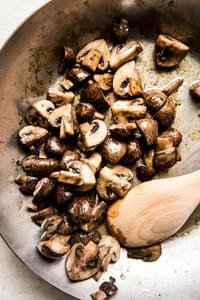
Sautéing dried mushrooms after soaking them brings out their rich, concentrated flavor. Start by rehydrating your mushrooms in warm water for 20-30 minutes, then drain and pat them dry.
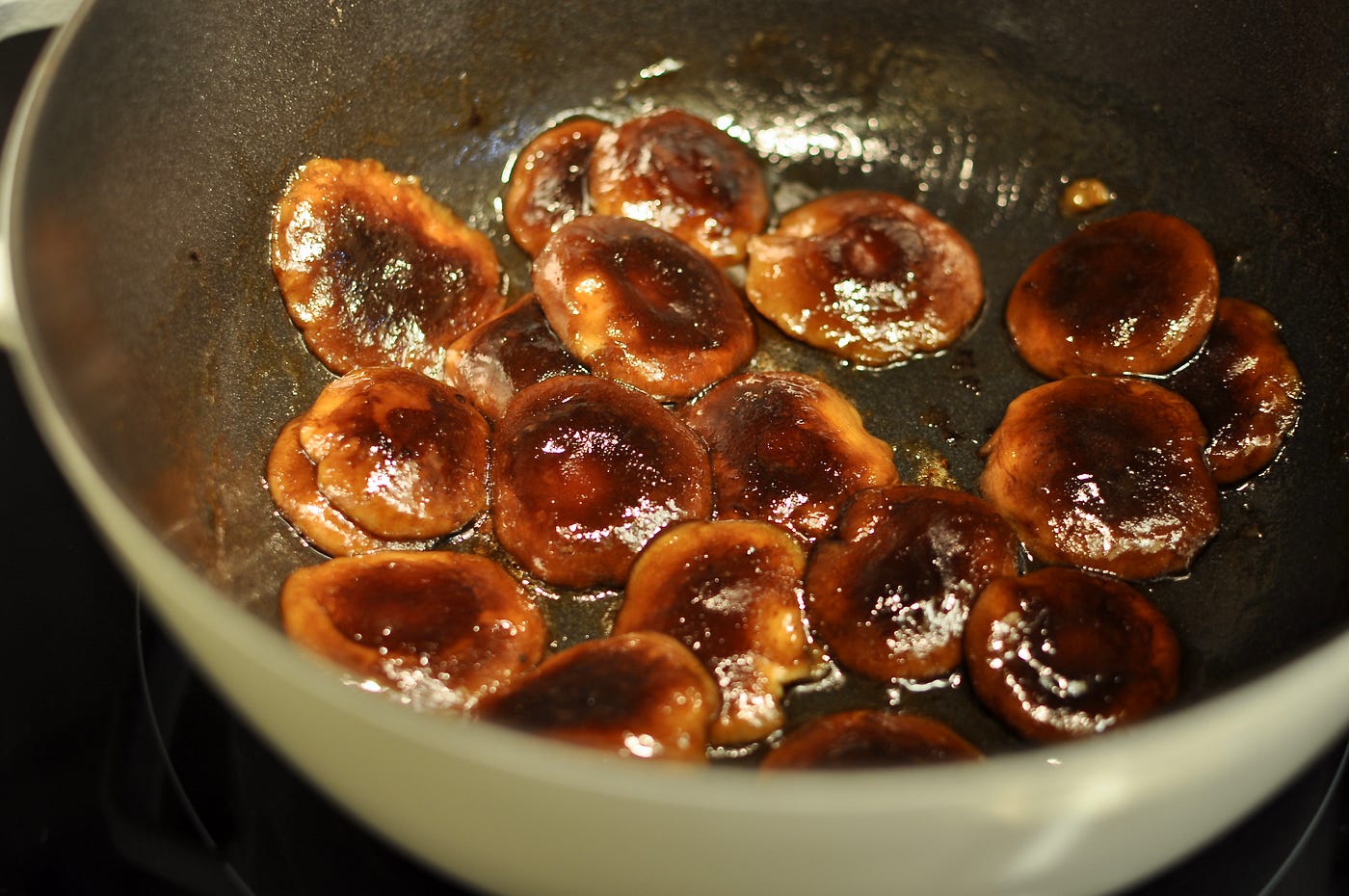
Heat a bit of oil or butter in a pan, then add the mushrooms. Cook on medium-high heat until they turn golden and slightly crispy around the edges, about 5-7 minutes.
This method works well if you want mushrooms to be a main part of your dish, giving you a satisfying texture and a burst of umami. Ever noticed how sautéed mushrooms add depth to a simple pasta?
Simmering In Soups And Stews
Dried mushrooms are perfect for soups and stews because they release their flavor slowly into the broth. After soaking, add the mushrooms along with their soaking liquid to your pot for an intense mushroom broth.
Simmer gently for at least 30 minutes to let the mushrooms soften and the flavors blend. This method transforms a basic soup into a hearty, aromatic experience.
Think about the last time you had a mushroom soup that tasted like it simmered all day—that’s the magic of dried mushrooms in action.
Roasting And Grilling
Roasting or grilling dried mushrooms might sound unusual, but it’s a fantastic way to bring out smoky and nutty notes. After soaking and drying them thoroughly, toss the mushrooms with olive oil, salt, and herbs.
Place them on a grill or in a hot oven for 10-15 minutes, turning occasionally until they’re slightly charred and fragrant. This method adds a bold flavor that can transform salads or side dishes.
Have you tried grilled mushrooms that actually taste like they belong on a BBQ? This technique might surprise you with its rich complexity.
Storing And Preserving Dried Mushrooms
Storing and preserving dried mushrooms correctly keeps their flavor and texture intact. Proper storage helps avoid moisture and pests. It also prevents the mushrooms from losing aroma or becoming brittle.
Proper Storage Techniques
Keep dried mushrooms in airtight containers. Glass jars with tight lids work well. Store them in a cool, dark place away from sunlight. Avoid plastic bags unless sealed tightly. Moisture is the biggest enemy, so make sure containers are dry before use.
Extending Shelf Life
To extend shelf life, check mushrooms regularly for moisture. If you see any clumping, dry them again. Use silica gel packets or dry rice in the container to absorb humidity. Keep the storage area dry and cool. Properly stored dried mushrooms can last up to a year or more.
Freezing And Drying Again
Freezing dried mushrooms can preserve them longer. Place them in freezer-safe bags with air removed. Thaw slowly at room temperature before use. Mushrooms can also be dried again if they absorb moisture. Spread them out on a tray and dry in a low-temperature oven or dehydrator until crisp.
Credit: cookpad.com
Common Mistakes To Avoid
Cooking dried mushrooms can add rich flavor and texture to dishes. Avoiding common mistakes ensures the best results. Many beginners make simple errors that affect taste and texture. Knowing what to avoid helps you cook mushrooms perfectly every time.
Over-soaking
Soaking mushrooms too long makes them mushy and weak in flavor. Usually, 20 to 30 minutes is enough to rehydrate them. Over-soaking breaks down their texture and removes natural taste. Use cool or warm water and check mushrooms often during soaking.
Ignoring Soaking Liquid
The soaking liquid is full of mushroom flavor. Throwing it away wastes a tasty ingredient. Strain the liquid to remove dirt or grit. Use it in soups, sauces, or risottos to boost flavor. Ignoring this step misses a chance to enhance your dish.
Cooking At High Heat
High heat cooks dried mushrooms too fast and unevenly. This makes them tough or burnt outside and raw inside. Use medium or medium-low heat for gentle cooking. It helps mushrooms release flavor and stay tender. Stir often to cook them evenly.
Frequently Asked Questions
How Do You Rehydrate Dried Mushrooms Quickly?
To rehydrate dried mushrooms, soak them in warm water for 20-30 minutes. This softens the texture and enhances flavor. Avoid boiling as it may make mushrooms rubbery. After soaking, drain and use the soaking liquid to add extra taste to your dish.
Can You Cook Dried Mushrooms Without Soaking Them?
Cooking dried mushrooms without soaking is possible but not recommended. Soaking improves texture and releases flavor. Using dry mushrooms may result in uneven cooking and a tough bite. For best taste and softness, always rehydrate dried mushrooms before cooking.
What Dishes Are Best With Dried Mushrooms?
Dried mushrooms are ideal for soups, risottos, stews, and sauces. Their intense flavor enhances savory dishes. They also work well in pasta and stuffing recipes. Use the soaking liquid for extra umami. Dried mushrooms add a rich, earthy taste to many meals.
How Long Can Dried Mushrooms Be Stored?
Dried mushrooms can be stored for up to one year in a cool, dry place. Keep them in an airtight container to maintain freshness. Avoid moisture and direct sunlight. Proper storage preserves flavor and texture for future cooking use.
Conclusion
Cooking dried mushrooms is simple and brings great flavor to dishes. Soak them in warm water until soft. Use the soaking liquid to add taste to soups or sauces. Chop or slice mushrooms as needed for your recipe. Cook them gently to keep their texture and aroma.
Enjoy the rich, earthy flavors dried mushrooms offer. They work well in many meals, from pasta to stews. Try different types to find your favorite. Cooking dried mushrooms adds variety and depth to everyday cooking. Give it a try and enjoy the tasty results.

Hi, I’m Daniel Brooks—a food lover and kitchen gear enthusiast. I enjoy testing cookware, utensils, and gadgets to see what really works in everyday cooking. At PlugChef.com, I share honest reviews, comparisons, and simple guides to help you choose the best tools for a safer, smarter, and more enjoyable kitchen.
Related posts:
 What Type of Cooking Utensils are Safe: Expert Picks
 What Innovations Could Blenders Make: Unleashing Future Tech
 Smart Strategies to Organize a Small Kitchen: Maximize Space
 How to Organize a Kitchen Cabinet: Expert Tips & Tricks
 How to Organize Kitchen Drawers: Expert Tips and Tricks
 How to Organize a Corner Kitchen Cupboard: Expert Tips

