
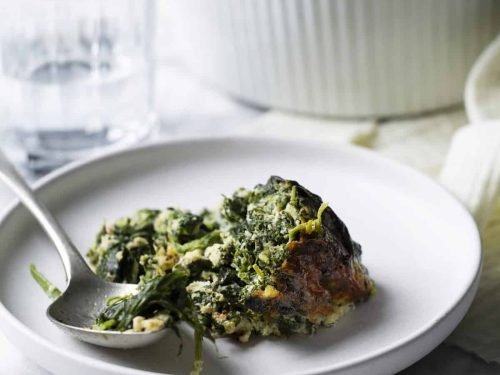
Spinach soufflé has a reputation for being finicky, but this fresh spinach version is approachable enough for beginner home cooks while impressive enough for dinner parties. Unlike frozen spinach alternatives, this recipe uses fresh, crisp leaves to deliver a bright, grassy flavor, no bitter aftertaste, and a light, airy texture that holds its rise for 10+ minutes on the table. Updated with 2026 best practices from professional bakers and food safety experts, this guide walks you through every step to avoid common pitfalls like deflation, sogginess, or dense, rubbery results. Whether you’re serving it for brunch, a weeknight side, or as a vegetarian main, this light, fluffy, and delicious fresh spinach soufflé is sure to become a staple in your rotation.
 Freshly baked spinach souffle with a tall, airy rise, ready to serve.
Credit: www.tasteofhome.com
Freshly baked spinach souffle with a tall, airy rise, ready to serve.
Credit: www.tasteofhome.com
Why Fresh Spinach Is Non-Negotiable For This Recipe
Fresh spinach is the foundation of a standout soufflé, and it outperforms frozen varieties in three key ways. First, frozen spinach is blanched before freezing, a process that breaks down cell walls and releases excess water when cooked, leading to a soggy, dense soufflé if not drained aggressively. Second, frozen spinach often has a muted, slightly bitter aftertaste from the freezing and storage process, while fresh spinach has a bright, slightly sweet, grassy flavor that shines in this delicate dish. Third, fresh spinach retains higher levels of heat-sensitive nutrients like vitamin C and folate compared to frozen varieties, which lose much of these during the blanching and freezing process, per the Academy of Nutrition and Dietetics produce nutrient retention guidance. For the lightest, most flavorful result, fresh spinach is always worth the extra prep step.
Equipment You’ll Need
Having the right tools on hand eliminates common mistakes and makes the soufflé process far smoother. You don’t need fancy equipment, but these specific items will guarantee the best results:
- 6-8 ounce straight-sided ceramic or glass soufflé ramekins: Straight sides give the soufflé room to climb vertically, while ceramic/glass distributes heat evenly to avoid hot spots that cause uneven rising. Avoid deep casserole dishes, which will lead to a flat, undercooked soufflé.
- Stand mixer or hand mixer with whisk attachment: For whipping egg whites quickly and consistently.
- Fine mesh strainer: For removing grit from washed spinach.
- Salad spinner or clean kitchen towels: For drying spinach thoroughly to avoid excess moisture.
- Rubber spatula: For folding egg whites gently without deflating them.
- Oven thermometer: Most home ovens are off by 10-25°F, which is enough to collapse a soufflé; this ensures your oven is at the correct 350°F (175°C) setting.
- Fresh nutmeg grater: Pre-ground nutmeg loses its flavor quickly; freshly grated adds a warm, subtle depth that complements the spinach perfectly.
Selecting and Prepping Fresh Spinach
Properly prepping your spinach is the difference between a grit-free, vibrant soufflé and one with a sandy texture or muted flavor. Follow these steps for perfect results every time.
How to Pick the Perfect Bunch
Opt for crisp, bright green leaves with no yellowing, wilting, or dark brown spots. Baby spinach has a mild, tender texture ideal for a subtle soufflé, while mature flat-leaf spinach has a more robust, earthy flavor that stands up better to bold seasonings like garlic and nutmeg. Avoid pre-bagged spinach that feels slimy or has a sour smell—these are signs of spoilage that will ruin your soufflé’s flavor. Check the stems: thin, flexible stems indicate freshness, while thick, brittle, or woody stems mean the spinach is older and more fibrous. If you’re using mature spinach, trim off any tough stem sections before chopping to avoid chewy bits in your finished soufflé.
Washing and De-Gritting
Even pre-washed “triple-washed” spinach often has residual sand and dirt trapped in its folds, so a thorough wash is non-negotiable. Fill a large bowl with cold water, submerge the spinach, and swish it around to loosen grit. Lift the spinach out of the water (don’t pour the water out, as this redistributes settled grit back onto the leaves) and repeat the process 1-2 times until the water runs clear. Use a salad spinner or pat the leaves dry with clean kitchen towels to remove excess surface water, which will help the spinach sauté evenly without steaming.
Sautéing and Draining Excess Moisture
Fresh spinach has a high water content, and if not drained properly, that extra liquid will steam the soufflé base and weigh down the egg whites, leading to a dense, flat result. In practice, I’ve found that skipping this step is the most common cause of failed soufflés for first-time makers. Heat 1 tsp of unsalted butter or neutral oil in a large skillet over medium-high heat, add the spinach in batches, and sauté for 60-90 seconds, just until wilted but still bright vibrant green. Overcooking will make the spinach limp and dull, so remove it from the heat as soon as it’s tender. Transfer the sautéed spinach to a fine mesh strainer, then wrap it in a clean kitchen towel and squeeze firmly to remove as much liquid as possible. You should be able to squeeze out ¼ to ⅓ cup of water per 5 ounces of spinach—this step is the difference between a soufflé that rises 2 inches above the ramekin and one that barely puffs up.
Essential Ingredients: Breakdown and Swaps
Each component of this recipe plays a specific role in creating the soufflé’s signature light, airy texture and bright, savory flavor. We’ve included swap options for common dietary needs below.
Eggs: The Soufflé’s Structural Foundation
Eggs are the backbone of any soufflé: the yolks add richness and structure to the béchamel base, while the whipped whites provide the air pockets that create the light, fluffy rise. Use large, fresh eggs for the best results—older eggs have thinner whites that won’t whip to stiff peaks as reliably. Separate the eggs when they’re cold (this is easier to do without breaking yolks), then let the whites sit at room temperature for 15 minutes before whipping; room-temperature whites whip 2x faster and gain 20-30% more volume than cold whites. When working with raw eggs, follow USDA food safety guidelines to minimize risk of foodborne illness USDA egg safety guidance.
Dairy and Flavor Builders
Unsalted butter is the best choice for both the béchamel and sautéing spinach, as it lets you control the salt level of the dish. Whole milk creates a rich, creamy base without weighing down the soufflé, but 2% milk works well for a lighter version if you prefer. For cheese, Gruyère is the classic choice: it has a nutty, slightly sweet flavor that complements spinach perfectly, and melts smoothly without becoming gummy. Freshly grated Parmesan adds an extra hit of umami, but avoid pre-shredded cheese, which contains anti-caking agents that can make the béchamel grainy. If you’re dairy-free, you can swap in oat milk and vegan butter, but note that the rise may be slightly less tall, and you’ll want to add 1 tbsp of nutritional yeast for a similar savory depth.
Seasonings and Custom Add-Ins
Salt and freshly cracked black pepper are non-negotiable for balancing the spinach’s earthy flavor. A tiny grating of fresh nutmeg adds warm, subtle spice that elevates the entire dish—skip pre-ground nutmeg, which loses its flavor within weeks of grinding. For a little extra heat, add a pinch of cayenne pepper, or 1 tsp of fresh minced garlic for a brighter, more pungent flavor. Avoid heavy add-ins like cooked bacon or sausage, which will weigh down the soufflé and overpower the fresh spinach flavor. If you want to add extra veggies, finely chopped sautéed mushrooms or caramelized onions work well, as long as you drain them completely to avoid excess moisture.
Making the Silky Spinach Béchamel Base
The béchamel is the creamy foundation that holds the soufflé together, and a smooth, lump-free base is critical for a light, even texture. This step takes less than 10 minutes, and you can even make it up to 24 hours in advance if you’re prepping ahead. Melt 2 tbsp of unsalted butter in a small saucepan over medium heat. Whisk in 2 tbsp of all-purpose flour and cook for 1 minute, stirring constantly, until the mixture smells nutty and there’s no raw flour taste. Slowly pour in 1 cup of warm whole milk, whisking constantly to avoid lumps. Continue cooking, stirring frequently, until the mixture thickens enough to coat the back of a spoon, about 3-5 minutes. Remove the pan from the heat and stir in ¼ cup of grated Gruyère, ¼ tsp of salt, ¼ tsp of freshly cracked black pepper, and a tiny grating of fresh nutmeg. Let the béchamel cool for 5 minutes before adding the sautéed spinach—adding spinach to hot béchamel will cause it to release more moisture, which can make your soufflé soggy. Stir the drained, sautéed spinach into the cooled béchamel until evenly distributed, then set the base aside while you whip the egg whites. A common mistake is rushing the béchamel and turning up the heat too high, which causes the flour to burn and creates a grainy, bitter base. Keep the heat at medium and stir constantly for a smooth result.
Whipping Egg Whites for Maximum, Stable Lift
Properly whipped egg whites are what give the soufflé its signature airy, cloud-like texture, and a small mistake here can make the difference between a soufflé that rises 3 inches and one that barely puffs up.
The Importance of Clean Equipment
Even a tiny trace of oil, egg yolk, or detergent residue on your mixing bowl or beaters will prevent egg whites from whipping properly. If you’re unsure your bowl is clean, wipe it down with a little lemon juice or white vinegar before starting—this cuts through any residual grease and helps the whites whip faster.
Achieving Perfect Stiff Peaks
Add the room-temperature egg whites to the clean bowl, then beat on medium speed until they become foamy, about 1 minute. Add ¼ tsp of cream of tartar (or 1 tsp of lemon juice) to stabilize the foam, then increase the mixer speed to high. Beat until stiff, glossy peaks form: when you lift the beaters out of the whites, the peaks should stand straight up without drooping, and the bowl should be completely cool to the touch. This takes 3-5 minutes total.
Pro Tips for Stable Egg White Foam
- Don’t add sugar: this is a savory soufflé, and sugar will weigh down the egg whites and reduce their volume.
- Avoid overbeating: once stiff peaks form, stop mixing immediately. Overbeaten whites become dry and crumbly, and will break apart when folded into the base.
- Whip the whites just before you’re ready to fold them into the béchamel: egg whites start to deflate as soon as you stop mixing, so work quickly to preserve their air pockets.
Folding and Combining Without Deflating
Folding is the most delicate step of the soufflé process, and it’s where most first-time makers lose air from their egg whites, leading to a flat, dense result. The key is to work gently and efficiently, with the goal of incorporating the egg whites into the base without breaking the air pockets that create the rise. Start by stirring ⅓ of the whipped egg whites into the cooled spinach béchamel base to lighten the mixture. This initial step ensures the heavier base doesn’t sink the remaining whites when you fold them in. Add the rest of the egg whites in two batches, using a rubber spatula to cut straight down the center of the bowl, scrape the bottom, and fold the mixture over the top, turning the bowl as you go to incorporate all the whites. Fold just until no white streaks remain—this takes 15-20 folds max. Any more mixing will deflate the egg whites and ruin the rise. A common mistake is stirring the mixture instead of folding, which breaks the air bubbles and leads to a dense, flat soufflé. If you’re unsure whether you’ve mixed enough, it’s better to under-mix slightly than overdo it.
 Gentle folding of whipped egg whites into the spinach base to preserve air pockets for a tall, even rise.
Credit: food52.com
Gentle folding of whipped egg whites into the spinach base to preserve air pockets for a tall, even rise.
Credit: food52.com
Baking for the Perfect, Even Rise
Baking a soufflé requires minimal active time, but a few small, specific steps make all the difference in achieving a tall, even rise that holds its shape for serving.
Prepping Your Ramekins for Success
Generously butter the inside of each 6-8 ounce soufflé ramekin, making sure to coat the sides all the way up to the top. Dust the buttered ramekins with a thin layer of grated Parmesan cheese—this not only adds flavor, but also gives the soufflé something to climb as it rises, preventing it from sticking to the sides and collapsing. For extra height, run your thumb around the inside edge of the ramekin, ½ inch from the top, to create a small channel for the soufflé to rise through.
Optimal Oven Settings and Timing
Preheat your oven to 350°F (175°C), with the rack in the middle position. Use an oven thermometer to confirm the temperature: most home ovens are off by 10-25°F, and a temperature that’s too low will prevent the soufflé from setting properly, while a temperature that’s too high will cause it to rise too quickly and collapse. Turn off convection settings if your oven has them, as circulating air will dry out the soufflé and cause uneven rising. Pour the folded batter into the prepared ramekins, filling them just to the top (they will rise above the edge as they bake). Place the ramekins on a baking sheet to catch any drips, and bake for 25-30 minutes.
How to Tell When Your Soufflé Is Done
Do not open the oven door for the first 20 minutes of baking—sudden temperature drops will cause the air pockets in the egg whites to contract immediately, leading to collapse. After 20 minutes, you can quickly peek through the oven door (don’t open it fully) to check progress. The soufflé is done when the top is golden brown, the edges are slightly pulled away from the ramekin, and the center has a gentle jiggle when you nudge the ramekin. It will set fully as it rests on the counter for 2-3 minutes after coming out of the oven. A common mistake is overbaking, which dries out the soufflé and makes it tough instead of light and airy. If the top is golden but the center still feels liquid, bake for 1-2 more minutes, but keep a close eye on it to avoid burning.
 Cross-section of a perfectly cooked spinach souffle, highlighting its light, airy crumb and vibrant spinach color.
Credit: www.tasteofhome.com
Cross-section of a perfectly cooked spinach souffle, highlighting its light, airy crumb and vibrant spinach color.
Credit: www.tasteofhome.com
Serving, Pairing, and Storage Tips
This fresh spinach soufflé is best served immediately after baking, while it’s still tall and airy—soufflés begin to settle and deflate within 5-10 minutes of coming out of the oven, so time your meal prep accordingly.
Plating and Presentation Ideas
For a classic, impressive presentation, serve the soufflé directly in the ramekin it baked in, garnished with a sprinkle of extra grated Parmesan, a small sprig of fresh chives, or a tiny baby spinach leaf. For a more formal look, run a thin knife around the inside edge of the ramekin to loosen the soufflé, then invert it onto a clean white plate—the high contrast will make the vibrant green spinach and golden top pop. Always use a heat-resistant handle grip to avoid burns when moving the hot ramekin in and out of the oven heat-resistant handle grip. Place a non-slip kitchen mat on your counter near the oven to prevent slips when handling hot dishes non-slip kitchen flooring.
Complementary Side Dishes
The rich, savory flavor of the spinach soufflé pairs best with light, acidic sides that cut through its richness. Toss a simple arugula salad with lemon vinaigrette, or serve with roasted cherry tomatoes or steamed asparagus for a bright, fresh contrast. For a heartier meal, pair with roasted chicken, baked white fish, or a soft dinner roll to soak up any leftover béchamel. For a complete meal, pair the soufflé with a creamy plant-based appetizer like artichoke white bean dip to add brightness and richness creamy plant-based appetizer. If you’re making a homemade tomato coulis to serve alongside the soufflé, a quick electric can opener will make opening canned tomatoes fast and safe quick electric can opener.
Storing and Reheating Leftovers
Soufflés are best enjoyed fresh, but leftovers can be stored in an airtight container in the refrigerator for up to 2 days. To reheat, preheat your oven to 300°F (150°C), place the ramekin on a baking sheet, and heat for 5-7 minutes until warmed through. Avoid microwaving, as it will make the soufflé rubbery and dense. You can also freeze the unbaked béchamel and spinach base (before folding in egg whites) for up to 1 month. Thaw it in the fridge overnight, let it come to room temperature, then fold in freshly whipped egg whites and bake as directed for a quick, fresh soufflé any time.
Troubleshooting Common Soufflé Issues
Even experienced bakers run into soufflé issues from time to time. Below are the most common problems and their quick fixes:
Deflated Soufflé
If your soufflé rises then collapses immediately after coming out of the oven (or while baking), the cause is almost always one of three things:
- Under-whipped egg whites: if the peaks aren’t stiff and glossy, they won’t have enough structure to hold the soufflé’s weight. Whip to stiff peaks before folding.
- Overmixing during folding: stirring instead of folding breaks the air bubbles in the egg whites, so the soufflé can’t hold its rise. Fold gently, no more than 20 times.
- Opening the oven door in the first 20 minutes of baking: the sudden 25-50°F temperature drop causes the air pockets to contract and collapse immediately. Avoid opening the oven until at least 20 minutes have passed.
Dense or Rubbery Texture
A dense, heavy soufflé is usually caused by under-whipped egg whites, overmixing, or excess moisture in the spinach. Make sure to squeeze all excess liquid out of the sautéed spinach, whip the whites to stiff peaks, and fold minimally to preserve air pockets.
Watery or Soggy Center
An undercooked, watery center is almost always a sign of underbaking, or too much liquid in the base. Make sure to squeeze all excess water out of the spinach, and bake until the center has a gentle jiggle—it will set fully as it rests. If your oven runs cool, add 2-3 minutes to the baking time, and use an oven thermometer to confirm the temperature.
Uneven or Lopsided Rise
If your soufflé rises to one side or has a lopsided top, it’s likely due to uneven oven heat, or the ramekin not being buttered and dusted evenly. Rotate the ramekin 180 degrees halfway through baking (only after the first 20 minutes, to avoid temperature drops) to counteract hot spots, and make sure the entire inside of the ramekin is coated with butter and Parmesan before pouring in the batter.
Frequently Asked Questions
Can I use frozen spinach instead of fresh for this soufflé?
You can, but you’ll need to thaw it completely, squeeze out as much liquid as possible (frozen spinach releases far more water than fresh), and pat it dry before adding it to the béchamel. The flavor will be slightly more muted, and the texture may be less vibrant, but it works in a pinch. For the lightest, fluffiest result, fresh spinach is strongly recommended.
Can I make the soufflé base ahead of time?
Yes! The béchamel and spinach base can be made up to 24 hours in advance, stored covered in the refrigerator. Let it come to room temperature before folding in the egg whites and baking. Do not fold in the egg whites ahead of time, as they will deflate and ruin the rise.
Why did my soufflé rise then collapse immediately?
This is almost always due to one of three issues: under-whipped egg whites (they didn’t have enough structure to hold the rise), overmixing during folding (you broke the air bubbles), or opening the oven door in the first 20 minutes of baking (the sudden temperature drop causes the air bubbles to contract and collapse).
Can I make this soufflé vegan?
You can make a vegan version by swapping eggs for aquafaba (chickpea brine, whipped to stiff peaks) and using plant-based milk, vegan butter, and nutritional yeast instead of cheese. Note that vegan soufflés have a shorter rise time (15-20 minutes) and will deflate faster, so they must be served immediately.
What’s the best way to reheat leftover soufflé?
Avoid the microwave, as it will make the soufflé rubbery and dense. Instead, preheat your oven to 300°F (150°C), place the leftover ramekin on a baking sheet, and heat for 5-7 minutes until warmed through. Note that it will lose some of its original fluffiness, but it will still taste delicious.
Conclusion
Spinach soufflé with fresh spinach is far less intimidating than its reputation suggests, and the payoff of a light, fluffy, flavorful dish is well worth the small amount of active prep time. The key to success lies in three simple steps: thoroughly draining your sautéed spinach to avoid excess moisture, whipping egg whites to stiff, glossy peaks, and resisting the urge to open the oven door during the first 20 minutes of baking. Whether you’re serving it for a weekend brunch, a dinner party side, or a special weeknight meal, this recipe delivers impressive results every time. Give it a try, and enjoy a delicious, nutrient-packed dish that’s sure to impress even the most discerning guests.
Ready to pair your fluffy spinach soufflé with other crowd-pleasing dishes? Explore our collection of tested, family-approved recipes for every occasion.

I’m Abby Lu, a passionate home cook who loves simplifying everyday meals. At PlugChef.com, I share product reviews and cooking guides to help you find the best tools for your kitchen.
Related posts:
 How to Make a Fruit Basket for a Gift: Easy DIY Guide
 Do You Need a Basket? Essential Guide for Air Fryers
 How to Adjust Syrup Dispenser Pressure: Expert Tips
 Kitchen Cabinets With Black Appliances: Trendy Design Tips
 White Kitchen And Stainless Steel Appliances: A Perfect Duo
 Kitchen Colors With White Cabinets And White Appliances: Vibrant Ideas

