
Have you ever noticed the “Rinse and Hold” option on your dishwasher but weren’t sure when or why to use it? You’re not alone.
This simple feature can save you time, prevent odors, and keep your dishes fresh until you’re ready for a full wash. Understanding how and when to use “Rinse and Hold” can make your kitchen routine smoother and your dishwasher more efficient.
Keep reading to discover how this little-known setting can make a big difference in your daily dishwashing habits.
Rinse And Hold Cycle Basics
The rinse and hold cycle is a simple feature on many dishwashers. It helps keep your dirty dishes fresh until you run a full wash. This cycle uses less water and energy than a regular wash. It is useful when you are not ready to start a full cleaning yet.
This cycle prevents food from drying and sticking on your dishes. It rinses off loose food particles and stops odors. Using rinse and hold can make the full wash more effective later.
Purpose Of Rinse And Hold
The main purpose is to keep dishes fresh before washing. It stops food from hardening on plates and utensils. This cycle also prevents bad smells from building up inside the dishwasher.
It saves time during the full wash by pre-rinsing dishes. You can load dishes anytime and run the full cycle when ready. It is ideal for small loads or when waiting to gather more dirty dishes.
How It Works In Dishwashers
The rinse and hold cycle sprays water on the dishes to rinse off food. It uses less water and no detergent. The dishwasher then drains the water, leaving dishes damp but clean.
This cycle usually takes a few minutes. It keeps the dishwasher door closed to stop dirt and odors. The cycle stops before the main wash, ready for a full cleaning later.
Energy Impact Of Rinse And Hold
The energy impact of using the Rinse And Hold feature on your dishwasher is an important factor to consider if you’re aiming to save on your utility bills and reduce environmental footprint. This function is designed to rinse dishes lightly and prevent food from drying before you run a full wash cycle later. However, this convenience can influence your dishwasher’s overall energy consumption in ways you might not expect.
Energy Consumption Patterns
Rinse And Hold uses water and some energy to spray your dishes but does not heat the water as much as a full wash cycle does. This means it typically consumes less energy per use than a complete washing program. However, because it only rinses, you will need to run a full cycle later to properly clean your dishes, which adds to the total energy used.
Think about how often you use Rinse And Hold. If you rinse dishes multiple times before a full wash, the energy spent on several rinse cycles can add up quickly. On the other hand, if you rinse once and then run a full wash, the energy impact may be less significant.
Comparing With Regular Wash Cycles
Regular wash cycles use more energy because they heat water to higher temperatures and run longer. This ensures that dishes are thoroughly cleaned and sanitized. In contrast, Rinse And Hold is quicker and uses cooler water, so the immediate energy use is lower.
However, the real comparison comes down to your washing habits. Are you using Rinse And Hold as a shortcut to delay washing, or as a way to keep dishes fresh before running a full cycle? If you delay washing for too long, you might end up running multiple rinse cycles plus a full wash, which can consume more energy than just running a single wash cycle right away.
Have you ever considered whether rinsing dishes immediately saves energy in the long run, or if it might lead to more water and power usage overall? Evaluating your routine can help you find the most energy-efficient approach tailored to your needs.
When To Use Rinse And Hold
The Rinse And Hold feature on your dishwasher is designed for specific situations. It helps keep dishes fresh until you run a full wash cycle. Understanding when to use this option saves water and energy.
This feature is not for every load. Use it wisely to avoid wasting resources and time.
Ideal Situations For Activation
- When you have dirty dishes but no time for a full wash
- To prevent food from drying on plates before the next wash
- If you plan to run the dishwasher later the same day
- For rinsing lightly soiled dishes before storing them
- When you want to avoid bad smells from leftover food
Avoiding Unnecessary Usage
- Do not use it for heavily soiled dishes requiring a full wash
- Avoid activating it if you will wash dishes immediately
- Skipping this feature saves water when dishes can wait
- Do not rely on it as a substitute for regular washing
- Using it too often can waste energy and water

Credit: www.searshomeservices.com
Boosting Dishwasher Efficiency
Boosting your dishwasher’s efficiency doesn’t have to be complicated. Small changes can make a big difference in how well your machine cleans and how much energy it uses. Using the rinse and hold feature wisely is one of those simple steps that can save time and prevent buildup on your dishes, but pairing it with other smart habits takes efficiency even further.
Combining Rinse And Hold With Other Features
The rinse and hold setting is great for stopping food from drying on your dishes if you can’t run the dishwasher right away. But combining it with features like delayed start or eco-wash can save both water and electricity. For example, you can rinse and hold during the day, then set your dishwasher to run overnight on an energy-saving cycle.
Have you tried using the sanitize option alongside rinse and hold? It can kill bacteria effectively, especially if your dishes wait in the dishwasher for hours. These combinations reduce the need for re-washing and keep your dishes spotless.
Optimizing Load Size And Placement
How you load your dishwasher impacts its efficiency more than you might think. Filling it too much can block water jets, while running it half-empty wastes resources. Aim for a full load but avoid overcrowding to ensure every dish gets cleaned.
Place larger items on the sides and smaller ones in the middle to allow water to reach every surface. Position bowls and cups at an angle to prevent water pooling. These small adjustments help your rinse and hold setting work better and speed up the full wash cycle when it runs.
Tips To Save Energy
Rinsing dishes before placing them in the dishwasher saves energy by reducing the need for extra cleaning cycles. Holding off on pre-rinsing prevents water waste and lowers electricity use. This simple habit helps your dishwasher work more efficiently.
Saving energy with your dishwasher’s rinse and hold feature can be a game-changer for both your utility bills and the environment. By making small adjustments to your dishwashing routine, you can significantly reduce energy consumption without compromising on cleanliness. Let’s explore some simple yet effective tips to enhance energy efficiency in your kitchen.Smart Scheduling
Timing is everything. Run your dishwasher during off-peak hours when energy rates are lower. This not only saves money but also reduces the strain on the power grid. Consider washing dishes overnight. This helps you avoid high-demand periods and ensures your dishes are ready by morning. Utilize delay start features if available. This allows you to program your dishwasher to start at a convenient, energy-efficient time.Water Temperature Settings
Adjusting the water temperature can lead to significant energy savings. Set the dishwasher to use lower temperatures for a rinse and hold cycle. High temperatures aren’t necessary for this feature. Most modern dishwashers are designed to work effectively at lower temperatures. Check your water heater settings too. Keeping it at 120°F (49°C) is often sufficient for most dishwashing needs, reducing the energy required to heat water. By implementing these tips, you can maximize the energy efficiency of your dishwasher’s rinse and hold feature. What other energy-saving strategies have you tried in your kitchen?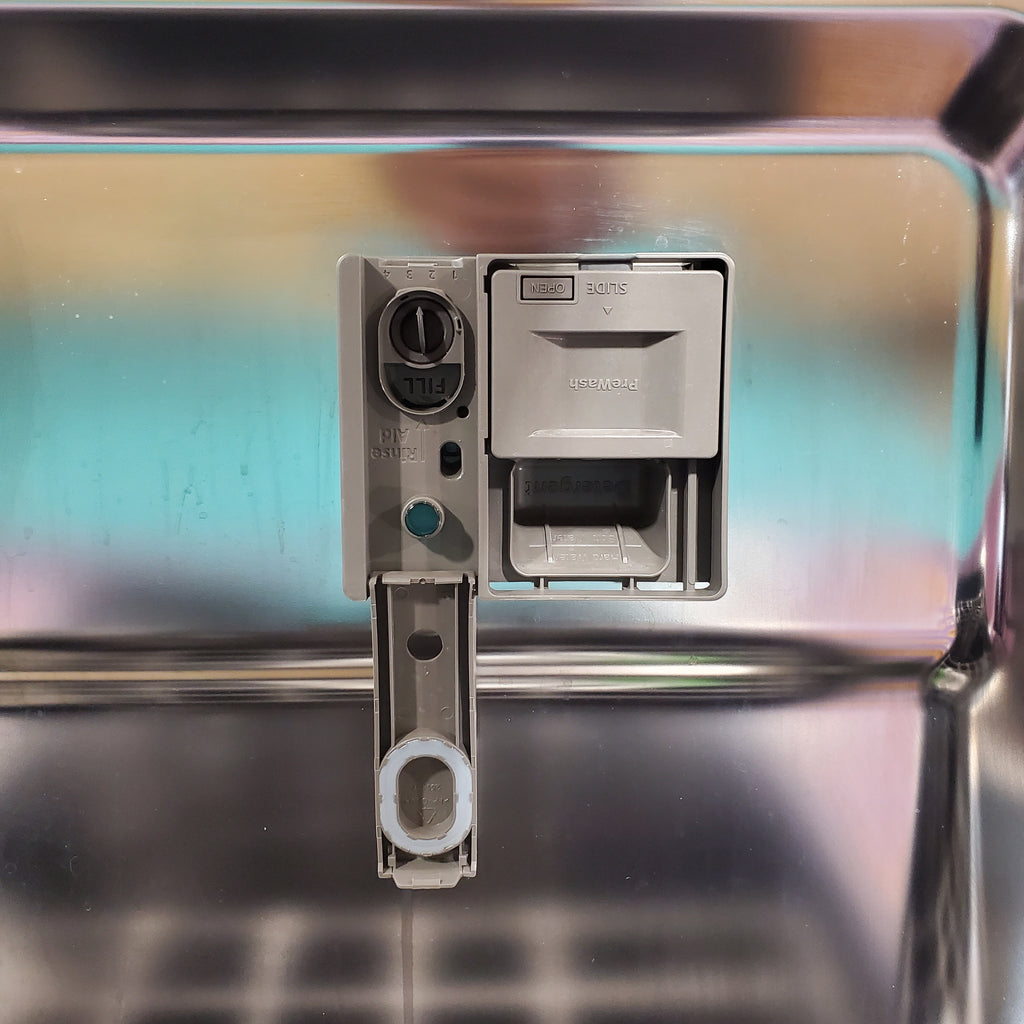
Credit: neuapplianceoutlet.com
Common Misconceptions
Many people misunderstand the purpose and impact of the Rinse And Hold feature on dishwashers. These misconceptions can lead to unnecessary habits that waste water or reduce cleaning efficiency. Let’s clear up some common myths so you can use your dishwasher smarter.
Rinse And Hold And Water Waste
Some believe that using Rinse And Hold saves water by preventing food from hardening on dishes. However, this setting often uses a significant amount of water just to rinse dishes lightly. If you rinse dishes by hand before loading them, you might actually waste more water than running a full dishwasher cycle.
Think about your daily routine: is it more efficient to rinse dishes multiple times or to load them and run one thorough cycle? Many dishwashers today have sensors that adjust water use based on how dirty dishes are, making the rinse step unnecessary in most cases.
Effectiveness In Cleaning
Another common misconception is that Rinse And Hold improves overall cleaning by pre-washing dishes. In reality, this feature only prevents food from drying onto plates, which can help if you delay running a full wash cycle for several hours. But it does not replace the need for a complete cleaning cycle.
Skipping the full cycle can lead to residue buildup and less hygienic results. If you run your dishwasher promptly, you likely won’t need to use the Rinse And Hold setting at all. Have you noticed if your dishes come out just as clean without that extra rinse?
Choosing Dishwashers With Efficient Rinse And Hold
Choosing a dishwasher with an efficient Rinse And Hold function can save you time and keep your dishes fresh until you’re ready for a full wash. This feature is perfect if you often load dishes throughout the day but want to prevent food from drying and sticking. Understanding what to look for helps you pick a model that fits your lifestyle and keeps your kitchen running smoothly.
Features To Look For
Look for dishwashers that offer a dedicated Rinse And Hold cycle with adjustable timing. This lets you control how long your dishes stay rinsed without a full wash, preventing odors and residue buildup.
Energy efficiency is another key factor. Models with eco-friendly rinse options use less water and electricity, saving you money and reducing your environmental impact.
Consider noise levels, especially if your kitchen is open-plan. A quiet Rinse And Hold cycle means you won’t be disturbed while the dishwasher runs intermittently throughout the day.
Some dishwashers also have smart sensors that detect how dirty your dishes are and adjust the rinse accordingly. This can be a real convenience and ensures you’re not wasting resources.
Top Models Recommended
| Model | Key Features | Price Range |
|---|---|---|
| Bosch 300 Series | Quiet operation, eco-friendly rinse, adjustable Rinse And Hold | $$$ |
| Samsung DW80R9950US | Smart sensor rinse, customizable cycles, energy efficient | $$$$ |
| Whirlpool WDF520PADM | Affordable, simple Rinse And Hold, decent noise control | $$ |
Have you noticed how often you end up rinsing dishes manually just to keep them from drying out? Choosing the right dishwasher model can eliminate that hassle, giving you more freedom throughout your day.

Credit: www.searshomeservices.com
Frequently Asked Questions
What Does Rinse And Hold Mean On A Dishwasher?
Rinse and hold is a dishwasher cycle that rinses dishes quickly. It prevents food from drying on plates before a full wash. This cycle uses less water and energy than a full wash. It’s ideal for delaying washing without odor buildup.
When Should I Use Rinse And Hold On Dishwasher?
Use rinse and hold when you delay running a full wash. It stops food from hardening on dishes and reduces odors. This cycle is perfect for lightly soiled dishes. Avoid using it for heavily dirty or greasy items.
Does Rinse And Hold Clean Dishes Completely?
No, rinse and hold only rinses dishes to prevent drying. It does not sanitize or fully clean dishes. You must run a full wash cycle afterward for proper cleaning and sanitation.
How Much Water Does Rinse And Hold Use?
Rinse and hold uses significantly less water than a full cycle. It quickly sprays dishes with water to prevent food from sticking. This cycle is efficient for short-term rinsing without a complete wash.
Conclusion
Using the rinse and hold feature saves time and energy. It keeps dishes from drying with food stuck on. This option is helpful when you delay running the dishwasher. It prevents bad smells and hard stains later. Remember to check your dishwasher manual for details.
Try this feature to keep your kitchen cleaner. Small steps make a big difference in dish care. Rinse and hold helps your dishwasher work better. Simple, easy, and effective.

Hi, I’m Daniel Brooks—a food lover and kitchen gear enthusiast. I enjoy testing cookware, utensils, and gadgets to see what really works in everyday cooking. At PlugChef.com, I share honest reviews, comparisons, and simple guides to help you choose the best tools for a safer, smarter, and more enjoyable kitchen.
Related posts:
 What Type of Cooking Utensils are Safe: Expert Picks
 What Innovations Could Blenders Make: Unleashing Future Tech
 Smart Strategies to Organize a Small Kitchen: Maximize Space
 How to Organize a Kitchen Cabinet: Expert Tips & Tricks
 How to Organize Kitchen Drawers: Expert Tips and Tricks
 How to Organize a Corner Kitchen Cupboard: Expert Tips

