Baking shouldn’t feel like a high-stakes science experiment where one wrong tool leads to burnt cookies, stuck cake crusts, or wasted ingredients. Whether you’re a first-time baker following a boxed mix or an experienced home cook scaling sourdough recipes, the right tools and dishes cut down on frustration, improve consistency, and make cleanup far less tedious. Following USDA safe baking and cooking guidelines for ingredient handling and temperature control starts with having gear that supports those standards, so we’ve curated a list of non-negotiable, vetted picks to help you elevate your baking with minimal effort. If you’re setting up a new kitchen entirely, our blog resource has additional tips for organizing a functional, baking-friendly workspace.
Core Hand Tools Every Baker Needs
High-quality hand tools form the foundation of any successful baking session, eliminating the small annoyances that derail recipes. The right utensils prevent scratching nonstick bakeware, withstand oven temperatures, and make mixing, scraping, and serving far easier.
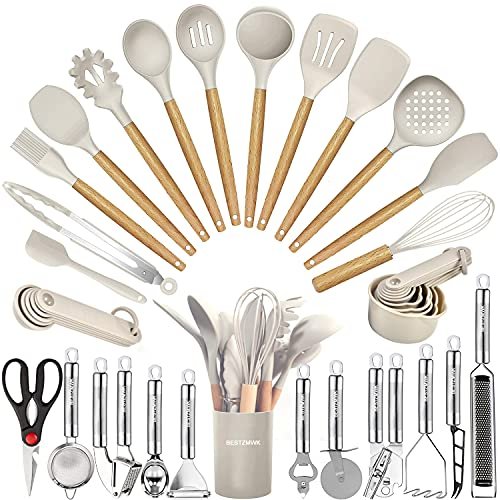
For bakers who prioritize nonstick cookware care, a silicone and wood-handle utensil set is a top pick. Food-grade silicone heads are gentle on coated pans, while heat-resistant handles stay cool to the touch even when left in a hot pot. This set includes a grater for zesting citrus or shredding chocolate, tongs for handling delicate pastries, and a spatula that scrapes every last bit of batter from a bowl. The only trade-off is that wood handles require hand washing to avoid warping or cracking over time.
 Khaki silicone and wood utensil set, safe for nonstick pots and pans
If you cook and bake frequently, a comprehensive 24-piece nylon and stainless steel set offers unmatched versatility. Nylon heads are heat-resistant up to 400°F, making them safe for stovetop and oven use, while stainless steel components add durability for heavy-duty tasks like flipping cookies or lifting dense bread loaves. The only downside is that nylon can melt if left resting on a hot burner, so be sure to move utensils to a heat-safe rest when not in use.
 Comprehensive 24-piece set for stovetop and oven use
For bakers who want a single all-in-one solution, a 33-piece silicone and stainless steel gadget set covers every possible task, from folding meringue to shaping cookie dough. The set’s nonstick, dishwasher-safe pieces make cleanup trivial, and the sleek design fits most kitchen decor styles. The only consideration is the set’s 4.85-pound weight, which may be cumbersome for bakers with limited storage space.
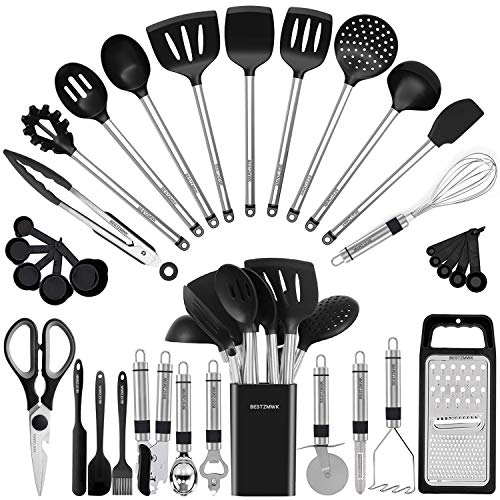 All-in-one set covering every baking and cooking task
No baking toolkit is complete without a magnetic kitchen conversion chart, which sticks to your fridge for quick reference when scaling recipes or converting between metric and imperial measurements. Unlike scrolling through your phone mid-bake (which risks getting flour or batter on your screen), a physical chart eliminates measurement errors that lead to dense cakes or flat cookies. Most models also include common substitution guides, like how to replace buttermilk with milk and vinegar, for when you’re missing a key ingredient mid-recipe.
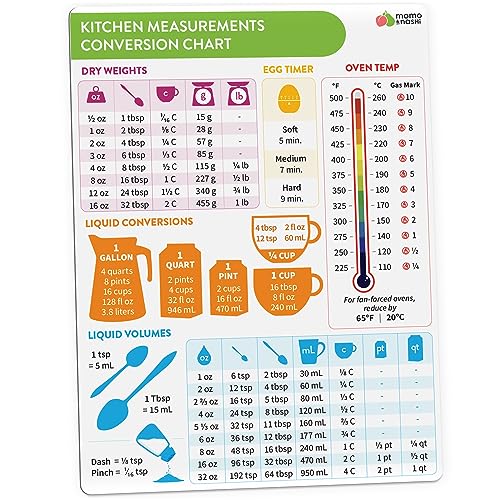 Sticks to fridge for quick recipe conversion reference
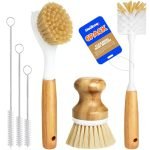
For long-term tool care, a professional-grade cleaning brush can scrub baked-on residue from silicone and metal utensils without degrading materials, extending the lifespan of your set significantly.
Essential Bakeware & Dishes
The keyword "tools and dishes" highlights a critical gap in many basic baking guides: the right bakeware is just as important as the right utensils. Cheap, thin bakeware warps at high heat, leading to unevenly baked goods, while non-food-safe materials can leach chemicals into your food. All bakeware you use for baking should meet FDA food-contact material safety standards to avoid chemical leaching at high temperatures.
Start with a set of heavy-gauge stainless steel or glass mixing bowls in 1-quart, 2-quart, and 4-quart sizes. Glass bowls are microwave-safe for melting chocolate or butter, while stainless steel is lightweight and shatterproof for kids’ baking sessions. For cookie and sheet pan baking, invest in heavy-rimmed aluminum baking sheets; thin, cheap sheets warp after a few uses, leading to burnt edges and undercooked centers. A set of non-stick cake pans in 8-inch and 9-inch sizes, plus a standard 9×5-inch loaf pan and 9-inch pie dish, covers 90% of beginner and intermediate baking recipes.
If you bake frequently, silicone baking mats are a sustainable alternative to parchment paper, reducing waste and providing even heat distribution for cookies and roasted nuts. For a personal touch, you can customize wooden serving boards or bakeware with our guide on engraving wooden cutting boards for one-of-a-kind servingware for parties and gifts. When prepping cheese or fruit for dessert boards, follow proper technique to avoid waste—our guide on prepping elegant cheese platters makes elegant serving effortless.
Specialized Tools for Advanced Bakes
As you take on more complex recipes like sourdough bread, croissants, or decorated cakes, specialized tools reduce the learning curve and improve results. For sourdough beginners, a complete starter kit eliminates the need to buy individual tools piece by piece. These kits typically include a glass fermentation jar with an airlock lid, a banneton (a woven proofing basket that gives sourdough its classic shape), a sharp lame for scoring bread before baking, and a digital scale for precise ingredient measurements. The compact size of most kits makes them easy to store in small kitchens, and the included instructions help new bakers avoid common sourdough pitfalls like over-proofing or a gummy crumb.
 Starter kit for homemade sourdough bread baking
For pastry and cake decorating, add a rolling pin with adjustable thickness guides, a non-slip pastry mat, and a set of stainless steel piping bags and tips to your toolkit. These tools make it easy to roll out even pie crusts, pipe consistent frosting swirls, and create professional-looking desserts at home.
Safety & Cleanup Essentials
Baking involves high temperatures, sticky messes, and sharp tools, so safety and easy cleanup are just as important as the tools you use to mix batter. First, invest in a set of heat-resistant oven mitts rated for at least 450°F to protect your hands and wrists from burns when handling hot bakeware. Ribbed silicone mitts offer a non-slip grip and are easy to wipe clean, unlike fabric mitts that absorb batter and harbor bacteria over time. Long mitts that cover your forearm protect against accidental contact with hot oven racks, a common source of kitchen burns.
 Heat-resistant up to 450°F, ideal for handling hot bakeware
Non-scratch pan scrapers are a must for preserving the condition of your bakeware. Unlike metal scrubbers, plastic scrapers lift stuck-on cake crust, caramelized sugar, and baked-on batter without scratching nonstick coatings or stripping the seasoning from cast iron pans. A 5-pack of scrapers gives you one for the kitchen, one for the bakeware drawer, and spares for heavy baking days.
 Non-scratch scrapers that preserve seasoned cast iron surfaces
A silicone utensil rest with a drip pad keeps your countertop clean and organized while you work. The rest holds 3-5 utensils at once, keeping them within arm’s reach and preventing cross-contamination between raw ingredients and ready-to-eat baked goods. The heat-resistant design lets you set hot utensils straight from the stove or oven on the rest, and the removable drip pad is dishwasher-safe for fast cleanup.
 Holds multiple utensils, keeps countertops mess-free
For stuck-on batter or grimy bakeware, a sturdy kitchen cleaning brush cuts through residue without scratching nonstick surfaces. If you have young children in the home, installing childproof cabinet latches on cabinets storing hot bakeware or cleaning supplies prevents accidental access to dangerous items.
Frequently Asked Questions
What Are Essential Baking Tools For Beginners?
For new bakers, start with a small, high-quality silicone spatula set, a sturdy non-scratch pan scraper, heat-resistant oven mitts, a basic mixing bowl set, and a magnetic measurement conversion chart. These tools cover 90% of beginner recipes, from chocolate chip cookies to basic cakes, without requiring a large upfront investment. Avoid cheap plastic utensils that melt at oven temperatures, as they can ruin batches of baked goods and expose you to harmful fumes. As you take on more complex recipes, you can add specialized tools like a stand mixer or pastry mat over time.
Why Choose Silicone Utensils For Baking?
Silicone utensils are the gold standard for most bakers because they are heat-resistant up to 450°F, flexible enough to scrape every last bit of batter from a bowl, and gentle enough to use on nonstick bakeware without scratching. Unlike nylon, silicone does not leach harmful chemicals when exposed to high heat, and it is dishwasher-safe for easy cleanup. A common mistake new bakers make is buying thin, low-quality silicone that melts or warps after a few uses; opt for food-grade, thick silicone heads attached to sturdy stainless steel or wood handles for longevity.
How Do Pot Scrapers Help In Baking?
Pot scrapers are designed to lift stuck-on food from bakeware, cookware, and countertops without scratching delicate surfaces like nonstick coatings, seasoned cast iron, or glass baking dishes. Unlike metal scrubbers, plastic non-scratch scrapers preserve the non-stick properties of your pans, extending their lifespan significantly with regular use. They are also useful for scraping excess dough off rolling pins or cleaning flour off countertops after kneading bread, making them a versatile addition to any baking toolkit.
What Is The Benefit Of A Utensil Rest?
A utensil rest with a drip pad eliminates the need to set dirty spoons and spatulas directly on your countertop, reducing cross-contamination risk between raw ingredients and ready-to-eat baked goods. Most heat-resistant silicone models can hold 3-5 utensils at once, keeping them within arm’s reach while you work, and the drip pad catches drips of batter, oil, or melted butter to keep your workspace clean. They are also dishwasher-safe, making cleanup after baking far faster than wiping down sticky countertops.
How Does A Conversion Chart Aid Baking?
A magnetic kitchen conversion chart removes the guesswork from scaling recipes, converting between metric and imperial measurements, and adjusting baking times for high-altitude baking. Unlike scrolling through your phone mid-bake (which risks getting flour or batter on your screen), a physical chart is always visible and easy to reference, reducing measurement errors that lead to dense cakes or flat cookies. Many models also include common substitution guides, like how to replace buttermilk with milk and vinegar, which is a lifesaver when you’re missing a key ingredient mid-recipe.
Are Oven Mitts Necessary For Baking?
Oven mitts are a non-negotiable safety tool for any baker, as they protect your hands and wrists from burns when handling hot bakeware straight from the oven. Look for mitts rated for at least 450°F, with a non-slip grip and wrist coverage to protect against accidental splatters of hot oil or melted sugar. Silicone mitts are easier to clean than fabric ones, which can absorb batter or grease and harbor bacteria over time. A common baking injury is burning your forearm on a hot oven rack; long mitts eliminate this risk entirely.
Conclusion
The right baking tools and dishes don’t just make your time in the kitchen more enjoyable—they directly impact the quality of your results, turning hit-or-miss recipes into consistent, crowd-pleasing creations. Start with core hand tools and versatile bakeware that matches your current skill level, then add specialized items like sourdough kits or decorating tools as you expand your baking repertoire. Each tool you add eliminates a common pain point, from burnt hands to stuck-on crusts, so you can focus on the fun part of baking: creating delicious food for yourself and your loved ones. Ready to upgrade your setup? Browse our full blog library for more kitchen tips, product recommendations, and recipe guides to make every culinary creation a success.

Hi, I’m Daniel Brooks—a food lover and kitchen gear enthusiast. I enjoy testing cookware, utensils, and gadgets to see what really works in everyday cooking. At PlugChef.com, I share honest reviews, comparisons, and simple guides to help you choose the best tools for a safer, smarter, and more enjoyable kitchen.
Related posts:
 4 Piece Kitchen Appliance Set: Elevate Your Culinary Creations Effortlessly
 Best Tea for Coffee Drinkers: Discover Caffeine-Free Herbal Alternatives
 Best Grind for Moka Pot: Unlock Rich, Aromatic Coffee Flavors
 Best Knife Set for Home Cook: Top Durable German Stainless Steel Picks
 Best Wood for Cooking Utensils: Top Teak Sets for Durable Kitchen Use
 Kitchen Utensils Cleaning Brush: Ultimate Set for Sparkling Dishes