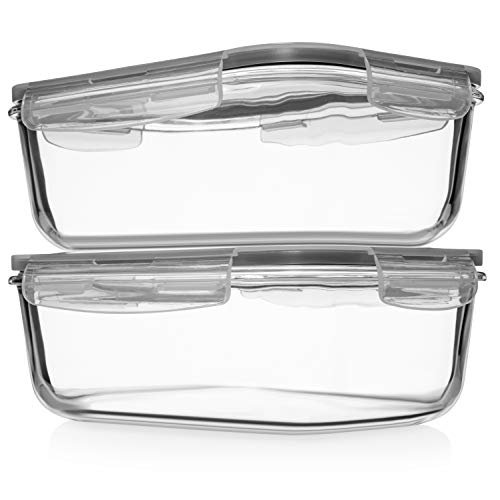
Storing food correctly is one of the simplest ways to cut down on waste, save money on groceries, and keep meals tasting fresh for longer. If you’re tired of plastic containers that stain, retain odors, or leach chemicals when heated, large airtight glass containers are the durable, non-toxic alternative your kitchen needs. Unlike porous plastic, glass won’t absorb food smells or transfer flavors between meals, and its clear walls let you see contents at a glance without opening the lid. In this guide, we break down the key benefits of glass storage, what to look for when shopping, top picks for every use case, care tips to extend their lifespan, and answers to common questions. Whether you’re a dedicated meal prepper, bulk grocery shopper, or home canning enthusiast, you’ll find the perfect container to streamline your kitchen workflow. Switching to glass storage also cuts down on single-use plastic waste, a small change that aligns with sustainable kitchen habits.
Why Large Airtight Glass Containers Outperform Plastic Alternatives
Glass food storage has surged in popularity in recent years, and for good reason: it solves almost every pain point of plastic containers while offering unique benefits for home cooks. Unlike low-quality plastic containers that may leach harmful chemicals like BPA into food, especially when heated, glass is non-porous and FDA-approved for direct food contact, per FDA food storage safety guidelines. Below are the core advantages of choosing glass for your storage needs.
Non-Porous, Odor-Free Storage
Plastic containers have tiny pores that trap food smells, stains, and bacteria over time, even after thorough washing. Glass is completely non-porous, so it won’t hold onto the scent of garlic, curry, or berries, meaning your leftovers will taste exactly as they did when you first cooked them. This also makes glass far more hygienic for storing raw meat, fish, or produce, as there’s no risk of cross-contamination from lingering bacteria in plastic scratches.
Safe for High-Heat Cooking and Reheating
Unlike plastic, which can warp or release harmful chemicals when heated in the microwave or oven, high-quality glass is rated for temperatures up to 450°F (232°C) (for borosilicate variants) and is completely safe for microwave use. This means you can bake a casserole, store it in the fridge, and reheat it in the oven or microwave without transferring it to a separate dish, cutting down on cleanup and saving time. A common error many home cooks make is placing a cold glass container straight from the freezer into a preheated oven, which can cause thermal shock and cracking. Always let containers come to room temperature first, or opt for borosilicate glass rated for extreme temperature changes.
Clear Visibility for Faster Kitchen Workflow
The transparent nature of glass means you can see exactly what’s inside a container at a glance, whether it’s in the fridge, pantry, or freezer. This eliminates the need to open multiple containers to find what you’re looking for, reduces cold air loss from the fridge, and helps you track what you already have on hand to avoid overbuying groceries. For pantry storage, clear glass canisters also make it easy to see when you’re running low on staples like flour or coffee. This clear visibility eliminates the guesswork of rummaging through the fridge, a common frustration that smart drawer organization can also help resolve in your pantry.
Reduced Plastic Waste and Long-Term Value
A single set of high-quality glass containers can last 10+ years with proper care, while plastic containers typically need to be replaced every 1-2 years due to warping, staining, or scratching. Over time, this saves you money and reduces the amount of plastic waste sent to landfills, making glass the more sustainable choice for eco-conscious households. The only downsides to glass are its heavier weight (a full 220oz container can weigh 5+ pounds) and fragility if dropped, but for most home cooks, the long-term safety and durability benefits far outweigh these minor drawbacks.
Key Features to Prioritize When Shopping for Large Airtight Glass Containers
Not all glass containers are created equal, so knowing what to look for will help you pick a set that meets your specific needs. Below are the most important features to evaluate before purchasing.
Seal Mechanism
The seal is the most critical component of an airtight container, as it prevents air, moisture, and spills from entering. For liquid storage (soups, marinades, dressings), opt for containers with locking clips that clamp the lid tightly to the base, as these create a more secure, leak-proof seal than simple snap lids. For dry goods storage, silicone gaskets with clamp or snap lids are usually sufficient, as long as the gasket is food-grade and replaceable if it wears out over time.
Glass Material
There are two main types of glass used for food storage: tempered soda-lime glass and borosilicate glass. Tempered glass is impact-resistant and affordable, making it ideal for everyday fridge and pantry storage, but it can crack under extreme thermal shock (e.g., going from freezer to oven directly). Borosilicate glass is more heat-resistant, able to withstand temperature changes of up to 300°F (165°C) without breaking, making it the better choice for users who want to bake or reheat food directly in the container. Look for containers labeled "oven safe" and note the maximum temperature rating before purchasing.
Lid Construction
Most glass container lids are made of BPA-free plastic, but stainless steel lids are also available for users who want to avoid plastic entirely. Ensure the lid has a food-grade silicone gasket to create a tight seal, and check if the brand sells replacement gaskets separately — this extends the lifespan of the container, as gaskets are the only part that typically wears out over time. Avoid lids with painted designs or decorations, as these can chip and expose you to harmful chemicals.
Capacity and Shape
Large airtight glass containers range from 63oz (8 cups) to 220oz (28 cups) in capacity, so choose a size that matches your needs. For single- or double-serving meal prep, 63-80oz containers are ideal. For bulk pantry staples like flour, rice, or pasta, 78oz to 1.1 gallon (140oz) jars work best. For large batch cooking, holiday meals, or potlucks, opt for 200oz+ containers. Square containers fit more neatly on pantry shelves and in fridge doors than round ones, making them a better choice for small spaces.
Safety Certifications
Always look for containers that are FDA-compliant and lead-free, as these meet strict safety standards for food contact. Most high-quality containers are also dishwasher safe, but check the manufacturer’s instructions to avoid damage to lids or gaskets.
Top Large Airtight Glass Container Picks for Every Kitchen Need
We’ve tested and evaluated dozens of large airtight glass containers to find the best options for every use case, from meal prep to pantry storage to home canning. Below are our top picks, each chosen for their durability, seal performance, and value.
Razab 4-Piece 63oz Locking Lid Glass Container Set
Best for: Meal preppers and on-the-go lunch packing
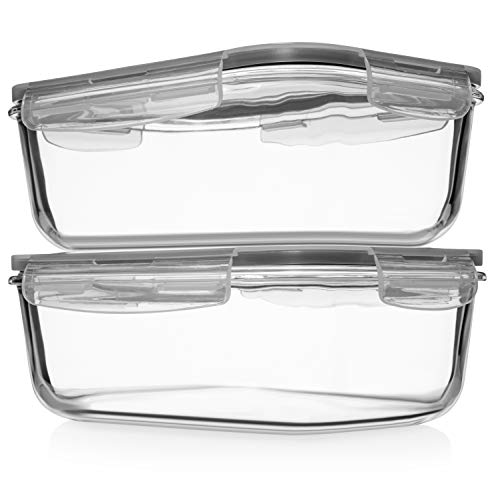 Locking lids create a leak-proof seal perfect for transporting meals to work or the gym.
This 4-piece set includes two 63oz (8 cup) glass containers and two matching locking lids, making it perfect for portioning out weekly lunches or storing leftovers. The borosilicate glass is oven safe up to 450°F (232°C), so you can bake casseroles or roasted vegetables directly in the container, then store and reheat without transferring food. The locking clips create a 100% leak-proof seal, so you can carry the container upside down in a bag without worrying about spills. The BPA-free plastic lids are also dishwasher safe for easy cleanup.
Pros:
- Borosilicate glass withstands oven, microwave, freezer, and dishwasher use
- Locking clips create a secure, leak-proof seal for transport
- 63oz capacity holds 1-2 servings per container, perfect for individual meal prep
- BPA-free lids are odor and stain resistant
Cons:
- Glass is heavier than plastic alternatives, weighing 2.2 pounds per empty container
- Lids can be slightly difficult to open for users with limited hand strength
If you need leak-proof containers for on-the-go meals, the Razab 4-piece locking lid set is a top pick.
Vtopmart 2-Pack 63oz Snap Lid Glass Storage Containers
Best for: Everyday fridge storage and quick meal access
 Snap-seal lids make these containers perfect for quick fridge access during busy weeknights.
These 2-pack 63oz containers are designed for fast, convenient fridge storage, with easy-open snap lids that don’t require the extra step of locking clips. The tempered glass is durable enough for everyday use, and the containers are safe for microwave, oven (up to 425°F), freezer, and dishwasher use. The airtight seal keeps leftovers fresh for up to 5 days, and the clear glass lets you see contents at a glance without opening the lid.
Pros:
- Snap lids are easy to open and close with one hand
- Tempered glass is impact-resistant for everyday use
- Leak-proof seal prevents messy spills in the fridge
- Affordable price point for a 2-piece set
Cons:
- Snap seal is less secure than locking clips for transport
- Not rated for temperatures above 425°F, so avoid broiling
For quick, everyday fridge storage, these Vtopmart snap lid containers offer excellent value.
[UPGRADE] 2-Pack 1.1 Gallon Wide Mouth Glass Storage Jars
Best for: Pantry bulk storage and home canning
 Built-in measurement marks eliminate the need for separate measuring cups when bulk baking or cooking.
These 1.1 gallon (140oz) square jars are designed for bulk pantry storage, with an extra-wide 4-inch mouth that makes filling and cleaning effortless, even for bulky ingredients like potatoes or large batches of cookie dough. The airtight clamp lid with a food-grade silicone gasket keeps dry goods fresh and protected from moisture and pests, and built-in measurement marks on the side of the jar eliminate the need for separate measuring cups when baking or cooking. The clear glass lets you see how much of each staple you have left at a glance.
Pros:
- Extra-wide mouth eliminates mess when filling or scraping out contents
- Built-in measurement marks for easy cooking and baking
- Clamp lid creates an ultra-secure, airtight seal
- Square shape fits neatly on pantry shelves with no wasted space
Cons:
- Heavy when full, weighing 4+ pounds per jar
- Clamp lid requires two hands to open and close securely
For bulk pantry staples like flour, rice, and coffee, these large-capacity jars eliminate the need for repetitive refills, complementing your eco-friendly kitchen routine. For bulk pantry storage and home canning, these wide mouth jars are a top-tier choice.
Vtopmart 3-Pack 78oz Clamp Lid Glass Canisters
Best for: Organized, labeled pantry storage
 Included reusable chalkboard labels make it easy to identify contents and track expiration dates.
This 3-pack of 78oz square glass canisters comes with everything you need to create a tidy, functional pantry: clamp lids with food-grade silicone gaskets for an airtight seal, and 8 reusable chalkboard labels for customizing contents and expiration dates. The tempered glass is durable and clear, so you can see what’s inside at a glance, and the square shape fits neatly side-by-side on standard pantry shelves. They’re perfect for storing flour, sugar, cereal, pasta, coffee, and other dry staples.
Pros:
- Includes reusable chalkboard labels for easy organization
- Clamp lid creates a secure, pest-proof seal
- 78oz capacity holds bulk quantities of most pantry staples
- Square design maximizes shelf space efficiency
Cons:
- Square shape may not fit round or irregular storage spaces
- Chalkboard labels require a dry-erase marker to write on, which is not included
If you want to create a cohesive, organized pantry, these Vtopmart canisters are a great value.
Homberking 4-Piece 63oz Locking Glass Bento Boxes
Best for: Portioned bento-style meal prep and kids’ lunches
 Stackable locking lids make these bento-style containers perfect for portioned, on-the-go meals.
This 4-piece set includes two 63oz containers and two matching locking lids, designed for portion-controlled meal prep. The stackable design saves space in the fridge and cabinets when not in use, and the locking clips create a leak-proof seal perfect for carrying to work, school, or the gym. The borosilicate glass is oven, microwave, freezer, and dishwasher safe, so you can cook, store, and reheat meals without transferring them to other dishes.
Pros:
- Stackable design saves storage space
- Locking clips prevent leaks for transport
- 63oz capacity holds a full meal with sides for most adults
- BPA-free lids are odor and stain resistant
Cons:
- Limited color options (only clear glass with grey lids available)
- Heavier than plastic bento boxes, weighing 2.3 pounds per empty container
For portioned, on-the-go meals, these Homberking bento boxes are a practical pick.
M Mcirco 4-Piece Mixed Size Glass Container Set
Best for: Households with varied storage needs
 Mixed sizes accommodate everything from family-sized leftovers to small portions of chopped produce.
This 4-piece set includes two 80oz (10 cup) containers and two 36oz (4.5 cup) containers, making it versatile for every kitchen need. The larger containers are perfect for storing family-sized leftovers, batch-cooked meals, or bulk ingredients, while the smaller containers are ideal for chopped produce, leftovers for one, or snack portions. The airtight lids are made of BPA-free plastic with a food-grade silicone gasket, and the borosilicate glass is safe for oven, microwave, freezer, and dishwasher use.
Pros:
- Mixed sizes cover every storage need, from small snacks to large batches
- Borosilicate glass is safe for all high-heat applications
- Airtight seal keeps food fresh for up to 7 days
- Sleek grey design fits modern kitchen aesthetics
Cons:
- Lids are not locking, so less secure for transport
- Smaller 36oz containers are not large enough for full family meals
For mixed household use, this M Mcirco set offers the most versatility.
Czszyghbao 2-Pack 1 Gallon Airtight Glass Jars
Best for: Bulk ingredient and beverage storage
 1-gallon capacity is perfect for storing bulk coffee beans, flour, or homemade iced tea.
These 1-gallon (4000ml) glass jars are designed for bulk storage of both dry goods and beverages, with an airtight lid that keeps contents fresh and protected from moisture and pests. The wide mouth makes it easy to fill the jar with bulk ingredients or scoop out coffee beans, flour, or sugar without spilling. The clear glass lets you see how much you have left at a glance, and the jars are safe for refrigerator and pantry storage.
Pros:
- Extra-large 1-gallon capacity holds bulk quantities of most ingredients
- Airtight lid keeps dry goods fresh for up to 6 months
- Wide mouth eliminates mess when filling or emptying
- Clear glass provides full visibility of contents
Cons:
- Requires significant storage space, so not ideal for small pantries
- Heavy when full, weighing 6+ pounds per jar
For bulk coffee, flour, or homemade beverage storage, these Czszyghbao jars are a cost-effective pick.
220oz Extra Large Glass Storage Container with Handle
Best for: Large batch cooking, potlucks, and holiday meal storage
 The built-in handle makes transporting heavy potluck dishes or leftover turkey safe and easy.
This 220oz (28 cup) extra-large glass container is the largest option on our list, with a built-in silicone handle for easy transport. It’s perfect for storing large batches of soup, chili, roasted turkey, potluck sides, or even whole watermelons for summer gatherings. The airtight locking lid prevents leaks and keeps food fresh, and the borosilicate glass is oven, microwave, freezer, and dishwasher safe, so you can cook, store, and reheat in the same vessel.
Pros:
- Extra-large capacity holds up to 28 cups of food, enough for 8+ servings
- Built-in handle makes transporting heavy dishes safe and easy
- Oven safe up to 450°F (232°C) for direct cooking and reheating
- Leak-proof locking lid prevents spills during transport
Cons:
- Too large for standard refrigerator shelves in many homes
- Weighs 7+ pounds when full, so not ideal for frequent transport
For potluck and holiday cooking, these extra-large containers make transporting dishes effortless, just like a reliable electric can opener simplifies prepping ingredients for large gatherings.
ComSaf 3-Pack 78oz Wire Clip Glass Canisters
Best for: Home canning and long-term food preservation
 Wire clip fastening creates an ultra-tight seal ideal for long-term food preservation and home canning.
This 3-pack of 78oz square glass canisters features a unique wire clip fastening system that creates an ultra-secure, airtight seal, making them ideal for home canning, preserving jams, pickles, and dried goods. The food-grade silicone gasket is replaceable, and the clear glass lets you monitor the contents of canned goods without breaking the seal. The square shape fits neatly on pantry shelves, and the canisters are dishwasher safe for easy cleaning.
Pros:
- Wire clip creates an ultra-tight seal perfect for canning and preservation
- 78oz capacity holds large batches of canned goods or dry staples
- Replaceable silicone gasket extends the lifespan of the canister
- Square design maximizes shelf space efficiency
Cons:
- Wire clip can be slightly stiff to open and close for new users
- Not recommended for microwave use, as the metal clip can spark
If you’re into home canning or long-term food preservation, these ComSaf canisters are built to last.
Proper Care and Maintenance to Extend Container Lifespan
With proper care, high-quality glass containers can last 10+ years, far outlasting cheap plastic alternatives. Follow these tips to keep your containers in top condition:
Cleaning Best Practices
Most glass containers are dishwasher safe, but always remove lids and silicone gaskets before washing to prevent food buildup and mold growth. For stuck-on food, soak the container in warm soapy water for 10 minutes before scrubbing with a non-abrasive sponge — avoid steel wool or harsh scrubbers, as these can scratch the glass surface and create hiding spots for bacteria. Hand wash lids with gaskets attached to avoid warping the plastic.
Avoiding Thermal Shock
Thermal shock occurs when glass is exposed to extreme temperature changes too quickly, causing it to crack or shatter. Never place a cold glass container straight from the freezer into a preheated oven, or a hot container straight from the oven into the fridge or freezer. Let hot food cool to room temperature before refrigerating, and let frozen containers thaw before heating. If you plan to use your containers for high-heat cooking, opt for borosilicate glass, which is designed to withstand rapid temperature changes.
Storing Tips
To prevent chipping and cracking, stack containers with a layer of paper towel or felt pad between each layer. Store lids separately from the glass base to avoid putting unnecessary pressure on the seal, and avoid stacking heavy items on top of glass containers in cabinets or pantries. For long-term storage, keep containers in a cool, dry place away from direct sunlight. Always remove lids before microwaving or oven use to prevent warping, and pair your containers with proper fridge organization practices to maximize food freshness and avoid cross-contamination.
Replacing Worn Parts
The only part of a glass container that typically wears out over time is the silicone gasket in the lid. Most reputable brands sell replacement gaskets separately for $5-$10, so you don’t have to replace the entire container if the seal starts to fail. Inspect gaskets regularly for cracks, tears, or buildup, and replace them as needed to maintain an airtight seal. In practice, a quick wipe of the lid gasket with a damp cloth after each use prevents food and grease buildup that can break the airtight seal over time, extending the life of both the gasket and the container.
Frequently Asked Questions
We’ve answered the most common questions about large airtight glass containers below:
How do airtight glass containers preserve food freshness?
Airtight seals block oxygen and moisture, the two leading causes of food spoilage. Unlike plastic, glass is non-porous, so it won’t absorb food odors or stains, meaning your curry won’t taste like leftover berries the next day. For produce, the sealed environment also slows down ethylene production, the gas that causes fruits and vegetables to ripen and rot faster.
Are all large glass containers microwave and oven safe?
No — only containers explicitly labeled as microwave and oven safe should be used for high-heat applications. Look for borosilicate glass, which can withstand temperatures up to 450°F (232°C) without cracking, unlike regular soda-lime glass which may shatter under rapid temperature changes. Always remove lids before heating, as plastic or metal components can melt or release harmful chemicals.
Can I freeze food in these glass containers?
Yes, most high-quality large airtight glass containers are freezer safe, but leave 1-2 inches of headspace at the top of the container to account for liquid expansion when frozen. Avoid filling to the brim, as expanding food can crack the glass. For best results, let frozen food thaw in the fridge before reheating to avoid thermal shock.
What size container do I need for meal prep?
For single servings, 32-63oz containers are ideal. For family meal prep or bulk cooking, opt for 78oz to 220oz containers. A good rule of thumb is to choose a container that holds 1-2 servings per person for the week, to avoid overfilling or underfilling.
How do I know if my container's seal is still airtight?
Place an empty sealed container upside down on a flat surface for 30 seconds. If the lid stays in place and no air escapes, the seal is intact. If the lid lifts slightly or you feel air escaping, the silicone gasket may be worn out and needs replacing.
Are these containers really BPA-free?
All high-quality food-grade glass containers are BPA-free, as BPA is only used in certain plastic production. Look for brands that explicitly state BPA-free construction on their packaging, and avoid containers with plastic lids that are not labeled BPA-free, as the lid is the only component that may contain plastic.
Can I use these containers for home canning?
Yes, but only use containers explicitly labeled as safe for canning, as they are designed to withstand the high temperatures and pressure of the canning process. Wire clip or locking lid containers create the tight seal needed for safe, long-term preservation of jams, pickles, and other canned goods.
Conclusion: Invest in Durable, Sustainable Storage for Your Kitchen
Large airtight glass containers are one of the simplest, most impactful upgrades you can make to your kitchen routine. They keep food fresher for longer, eliminate the hassle of stained, smelly plastic containers, and reduce your household’s plastic waste over time. While they may have a higher upfront cost than plastic, their 10+ year lifespan and multi-use functionality make them a far more cost-effective choice in the long run.
When choosing a set, start by assessing your specific needs: if you pack lunches regularly, opt for locking-lid models to prevent leaks; if you buy dry goods in bulk, choose wide-mouth jars with airtight clamp lids; if you love to can, pick wire clip canisters rated for preservation. You don’t need to buy a full set right away — start with one or two containers to test their fit in your fridge and pantry before investing in a larger collection. If you pack lunches or gym meals regularly, opt for locking-lid models to avoid spills in your bag, and pair them with non-slip kitchen rugs for safer, more comfortable prep while you pack.
Ready to upgrade your kitchen storage? Browse our full selection of kitchen essentials to find the perfect containers, organizers, and tools to streamline your cooking routine. Unlike cheap plastic containers that warp, stain, or leach chemicals over time, quality glass containers hold up to years of use, making them a worthy addition to your core kitchen essentials.

Hi, I’m Daniel Brooks—a food lover and kitchen gear enthusiast. I enjoy testing cookware, utensils, and gadgets to see what really works in everyday cooking. At PlugChef.com, I share honest reviews, comparisons, and simple guides to help you choose the best tools for a safer, smarter, and more enjoyable kitchen.
Related posts:
 Small Kitchen Appliance Cover Sets: Protect & Organize Your Culinary Space
 Sam’s Club Kitchen Appliances: Must-Have Kids Play Kitchen Accessories Set
 Kitchen Appliance Bundles on Sale: Transform Your Cooking Experience Today
 Best Kitchen Knives Sets for Precision, Durability, and Stylish Cooking
 Best Tool for Slicing Vegetables: Durable Stainless Steel Onion Holder Guide
 Best Tools for Baking Bread: Essential Kits for Perfect Artisan Loaves