
Opening your fridge to find spoiled leftovers, wilted produce, or mystery containers is a universal frustration — but it’s also a major food safety risk. The CDC estimates 1 in 6 Americans experience a foodborne illness each year, many caused by improper fridge storage that allows harmful bacteria like Salmonella, E. coli, and Listeria to spread. Organizing your fridge isn’t just about tidiness: it’s a critical step to protect your household’s health, cut down on food waste, and save money on groceries. This 2026 updated guide shares actionable, expert-backed steps to transform your fridge into a safe, efficient storage space, no fancy gadgets required.
If you’re tackling a full kitchen organization overhaul, optimizing your full kitchen storage efficiency with drawer and cabinet organization will complement your fridge setup for a seamless, functional space.
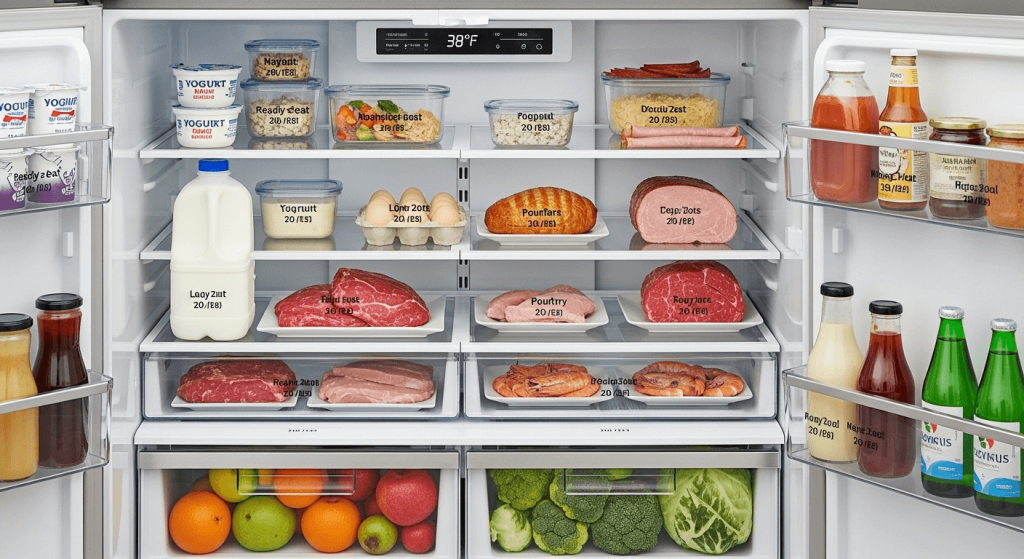
 A zoned fridge layout prevents cross-contamination and extends food shelf life.
Credit: fridge organization
https://www.pinterest.com/pin/916482592928880958
A zoned fridge layout prevents cross-contamination and extends food shelf life.
Credit: fridge organization
https://www.pinterest.com/pin/916482592928880958
Why Fridge Organization Is a Food Safety Non-Negotiable
The USDA defines the "temperature danger zone" as 40°F to 140°F (4°C to 60°C), where bacteria doubles in number every 20 minutes. USDA food safety guidelines confirm this range is the primary risk for foodborne illness from improper storage. A poorly organized fridge creates uneven cooling, cross-contamination risks, and hidden warm spots where these pathogens thrive. Proper zoning keeps raw animal products away from ready-to-eat foods, separates produce that speeds each other’s spoilage, and ensures cold air circulates freely to all items. Beyond safety, a well-organized fridge reduces the average household’s food waste by 25%, per USDA food waste reduction guidelines, saving you hundreds of dollars annually.
Step 1: Master Your Fridge’s Temperature (The Foundation of Safety)
No amount of organization will fix a fridge that runs too warm or too cold. Temperature control is the single most important factor in food safety.
Ideal Temperature Ranges for Fridges and Freezers
Set your refrigerator to 35°F to 38°F (1.7°C to 3.3°C), and your freezer to 0°F (-18°C) or lower, per FDA and USDA guidance. This range stops bacterial growth while preventing produce from freezing and dairy from curdling. Anything above 40°F puts you in the danger zone, while temperatures below 35°F can damage delicate produce and shorten the shelf life of dairy products.
Most built-in fridge thermometers are inaccurate by 5 or more degrees, so a $10 standalone appliance thermometer is a non-negotiable investment for food safety.
How to Verify and Maintain Consistent Temps
Place your thermometer in the middle of the middle shelf for the most accurate reading, wait 24 hours after adjusting your fridge’s settings, then check the temperature twice daily for a full week to account for regular door openings and seasonal temperature changes. If your fridge is located in a hot garage or sunlit kitchen, lower your setting by 1-2 degrees in summer to compensate for higher ambient temperatures.
Step 2: Zone Your Fridge by Temperature and Food Type
Every part of your fridge has a slightly different temperature, so storing foods in their correct zone prevents spoilage and cross-contamination.
Top Shelf (Warmest Zone: 38-40°F)
The top shelf is the warmest part of your fridge, making it ideal for ready-to-eat foods that will not be cooked before eating: leftovers, pre-cut produce, deli meats, yogurt, cheese sticks, and beverages. Never store raw meat, poultry, or seafood here — if drips fall onto these items, they can transfer harmful bacteria to food you’ll eat without cooking. Use shallow, clear containers for leftovers to help them cool faster and make contents visible at a glance, eliminating mystery containers.
Middle Shelves (Consistent Temperature Zone)
The middle shelves maintain the most stable temperature in the fridge, making them perfect for dairy products (milk, butter, soft cheeses like brie and goat cheese) and eggs. Always keep eggs in their original carton: their porous shells can absorb strong odors from foods like onions and garlic, and the carton protects them from temperature fluctuations. A common home organization mistake is storing milk and eggs in the fridge door, but door temperatures swing 10-15 degrees every time you open it, causing these items to spoil 2-3 days faster and increasing the risk of Salmonella contamination.
Bottom Shelf (Coldest Zone)
The bottom shelf is the coldest part of your fridge, so it’s the only safe spot for raw poultry, beef, pork, and seafood. Store these items in sealed, leak-proof containers or on a rimmed tray to catch any drips, and place them here last when unloading groceries to avoid contaminating already-stored items. If your fridge has a dedicated meat drawer, use that for extra leak protection.
Crisper Drawers (Humidity-Controlled Produce Storage)
Most fridges have two crisper drawers with adjustable humidity controls, designed to keep produce fresh longer. The key to using them correctly is separating produce by ethylene sensitivity:
- Ethylene-producing fruits (apples, bananas, avocados, tomatoes, pears) release a gas that speeds up ripening and spoilage of other produce.
- Ethylene-sensitive produce (leafy greens, carrots, berries, broccoli, cucumbers) wilts and rots faster when exposed to this gas. Store each group in a separate drawer. Use the high-humidity setting for leafy greens and veggies that wilt easily (spinach, kale, carrots) to lock in moisture, and the low-humidity setting for fruits that rot quickly (apples, mushrooms) to let excess moisture escape. Never wash produce before storing it unless you plan to use it within 24 hours, as excess moisture speeds up mold growth. If you’re prepping charcuterie board components for the week, our guide to prepping uniform gouda slices makes snack prep fast and consistent.
Fridge Door (Warmest, Most Fluctuating Zone)
The fridge door experiences the most frequent temperature swings, so it’s only suitable for items that are high in preservatives, acidic, or not prone to spoilage: condiments (ketchup, mustard, soy sauce, salad dressing), pickles, jams, beverages, and short-term butter storage. Never store milk, eggs, raw meat, leftovers, or deli meats here. To minimize temperature fluctuations, store your most frequently used items on the most accessible door shelves so you can grab them without keeping the door open longer than necessary.
Step 3: Cross-Contamination Prevention Best Practices
Proper zoning only works if you follow storage rules that prevent bacteria from spreading between foods.
Use Airtight, Leak-Proof Storage Containers
Store all leftovers and perishable items in glass or BPA-free plastic containers with sealed lids to prevent drips and limit air exposure, which slows spoilage. Always store leftovers within 2 hours of cooking (1 hour if the ambient temperature is above 90°F/32°C) to stop bacteria from multiplying. Label all containers with the storage date using dry-erase labels or color-coded tape: green for items 0-2 days old, yellow for 3-5 days old, and red for items to use immediately or discard.
Implement FIFO (First In, First Out) Rotation
When restocking your fridge, place older items at the front of shelves and newer items at the back, so you’re more likely to use expiring items first. Do a 2-minute weekly fridge audit to toss expired or spoiled items and rearrange stock to maintain FIFO order. This simple habit cuts down on food waste and reduces the risk of eating spoiled food.
Avoid Overloading Your Fridge
Overloading your fridge blocks air vents, creating uneven cooling and warm spots where bacteria thrive. Leave 1-2 inches of space between items and between items and the fridge walls to allow cold air to circulate freely. If you have excess groceries, store items you won’t use in the next 3-5 days in the freezer to free up fridge space.
For quick homemade soup prep to store in your fridge, blenders that cook and blend are a time-saving tool that eliminates the need to transfer hot soup from a pot to a blender.
Step 4: Deep Cleaning and Long-Term Maintenance
Even a perfectly organized fridge will become a food safety risk if it’s not cleaned regularly, as spills and crumbs can harbor harmful bacteria.
Monthly Deep Cleaning Routine
- Empty the entire fridge and toss all expired, spoiled, or unrecognizable items.
- Remove all shelves, drawers, and storage bins.
- Wash all removable parts with warm, soapy water, or a solution of 1 tablespoon baking soda per 1 cup of water for tough stains or spills.
- Rinse all parts thoroughly with clean water and dry completely with a clean towel.
- Wipe down the interior walls, ceiling, and door gaskets (the rubber seal around the door) with a damp cloth to remove crumbs, spills, and mold buildup that can harbor Listeria. Clean up any spills immediately with a damp cloth and mild detergent — don’t let them sit, as they can spread bacteria to other foods. Use a non-abrasive cleaner for kitchen surfaces to avoid scratching fridge shelves and gaskets.
Odor Control and Preventative Upkeep
Place an open box of baking soda on a middle shelf and replace it every 3 months to absorb lingering odors. For persistent smells, leave a shallow dish of white vinegar on a shelf overnight to neutralize strong scents. Check your fridge’s door gaskets every 6 months: if they’re cracked or don’t seal properly, cold air will escape, leading to inconsistent temperatures and higher energy bills. Replace damaged gaskets as soon as possible. If you have a manual defrost fridge, defrost it every 3-6 months, or whenever ice buildup exceeds 1/4 inch thick, as ice acts as insulation and leads to uneven cooling.
If you have excess produce in your crisper drawers that you can’t use before it spoils, a high-quality juicer for excess produce is a great way to reduce food waste and make fresh juice.
Common Fridge Organization Mistakes That Risk Food Safety
Most foodborne illnesses from fridge storage are easily avoidable by fixing these common errors:
- Storing raw meat on middle or top shelves, leading to cross-contamination from drips onto ready-to-eat foods.
- Storing milk, eggs, or leftovers in the fridge door, where temperature fluctuations cause faster spoilage and higher bacteria risk.
- Overloading the fridge, blocking air circulation and creating warm, bacteria-friendly spots.
- Failing to label leftovers, leading to accidental consumption of spoiled food.
- Storing produce in sealed airtight bags, trapping moisture and causing mold and rot.
- Ignoring small spills, which can harbor harmful bacteria like E. coli and Salmonella.
- Keeping the fridge too empty (causing temperature swings when the door opens) or too full (blocking air flow).
Special Considerations for High-Risk Groups
Pregnant people, young children, older adults, and immunocompromised individuals are at far higher risk for severe, even life-threatening, foodborne illness. For these groups, follow these extra precautions:
- Set your fridge to 35°F (1.7°C) instead of 38°F for an extra safety buffer against bacterial growth.
- Discard leftovers after 3 days instead of the standard 3-4 day window.
- Store ready-to-eat foods on the top shelf, far away from raw meat and seafood.
- Avoid unpasteurized dairy products, and store them separately from other dairy to eliminate cross-contamination risk. For more detailed guidance, refer to CDC food safety recommendations for high-risk populations.
Frequently Asked Questions
What is the safest temperature for a refrigerator to prevent foodborne illness?
The FDA and USDA recommend setting your refrigerator to 35°F to 38°F (1.7°C to 3.3°C), and your freezer to 0°F (-18°C) or lower. This range stops the growth of harmful bacteria like Salmonella, E. coli, and Listeria, which multiply rapidly in the temperature danger zone between 40°F and 140°F (4°C to 60°C). Use a standalone appliance thermometer to verify your fridge’s temperature, as built-in displays are often inaccurate.
Should I store eggs in the fridge door or the main compartment?
Always store eggs in the main body of the fridge, not the door. The door experiences frequent temperature swings of 10-15°F every time you open it, which can cause eggs to spoil faster and increase the risk of Salmonella contamination. Keep eggs in their original carton to protect their porous shells from absorbing odors from other foods, and to maintain consistent humidity levels.
How long can leftovers be safely stored in the fridge?
Most cooked leftovers are safe to eat for 3 to 4 days when stored in airtight containers at 35°F to 38°F. Label all leftovers with the date they were cooked to avoid confusion, and discard any leftovers that smell, look, or taste off, even if they’re within the 3-4 day window. For high-risk groups, discard leftovers after 3 days to reduce foodborne illness risk.
Can I store raw meat and ready-to-eat foods on the same shelf?
No. Always store raw meat, poultry, and seafood on the bottom shelf of your fridge, in sealed leak-proof containers or on a rimmed tray, to prevent juices from dripping onto ready-to-eat foods (like leftovers, deli meats, produce) that won’t be cooked before eating. This is a critical step to prevent cross-contamination from harmful bacteria.
How often should I deep clean my fridge for food safety?
You should deep clean your fridge at least once a month, and immediately clean up any spills or leaks as they happen. During your monthly clean, toss all expired items, remove all shelves and drawers, wash them with warm soapy water, and wipe down the interior walls and door gaskets to remove crumbs, spills, and mold buildup that can harbor bacteria.
Conclusion
Organizing your fridge for food safety doesn’t require expensive containers or a full overhaul — small, consistent changes make the biggest difference. Start by verifying your fridge’s temperature is in the 35°F to 38°F range, then zone your shelves by food type, keeping raw meat on the bottom, dairy and eggs on the middle, and ready-to-eat foods on the top. Implement FIFO rotation, clean spills immediately, and do a deep clean once a month to eliminate bacteria buildup. As part of a full kitchen organization overhaul, full kitchen cabinet organization for cookware will maximize your overall kitchen storage efficiency and create a fully functional, safe space for meal prep. Start with one small change this week: move your raw meat to the bottom shelf and transfer your milk to the middle shelf to see immediate improvements in food safety and reduced waste.
 A labeled, zoned fridge system makes food safety checks quick and easy.
Credit: www.marthastewart.com —
A labeled, zoned fridge system makes food safety checks quick and easy.
Credit: www.marthastewart.com —
Additional Helpful Resources
For a quick visual breakdown of fridge zoning by food type, this popular fridge organization visual guide shows shelf placement at a glance. If you prefer a video walkthrough, this step-by-step fridge organization tutorial demonstrates proper meat storage, crisper drawer setup, and labeling techniques in under 5 minutes. As you expand your kitchen organization efforts, optimizing your corner kitchen cupboard storage can free up extra counter space near your fridge for easier meal prep.

I’m Abby Lu, a passionate home cook who loves simplifying everyday meals. At PlugChef.com, I share product reviews and cooking guides to help you find the best tools for your kitchen.
Related posts:
 Dried Flower Bud in a Spice Rack: Transform Your Cooking
 Coollog Waterproof under Sink Mat: Ultimate Leak Protection
 Lemon Juice to Whiten Clothes: Natural Whitening Hacks That Work
 Tequila Sunrise With Cranberry Juice: Refreshing Twist to Classic Cocktail
 Can You Freeze Pudding Cups: Ultimate Guide to Safe Storage
 Can Sour Cream Replace Yogurt? Surprising Kitchen Hacks Revealed

