Kitchen hood cleaning in St. Louis, MO is a critical safety and maintenance task for everyone from downtown restaurant operators to suburban homeowners. Grease, oil, and food particle buildup in exhaust systems is the leading cause of commercial kitchen fires, with the National Fire Protection Association (NFPA) reporting that 1 in 6 restaurant fires start from unmaintained hood and ductwork grease. For residential users, accumulated grime reduces airflow, traps odors, and can shorten the life of your range equipment.
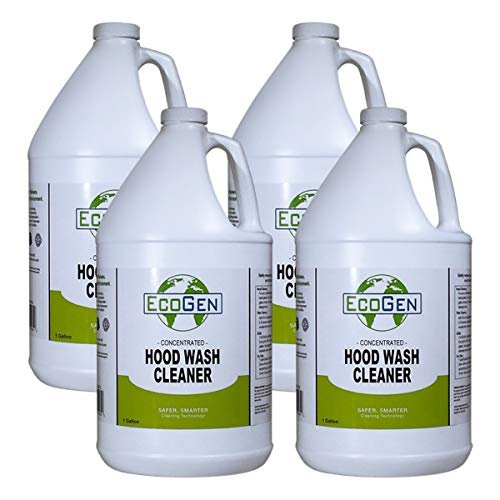
For St Louis kitchen owners looking for a powerful, eco-friendly solution to cut through heavy grease, EcoGen Powerful Biodegradable Degreaser delivers professional-strength cleaning without harsh, environmentally damaging chemicals. Its concentrated formula is designed for both industrial commercial kitchens and residential use, making it a versatile choice for anyone prioritizing safety, sustainability, and long-term cost savings. This guide covers everything you need to know about using EcoGen for effective, code-compliant kitchen hood cleaning in St Louis. For more on this, see our guide on industrial kitchen deep cleaning.
Why Kitchen Hood Cleaning Is Non-Negotiable for St Louis Kitchens
St Louis’s thriving food scene includes thousands of commercial kitchens, food trucks, and catering operations, all of which are required to adhere to NFPA 96 standards for exhaust system cleaning to pass local health and fire inspections. For residential homeowners, regular hood cleaning reduces indoor air pollution, prevents greasy odors from spreading through your living space, and lowers the risk of a kitchen fire caused by accumulated flammable grease.
Beyond safety, clean hoods improve ventilation efficiency, reducing the strain on your range fan and extending the lifespan of your cooking equipment by up to 30% when maintained on a regular schedule. Neglecting hood cleaning also leads to costly professional deep cleans and potential fines for non-compliant commercial kitchens. Many St Louis restaurant owners partner with certified industrial kitchen cleaning services to handle hard-to-reach ductwork, but routine monthly surface cleaning with a powerful degreaser like EcoGen reduces the need for expensive intensive cleanings between professional visits.
For homeowners, routine residential hood cleaning every 3-6 months is enough to prevent buildup, especially if you cook frequently with high-heat oils or fry foods regularly.
What Makes EcoGen Biodegradable Degreaser a Top Choice for St Louis Users
EcoGen’s formula is specifically engineered to tackle the heavy, polymerized grease that builds up in high-use kitchen exhaust systems, the type of baked-on grime that standard all-purpose cleaners cannot break down. Unlike harsh chemical degreasers that contain phosphates, ammonia, or other toxic ingredients, EcoGen is certified to meet U.S. Environmental Protection Agency (EPA) Safer Choice standards, meaning it breaks down naturally in wastewater systems without harming local ecosystems like the Mississippi River watershed that runs through St Louis. This makes it a popular choice for local businesses looking to meet sustainability goals while maintaining safety compliance.
The concentrated formula is also designed for versatility: it works on all common hood materials found in St Louis kitchens, including stainless steel, powder-coated aluminum, and galvanized steel, without causing corrosion or discoloration when used as directed. For residential users, it is safe for use on home range hoods, vent filters, and even nearby countertops when properly diluted and rinsed.
Key Benefits of EcoGen Hood Degreaser
 Professional-grade EcoGen degreaser, formulated to cut heavy grease while meeting EPA Safer Choice biodegradability standards.
Professional Grease-Cutting Power
EcoGen’s concentrated formula is formulated to dissolve even months of baked-on grease, oil splatter, and food residue in minutes, drastically reducing the time and effort required for hood cleaning. In practice, many St Louis restaurant operators report cutting their monthly hood cleaning time by 30-40% compared to using standard non-concentrated degreasers, even on exhaust systems with heavy buildup from high-volume cooking. The degreaser breaks down polymerized grease at a molecular level, making it easy to scrub away without excessive elbow grease, and prevents grease from re-adhering to surfaces after cleaning.
Eco-Friendly Formulation for Local Compliance
As an EPA Safer Choice-certified product, EcoGen contains no harsh volatile organic compounds (VOCs), phosphates, or toxic surfactants that can harm local waterways or create unsafe air quality for kitchen staff. For St Louis commercial kitchens, this makes it easy to meet local environmental regulations for cleaning chemical use, and aligns with sustainability goals for businesses seeking green certification. The biodegradable formula also means runoff from cleaning can be disposed of in compliance with local St Louis wastewater guidelines, with no risk of contaminating municipal water systems.
Cost-Effective Concentrated Use
The 4-gallon bulk pack of EcoGen degreaser is highly concentrated, meaning a single gallon can be diluted to make up to 20 gallons of ready-to-use cleaning solution depending on grease severity. This makes it far more cost-effective than pre-mixed, single-use degreasers, especially for high-volume commercial kitchens that clean their hoods weekly. For residential users, the concentrated formula also reduces plastic waste from single-use spray bottles, and the 4-gallon pack can be shared with neighbors or local cleaning services to split costs and reduce excess packaging.
Versatile Surface Compatibility
Unlike many heavy-duty degreasers that can corrode or damage sensitive hood finishes, EcoGen is safe for use on all common kitchen exhaust surfaces, including stainless steel canopies, aluminum filters, powder-coated metal ducts, and even painted hood surrounds when used at the recommended dilution ratio. This eliminates the need for multiple specialized cleaners for different parts of your exhaust system, simplifying your cleaning routine. Pairing EcoGen with professional-grade hood cleaning sprays and non-abrasive scrub pads ensures the best results for even the toughest baked-on grease.
How to Use EcoGen Degreaser for Safe, Effective Hood Cleaning
To get the best results from EcoGen and avoid damage to your hood or surfaces, follow these step-by-step guidelines for both commercial and residential use:
- Prep the area: Turn off your range hood and exhaust fan, remove all grease filters, and cover nearby countertops, backsplashes, and cooking surfaces with a drop cloth or plastic sheeting to protect them from degreaser drips. Use granite-safe surface cleaners for any stone or sealed surfaces near the work area.
- Dilute the concentrate: Follow the manufacturer’s recommended dilution ratio based on grease severity: for light residential buildup, mix 1 part EcoGen with 10 parts warm water; for heavy commercial grease, mix 1 part EcoGen with 4 parts warm water. Never use boiling water, as this can degrade the degreaser’s active ingredients.
- Apply and soak: Spray or brush the diluted solution onto all hood surfaces, filters, and accessible ductwork. Let it sit for 5-10 minutes for light buildup, or up to 15 minutes for heavy, baked-on grease. Do not let the solution dry on surfaces, as this can leave a sticky residue.
- Scrub and rinse: Use a non-abrasive scrub pad or soft-bristle brush to loosen remaining grease, then rinse all surfaces thoroughly with warm, clean water. Wipe dry with a clean microfiber cloth to prevent water spots.
- Dispose of runoff properly: While EcoGen is biodegradable, always follow local St Louis wastewater guidelines for cleaning chemical disposal. Avoid pouring large quantities of degreaser directly into storm drains, as even eco-friendly formulas can disrupt local aquatic ecosystems in high concentrations.
For added safety, wear rubber gloves and eye protection during cleaning, and avoid mixing EcoGen with other cleaning products (especially bleach or ammonia-based cleaners) as this can create toxic fumes. Always test the solution on a small, inconspicuous area of your hood first if you are using it on a new or sensitive surface.
Common Mistakes to Avoid When Cleaning Kitchen Hoods
- Skipping the pre-soak time: Rushing to scrub before the degreaser has time to break down polymerized grease reduces cleaning effectiveness and leads to extra scrubbing that can scratch hood surfaces.
- Using abrasive scrubbers: Steel wool or harsh scrub pads can scratch stainless steel and powder-coated hood finishes, creating tiny grooves that trap grease and bacteria over time, making future cleanings harder.
- Only cleaning the visible canopy: The NFPA reports that 70% of kitchen fire hazards from grease buildup occur in exhaust ductwork, not just the visible hood front. Be sure to clean accessible sections of your ductwork at least once a year, or hire a professional to clean hard-to-reach areas.
- Skipping filter cleaning: Grease filters catch the majority of cooking grease before it enters the ductwork, and should be removed and cleaned with EcoGen every 1-3 months for commercial kitchens, and every 3-6 months for residential use.
- Rinsing improperly: Leaving degreaser residue on hood surfaces creates a sticky film that attracts more grease and food particles, leading to faster buildup between cleanings. Always rinse thoroughly until water runs clear.
Commercial kitchen operators can also reduce long-term grime by selecting low-grease cooking oil options that produce less sticky exhaust residue during cooking. Home chefs who prioritize lower-grease meals like baked chex mix recipes will also notice less frequent hood buildup between deep cleaning sessions.
Frequently Asked Questions
What Is EcoGen Hood Cleaner Used For?
EcoGen Hood Cleaner is designed for deep cleaning of all kitchen exhaust system components, including range hood canopies, grease filters, exhaust fans, and accessible ductwork. It is effective for both commercial kitchen operations (St. Louis restaurants, food trucks, and catering facilities) and residential home kitchens, cutting through polymerized grease, oil splatter, and food residue that causes odors, reduced airflow, and fire hazards. It is also safe for use on most hood surfaces, including stainless steel, powder-coated metal, and aluminum when used as directed.
Is EcoGen Hood Cleaner Safe and Biodegradable?
Yes, EcoGen Hood Cleaner is certified to meet EPA Safer Choice standards, meaning it is fully biodegradable and free of harsh toxic chemicals that harm human health or the environment. It breaks down naturally in wastewater systems without contaminating local waterways, making it a safe choice for regular use in both commercial and residential kitchens. When used as directed, it poses no risk to kitchen staff or home occupants, and does not leave behind harmful chemical residues on food preparation surfaces when fully rinsed.
How Effective Is EcoGen Hood Cleaner On Grease?
EcoGen’s powerful degreasing formula is engineered to dissolve even thick, polymerized grease that has baked onto hood surfaces and filters over months of heavy use. In practice, it cuts through most grease buildup in 5-10 minutes of soaking time, requiring minimal scrubbing even for high-volume restaurant kitchens. It also prevents grease from re-adhering to surfaces after cleaning, keeping hoods cleaner for longer between maintenance sessions.
Can EcoGen Hood Cleaner Be Used On All Kitchen Hoods?
Yes, EcoGen Hood Cleaner is suitable for all common kitchen hood materials, including stainless steel, aluminum, powder-coated metal, and galvanized steel. For sensitive surfaces like polished stainless steel or painted hood surrounds, always test the diluted solution on a small, hidden area first to ensure no discoloration or damage occurs. Always follow manufacturer instructions for dilution ratios and contact times to avoid damage to delicate finishes.
How Many Gallons Come In An EcoGen Hood Cleaner Pack?
The standard EcoGen Hood Cleaner pack contains 4 gallons of concentrated formula. This quantity is ideal for commercial kitchens that clean their hoods weekly, as it makes up to 80 gallons of ready-to-use solution when diluted for heavy grease. For residential users, the 4-gallon pack can last 1-2 years of regular cleaning, or be split with other local homeowners to reduce upfront cost and storage needs.
Final Recommendations for St Louis Kitchen Owners
Regular kitchen hood cleaning is one of the most impactful maintenance tasks you can do to keep your St Louis kitchen safe, efficient, and odor-free. For commercial operators, consistent cleaning with EcoGen Powerful Biodegradable Degreaser helps you meet NFPA 96 fire safety standards, pass local health inspections, and reduce the risk of costly fire damage or business interruptions. For residential homeowners, it improves indoor air quality, extends the life of your range equipment, and helps with eliminating lingering kitchen odors caused by trapped grease and food particles.
EcoGen’s balance of professional-strength degreasing power and eco-friendly formulation makes it a top choice for St Louis users who want to avoid harsh chemicals while still meeting safety and maintenance goals. The concentrated 4-gallon pack offers long-term value for commercial kitchens, while residential users can split the pack with neighbors to reduce cost and waste. When cleaning, always follow safety guidelines, use proper dilution ratios, and prioritize cleaning hard-to-reach ductwork at least once a year to address hidden grease buildup.
If you lack the time or equipment to clean hard-to-reach ductwork, consider reaching out to professional hood cleaning services that specialize in St Louis commercial kitchen compliance. For more ways to keep your kitchen running smoothly, from meal prep to maintenance, explore our full library of everyday kitchen upkeep tips to reduce long-term buildup and keep your space safe. A clean, well-maintained hood also improves overall kitchen air quality, which helps with keeping produce fresh longer by reducing airborne grease particles that accelerate spoilage.
To purchase a 4-gallon pack of EcoGen Powerful Biodegradable Hood Degreaser for your St Louis home or business, visit the official product listing for fast local shipping and bulk pricing options for commercial operators. A clean hood is one of the simplest ways to protect your kitchen, your property, and the St Louis environment.

I’m Abby Lu, a passionate home cook who loves simplifying everyday meals. At PlugChef.com, I share product reviews and cooking guides to help you find the best tools for your kitchen.
Related posts:
 Rubber Feet for Kitchen Appliances: Enhance Stability & Protect Surfaces
 Best Way to Pack Kitchen Appliances: Tips for Space-Saving Solutions
 Best Single Serve Coffee Makers: Discover Top Picks for Quick Brews
 Best Vegetable Chopping Tools for Effortless and Precise Kitchen Prep
 Best Spinner for Northern Pike: Top Lures to Catch Trophy Fish
 Best Non Toxic Kitchen Utensil Set for Safe and Stylish Cooking