
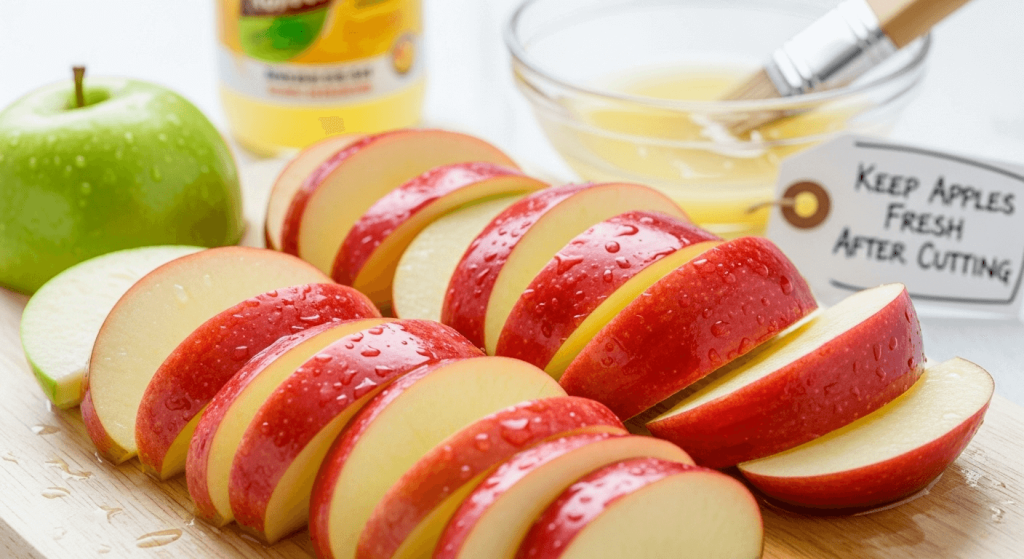
You’ve just sliced into a juicy apple, ready for a quick snack, but then it happens—those crisp, fresh pieces start to turn brown and look unappetizing. It’s frustrating to waste good fruit or lose that perfect crunch.
What if you could keep your apple slices fresh and tasty for longer? You’ll discover simple, effective tricks that make your cut apples stay fresh and delicious. Say goodbye to browning and soggy bites—your apple snacks are about to get a serious upgrade.
Keep reading to find out how!

Credit: food52.com
Why Apples Turn Brown
Apples turn brown after cutting because of a natural process that happens inside the fruit. This browning can make apples look less fresh and less appealing to eat. Understanding why this happens helps us find ways to keep apples fresh and tasty for longer.
The Role Of Enzymatic Browning
Enzymatic browning starts when apple cells break open after cutting. An enzyme called polyphenol oxidase (PPO) meets with phenolic compounds in the apple. This reaction produces brown pigments called melanin. The browning is a natural defense for the fruit.
Not all apples brown at the same speed. Some varieties have more PPO or phenolic compounds. This affects how quickly the browning appears.
Impact Of Oxygen Exposure
Oxygen in the air is needed for the browning process. When apple slices are cut, oxygen enters the exposed cells. The oxygen reacts with the enzymes and phenolic compounds to create brown color.
Reducing oxygen contact slows down browning. Wrapping apples tightly or storing them in airtight containers can help keep them fresh longer.
Choose The Right Apple Variety
Choosing the right apple variety plays a key role in keeping apples fresh after cutting. Different types of apples react differently to air and storage. Picking a variety that resists browning helps maintain a fresh look and taste. Some apples stay crisp and juicy longer, while others turn brown quickly. Knowing these differences can save time and reduce waste.
Best Varieties For Freshness
Some apple varieties naturally resist browning and stay fresh longer. These apples keep their color and texture well after cutting.
- Honeycrisp – Crisp, sweet, and slow to brown.
- Gala – Mild flavor and stays fresh for hours.
- Fuji – Very sweet, firm, and resists browning.
- Pink Lady – Tart taste and long-lasting freshness.
These apples are perfect for snacks, salads, and lunchboxes. Their firm flesh and slower oxidation help keep the apple looking fresh.
Varieties That Brown Quickly
Some apples brown faster after cutting due to higher enzyme activity. These apples need extra care to stay fresh.
- McIntosh – Soft texture, browns within minutes.
- Red Delicious – Sweet but prone to quick browning.
- Empire – Juicy but oxidizes rapidly.
- Cortland – Tends to brown fast without treatment.
These varieties work well when eaten quickly or treated with lemon juice or other antioxidants to slow browning.
Prepping Apples Properly
Apples are a delicious and healthy snack, but they brown quickly after cutting. Proper preparation can keep them fresh and crisp. With the right techniques, you can enjoy fresh apples longer.
Clean Cutting Techniques
A clean cut is essential for fresh apples. Use a sharp knife to slice through the apple smoothly. A dull knife can crush the flesh, speeding up browning. Wash the knife and cutting board before use. This prevents bacteria from hastening the apple’s decay.
Avoiding Bruising
Bruising accelerates browning in apples. Handle them gently to avoid this. Place apples on a soft surface while cutting. This reduces the impact and prevents bruises. Store cut apples in a single layer to minimize pressure. This helps them stay fresh and appealing.
:strip_icc()/BHG-how-to-store-apples-8385440-hero-02-45223-f8db99b3818341719c779cd49f8f0d97.jpg)
Credit: www.bhg.com
Simple Methods To Prevent Browning
Apples turn brown quickly after cutting due to oxidation. This happens when the fruit’s flesh meets air. Simple methods can slow down this process. These easy tricks keep apples fresh and tasty longer. Use natural ingredients found in your kitchen. These methods work well without special tools or preservatives.
Use Of Lemon Juice
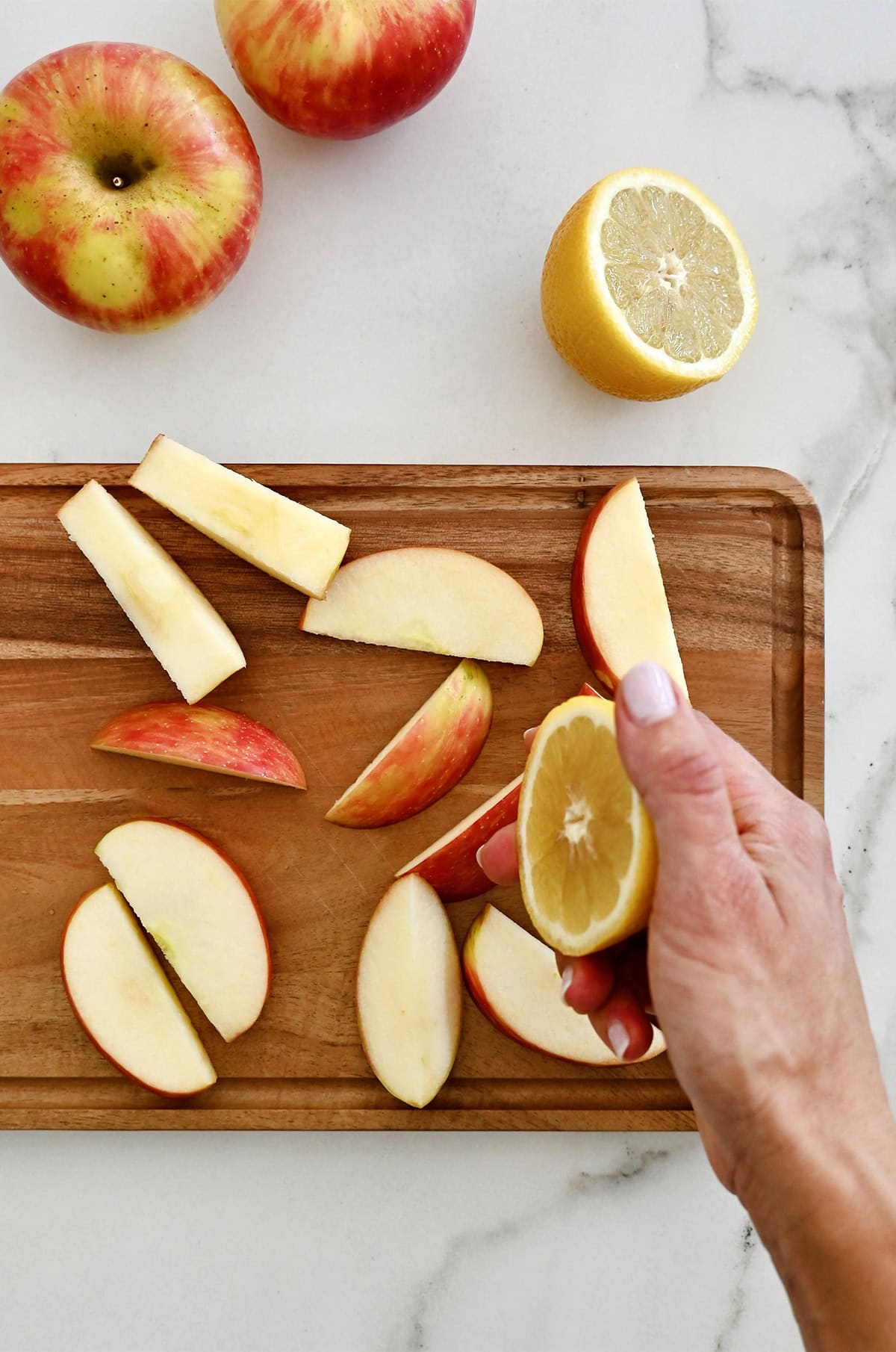
Lemon juice contains citric acid that stops browning. Dip apple slices in lemon juice for a few minutes. The acid blocks enzymes that cause color change. This method keeps apples bright and fresh. Use freshly squeezed lemon juice for best results. A light coating is enough to protect the fruit.
Salt Water Soak
Salt water helps prevent apple slices from browning. Mix half a teaspoon of salt in a cup of water. Soak apple pieces in this solution for three to five minutes. Rinse lightly with fresh water before storing. Salt slows down the oxidation process without changing taste. This is a budget-friendly way to keep apples fresh.
Honey And Water Mix
Honey has natural compounds that fight browning. Combine two tablespoons of honey with one cup of water. Soak apple slices in the mixture for about 30 seconds. Honey forms a protective layer on the apple’s surface. This method keeps apples sweet and fresh longer. It’s perfect for kids’ snacks or lunchboxes.
Storage Tips For Cut Apples
Cut apples spoil quickly without the right storage. Proper storage keeps them fresh and tasty longer. Follow these storage tips to maintain their crunch and flavor.
Choosing The Right Container
Select a container that seals tightly. Airtight containers limit air exposure and slow browning. Glass or BPA-free plastic containers work well. Avoid containers that allow air to enter. Use small containers to fit the amount of apple slices.
Optimal Temperature Settings
Store cut apples in the refrigerator. Keep the temperature between 32°F and 40°F (0°C to 4°C). This range slows down spoilage and browning. Avoid freezing cut apples as it changes texture. Place containers on shelves, not in the door, for steady temperature.
Keeping Apples Moist
Prevent apples from drying out by maintaining moisture. Place a damp paper towel inside the container. The towel adds humidity without wetness. Avoid soaking apples in water, which makes them mushy. Lightly spraying apple slices with lemon juice also helps retain moisture and color.
Credit: www.justataste.com
Using Natural Preservatives
Using natural preservatives helps keep cut apples fresh longer. These options slow down browning and preserve taste. Natural preservatives are safe and easy to use at home.
Vitamin C Powder
Vitamin C powder stops apples from turning brown fast. It works by blocking the enzyme that causes browning. To use, dissolve a small amount in water and soak apple slices for a few minutes. This method keeps apples looking fresh and tasty.
Ascorbic Acid Solutions
Ascorbic acid is another form of vitamin C that preserves apples well. You can buy it as a powder or liquid. Mix with water to create a dipping solution. Soak apple pieces in the solution for about five minutes. This prevents oxidation and maintains apple color and flavor.
Creative Ways To Enjoy Cut Apples
Cut apples offer many tasty possibilities beyond just eating them plain. Their natural sweetness and crisp texture make them a great addition to various dishes. Try these creative ideas to enjoy cut apples in fun and healthy ways.
In Salads And Snacks
Cut apples add a fresh crunch to salads. Mix them with leafy greens, nuts, and cheese for a balanced taste. Their sweetness pairs well with savory ingredients. Try adding apple slices to a spinach salad with walnuts and feta.
Apples also make a quick, healthy snack. Combine them with nuts or cheese for a filling bite. Keep them fresh by dipping in lemon juice to avoid browning.
Pairing With Dips
Apple slices go great with many dips. Sweet options like peanut butter or honey yogurt bring out apple’s flavor. For savory taste, try cream cheese or caramel sauce. These dips make apples more exciting and enjoyable.
Serve apple slices with a variety of dips for parties or snacks. It’s a simple way to add flavor and keep them fresh longer.
Common Mistakes To Avoid
Keeping cut apples fresh is not always easy. Many people make simple mistakes that spoil the fruit faster. Knowing these errors helps keep apples crisp and tasty longer.
Leaving Apples Exposed
Air causes apples to brown quickly. Leaving slices uncovered lets oxygen turn them brown and soft. Always cover apple slices with plastic wrap or store them in an airtight container. This small step slows down the browning process.
Using Damaged Slices
Damaged apple pieces spoil faster. Bruises or cuts let bacteria grow inside the fruit. Remove any damaged or bruised slices before storing. Only use firm, clean apple pieces to keep freshness longer.
Frequently Asked Questions
How Can I Prevent Cut Apples From Browning?
To prevent browning, apply lemon juice or vinegar on cut apples. These acidic agents slow oxidation and keep apples fresh longer.
What Is The Best Way To Store Cut Apples?
Store cut apples in an airtight container in the refrigerator. This minimizes air exposure and helps maintain freshness for up to 3 days.
Can I Use Water To Keep Apples Fresh After Cutting?
Yes, soaking cut apples in cold water reduces oxygen contact and slows browning. Add a bit of lemon juice for extra freshness.
How Long Do Cut Apples Stay Fresh In The Fridge?
Cut apples typically stay fresh for 3 to 5 days refrigerated. Use airtight containers and prevent air contact to extend their shelf life.
Conclusion
Cut apples stay fresh longer with simple steps. Use lemon juice or wrap slices tightly. Store them in the fridge to slow browning. These tips help keep your apples tasty and crisp. Enjoy fresh apples anytime without waste or fuss.
Try these easy methods and see the difference. Fresh fruit makes snacks and meals better every day. Keep apples ready for quick, healthy bites at home.

Hi, I’m Daniel Brooks—a food lover and kitchen gear enthusiast. I enjoy testing cookware, utensils, and gadgets to see what really works in everyday cooking. At PlugChef.com, I share honest reviews, comparisons, and simple guides to help you choose the best tools for a safer, smarter, and more enjoyable kitchen.
Related posts:
 What Type of Cooking Utensils are Safe: Expert Picks
 What Innovations Could Blenders Make: Unleashing Future Tech
 Smart Strategies to Organize a Small Kitchen: Maximize Space
 How to Organize a Kitchen Cabinet: Expert Tips & Tricks
 How to Organize Kitchen Drawers: Expert Tips and Tricks
 How to Organize a Corner Kitchen Cupboard: Expert Tips

