
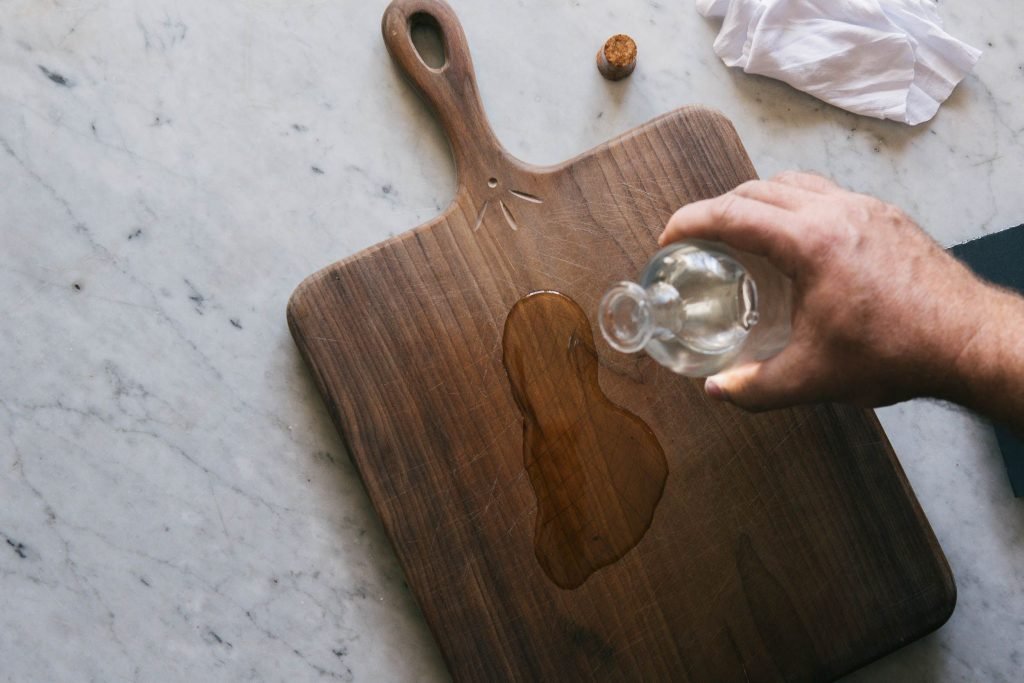
If you’ve ever wondered why your wooden cutting board is cracking, warping, or absorbing water like a sponge, the answer is almost always simple: it needs proper seasoning wooden cutting boards and regular mineral oil maintenance. Mineral oil is the most trusted, food-safe option for extending the life of wood and bamboo cutting boards, but far too many home cooks either under-apply it, leaving wood porous and vulnerable to bacteria, or over-apply it, creating a sticky surface that attracts food particles. The exact number of coats you need depends on your board’s material, age, and how frequently you use it—this guide breaks down the exact numbers, step-by-step application tips, common mistakes to avoid, and how to tell when your board is properly maintained, all based on standard kitchen maintenance best practices.
Why Food-Grade Mineral Oil Is the Best Choice for Cutting Boards
Unlike plant-based oils (olive, coconut, vegetable) that go rancid over time, leave off-flavors, and can harbor harmful bacteria, food-grade mineral oil is odorless, tasteless, and completely non-toxic for food contact. Per U.S. Food and and Drug Administration (FDA) food contact substance guidelines, USP-grade mineral oil is approved for direct use with food, making it a far safer choice than unregulated cosmetic or industrial mineral oil variants. It works by penetrating the wood fibers to create a water-resistant barrier that prevents moisture from seeping in, which is the main cause of warping, cracking, and bacterial growth in wooden boards. A common mistake is using baby oil, which contains added fragrances and moisturizers that are not safe for ingestion, even though its base is mineral oil—always opt for products explicitly labeled "food-grade" or "USP-grade" for kitchen use. The USDA also recommends regular oiling of wooden cutting boards to minimize bacterial harborage in dry, cracked wood fibers, per USDA food safety guidelines for kitchen surfaces.
The core benefits of properly oiled cutting boards are clear:
| Benefit | Description |
|---|---|
| Water resistance | Creates a barrier that prevents moisture from seeping into wood fibers, eliminating the main cause of warping and cracking. |
| Bacterial resistance | Smooth, oiled surfaces are less likely to harbor food particles and bacteria than dry, porous wood, per USDA food safety guidance. |
| Extended lifespan | Regular oiling can double or triple the life of a high-quality wooden cutting board, saving you money on replacements. |
| Enhanced appearance | Oil darkens the wood slightly and brings out its natural grain, giving your board a rich, polished look. |
Unlike many finishes that sit on top of the wood, mineral oil penetrates deep into the fibers, so it won’t peel or flake off over time, and it doesn’t alter the taste of food prepared on the board.
How Many Coats of Mineral Oil on Cutting Board Do You Need?
There is no one-size-fits-all answer to this question, as the required number of coats depends on your board’s material, age, and current condition:
- New, unfinished hardwood (maple, walnut, cherry) or end-grain boards: 3 to 4 initial coats. New wood is extremely porous, so each coat will absorb fully within 20-30 minutes. Multiple coats are needed to saturate the inner fibers and create a full protective barrier.
- Regularly maintained, seasoned wood or bamboo boards: 1 to 2 coats per oiling session. These boards already have an existing oil finish, so a light top-up is enough to replenish lost moisture.
- Severely dry, cracked, or neglected boards: Up to 5 coats, applied over 2 days. If the wood is deeply dried out, applying all coats at once will lead to excess oil pooling on the surface. Apply 1-2 coats on day 1, let them absorb fully, then apply 1-2 more on day 2 for best results.
To confirm you’ve applied enough coats, sprinkle a few drops of water on the board surface after the final coat has cured for 24 hours. If the water beads up, the finish is sufficient. If it soaks into the wood immediately, apply 1 more coat.
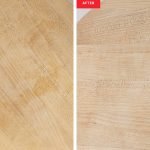
 Image source: www.reddit.com
Step-by-Step Guide to Oiling Your Cutting Board Correctly
Applying mineral oil is simple, but following the right steps ensures even coverage and avoids common mistakes like stickiness or warping:
- Prep the board thoroughly first. If your board has existing stains or odors, treat those first using our guides to removing stubborn cutting board stains and eliminating odors from wooden boards. Then wash the board using our guide to cleaning wooden cutting boards with vinegar for a deep, sanitizing clean. Rinse completely, pat dry with a clean towel, and let it air dry for at least 2 hours. For extra thorough drying, place the board in a 200°F (93°C) oven for 10 minutes to drive out all residual moisture—applying oil to a damp board will trap water under the surface, leading to warping and mold growth.
- Apply the first coat. Pour a generous amount of food-grade mineral oil directly onto the board surface. Use a lint-free cloth or paper towel to spread the oil evenly across every surface: the top, bottom, all four sides, edges, and any wooden handles. Do not skip the edges or underside—these areas are just as prone to drying and cracking as the top cutting surface.
- Let the oil absorb. Set the board in a well-ventilated area away from direct sunlight or heat sources. Let it sit for 20-30 minutes for seasoned boards, or 45-60 minutes for new, porous boards, until the wood stops absorbing oil and a small amount of excess pools on the surface.
- Wipe off all excess oil. Use a clean, dry cloth to wipe away any oil that has not soaked into the wood. This step is critical to avoid a sticky, tacky finish that attracts food particles and bacteria.
- Repeat for additional coats. Apply the next coat only once the previous one has been fully absorbed and excess wiped away. Continue until you reach the recommended number of coats for your board type.
- Allow the board to cure fully. Do not use the board for food preparation for at least 24 hours after the final coat, to let the oil fully penetrate and set.
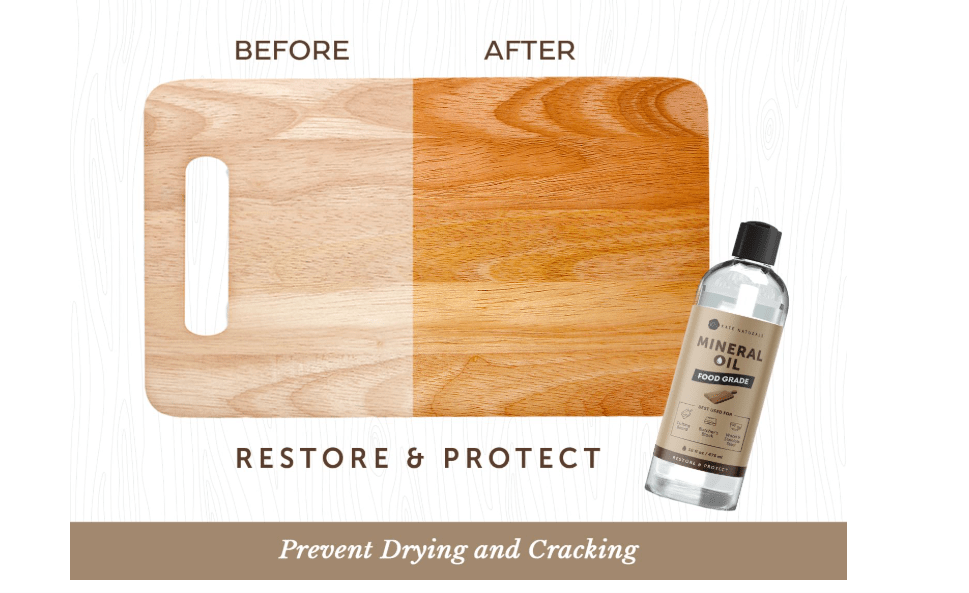 Applying mineral oil evenly to all surfaces, including edges, ensures full coverage
Signs Your Board Needs More (or Fewer) Coats of Mineral Oil
Knowing when to oil your board is just as important as knowing how many coats to apply. Watch for these signs to avoid under- or over-maintaining your board:
Signs you need to apply more coats:
- Water droplets immediately soak into the wood instead of beading up, indicating the wood fibers are exposed and porous.
- The surface feels rough to the touch, or you can see small cracks forming along the grain lines.
- The board has lightened in color compared to when it was new, a sign it has lost its natural moisture content.
- Food particles stick to the surface more easily than usual, or you notice lingering odors after washing.
- The board has developed small dark spots, an early sign of mold growth from trapped moisture (if you see mold, treat it first using our guide to treating mold on wood cutting boards before oiling).
Signs you are over-oiling:
- The surface feels sticky or tacky to the touch, even after wiping off excess oil.
- Oil pools on the surface when you set the board down on a flat counter.
- The board has an overly glossy, almost plastic-like finish that was not present before oiling.
- Food slips off the board more easily than usual, as the excess oil creates a slick surface. If you notice over-oiling signs, simply wipe off all excess oil with a paper towel, let the board air out in a well-ventilated area for 24 hours, and it will return to its normal, functional state. Over-oiling will not damage the board itself, it only impacts usability.
How Often Should You Oil Your Cutting Board?
The original guidance of "once a month" is a rough average, but oiling frequency should be adjusted based on your usage and cleaning habits:
- Light use (1-2 times per week): Oil every 4-6 weeks.
- Moderate use (3-5 times per week): Oil every 2-3 weeks.
- Heavy use (daily home use or commercial kitchen use): Oil every 1-2 weeks.
- Boards washed with hot water and soap frequently, or left to air dry for long periods: Add 1 extra oiling per month to compensate for faster moisture loss.
Bamboo cutting boards are more porous than traditional hardwood boards, so they require more frequent oiling: plan to oil them every 2 weeks even with moderate use to prevent cracking. Always hand wash wooden cutting boards with mild soap and warm water, and dry them immediately after washing to extend the time between oiling sessions.
Common Mistakes to Avoid When Oiling Your Cutting Board
Many home cooks accidentally damage their cutting boards or reduce their effectiveness by making these simple errors:
- Using non-food-grade mineral oil: Industrial, cosmetic, or baby mineral oil often contains additives like fragrances, moisturizers, or solvents that are not safe for food contact. Always look for products labeled "USP-grade", "food-grade", or "NSF certified for food contact".
- Oiling a damp board: Even small amounts of residual moisture will trap oil under the wood surface, leading to warping, swelling, and mold growth. Always confirm the board is 100% dry before applying oil.
- Using plant-based oils: Olive oil, coconut oil, vegetable oil, and other cooking oils go rancid over time, leave off-flavors on food, and create a breeding ground for bacteria. Stick to food-grade mineral oil or board cream (a blend of mineral oil and beeswax) for best results.
- Skipping edges and the underside: These areas are just as vulnerable to drying and cracking as the top cutting surface, so always apply oil to every side of the board.
- Oiling right before use: Freshly applied oil needs 24 hours to cure fully. Using the board immediately after oiling can transfer oil to your food, and will not allow the oil to fully penetrate the wood.
Mineral Oil Alternatives for Cutting Board Maintenance
While food-grade mineral oil is the most popular, low-maintenance option for cutting boards, there are a few safe alternatives for specific use cases:
- Board cream: A blend of food-grade mineral oil and beeswax, board cream creates a harder, more water-resistant finish than plain mineral oil. It is ideal for end-grain boards, which absorb more oil and benefit from the extra wax barrier, or for boards used frequently for raw meat preparation.
- Polymerized tung oil or linseed oil: These plant-based oils create a very durable, hard finish, but only use products explicitly labeled as food-safe and fully cured. Raw tung oil or linseed oil will go rancid over time, so avoid unprocessed versions for cutting boards.
Avoid using vegetable oils, olive oil, coconut oil, petroleum jelly, or any oil not explicitly labeled as food-safe, as these can spoil, harbor bacteria, or leach harmful chemicals into food. If you’re looking for a long-lasting, custom cutting board that holds up to heavy use, check out our guide to building a durable hardwood cutting board for step-by-step construction tips.
Frequently Asked Questions
How many coats of mineral oil should I apply to a brand new cutting board?
New, unfinished hardwood or end-grain boards need 3 to 4 initial coats to fully saturate the porous wood fibers. Apply 1 coat, let it absorb fully, wipe off excess, and repeat until you reach 3-4 coats, then let the board cure for 24 hours before first use.
How long does each coat of mineral oil take to soak in?
For seasoned boards, each coat takes 20-30 minutes to fully absorb. For new, porous boards, each coat may take 45-60 minutes to soak in completely. You’ll know the coat is fully absorbed when the wood stops taking up oil and a small amount of excess pools on the surface.
Can I apply too many coats of mineral oil to a cutting board?
Yes, but over-oiling will not damage the board itself—it will only create a sticky, tacky surface that attracts food particles and bacteria. If you over-oil, simply wipe off all excess oil with a clean cloth, let the board air out in a well-ventilated area for 24 hours, and it will return to normal.
How often should I reapply mineral oil to my cutting board?
Oiling frequency depends on use: light use (1-2 times per week) requires oiling every 4-6 weeks, moderate use (3-5 times per week) every 2-3 weeks, and heavy daily use every 1-2 weeks. Bamboo boards require more frequent oiling, every 2 weeks even with moderate use, due to their high porosity.
Can I use mineral oil on plastic cutting boards?
No, mineral oil is only for wood, bamboo, or other porous natural material cutting boards. For plastic boards, use a diluted bleach solution or sanitizer to clean and maintain them, as oil will leave a slippery, unsanitary residue on non-porous surfaces.
Conclusion
Properly maintaining your cutting board with mineral oil is one of the easiest ways to extend its lifespan by years, avoid warping and cracking, and keep it safe for food preparation. The exact number of coats you need depends on your board’s material and condition: 3-4 for new unfinished boards, 1-2 for regularly maintained boards, and up to 5 for severely neglected boards. Always use food-grade mineral oil, apply it to a completely dry board, and wipe off all excess to avoid stickiness. With regular, simple maintenance, a high-quality wooden cutting board can last 10 years or more. If you’re in the market for a durable, custom board that holds up to heavy use, check out our guide to constructing a durable butcher block cutting board for step-by-step build instructions.

I’m Abby Lu, a passionate home cook who loves simplifying everyday meals. At PlugChef.com, I share product reviews and cooking guides to help you find the best tools for your kitchen.
Related posts:
 How is a Cutting Board Stabilized: Expert Tips for Ultimate Safety
 How Do You Treat a Bamboo Cutting Board: Expert Care Tips Revealed
 How to Clean Teak Cutting Board: Easy Steps for Lasting Shine
 How to Seal a Wooden Cutting Board: Easy Steps for Lasting Protection
 How to Easily Remove Cutting Board Stains: Expert Cleaning Tips
 Organizing Can Goods in Pantry: Smart Storage Hacks

