
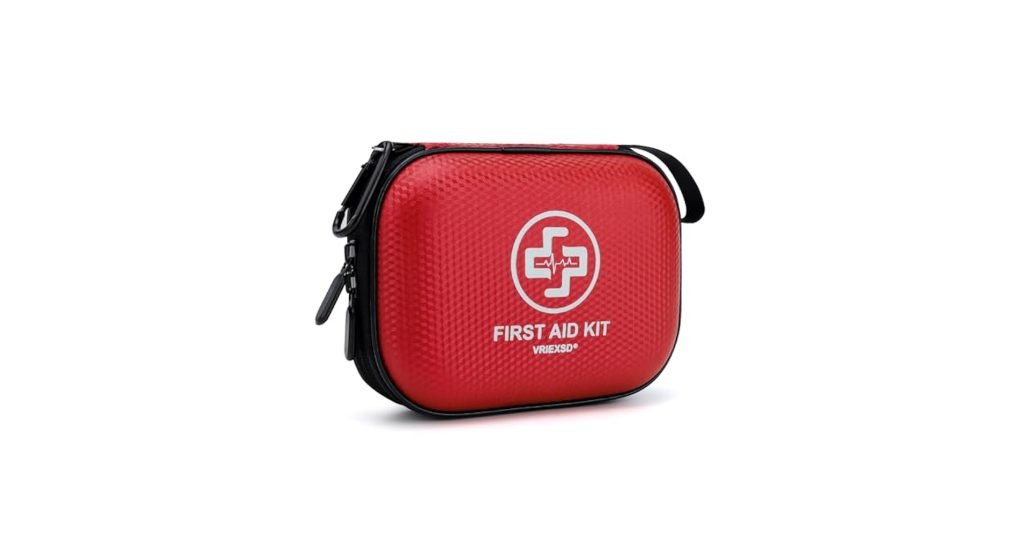
You’re making dinner, and your toddler trips and scrapes their knee on the kitchen floor. You grab your household first aid kit, only to find the antiseptic wipes are loaded with synthetic fragrances that make their sensitive skin break out in a rash, and the bandages have harsh adhesives that stick to the wound. For many families, this is a common, avoidable frustration. A non-toxic first aid kit eliminates this risk entirely: it’s stocked with gentle, chemical-free supplies that treat minor injuries without introducing new irritation, long-term toxin exposure, or environmental harm. In this guide, we’ll break down exactly what makes a kit truly non-toxic, how to build one tailored to your family’s unique needs, and simple maintenance tips to keep it ready for any small emergency. Whether you’re a parent of young kids, managing allergies, or just looking to reduce harsh chemicals in your home, this is the only guide you need to get started.
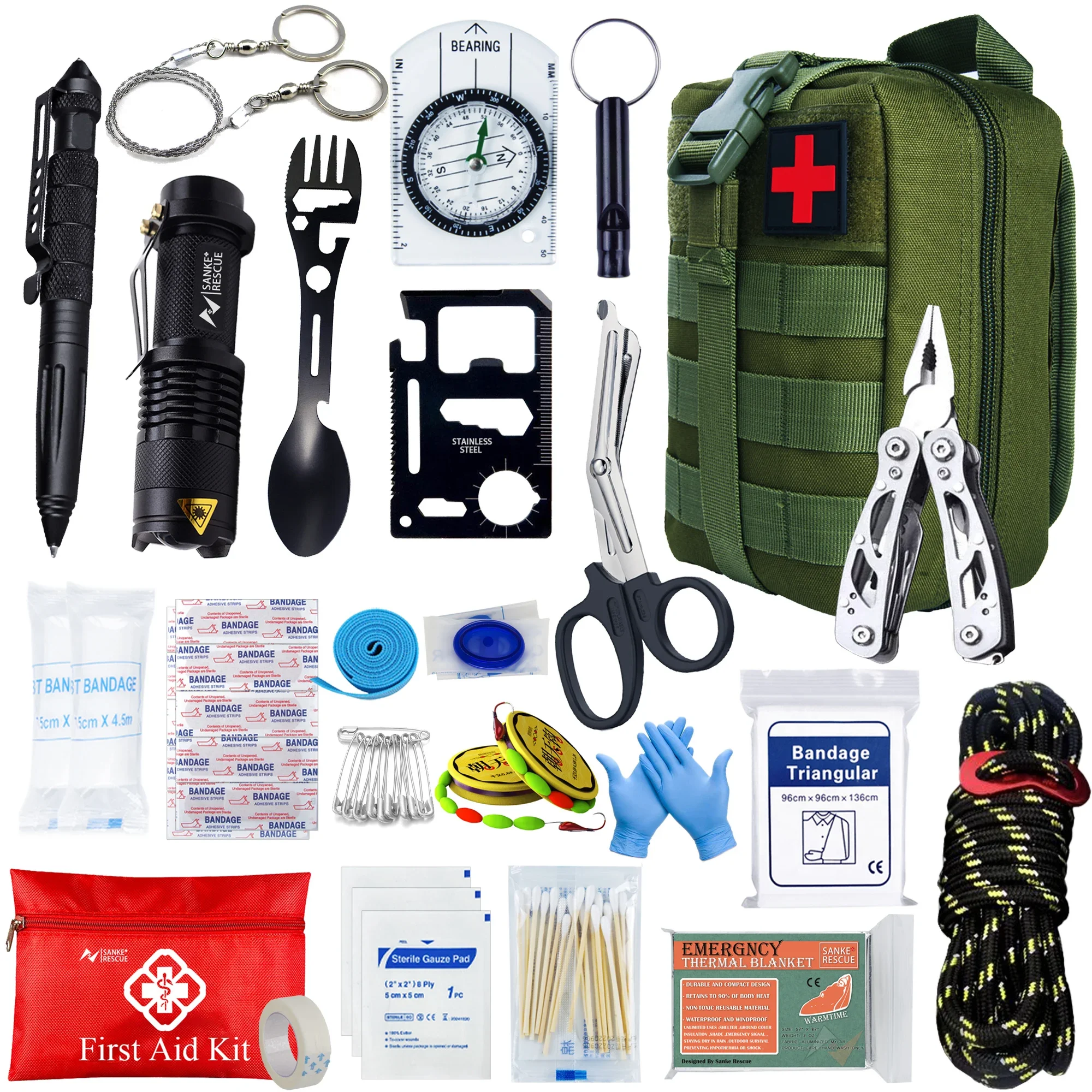 Credit: www.ebay.com
A well-stocked non-toxic kit includes only gentle, chemical-free supplies for every common household injury.
Credit: www.ebay.com
A well-stocked non-toxic kit includes only gentle, chemical-free supplies for every common household injury.
Why Non-Toxic First Aid Kits Are a Non-Negotiable for Modern Families
Conventional first aid kits often contain supplies with hidden harsh chemicals: synthetic fragrances in antiseptics, plastic-based adhesives on bandages, and preservatives in ointments that can irritate sensitive skin, trigger allergic reactions, and even contribute to long-term toxin buildup with repeated use. For families with young children, eczema, allergies, or pets, these risks are avoidable with a simple switch to non-toxic alternatives.
Reduced Risk for Sensitive Skin, Kids, and Pets
Kids’ skin is 30% thinner than adult skin, making it far more absorbent to synthetic chemicals, per dermatologist guidance. For households with pets who are prone to chewing on bandages or licking ointments, non-toxic supplies eliminate the risk of accidental poisoning from industrial chemicals common in conventional products. Even for adults with sensitive skin or chronic conditions like contact dermatitis, non-toxic kits prevent painful secondary rashes that can linger for days after a minor injury.
Long-Term Health and Environmental Benefits
Repeated low-level exposure to chemicals like phthalates (found in many synthetic fragrances) and parabens (common in wound ointments) has been linked to hormonal disruption and other long-term health concerns, per ongoing EPA research. Non-toxic first aid supplies use biodegradable, plant-based materials that break down safely when disposed of, reducing plastic waste that ends up in landfills and oceans. Many non-toxic bandages, for example, are made from unbleached cotton and natural rubber, so they decompose in months rather than centuries like conventional plastic-coated bandages.
Debunking the "Less Effective" Myth
A common misconception is that natural first aid supplies are less effective at preventing infection or relieving pain than conventional chemical-based options. In practice, ingredients like medical-grade honey (approved by the FDA for wound care) and tea tree oil have been clinically shown to kill bacteria just as effectively as alcohol-based antiseptics, without the stinging or drying effect. Arnica montana, a plant-based pain relief option, has been studied for its ability to reduce bruising and swelling as effectively as over-the-counter NSAIDs for minor injuries, with no risk of stomach irritation.
Core Components of a Truly Non-Toxic First Aid Kit
A truly non-toxic first aid kit goes beyond just swapping out one or two items — it avoids all supplies with known harmful additives, and prioritizes gentle, effective alternatives for every common injury type. Per CDC first aid kit guidelines, every household should keep a stocked kit accessible for common minor injuries, with supplies tailored to your family’s specific needs.
Non-Toxic Antiseptics and Wound Cleansers
Antiseptics are the first line of defense against infection for cuts, scrapes, and burns. Avoid conventional antiseptic wipes that contain alcohol, synthetic fragrances, or triclosan (a banned antibacterial chemical linked to hormonal issues). Instead, opt for:
- Diluted witch hazel (alcohol-free) for gentle wound cleansing without stinging
- Medical-grade Manuka honey for deep wound cleaning and antibacterial protection (ideal for burns and slow-healing cuts)
- 100% pure aloe vera gel (no added fragrances or colors) for soothing irritated skin and minor burns
- Tea tree oil (diluted to 5% in a carrier oil like coconut oil) for its natural antibacterial and antifungal properties
Always do a patch test on intact skin before applying any new antiseptic to a wound, especially for kids and allergy-prone family members.
Chemical-Free Bandages and Dressings
Conventional bandages often have plastic coatings, synthetic adhesives, and bright dyes that can irritate sensitive skin and leach chemicals into wounds. Look for:
- Bandages made with 100% organic cotton fabric, unbleached and undyed
- Adhesives made from natural rubber or medical-grade silicone, which stick securely without pulling at skin or leaving residue
- Biodegradable, plastic-free bandages that break down safely when disposed of
- Hydrocolloid dressings (free of petroleum derivatives) for blisters and minor burns, which keep wounds moist to speed healing without harsh chemicals
 Credit: www.amazon.com
Look for bandages with natural rubber adhesives and unbleached cotton to avoid skin irritation.
Credit: www.amazon.com
Look for bandages with natural rubber adhesives and unbleached cotton to avoid skin irritation.
Gentle Pain Relief and Anti-Inflammatory Options
Over-the-counter pain relievers like acetaminophen and ibuprofen have their place for severe pain, but for minor aches, bruises, and inflammation, non-toxic alternatives are a safe first line of defense:
- Arnica montana gel or cream for reducing bruising, swelling, and muscle soreness
- Lavender essential oil (diluted in a carrier oil) for calming minor pain and reducing anxiety associated with minor injuries
- Cool chamomile compresses (steeped chamomile tea bags applied to skin) for soothing insect bites, rashes, and minor skin irritation
- Peppermint essential oil (diluted) for cooling sunburns and relieving headache pain when applied to the temples
Red-Flag Items to Exclude Completely
Even products labeled "natural" or "gentle" can contain hidden harmful additives. Avoid adding any of these to your non-toxic kit:
- Products with vague "fragrance" or "parfum" listed as an ingredient, which often hides dozens of unlisted synthetic chemicals
- Antiseptics containing triclosan, methanol, or high concentrations of alcohol (which can damage delicate skin and be toxic if ingested by kids or pets)
- Bandages with petroleum-based adhesives or plastic coatings that are not biodegradable
- Ointments with parabens, phthalates, or mineral oil (a petroleum byproduct that can clog pores and irritate skin)
- Any product that does not list full ingredient disclosure on its packaging
How to Build a Custom Kit for Your Family’s Unique Needs
No two families have the same first aid needs, so tailor your kit to your household’s specific circumstances to make it as useful as possible.
Kits for Homes with Young Kids
For families with toddlers and young children, prioritize supplies that are safe if accidentally ingested, and gentle on delicate skin. Add child-sized bandages with fun prints to make bandaging less scary, alcohol-free antiseptic wipes that don’t sting, and a small tube of pure aloe vera for inevitable playground burns and scrapes. Keep a dosage chart for any natural pain relievers you include, and store the kit out of reach of young kids but accessible to adults in under 10 seconds. Most minor cuts in the kitchen come from improper knife handling; our guide to knife selection basics covers how to choose and care for kitchen tools to reduce injury risk at home.
Kits for Allergy-Prone Household Members
If anyone in your home has seasonal allergies, eczema, or contact dermatitis, avoid any supplies with latex (opt for latex-free bandages and gloves), synthetic dyes, or added fragrances. Keep a small tube of hypoallergenic, fragrance-free moisturizer in the kit to apply to irritated skin after cleaning a wound, and include an oral antihistamine (non-toxic, dye-free formulation) for unexpected allergic reactions to insect bites or minor injuries.
Pet-Friendly Add-Ons
If you have dogs, cats, or other pets, add pet-specific supplies to your kit, including a pet-safe antiseptic spray (avoid essential oils like tea tree, which are toxic to cats and dogs), tweezers for removing ticks or splinters, and a small pair of scissors for trimming fur around wounds. Minor nicks from at-home hair cutting shears are a common small injury; our tips for safe at-home grooming help you avoid these accidents entirely. Keep the vet’s emergency number taped to the outside of the kit for quick access.
 Credit: rubyloo.co
Don’t forget pet-specific supplies if you have furry family members who are prone to minor injuries.
Credit: rubyloo.co
Don’t forget pet-specific supplies if you have furry family members who are prone to minor injuries.
How to Vet Non-Toxic First Aid Products
Not every product labeled "natural" or "eco-friendly" lives up to its claims — greenwashing is rampant in the first aid supply space. Follow these steps to vet products before adding them to your kit:
Decoding Labels and Certifications
Start by reading the full ingredient list, not just the front-of-package marketing. Avoid any product that lists "fragrance," "parfum," "dyes," or "preservatives" without specifying what they are. When shopping, look for the EPA Safer Choice certification, which verifies products meet strict human health and environmental safety standards, rather than vague unregulated "natural" claims. Other reliable certifications to look for include USDA Organic, OEKO-TEX Standard 100 (for products that touch broken skin), and Leaping Bunny (for cruelty-free products).
Trusted Brands vs. Greenwashing Traps
In practice, we’ve found that brands that specialize exclusively in natural health or eco-friendly medical supplies are far more reliable than mainstream brands that release a small line of "natural" first aid products as a marketing afterthought. Look for brands that publish full ingredient lists, explain their sourcing practices, and have transparent manufacturing processes. A common greenwashing trap is products that say "made with natural ingredients" but only include 1% aloe vera, with the rest being synthetic chemicals — always check the full ingredient list, not just the front label.
Maintenance and Storage Tips to Keep Your Kit Ready
Even the best-stocked non-toxic first aid kit is useless if supplies are expired, damaged, or hard to find in an emergency. Follow these simple maintenance and storage tips to keep your kit ready at all times:
Regular Checkups and Replacement Schedules
Check your kit every 3 months (set a reminder on your phone tied to seasonal changes to make it easy) to replace expired supplies: natural antiseptics, aloe vera gel, and essential oils typically have shorter shelf lives (12-18 months) than conventional alcohol-based supplies, so mark expiration dates clearly on the bottom of each bottle. Restock any used supplies immediately after an injury, and update the kit seasonally: add extra bug bite relief and aloe for summer, and extra moisturizer and lip balm with SPF for winter.
Smart Storage for Home, Travel, and the Car
Store your main home kit in a cool, dry, easily accessible spot known to all adult household members — a hall closet or kitchen pantry drawer works well. Avoid storing it in the bathroom, where steam and humidity can degrade supplies quickly. For car or travel kits, opt for a compact, sealed container that fits in a glove box or backpack; compact portable storage options are lightweight and durable enough for on-the-go use. Storing your kit in a clear, labeled container helps everyone in the household find it quickly in an emergency. For a home kit, sorted storage compartments work well for keeping items sorted by type (antiseptics, bandages, pain relief, etc.).
Frequently Asked Questions
What Is A Non Toxic First Aid Kit?
A non-toxic first aid kit is a collection of medical and wound care supplies that are free from known harmful chemicals, including synthetic fragrances, parabens, phthalates, harsh dyes, and petroleum-based derivatives. These kits are designed to treat minor injuries like cuts, scrapes, burns, insect bites, and bruises without introducing unnecessary toxin exposure to the body or the environment, making them safe for use on children, pets, and allergy-prone individuals.
Why Choose Non Toxic First Aid Kits Over Conventional Options?
Conventional first aid supplies often contain harsh chemicals that can irritate sensitive skin, trigger allergic reactions, and contribute to long-term low-level toxin exposure with repeated use. Non-toxic kits eliminate these risks while providing equally effective care for minor injuries, and they use biodegradable materials that reduce environmental waste. For families prioritizing a low-toxin home environment, they are a simple, high-impact swap.
What Items Are Essential For A Non-Toxic First Aid Kit?
Every non-toxic kit should include alcohol-free antiseptic wipes or diluted witch hazel, chemical-free bandages with natural adhesives, pure aloe vera gel, a natural pain relief option (like arnica gel), tweezers, small scissors, hypoallergenic medical tape, and nitrile gloves. Add pet-specific supplies, oral antihistamines, and essential oil blends tailored to your family’s needs for a more comprehensive kit.
Are Non-Toxic First Aid Kits Effective For Serious Emergencies?
Non-toxic first aid kits are designed for minor, everyday injuries like cuts, scrapes, burns, and insect bites. For severe injuries, heavy bleeding, or medical emergencies, call 911 immediately and use conventional first aid supplies as needed — non-toxic options are a complement to, not a replacement for, conventional emergency care when life-threatening situations arise. Always keep a conventional first aid kit in your home as a backup for severe emergencies, and consult a healthcare provider for any wound that shows signs of infection (increased redness, swelling, pus, or fever) after 24 hours.
Can I Make My Own Non-Toxic First Aid Kit For Less?
Absolutely — building a DIY non-toxic first aid kit is far more affordable than buying a pre-made option, and you can customize it exactly to your family’s needs. Start with a small airtight container, add basic supplies like cotton balls, tweezers, and scissors, then fill it with natural antiseptics, bandages, and pain relief options you can source from natural health stores or online. Many natural antiseptics like witch hazel and aloe vera are also multi-purpose, so you can use them for other household needs beyond first aid.
Final Thoughts: Small Changes, Big Peace of Mind
A non-toxic first aid kit is one of the simplest, most impactful swaps you can make to create a safer, lower-toxin home for your family. You don’t need to replace every supply in your existing kit overnight — start by swapping out high-use items like adhesive bandages and antiseptic wipes for non-toxic alternatives, and build out your kit over time as supplies expire. The peace of mind that comes from knowing every item in your kit is safe for your loved ones, and gentle on the planet, is well worth the small effort.
For more actionable tips on creating a safe, eco-friendly home for your family, browse our full family safety resource library for guides on everything from reducing household toxins to kitchen safety basics. If you’re looking for durable, airtight storage to keep your first aid kit dry and organized, sorted storage compartments are a reliable, reusable option for home or travel use.

I’m Abby Lu, a passionate home cook who loves simplifying everyday meals. At PlugChef.com, I share product reviews and cooking guides to help you find the best tools for your kitchen.
Related posts:
 How Does a Certified Organic Kitchen Clean Dishware Efficiently?
 How to Decorate With Wire Baskets: Chic and Creative Ideas
 Kitchen Organization Tips for Meal Prep: Boost Efficiency
 Dollar Tree Kitchen Organization Hacks: Budget-Friendly Tips
 Slate Kitchen Appliances With White Cabinets: Style Upgrade
 Small Electrical Appliances: Maximize Your Home Efficiency

