
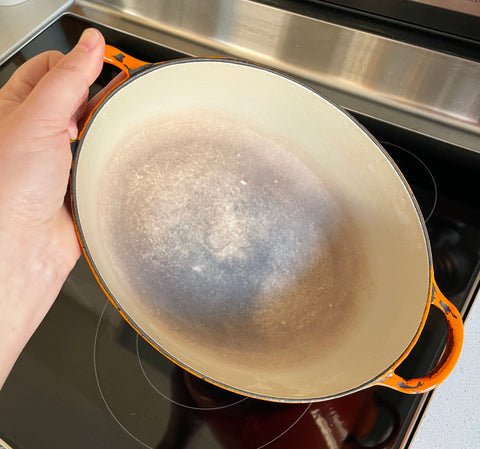
If you love cooking with enamel cookware, you know how important it is to keep it looking shiny and new. But cleaning these pots and pans can sometimes feel tricky.
You might wonder how to remove stubborn stains without damaging the enamel surface. What if there was a simple way to bring back that smooth, glossy finish every time? In this guide, you’ll discover easy, effective tips to clean your enamel cookware quickly and safely.
By the end, you’ll feel confident maintaining your favorite kitchen tools so they last for years to come. Ready to make your enamel cookware sparkle? Let’s dive in!

Credit: food52.com
Choosing The Right Cleaning Tools
Choosing the right cleaning tools is key to keeping your enamel cookware looking beautiful and lasting longer. Using the wrong materials can scratch the enamel or dull its shine. You want tools that gently clean without damaging the surface, making maintenance easy and effective.
Soft Sponges And Cloths
Soft sponges and cloths are your best friends for cleaning enamel cookware. They remove dirt and food residue without scratching the surface. Microfiber cloths work well because they trap grease and grime gently.
I once used a soft sponge to clean a stubborn stain, and it came off quickly without leaving marks. This shows how gentle tools can still be powerful cleaners.
Avoiding Abrasive Materials
Abrasive scrubbers like steel wool or rough scouring pads can ruin your enamel’s finish. Even if a stain is tough, avoid these harsh tools. They cause tiny scratches that dull the enamel and make it prone to chipping.
Ask yourself: Is that stubborn spot worth damaging your cookware? Usually, gentle cleaning methods work better in the long run.
Using Non-toxic Cleaners
Choose non-toxic cleaners to protect both your cookware and your health. Harsh chemicals can wear down the enamel and leave harmful residues. Instead, opt for natural products like baking soda, white vinegar, or mild dish soap.
These cleaners are effective and safe, making your cleaning routine healthier and more environmentally friendly. Plus, they often cost less and are easy to find around the house.

Credit: dwellingonthepast.ca
Routine Cleaning Steps
Keeping your enamel cookware in top shape requires a routine cleaning process that’s both gentle and effective. Skipping or rushing through these steps can damage the enamel surface over time. Here’s how to care for your cookware with simple, practical cleaning habits that you can easily fit into your kitchen routine.
Soaking To Loosen Residue
After cooking, don’t let food residue harden on your enamel pots or pans. Fill the cookware with warm water and a few drops of mild dish soap. Let it soak for 15 to 30 minutes to soften stuck-on bits without scrubbing harshly.
This soaking step saves you from scrubbing too hard, which can scratch the enamel. Have you noticed how stubborn stains become easier to remove after a good soak? It’s a small habit that protects your cookware’s finish and extends its life.
Gentle Washing Techniques
Use a soft sponge or cloth for washing your enamel cookware. Avoid metal scrubbers or abrasive pads that can chip or dull the surface. If you encounter tough stains, try sprinkling baking soda on the damp surface and gently rubbing it with a sponge.
Rinsing thoroughly is key. Any leftover soap or baking soda residue can affect the taste of your next meal. How often do you check the texture of your sponge? A worn sponge can cause scratches, so replace it regularly for the best results.
Drying Properly
After washing, dry your enamel cookware immediately with a soft towel. Air drying can cause water spots or rust on exposed metal rims. Make sure to dry both inside and outside thoroughly to keep your cookware looking pristine.
Storing your cookware completely dry prevents moisture buildup, which can damage the enamel coating. Have you tried drying with a microfiber cloth? It picks up moisture quickly without leaving lint behind, making your routine even easier.
Removing Stubborn Stains
Stubborn stains on enamel cookware can fade with gentle scrubbing using baking soda and warm water. Let the mixture sit for a few minutes before wiping clean. Avoid harsh tools to protect the enamel surface.
Stubborn stains on enamel cookware can be a real headache, especially if you’re passionate about keeping your kitchenware looking pristine. These stains can often seem impossible to remove, but with the right techniques, you can restore your pots and pans to their former glory. Here are some tried-and-true methods to tackle those pesky marks.Baking Soda Paste Method
Creating a paste with baking soda is a simple yet effective way to tackle stubborn stains. Mix a few tablespoons of baking soda with water until you get a thick paste. Apply this paste generously over the stained areas of your enamel cookware. Let the paste sit for about 15 minutes. This waiting period allows the baking soda to work its magic, loosening the grime. Afterward, scrub the area gently with a non-abrasive sponge. Have you ever been amazed by how baking soda seems to tackle everything from fridge odors to tough stains? It’s a kitchen superhero!Vinegar Soak Tricks
Vinegar is another powerful ally in your cleaning arsenal. Fill your enamel cookware with enough vinegar to cover the stained area and let it sit for a couple of hours. The acidity in vinegar helps break down the stains without harsh chemicals. After soaking, scrub the stains with a soft brush. If you’re worried about the lingering vinegar smell, rinse thoroughly with soapy water. Did you know that vinegar was your grandma’s secret weapon for cleaning just about anything? It’s time-tested for a reason!Using Cream Cleaners Safely
Cream cleaners can be effective, but they need to be used with care. Opt for a non-abrasive cream cleaner that is specifically designed for enamel surfaces. Apply a small amount to a soft cloth and gently rub onto the stains. Avoid vigorous scrubbing as it might damage the enamel. Rinse thoroughly after cleaning to ensure no residue is left behind. Have you ever wondered if you’re using too much elbow grease? Sometimes, less is more to keep that enamel shining!Handling Burnt-on Food
Burnt-on food can be tough to clean but does not ruin your enamel cookware. Proper care and gentle cleaning methods can restore its shine. Avoid harsh scrubbing that may damage the enamel surface. Use simple ingredients and easy techniques to loosen burnt residue.
Boiling Water And Baking Soda
Fill the cookware with water to cover the burnt area. Add two tablespoons of baking soda. Heat the pot on low until water boils gently. Let it simmer for 15-20 minutes. Turn off heat and allow the water to cool. Use a soft sponge to wipe away loosened food. Repeat if needed for stubborn spots.
Slow Scraping Techniques
Use a plastic or wooden spatula to scrape burnt bits carefully. Avoid metal tools that scratch enamel. Work slowly to prevent chipping the surface. Focus on small sections at a time. Rinse frequently to check progress. Patience is key to protect your cookware.
Avoiding Damage To Enamel
- Never use abrasive cleaners or steel wool pads.
- Do not apply sudden temperature changes to hot cookware.
- Dry cookware thoroughly to prevent rust on exposed metal edges.
- Store cookware with care to avoid chips and cracks.
Following these tips ensures your enamel cookware lasts longer and stays beautiful.
Maintaining Shine And Finish
Keeping enamel cookware shiny and smooth takes care and attention. The enamel finish can dull or chip without proper care. Protecting the cookware’s surface helps it look new and last longer. Simple habits make a big difference in maintaining its shine and finish.
Regular Polishing Tips
Polishing enamel cookware helps keep its gloss and smoothness. Use a soft cloth and mild dish soap for cleaning. Avoid abrasive cleaners or steel wool that scratch the surface. After washing, dry the cookware completely to prevent water spots.
For extra shine, rub the surface gently with a paste of baking soda and water. Rinse well and dry with a soft towel. This method removes stains and restores brightness without damaging the enamel.
Storage Practices To Prevent Chips
Proper storage protects enamel from chips and cracks. Avoid stacking heavy pots or pans directly on top of each other. Use soft cloth or paper towels between pieces to cushion them. Store cookware in a dry place away from extreme temperature changes.
Keep lids and handles secure to prevent knocking. Organize your kitchen so enamel cookware has enough space to avoid bumps. Careful storage prevents damage and keeps the finish smooth.
Avoiding Thermal Shock
Thermal shock damages enamel by causing sudden temperature changes. Never place hot enamel cookware directly into cold water. Let it cool down naturally before washing or rinsing.
Do not heat empty enamel pans on high heat. Use medium or low heat settings to protect the coating. Gradually increase the temperature when cooking to avoid cracks or chipping.
Common Mistakes To Avoid
Cleaning enamel cookware requires care and attention. Mistakes can damage the surface and reduce its lifespan. Avoiding common errors helps keep your cookware shiny and functional. Below are some frequent mistakes to watch out for.
Using Metal Scrubbers
Metal scrubbers can scratch the enamel surface. Scratches may cause chipping and make the cookware harder to clean. Use soft sponges or nylon scrubbers instead. Gentle cleaning protects the enamel finish and maintains its look.
Harsh Chemical Cleaners
Strong chemicals can erode the enamel coating. Avoid bleach, oven cleaners, or abrasive powders. Mild dish soap and baking soda work well for tough stains. Harsh cleaners shorten the cookware’s life and dull its shine.
Dishwasher Risks
Dishwashers can damage enamel cookware over time. High heat and harsh detergents cause cracking and discoloration. Hand washing is the safest cleaning method. This keeps your cookware looking new longer and preserves its quality.

Credit: www.lodgecastiron.com
Frequently Asked Questions
How Do I Remove Burnt Food From Enamel Cookware?
Soak the cookware in warm, soapy water for 15-20 minutes. Use a non-abrasive sponge to gently scrub burnt areas. Avoid metal scrubbers to prevent scratches. For stubborn stains, apply baking soda paste and let it sit before scrubbing.
Can I Use Dishwasher For Enamel Cookware Cleaning?
Most enamel cookware is dishwasher-safe, but handwashing is recommended. Handwashing preserves the enamel coating longer. Use mild dish soap and a soft sponge. Avoid harsh detergents or high heat cycles in the dishwasher.
What Household Items Clean Enamel Cookware Effectively?
Baking soda, white vinegar, and mild dish soap are safe and effective. Baking soda removes stains and residue gently. Vinegar helps dissolve mineral deposits. Always rinse thoroughly and dry immediately to prevent rusting.
How To Prevent Enamel Cookware Staining?
Avoid cooking acidic foods for long periods. Clean cookware promptly after use. Use wooden or silicone utensils to prevent scratches. Regularly season enamel cookware with oil to maintain its non-stick surface.
Conclusion
Cleaning enamel cookware is simple with the right steps. Use gentle scrubbing and mild cleaners to protect the surface. Avoid harsh tools that can scratch or damage your pots. Regular care keeps your cookware looking new and lasting longer. A clean pan also helps food taste better.
Keep these tips in mind for easy and safe cleaning. Your enamel cookware will stay shiny and ready for cooking every day. Simple habits make a big difference.

Hi, I’m Daniel Brooks—a food lover and kitchen gear enthusiast. I enjoy testing cookware, utensils, and gadgets to see what really works in everyday cooking. At PlugChef.com, I share honest reviews, comparisons, and simple guides to help you choose the best tools for a safer, smarter, and more enjoyable kitchen.
Related posts:
 What Type of Cooking Utensils are Safe: Expert Picks
 What Innovations Could Blenders Make: Unleashing Future Tech
 Smart Strategies to Organize a Small Kitchen: Maximize Space
 How to Organize a Kitchen Cabinet: Expert Tips & Tricks
 How to Organize Kitchen Drawers: Expert Tips and Tricks
 How to Organize a Corner Kitchen Cupboard: Expert Tips

