
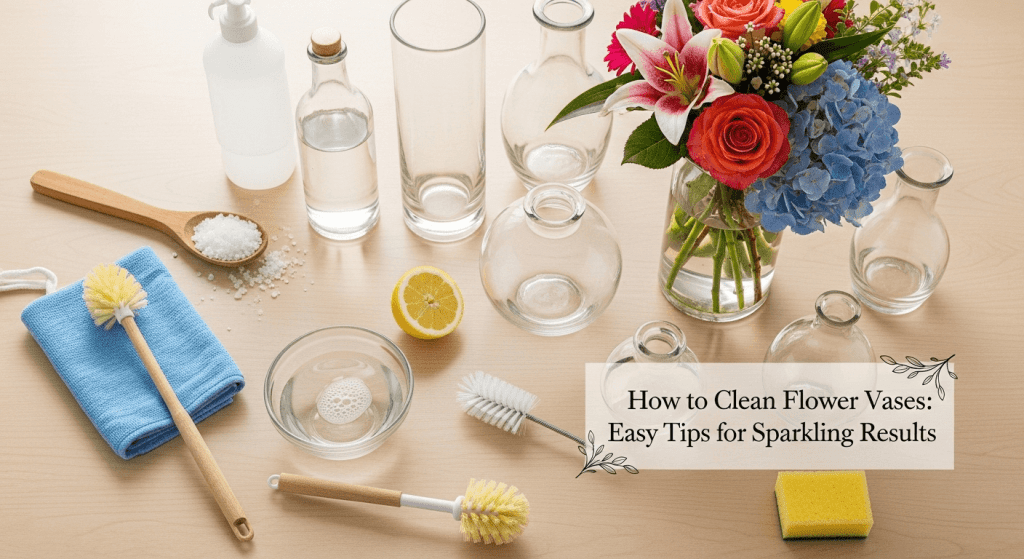
Even if you change your vase water every few days, you’ve probably noticed your once-clear glass or ceramic vases developing cloudy rings, faint stains, or even a subtle musty smell over time. That buildup isn’t just unsightly—it’s a mix of hard water mineral deposits, bacteria, and decaying plant matter from flower stems and leaves that can shorten the lifespan of fresh bouquets by days. The good news? You don’t need fancy specialty products or professional cleaning services to restore your vases to their original sparkle. This guide covers every step, tool, and material-specific tip you need to clean every type of vase in your home, from tiny bud vases to large floor-standing arrangements.
Why Regular Vase Cleaning Matters
It’s easy to skip deep cleaning vases when you’re only focused on swapping out wilted flowers, but consistent maintenance does more than keep your decor looking nice. Uncleaned vases harbor biofilm and bacteria from decaying plant matter that can shorten the life of fresh bouquets by several days, per University of Minnesota Extension cut flower care resources. Mineral deposits from hard water leave permanent white etchings on glass if left untreated, while mold and mildew buildup can trigger allergies or leave unpleasant odors that transfer to new arrangements. Regular cleaning also prevents small stains from becoming permanent, saving you from having to replace beloved vases prematurely. For more on this, see our guide on best easy to clean air fryer.
Essential Cleaning Tools and Supplies
The right tools make vase cleaning faster, safer, and more effective, and most of what you need is already in your kitchen. Avoid harsh abrasive scrubbers like steel wool, which scratch glass and ceramic surfaces and trap dirt in micro-abrasions for future stains.
Brushes and Scrubbing Tools
Soft-bristled bottle brushes are the most versatile option for most vases, with long handles that reach the bottom of tall, narrow arrangements without straining your wrist. For vases with intricate etched details, narrow necks, or curved edges, a soft-bristled toothbrush works perfectly to dislodge stuck-on grime without scratching. For heavy mineral buildup, a non-abrasive bristle-free scrubber will lift stains without damaging delicate glazed finishes. For more on this, see our guide on how to clean tools with vinegar and baking.
Natural Cleaning Agents
For most routine and moderate cleaning tasks, household staples are just as effective as commercial products, with none of the harsh chemical fumes. White vinegar’s acidity breaks down hard water deposits and kills bacteria, while baking soda’s mild abrasion lifts stains without scratching surfaces. Lemon juice adds a fresh scent and brightens dull glass, while coarse salt pairs with lemon for gentle scrubbing on tough water lines. Effervescent tablets like denture cleaners or Alka-Seltzer work for narrow vases where scrubbing is impossible, and activated charcoal absorbs persistent odors without leaving residue.
Commercial Cleaners
Reserve commercial products for extreme buildup that natural agents can’t tackle. Look for pH-neutral glass and ceramic cleaners labeled safe for decorative surfaces, or specialized descalers designed for mineral removal. Always test commercial cleaners on a small, hidden area of the vase first to ensure they don’t discolor glazes or etchings, and never use abrasive toilet bowl cleaners or oven sprays on vase surfaces. For more on this, see our guide on how to maintain and clean baking tools and.
Safety Supplies
Wear rubber gloves when cleaning vases with visible mold, mildew, or when using bleach to avoid skin irritation. If you’re working with bleach, always follow CDC household bleach safety guidelines to avoid exposure, and never mix bleach with vinegar or ammonia, which creates toxic fumes.

Step-by-Step Vase Preparation
Skipping the prep step is the most common mistake people make when cleaning vases, as leftover debris and old water can make cleaning agents less effective and leave behind bacteria. Taking 5 minutes to prep your vase before scrubbing will cut your overall cleaning time in half, in practice. For more on this, see our guide on how to clean and store baking tools and.
Empty and Remove Debris
Start by pouring out all remaining old water from the vase into a sink, and check the bottom and sides for stuck-on leaves, petals, flower foam residue, or dirt. Use your fingers or a soft cloth to remove large debris, and if your vase has a narrow neck, use a long-handled brush to dislodge particles from the bottom. If your vase has a removable liner, pump, or decorative insert, take it apart and clean each piece separately to avoid missing hidden grime. For vases with visible mold, wear gloves during this step to avoid contact with spores.
Pre-Soak for Stubborn Buildup
For vases with visible mineral rings, slimy biofilm, or stuck-on stains, fill the vase with warm water and 1 cup of white vinegar (or 2 tablespoons of baking soda) and let it soak for at least 30 minutes. For heavy buildup, soaking overnight will loosen most grime without any scrubbing needed. After soaking, dump the water and rinse the vase thoroughly with warm water to remove any loose debris before moving on to scrubbing. For more on this, see our guide on how to clean sanitize and store baking tools.
Proven Cleaning Methods for Every Stain Type
Different types of buildup require different approaches, and using the right method for your vase’s condition will save you time and avoid damage.
Routine Cleaning for Light Grime
For vases that only have light dirt, water spots, or faint residue from recent flower arrangements, dish soap and warm water are all you need:
- Fill the vase halfway with warm (not hot) water and add 2-3 drops of mild dish soap.
- Swirl the water around to create suds that coat the entire inside surface.
- Use a soft bottle brush or cloth to scrub the inside gently, paying extra attention to the water line where residue tends to collect.
- Rinse thoroughly with warm water until no soap suds remain.
Hard Water and Mineral Deposit Removal
For cloudy glass, white mineral rings, or faint etchings from hard water, use the vinegar and baking soda method:
- Pour 1 cup of white vinegar into the vase, followed by 2 tablespoons of baking soda (add slowly to avoid overflow from fizzing).
- Let the mixture fizz and sit for 15-20 minutes to break down mineral deposits.
- Use a soft bottle brush to scrub the inside of the vase, focusing on stained areas.
- Rinse thoroughly with warm water, then do a final rinse with distilled water to prevent new spots from forming.
Narrow-Neck Vase Hack
For bud vases, bottles, or arrangements with necks too small for a standard bottle brush, use uncooked rice as a gentle abrasive scrubber:
- Fill the vase halfway with warm water, 1 tablespoon of white vinegar, and 2 tablespoons of uncooked white rice.
- Swirl the mixture vigorously for 1-2 minutes, letting the rice scrub the inside surfaces as it moves.
- Dump the mixture, then rinse thoroughly with warm water to remove any rice grains or vinegar residue.
Tough Stain and Odor Removal
For persistent stains, mold, or foul odors that don’t respond to natural cleaners, use one of these targeted methods:
- Effervescent tablets: Fill the vase halfway with warm water, drop in 1-2 denture tablets or Alka-Seltzer, and let sit for 10 minutes. The fizzing action lifts stuck-on grime and eliminates odors. Rinse thoroughly afterward.
- Bleach solution: For non-porous glass or ceramic vases with severe mold or staining, mix 1 part household bleach with 10 parts water, fill the vase, and let soak for 10 minutes. Never soak for longer than 20 minutes, as bleach can damage glazes and finishes over time. Rinse extremely thoroughly to remove all bleach residue before use.
- Activated charcoal: For persistent odors without visible stains, place 1-2 small pieces of activated charcoal in the dry vase and leave overnight. The charcoal will absorb odors without any scrubbing needed, making it perfect for delicate antique vases that can’t be soaked.
 A long-handled bottle brush makes scrubbing narrow vase necks easy without scratching delicate surfaces.
Credit: silkflowersfactory.com
A long-handled bottle brush makes scrubbing narrow vase necks easy without scratching delicate surfaces.
Credit: silkflowersfactory.com
Drying and Polishing for Streak-Free Results
How you dry your vase is just as important as how you clean it—improper drying leads to water spots, streaks, and even hidden moisture that causes mold growth later.
Air Drying Best Practices
Place the cleaned vase upside down on a clean dish rack or drying mat to let excess water drain fully from the neck and bottom. Avoid covering the vase while it dries, as trapped moisture will lead to odors and mildew. For faster drying, position a fan nearby to create gentle airflow, but avoid placing the vase in direct sunlight, which can cause water spots to set faster and damage delicate colored glass.
Polishing to Avoid Water Spots
Water spots form when minerals in tap water dry on the vase surface, leaving white marks. To avoid them:
- After rinsing, do a final rinse with distilled water, which has no mineral content.
- Pat the outside of the vase dry immediately with a clean, lint-free microfiber cloth.
- Polish the glass in small circular motions to bring out a clear, streak-free shine.
- For homes with extremely hard water, add 1 part rubbing alcohol to 4 parts water for the final rinse; the alcohol evaporates quickly and prevents spots from forming.
Avoid using paper towels to dry vases, as they leave behind lint and can scratch soft glass or glazed ceramic surfaces.
Long-Term Vase Maintenance Tips
With small, consistent habits, you can go months between deep cleaning sessions and keep your vases looking new for years.
Build a Quick Cleaning Routine
Rinse vases with warm water and mild dish soap immediately after emptying old flowers and water, before residue has time to dry and stick. For vases you use weekly, do a quick 5-minute scrub with a bottle brush every time you clean them to prevent buildup. For more simple, actionable home upkeep tips, browse our full home care guide library.
Prevent Mineral Buildup Between Cleans
If you use tap water for your flower arrangements, mineral deposits will build up faster. To slow this process, add 1 tablespoon of white vinegar to the vase water each time you arrange fresh flowers—this won’t harm most plants, and will break down minerals before they stick to the vase surface. Do a deep vinegar soak once a month for vases you use regularly to prevent stubborn stains from forming.
Safe Storage for Fragile Vases
When not in use, store vases in a cool, dry place away from direct sunlight, which can fade colored glass or damage wooden finishes. Keep vases upright to avoid dust settling inside narrow necks, and wrap delicate glass or porcelain pieces in soft cloth or bubble wrap before storing to prevent chips and cracks. If you have young children or curious pets, install basic cabinet safety locks to keep fragile vases out of reach of accidental breakage. Place a washable non-slip kitchen rug under your sink or work area to catch drips and prevent slips from wet floors while cleaning vases.
 A sparkling clean vase makes fresh flower arrangements look their best and helps blooms last longer.
Credit: www.fabulousflowers.co.za
A sparkling clean vase makes fresh flower arrangements look their best and helps blooms last longer.
Credit: www.fabulousflowers.co.za
Cleaning Vases by Material
Different vase materials have unique vulnerabilities, so adjusting your cleaning method to match the material will prevent accidental damage and extend the life of your decor.
Glass and Tempered Glass
Glass vases are the most low-maintenance option, but they’re prone to scratching and cracking from extreme temperatures. Always use warm (not scalding) water when cleaning all vase types, as high heat can crack tempered glass or damage ceramic glazes, just as you would use silicone hot handle covers for hot cookware. Avoid abrasive cleaners or steel wool, which leave micro-scratches that trap dirt and make future staining worse. For etched or frosted glass, use a soft cloth instead of a brush to avoid wearing down the finish.
Ceramic and Porcelain
Unglazed ceramic and porous porcelain can absorb water and stains if soaked for long periods, so stick to quick scrubs with a soapy cloth instead of extended soaking. For glazed ceramic with tough stains, make a paste of baking soda and water, rub gently into the stain, and let sit for 10 minutes before rinsing. Avoid bleach on ceramic vases with metallic or gold trim, as it will discolor the decorative details.
Metal Vases (Brass, Copper, Stainless Steel)
Metal vases are durable but prone to rust and tarnish if left wet. Wipe them down with a soapy cloth after cleaning, and dry immediately with a soft towel to prevent water spots and corrosion. For brass or copper vases that have tarnished, use a gentle metal polish after cleaning to restore their shine, and avoid abrasive pads that will scratch the metal surface.
Wooden and Sealed Vases
Never soak wooden vases, as water will cause warping, cracking, or mold growth. Wipe sealed wooden vases with a damp cloth and mild soap, then dry immediately. For unsealed wood, stick to dusting with a dry soft cloth to avoid damaging the finish. Occasionally apply a food-safe wood polish to sealed wooden vases to keep the wood hydrated and prevent cracking.
Frequently Asked Questions
How do I remove tough stains from flower vases?
For mineral deposits and hard water stains, soak the vase in a 1:1 mix of white vinegar and warm water for 30 minutes, then scrub with a soft brush. For organic stains from flower residue, use a baking soda and water paste, let sit for 10 minutes, then rinse thoroughly.
What is the best way to clean narrow-neck vases?
For vases too small for a standard bottle brush, fill the vase with warm water, 1 tablespoon of white vinegar, and 2 tablespoons of uncooked rice. Swirl vigorously for 1-2 minutes to scrub the inside surfaces, then rinse thoroughly to remove all rice grains.
Can I use bleach to clean flower vases safely?
Yes, but only in highly diluted form and for non-porous surfaces like glass or glazed ceramic. Mix 1 part household bleach with 10 parts water, soak for no more than 10 minutes, then rinse extremely thoroughly to remove all residue. Never use bleach on unglazed ceramic, wood, or vases with metallic trim, as it will cause discoloration or damage.
How often should I clean my flower vases?
Rinse vases with warm soapy water immediately after each use to remove fresh residue. Do a deep clean with natural cleaners or a bleach solution (if needed) every 1-2 months for regularly used vases, or as soon as you notice visible stains, cloudiness, or odors.
Can I put glass vases in the dishwasher?
Most standard glass vases are dishwasher safe, but avoid washing hand-painted, etched, or antique glass in the dishwasher, as high heat and harsh detergents can fade paint or damage delicate finishes. Always check the manufacturer’s care instructions first if you’re unsure.
How do I clean the outside of a tall vase without a ladder?
Use a soft microfiber cloth attached to a telescoping duster or a long-handled kitchen brush to reach the top and sides of tall floor vases. For extra shine, spray the outside with a 1:1 mix of water and white vinegar, then wipe dry with a clean microfiber cloth to avoid streaks.
Final Tips for Sparkling, Long-Lasting Vases
Cleaning your flower vases doesn’t have to be a time-consuming chore. With simple household supplies and a few material-specific adjustments, you can restore even the most stained, cloudy vase to its original clear shine in minutes. Regular maintenance not only makes your bouquets look their best, but also extends the life of your favorite decor pieces for years to come. A common mistake to avoid is using abrasive scrubbers or harsh chemical cleaners, which can cause permanent damage that’s far more expensive to fix than a regular deep clean.
Ready to tackle other simple home care tasks? Explore our full library of step-by-step home care tutorials for everything from kitchen surface cleaning to safe storage for fragile household items.

I’m Abby Lu, a passionate home cook who loves simplifying everyday meals. At PlugChef.com, I share product reviews and cooking guides to help you find the best tools for your kitchen.
Related posts:
 How to Make a Fruit Basket for a Gift: Easy DIY Guide
 Do You Need a Basket? Essential Guide for Air Fryers
 Different Color Appliances in Kitchen: Transform Your Space
 Kitchen Cabinets With Black Appliances: Trendy Design Tips
 White Kitchen And Stainless Steel Appliances: A Perfect Duo
 Kitchen Colors With White Cabinets And White Appliances: Vibrant Ideas

