
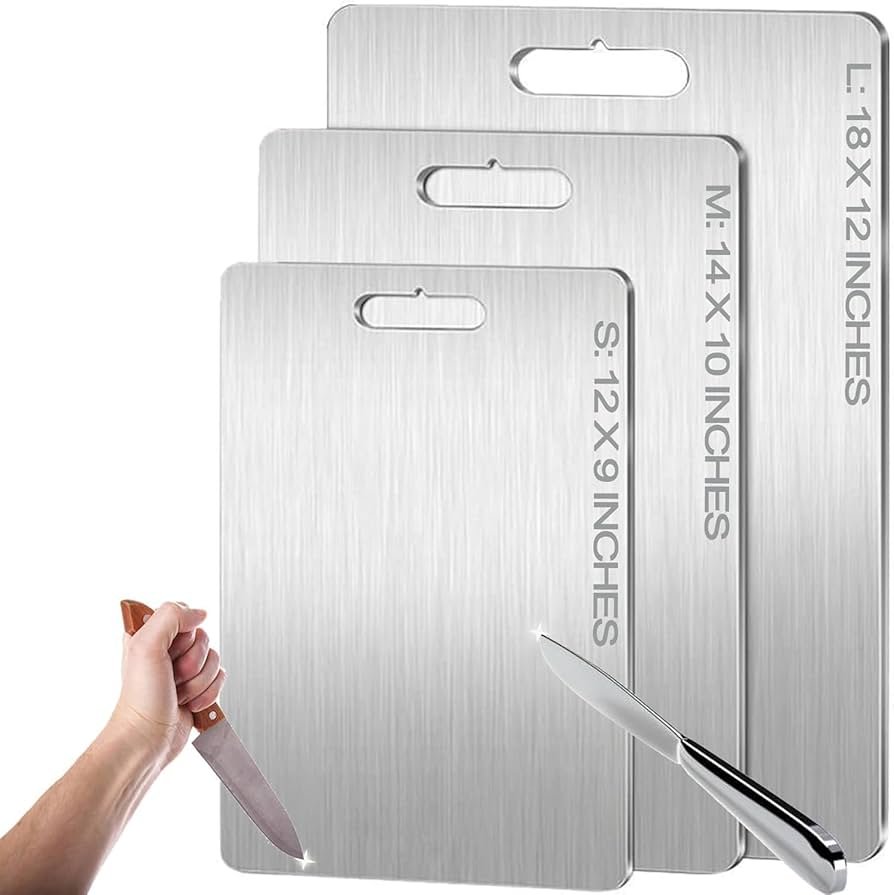
Have you ever wondered if titanium cutting boards are the secret ingredient missing from your kitchen arsenal? Imagine effortlessly slicing through your favorite ingredients without the dulling and scratching that plague traditional cutting boards.
The promise of durability and sleek design might already have you thinking about making a switch. But are titanium cutting boards really as good as they sound? You’ll discover the truth behind their impressive reputation, the science that makes them stand out, and whether they’re the right fit for your culinary adventures.
Get ready to uncover the facts that might just transform your cooking experience forever. Your kitchen deserves the best, and you deserve to know if titanium cutting boards are it.
Titanium Cutting Boards: An Overview
Titanium cutting boards are gaining popularity among cooking enthusiasts and professional chefs alike. Known for their durability and sleek design, these boards promise to be a long-term kitchen companion. But are they really as good as they claim to be? Let’s dive into what makes titanium cutting boards stand out and whether they’re worth adding to your kitchen arsenal.
What Makes Titanium Cutting Boards Unique?
Titanium cutting boards are crafted from a metal alloy known for its strength and lightweight nature. Unlike wooden or plastic cutting boards, titanium doesn’t absorb food particles or harbor bacteria. This makes it an excellent choice for those who prioritize hygiene in their kitchen.
One personal experience I had with a titanium board was its remarkable resistance to scratches. Unlike my old plastic board, which quickly looked worn out, the titanium board maintained its pristine surface even after rigorous use. This not only kept it looking new but also ensured that my knives stayed sharper for longer.
Durability And Longevity
When considering kitchen tools, you want something that will last. Titanium cutting boards excel in this aspect. They can withstand high temperatures and are resistant to wear and tear, making them a sound investment.
Imagine slicing through a watermelon without worrying about leaving deep grooves in your cutting board. With titanium, you can do just that. It offers a sturdy surface that can handle heavy-duty chopping without flinching.
Ease Of Maintenance
Cleaning a titanium board is a breeze. Since it doesn’t absorb liquids, you can simply rinse it off or put it in the dishwasher. This saves time and reduces the hassle of scrubbing stubborn stains.
Have you ever struggled to remove garlic or onion odors from your cutting board? Titanium boards don’t retain these smells, meaning your next meal prep won’t be flavored with yesterday’s dinner.
Are They Worth The Investment?
While titanium cutting boards come with a higher price tag, their benefits may justify the cost. They offer longevity, hygiene, and ease of use that cheaper boards might lack. If you are someone who spends a lot of time in the kitchen, this could be a worthwhile upgrade.
Consider how often you replace your current cutting boards. Would investing in a titanium board save you money in the long run? It’s a question worth pondering as you weigh the pros and cons.
Ultimately, the decision to add a titanium cutting board to your kitchen depends on your cooking habits and priorities. But with their unique advantages, they certainly present a compelling case for those seeking quality and durability.
Durability And Longevity
When it comes to choosing kitchen tools, durability and longevity are key factors to consider. Titanium cutting boards are becoming popular due to their robust nature and impressive lifespan. Let’s explore why these cutting boards might be a worthy addition to your kitchen.
Durability: Built To Last
Titanium cutting boards are known for their strength. Unlike wooden or plastic boards, they resist scratches and dents. You won’t find them warping or cracking under pressure. This makes them ideal for heavy-duty chopping and cutting.
Imagine a cutting board that withstands daily use without showing wear and tear. Titanium’s strength ensures your board remains pristine for years. This durability offers peace of mind, as you won’t need to replace it frequently.
Longevity: An Investment In Your Kitchen
Investing in a titanium cutting board can save you money over time. While they may cost more upfront, their long lifespan reduces the need for replacements. This investment is practical for those who value quality and longevity in kitchen tools.
Think about how often you replace wooden boards due to knife marks or bacteria buildup. Titanium boards resist these issues, providing a hygienic surface that lasts. This longevity means you can focus more on cooking than on replacing your tools.
Personal Experience: A Wise Choice
When I first switched to a titanium cutting board, I was skeptical. However, after months of use, its durability impressed me. It effortlessly handled everything from slicing fruits to chopping meat without a single scratch.
Have you ever wondered how much time and money you could save with a tool that doesn’t require constant replacement? My experience shows that titanium cutting boards offer that relief, making them a smart choice for any kitchen.
Is Titanium Right For You?
Consider your cooking habits. If you frequently use your cutting board, titanium’s durability could be a game-changer. Are you tired of boards that quickly deteriorate? Titanium might be the solution you’re looking for.
Reflect on how a long-lasting cutting board could change your kitchen routine. Would you appreciate the investment in a tool that stands the test of time? If longevity and durability are your priorities, titanium cutting boards might be your best bet.
Hygiene And Safety
Titanium cutting boards offer strong and long-lasting surfaces. They resist scratches and stains, ensuring cleanliness. This makes them a safe choice for preparing food.
When it comes to kitchen tools, hygiene and safety are paramount. Titanium cutting boards have gained popularity, but how do they measure up in these crucial areas? Let’s dive into the specifics of using titanium cutting boards for a cleaner, safer cooking experience.
Non-porous Surface
Titanium cutting boards boast a non-porous surface that resists bacteria buildup. Traditional wooden boards can harbor germs in tiny crevices, even after cleaning. The smooth surface of titanium ensures that harmful bacteria have no place to hide, making it easier to keep your board sanitary.
Easy To Clean
Cleaning a titanium cutting board is simple. You can wash it with soap and water or pop it in the dishwasher. Unlike wood, it won’t warp or crack under high temperatures. This ease of cleaning means less time worrying about lingering germs and more time enjoying your culinary creations.
Durability Ensures Safety
A durable cutting board is a safe cutting board. Titanium’s strength means it won’t splinter or chip, reducing the risk of sharp fragments in your food. Have you ever had a board crack mid-chop? With titanium, that worry is a thing of the past.
Odor And Stain Resistant
Unlike plastic or wood, titanium doesn’t absorb odors or stains. No one wants their fresh fruit tasting like last night’s garlic. This resistance means your cutting board will look new and smell fresh, meal after meal.
Antimicrobial Properties
Some titanium cutting boards come with added antimicrobial properties. This feature offers an extra layer of protection, keeping your food prep area even more hygienic. It’s a reassuring quality when preparing meals for loved ones.
Is It Worth The Investment?
Considering the benefits, is a titanium cutting board worth it for your kitchen? If hygiene and safety are top priorities, investing in a titanium board could be a smart choice. Not only does it offer peace of mind, but it also reduces the hassle of maintenance. Have you ever faced issues with your current cutting board’s hygiene? Perhaps it’s time to consider an upgrade. A titanium cutting board might just be the answer to a safer, more hygienic cooking experience.
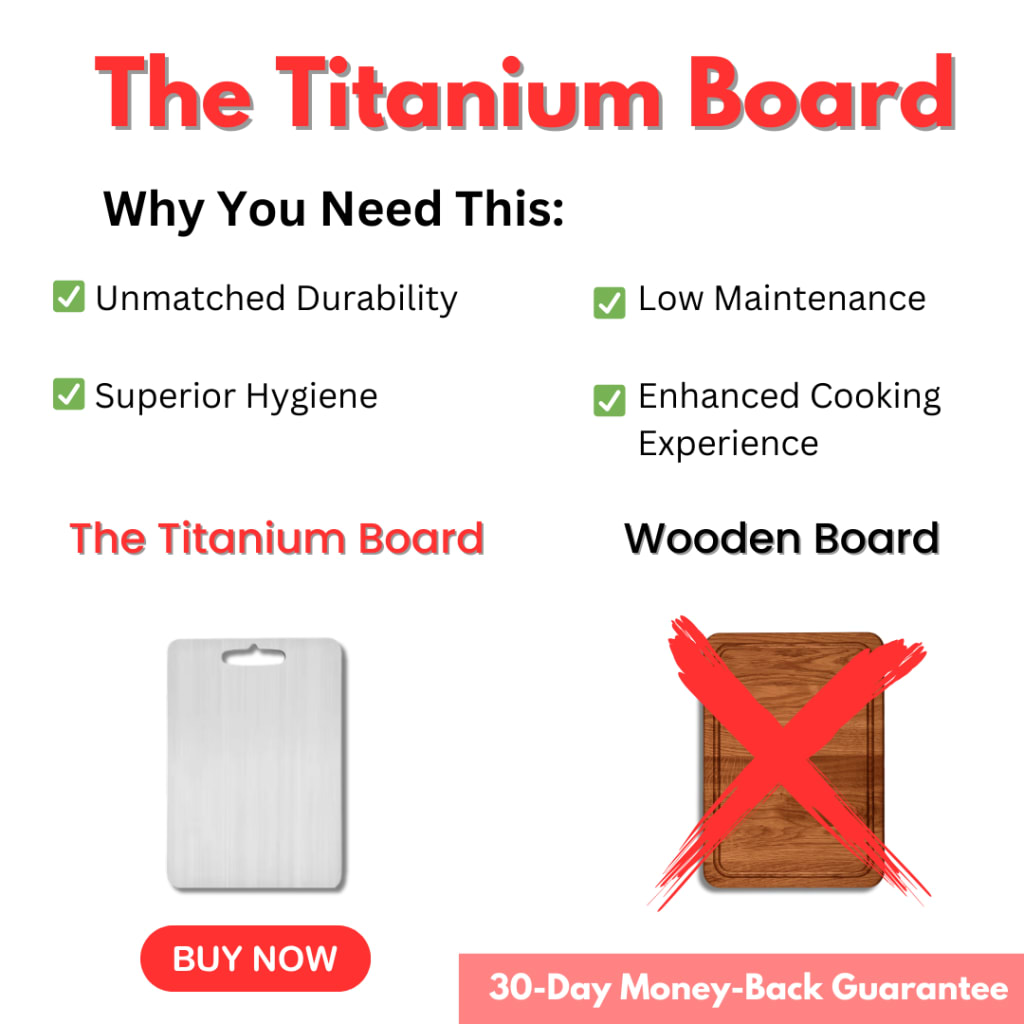
Credit: vocal.media
Ease Of Cleaning
Titanium cutting boards offer easy cleaning due to their non-stick surface. Food residue washes off effortlessly, reducing bacteria buildup. Durability ensures they withstand frequent scrubbing without damage, making them a hygienic choice for kitchens.
Cleaning your cutting board shouldn’t feel like a chore. That’s why the ease of cleaning is a crucial factor when considering titanium cutting boards. You want a cutting board that not only performs well but is also easy to maintain. Let’s delve into the specifics of how titanium cutting boards can make your cleaning routine a breeze.
What Makes Titanium Easy To Clean?
Titanium’s non-porous surface is a game-changer. Unlike wooden boards that can absorb moisture and harbor bacteria, titanium resists these issues. This means a quick rinse under running water can often suffice. Moreover, titanium cutting boards are dishwasher safe. This is a huge advantage if you’re pressed for time or simply enjoy the convenience of machine cleaning.
How To Properly Clean Your Titanium Cutting Board
Cleaning a titanium cutting board doesn’t require special detergents or tools. Use mild soap and a soft sponge for daily cleaning. This ensures that the board stays in top condition without any scratches. If you prefer using a dishwasher, place the board on the top rack. This positioning helps avoid excessive heat that could affect its durability.
Maintenance Tips For Longevity
While titanium is low maintenance, a few practices can extend its lifespan. Regularly inspect your board for any signs of wear or damage. This proactive approach helps address issues before they worsen. Store the board upright to allow proper air circulation. This prevents any moisture buildup that could lead to unwanted odors.
Why Ease Of Cleaning Matters To You
Imagine finishing a delightful cooking session only to dread the cleanup. A titanium cutting board minimizes that hassle. Its easy-to-clean nature means more time enjoying your meal and less time scrubbing away. Have you ever struggled with stubborn stains on other boards? Titanium’s sleek surface ensures those days are over. Isn’t it time you treated yourself to a cutting board that respects your time and effort? Incorporating a titanium cutting board into your kitchen isn’t just about cutting efficiency. It’s about transforming your cleaning routine into a quick, stress-free experience.
Impact On Knife Sharpness
Titanium cutting boards have gained popularity for their durability. Many wonder about their effect on knife sharpness. A cutting board’s surface plays a crucial role in maintaining knife edge. Let’s explore how titanium boards affect knife sharpness.
Understanding Titanium’s Properties
Titanium is known for its strength and lightweight nature. It’s resistant to scratches and dents. This makes it an appealing choice for cutting boards. But its hardness can impact knife blades differently.
Knife Edge Retention
The hardness of titanium may cause knives to dull faster. Knives need a softer surface to retain their sharpness. Regular sharpening might be necessary. Users should be aware of this maintenance factor.
Surface Texture And Knife Interaction
Titanium boards often have a smooth surface. This reduces friction with knife edges. Less friction means less wear on the blade. It provides a smoother cutting experience. But remember, smoothness can still lead to dulling over time.
Comparing With Other Materials
Wood and plastic are gentler on knives. They cushion the blade during cutting. Titanium’s harder surface contrasts with these materials. Each board type offers unique benefits. Users must weigh these against maintenance needs.
Expert Opinions On Knife Maintenance
Experts suggest regular knife sharpening with titanium boards. This ensures optimal cutting performance. Considering a sharpening routine is essential. It’s the key to maintaining a sharp knife edge.
Environmental Considerations
Titanium cutting boards offer durability and resist wear, making them a sustainable choice. Their long lifespan reduces waste. They are recyclable, minimizing their environmental impact.
When considering the purchase of a titanium cutting board, it’s essential to weigh its environmental impact. Many people are becoming increasingly conscious of how their buying choices affect the planet. Titanium cutting boards have unique characteristics, but how do they stack up environmentally?
Manufacturing Process
The production of titanium is energy-intensive. It involves extracting titanium ore, which is then refined into a usable form. This process can have significant environmental implications. However, it’s important to note that titanium is highly durable. This means a cutting board made from titanium might last a lifetime, reducing the need for frequent replacements. Titanium cutting boards are known for their strength and longevity. Unlike wooden or plastic cutting boards, they won’t wear out quickly. This longevity minimizes waste because you won’t need to dispose of or recycle your cutting board as often. Consider how many wooden cutting boards you might go through in a lifetime. A single titanium board can help reduce that number significantly.
Recyclability
Titanium is highly recyclable. If your cutting board ever does reach the end of its life, it can be recycled into new products. This is an advantage over plastic boards, which can be more challenging to recycle. Recycling titanium requires less energy than producing it from scratch, further enhancing its environmental credentials.
Environmental Footprint
Have you thought about the overall footprint of your kitchen tools? A titanium cutting board may have a higher initial environmental cost due to manufacturing. However, its long lifespan and recyclability can offset this over time. It’s a trade-off between the immediate environmental cost and long-term sustainability. Would you prefer a product that lasts longer but takes more resources to make initially?
Your Role In Sustainability
As a consumer, your choices matter. By investing in durable products like a titanium cutting board, you contribute to a more sustainable lifestyle. It’s about making thoughtful decisions that balance convenience with environmental responsibility. What steps can you take in your kitchen to reduce waste? Could a titanium cutting board be part of your sustainable journey? These considerations can guide you in making an informed decision that aligns with your environmental values.
Cost Vs. Value
Titanium cutting boards offer durability and longevity, making them a worthwhile investment. While initially costly, their extended lifespan provides excellent value. Ideal for frequent cooks seeking a robust kitchen tool.
When considering a titanium cutting board, it’s crucial to weigh the cost against the value. You might be tempted by their sleek design and promises of durability, but are they really worth the investment? Understanding the balance between what you pay and what you get in return can save you from buyer’s remorse and help you make an informed decision.
Understanding The Initial Cost
Titanium cutting boards often come with a hefty price tag. Their manufacturing involves advanced technology and high-quality materials, which naturally drives up costs. If you’re used to replacing cheaper boards frequently, the initial expense might seem daunting. However, it’s important to consider the long-term savings that a durable board can offer.
Comparing Longevity And Durability
A titanium cutting board is not just a purchase; it’s an investment in your kitchen’s future. Unlike wooden or plastic boards that can warp or get grooves over time, titanium boards are resistant to wear and tear. Imagine not having to replace your cutting board every few months. The durability alone can justify the initial cost if you cook often and need something that stands up to frequent use.
Maintenance And Hygiene Benefits
One of the most appealing aspects of titanium cutting boards is their low maintenance. They are non-porous, which means they don’t harbor bacteria like wooden boards. This can lead to better hygiene in your kitchen, a benefit that can’t be understated. Think about the peace of mind knowing your board won’t be a breeding ground for bacteria.
Weighing Aesthetic And Functionality
Aesthetics play a role in the value of a titanium cutting board. Their modern look can enhance your kitchen’s appearance. But does that visual appeal translate to functionality? If style matters to you as much as function, the sleek design might be the perfect blend of both. Still, if practicality outweighs looks in your kitchen, consider if the design justifies the price.
Assessing Personal Needs And Usage
Reflect on how you use your cutting boards. If you’re a casual cook who uses a board occasionally, a titanium board might be an unnecessary luxury. However, if you spend a lot of time in the kitchen, investing in a board that offers longevity and ease of cleaning could pay off. Ask yourself: does my cooking style warrant this investment? Ultimately, the decision to buy a titanium cutting board boils down to personal priorities. Consider your kitchen habits and hygiene preferences. With the right perspective on cost versus value, you can make a choice that aligns with your cooking lifestyle.

Credit: www.amazon.com
User Experiences And Reviews
Exploring user experiences and reviews reveals insights into titanium cutting boards. Many users share their thoughts on these durable kitchen tools. Their opinions offer valuable perspectives for potential buyers.
Users frequently praise the toughness of titanium cutting boards. They report minimal wear and tear. This longevity satisfies those who cook often. Many find it a reliable kitchen companion.
Cleaning these boards is often mentioned in reviews. Users appreciate how simple it is to maintain cleanliness. A quick rinse usually suffices. This ease saves time for busy home cooks.
Weight And Handling
Some users note the weight of titanium boards. They describe them as heavier than plastic options. Handling may require extra care. Still, the sturdiness benefits outweigh this for many.
Scratch Resistance
Reviews highlight the scratch-resistant surface of titanium boards. Users see minimal knife marks after use. This feature keeps the board looking new. Many find it aesthetically pleasing.
Price Considerations
Price is a common topic among reviewers. Titanium cutting boards often cost more than others. Some users find them worth the investment. They value the durability and performance.
Overall Satisfaction
Many users express overall satisfaction with their purchase. They value the quality and resilience of titanium boards. Positive reviews outweigh the negatives. Happy users often recommend them to others.

Credit: www.youtube.com
Frequently Asked Questions
What Are The Cons Of Titanium Cutting Boards?
Titanium cutting boards can be expensive and may dull knives quickly. They are heavier than other materials, making them less convenient for frequent use. Some users find them too rigid, lacking the give of wooden or plastic boards. Limited availability and higher maintenance can also be drawbacks for some.
Is Stainless Steel Or Titanium Better For Cutting Boards?
Titanium is better for cutting boards due to its durability and resistance to corrosion. Stainless steel can dull knives faster. Titanium’s lightweight nature makes handling easier. It also offers a longer lifespan without compromising hygiene, making it a preferred choice for quality cutting boards.
What Is The Healthiest Material For A Cutting Board?
The healthiest cutting board material is bamboo. It is durable, eco-friendly, and naturally antibacterial. Bamboo resists knife scars, reducing bacteria buildup. It doesn’t absorb water, preventing warping and cracking. Opt for bamboo to ensure a safe and hygienic food preparation surface.
What Do Professional Chefs Use As A Cutting Board?
Professional chefs often use wooden or bamboo cutting boards. These materials prevent knife dulling and are durable. Some chefs prefer plastic boards for easy sanitation. Wooden boards offer a natural surface, while plastic boards are dishwasher safe, making both popular choices in professional kitchens.
Conclusion
Titanium cutting boards offer durability and unique benefits. They resist scratches and stains effectively. Cleaning is easy, which saves time. These boards are strong and long-lasting. Yet, they may not suit everyone’s kitchen needs. Price can be higher than other materials.
Consider your cooking style before buying one. Some may prefer wood or plastic for different tasks. Think about what fits your kitchen best. Titanium boards are a solid choice for those who prioritize durability. Make sure it matches your cooking habits and budget.
Choose wisely for the best kitchen experience.

Hi, I’m Daniel Brooks—a food lover and kitchen gear enthusiast. I enjoy testing cookware, utensils, and gadgets to see what really works in everyday cooking. At PlugChef.com, I share honest reviews, comparisons, and simple guides to help you choose the best tools for a safer, smarter, and more enjoyable kitchen.
Related posts:
 What Type of Cooking Utensils are Safe: Expert Picks
 What Innovations Could Blenders Make: Unleashing Future Tech
 Smart Strategies to Organize a Small Kitchen: Maximize Space
 How to Organize a Kitchen Cabinet: Expert Tips & Tricks
 How to Organize Kitchen Drawers: Expert Tips and Tricks
 How to Organize a Corner Kitchen Cupboard: Expert Tips

