
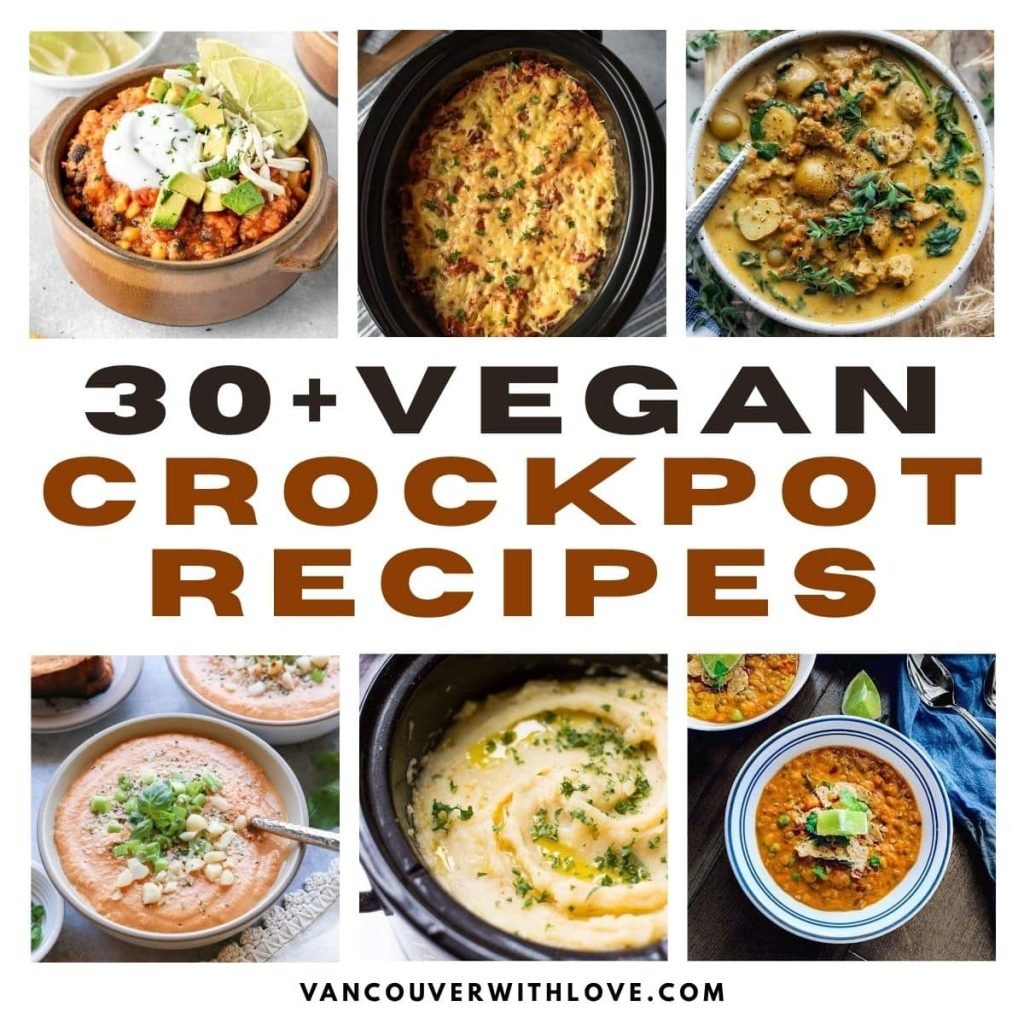
Busy weeknights, meal prep stress, and the desire for flavorful, nutrient-dense plant-based meals don’t have to conflict. Healthy vegetarian crock pot recipes deliver exactly what you need: hands-off cooking that fills your kitchen with comforting aromas while you tackle work, childcare, or errands, with a hot, nutritious meal ready the second you walk through the door. Whether you’re a lifelong vegetarian, experimenting with more plant-based meals, or just tired of standing over the stove after a long day, these tested recipes and pro tips will help you master your slow cooker and cut down on cooking time without sacrificing taste or nutrition. Ready to try your first hands-off plant-based meal? Bookmark this guide and pick a recipe to test this week—you’ll be amazed at how much time you save without sacrificing flavor. If you’re looking for more easy weeknight meal ideas, our meal prep guides cover hundreds of tested plant-based and family-friendly options.
Why Healthy Vegetarian Crock Pot Recipes Are a Busy Cook’s Best Friend
Choosing to cook vegetarian meals in a crock pot does more than eliminate meat from your plate—it solves common pain points for home cooks, from nutrient retention to time constraints, while delivering flavor that feels anything but basic.
Preserves Nutrients Better Than Many Quick-Cooking Methods
Unlike boiling or high-heat sautéing, which can leach water-soluble vitamins like vitamin C and B vitamins from produce, slow cooking at low temperatures retains most of these nutrients as long as you use minimal added liquid. The USDA highlights that diets rich in legumes, whole grains, and vegetables are associated with lower risk of heart disease and type 2 diabetes, and slow cooking makes it simple to incorporate these nutrient-dense ingredients into your weekly rotation without hours of active cooking. In practice, combining root vegetables, leafy greens, and plant-based proteins in a crock pot creates balanced meals that keep you full longer and support overall wellness.
Cuts Active Cooking Time and Cleanup in Half
With a vegetarian crock pot recipe, you’ll spend 10-15 minutes prepping ingredients in the morning, then walk away until dinner is ready. No standing over the stove, no monitoring multiple pots, and only one dish to wash when you’re done. This convenience eliminates the temptation to grab unhealthy takeout on busy days, and makes weeknight dinners feel like a luxury even when your schedule is packed.
Deepens Plant-Based Flavors Without Extra Effort
Slow cooking gives flavors hours to meld and deepen, creating rich, complex dishes that would take all day to build on the stovetop. Caramelized onions, tender root vegetables, and spices infuse every bite with warm, comforting depth, so you never have to worry about bland, boring vegetarian meals. A common mistake is under-seasoning at the start, but remember that flavors mellow slightly as they cook, so don’t be afraid to adjust seasoning at the end.
Core Ingredients to Keep on Hand for Foolproof Meals
You don’t need exotic ingredients to make delicious healthy vegetarian crock pot recipes—stick to these staples, and you’ll be able to throw together a meal in minutes with what you already have in your pantry and fridge.
Sturdy Vegetables That Hold Up to Long Cook Times
Dense, fibrous vegetables are the backbone of most slow cooker meals, as they don’t turn mushy after hours of cooking. Stock your pantry with:
- Carrots, parsnips, and sweet potatoes
- Onions, celery, and bell peppers
- Butternut squash or acorn squash
- Frozen corn or peas (add in the last 30 minutes for best texture) Delicate greens like spinach, kale, and arugula will wilt into nothing if added at the start, so save them for the final 15-30 minutes of cooking for a pop of color and extra nutrients. Scrub root vegetables thoroughly with a sturdy kitchen cleaning brush to remove dirt before chopping, no need to peel if you prefer extra fiber. If you have little helpers assisting with prep, secure lower cabinets with childproof kitchen safety locks to keep cleaning supplies and sharp tools out of reach.
Plant-Based Proteins That Stay Tender, Not Mushy
Vegetarian crock pot meals stay filling and balanced with the right protein additions. Opt for these staples:
- Dried red or brown lentils (they hold their shape better than canned when cooked from scratch)
- Canned beans (black, kidney, pinto, chickpeas—rinse well to reduce sodium, add in the last 30 minutes if you prefer a firm texture)
- Extra-firm tofu (press for 15 minutes to remove excess water, add mid-cook to avoid falling apart)
- Tempeh (steam for 5 minutes first to remove bitterness, then add to the pot)
Herbs, Spices, and Flavor Boosters for Every Palate
Dried herbs and spices hold their flavor through long cooking times, while fresh herbs brighten dishes when added at the end. Keep these staples on hand:
- Dried bay leaves, thyme, oregano, cumin, and smoked paprika
- Fresh parsley, cilantro, or basil (add in the last 5 minutes of cooking)
- Umami boosters: tomato paste, low-sodium soy sauce or tamari, nutritional yeast, and a splash of apple cider vinegar or lemon juice added at the end to cut richness Skip pre-made spice blends that often contain hidden salt and fillers—mix your own for full control over flavor and sodium content.
Tested Healthy Vegetarian Crock Pot Recipes (All Under 15 Minutes of Prep)
All of these recipes are tested to work in standard 6-quart crock pots, with options for both low and high heat settings. Each uses pantry staples and minimal active work for maximum payoff.
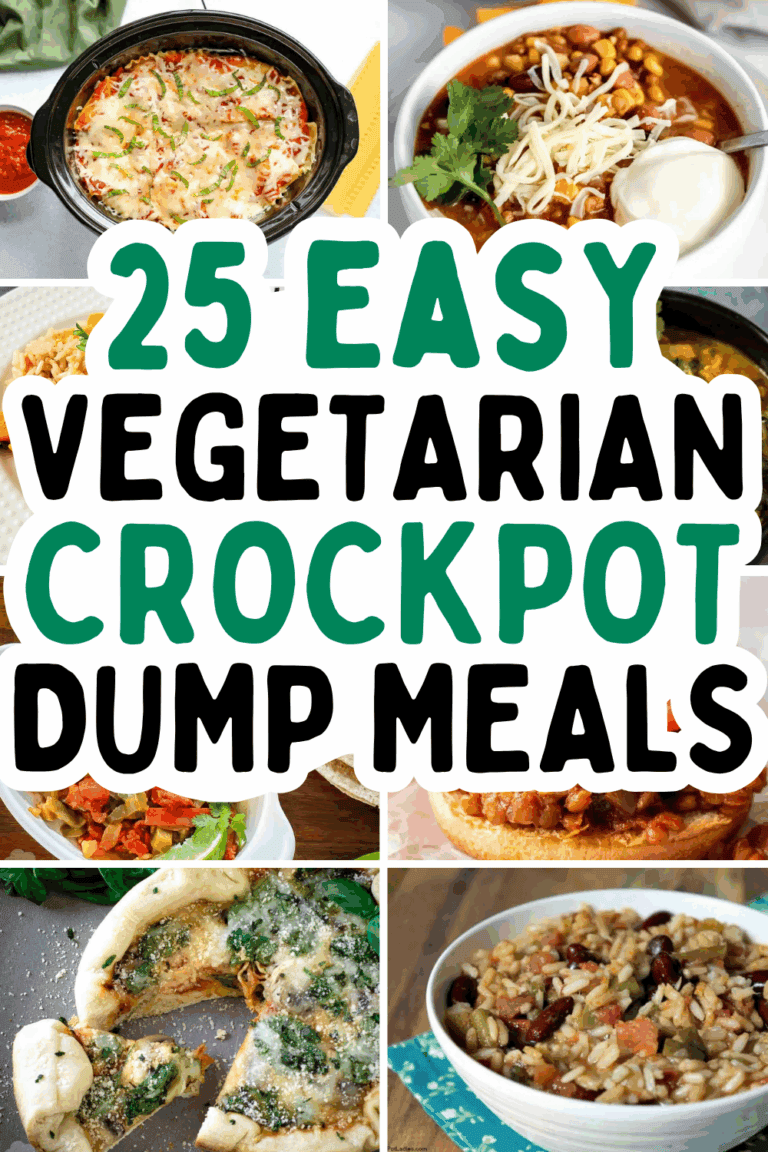 Assorted pre-portioned vegetarian slow cooker meals ready for meal prep
Credit: www.unexpectedlydomestic.com
Assorted pre-portioned vegetarian slow cooker meals ready for meal prep
Credit: www.unexpectedlydomestic.com
Hearty Red Lentil & Root Vegetable Stew
Prep time: 10 minutes | Cook time: 6 hours low / 3 hours high | Servings: 6 This foolproof stew is perfect for cold nights, and tastes even better the next day as leftovers. Ingredients:
- 1 cup dried red lentils, rinsed
- 2 carrots, diced
- 1 parsnip, diced
- 1 medium sweet potato, diced
- 1 yellow onion, diced
- 3 cloves garlic, minced
- 1 can (14 oz) no-salt-added diced tomatoes
- 4 cups low-sodium vegetable broth
- 1 tsp ground cumin
- 1 tsp smoked paprika
- 1 bay leaf
- 2 cups fresh spinach
- Salt and pepper to taste Instructions:
- Layer lentils, carrots, parsnip, sweet potato, onion, and garlic at the bottom of your crock pot.
- Add diced tomatoes, vegetable broth, cumin, smoked paprika, and bay leaf. Stir well to combine.
- Cook on low for 6 hours or high for 3 hours, until lentils and vegetables are tender.
- Stir in spinach 15 minutes before the end of cooking, until wilted. Season with salt and pepper to taste, and finish with a splash of apple cider vinegar for extra brightness. Serve with crusty bread for dipping.
Creamy Coconut Curry Chickpea & Cauliflower Stew
Prep time: 12 minutes | Cook time: 4 hours low / 2 hours high | Servings: 4 This dairy-free, flavorful stew is packed with plant-based protein and works for gluten-free diets with a simple swap. Ingredients:
- 1 can (15 oz) chickpeas, rinsed and drained
- 1 medium head cauliflower, cut into 1-inch florets
- 1 can (14 oz) full-fat coconut milk
- 1 cup low-sodium vegetable broth
- 2 tbsp red curry paste (check for gluten-free if needed)
- 1 tbsp freshly grated ginger
- 2 cloves garlic, minced
- 1 red bell pepper, sliced
- 1 tbsp lime juice
- Fresh cilantro, for garnish Instructions:
- Add all ingredients except lime juice and cilantro to the crock pot. Stir well to combine.
- Cook on low for 4 hours or high for 2 hours, until cauliflower is tender.
- Stir in lime juice 10 minutes before the end of cooking. Top with fresh cilantro before serving, and serve over brown rice for a complete meal.
3-Bean Vegetarian Chili
Prep time: 15 minutes | Cook time: 8 hours low / 4 hours high | Servings: 8 This hearty, make-ahead chili is perfect for meal prep, and freezes beautifully for up to 3 months. Ingredients:
- 1 can (15 oz) black beans, rinsed and drained
- 1 can (15 oz) kidney beans, rinsed and drained
- 1 can (15 oz) pinto beans, rinsed and drained
- 1 can (14 oz) no-salt-added diced tomatoes
- 1 cup frozen corn
- 1 yellow onion, diced
- 1 green bell pepper, diced
- 2 cloves garlic, minced
- 2 tbsp chili powder
- 1 tsp ground cumin
- 1 tsp dried oregano
- 1 cup low-sodium vegetable broth Instructions:
- Add all ingredients to the crock pot and stir well to combine.
- Cook on low for 8 hours or high for 4 hours, until vegetables are tender.
- Adjust seasoning with salt and pepper to taste. Top with diced avocado, red onion, and a side of perfectly cut cheese for charcuterie boards if you’re hosting a casual game night or potluck.
Quinoa & Roasted Vegetable Stuffed Pepper Casserole
Prep time: 15 minutes | Cook time: 3 hours low / 1.5 hours high | Servings: 4 This all-in-one meal requires no side dishes, and is easy to customize with your favorite vegetables. Ingredients:
- 4 large bell peppers (any color), halved and seeded
- 1 cup quinoa, rinsed
- 1 can (14 oz) no-salt-added diced tomatoes
- 1 cup low-sodium vegetable broth
- 1 medium zucchini, diced
- 1 cup fresh spinach
- 1 tsp Italian seasoning
- ½ cup shredded mozzarella or dairy-free alternative (optional)
- Salt and pepper to taste Instructions:
- Layer quinoa, diced tomatoes, vegetable broth, zucchini, spinach, and Italian seasoning at the bottom of the crock pot.
- Place bell peppers cut-side up on top of the quinoa mixture, pressing down slightly to anchor them.
- Cook on low for 3 hours or high for 1.5 hours, until peppers are tender and quinoa is cooked through.
- Top with cheese 10 minutes before the end of cooking if using, and season with salt and pepper to taste. Brush peppers with a little olive oil before cooking to prevent them from drying out.
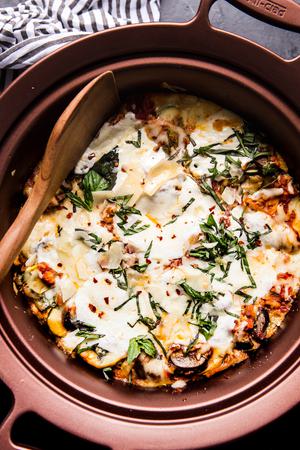 Hearty vegetarian lasagna made entirely in the slow cooker, no oven required
Credit: themodernproper.com
Hearty vegetarian lasagna made entirely in the slow cooker, no oven required
Credit: themodernproper.com
Pro Tips for Perfect Results Every Time
Even the simplest recipe can turn out mushy or bland if you skip these small, high-impact steps.
Layer Ingredients for Even, Consistent Cooking
Heat in a crock pot radiates most strongly from the bottom and sides, so layer dense, slow-cooking ingredients at the bottom and lighter, quick-cooking items on top. For example, place root vegetables, grains, and beans at the bottom of the pot, then add softer veggies like zucchini, tomatoes, and leafy greens on top. A common mistake is dumping all ingredients in at once, which leads to mushy greens and undercooked root veggies.
Adjust Cook Times for Your Specific Crock Pot Model
Most modern crock pots run 10-15 degrees hotter than models manufactured 10+ years ago, so a recipe that calls for 8 hours on low may be done in 6-7 hours on a newer model. Always check for doneness 1-2 hours before the recommended cook time, especially if your model has a "keep warm" setting that can continue cooking food if left unattended. Set a timer to remind you to check, and avoid lifting the lid more than once during cooking—each lift releases heat and adds 15-20 minutes to total cook time.
Avoid Overcooked, Mushy Textures With Simple Timing Tweaks
Delicate ingredients like canned beans, tomatoes, spinach, and zucchini only need 20-30 minutes to heat through and tenderize, so add them in the final stretch of cooking to avoid mushiness. If you’re using tofu or tempeh, press tofu first to remove excess water, and add it mid-cook so it holds its shape. For creamy soups and stews, blend a portion of the cooked vegetables and stir them back into the pot to thicken the mixture without adding extra flour or cream.
Customize Recipes for Every Dietary Need
All of the recipes above can be easily adjusted to fit gluten-free, low-sodium, vegan, and other dietary restrictions with simple swaps.
Gluten-Free Swaps That Don’t Sacrifice Flavor
Many pre-made spice blends, soy sauce, and store-bought vegetable broths contain hidden gluten as a filler. Swap regular soy sauce for tamari, use certified gluten-free broth and single-ingredient spices (no pre-made blends), and use naturally gluten-free grains like quinoa, rice, or gluten-free oats instead of barley or regular pasta. If you’re setting up a kid-friendly kitchen for meal prep, install no-drill child proof cabinet locks on lower drawers to keep small children away from hot surfaces and sharp utensils.
Low-Sodium Adjustments for Heart Health
To cut sodium without losing flavor, start with no-salt-added canned beans and tomatoes, and make your own vegetable broth instead of using store-bought versions, which often contain excess salt. Boost flavor with fresh garlic, ginger, lemon juice, smoked paprika, and fresh herbs instead of added salt, and taste before seasoning at the end—many ingredients like canned tomatoes and soy sauce already contain enough sodium for most recipes.
Vegan and Dairy-Free Modifications
Skip dairy cheese and cream by stirring in nutritional yeast for a cheesy, umami flavor, or using full-fat coconut milk or cashew cream to thicken soups and stews. Store-bought dairy-free cheese works well as a topping for stuffed peppers and casseroles, just add it in the final 10 minutes of cooking to melt properly.
Low-FODMAP Friendly Options
For those following a low-FODMAP diet to manage IBS symptoms, swap raw garlic for garlic-infused olive oil, use the green parts of spring onions instead of yellow onions, and use canned rinsed lentils instead of dried beans, which are lower in FODMAPs. Swap cauliflower for extra zucchini or carrots, and avoid high-FODMAP spices like garlic powder and onion powder in favor of single-ingredient herbs.
Meal Prep, Storage, and Reheating Guidelines
Crock pot meals are ideal for meal prep, as most dishes taste even better the next day as flavors have time to meld further.
Batch Cooking for Week-Long Stressless Meals
Cook 2-3 recipes on a Sunday afternoon to cover lunches and dinners for the week. Portion meals into individual airtight containers, label them with the date and recipe name, and most dishes will last 3-4 days in the refrigerator. For longer storage, freeze portions in flat, airtight silicone bags for up to 3 months—this saves space in your freezer and makes thawing faster. After portioning meals, clean your crock pot with a heavy-duty kitchen cleaning brush set to scrub away any stuck-on bits without scratching the ceramic insert.
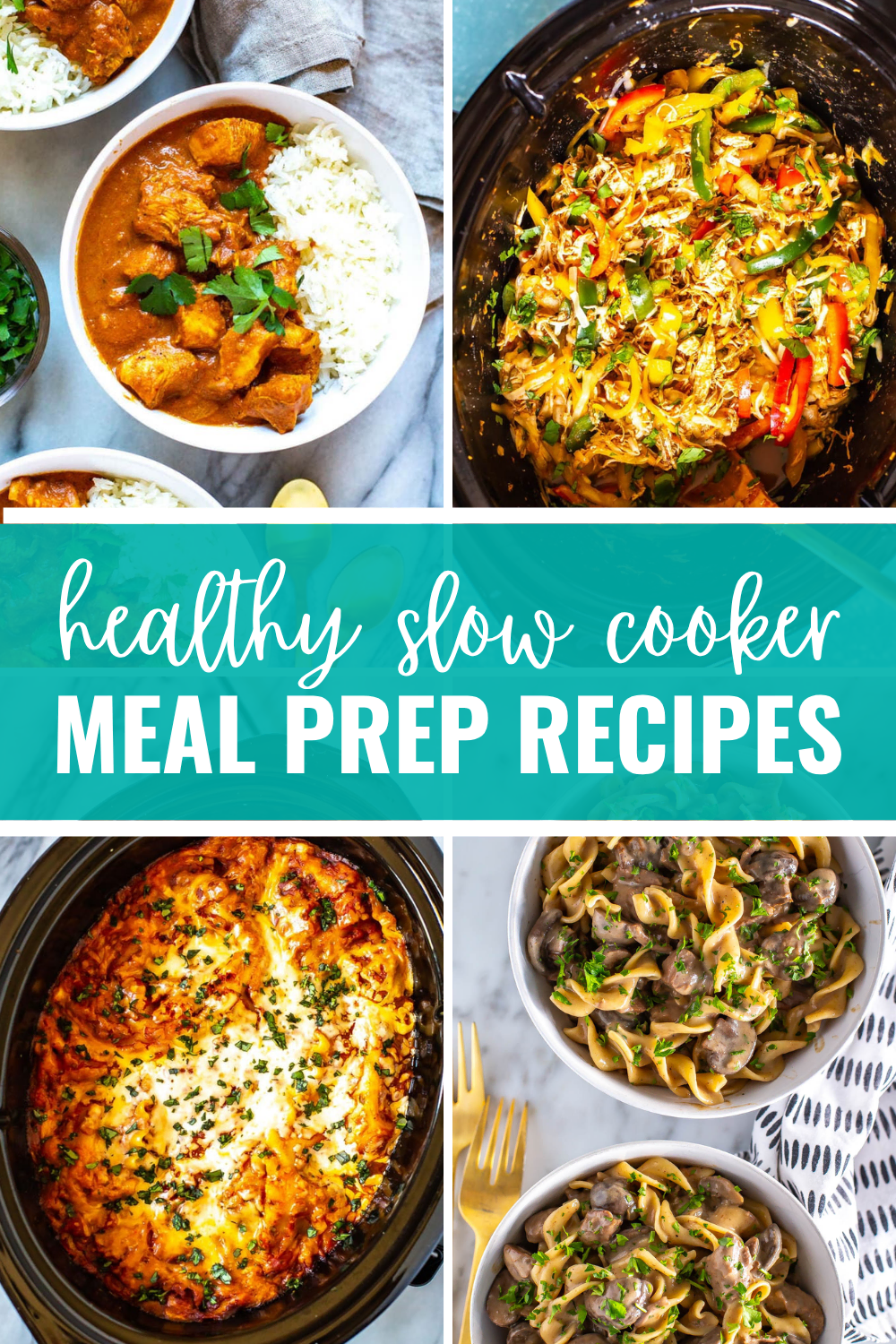 Pre-portioned crock pot meals stored in airtight containers for quick weekday lunches
Credit: thegirlonbloor.com
Pre-portioned crock pot meals stored in airtight containers for quick weekday lunches
Credit: thegirlonbloor.com
Safe Storage to Avoid Spoilage
Per USDA food safety guidelines, never leave cooked food in the "keep warm" setting of your crock pot for more than 2 hours, as this can allow bacteria to grow. Let meals cool to room temperature within 2 hours of finishing cooking before transferring them to the fridge or freezer. Never store food in the crock pot insert itself, as the ceramic can crack if placed directly in the fridge or freezer.
Reheating Without Losing Flavor or Texture
Thaw frozen meals in the refrigerator overnight, then reheat on the stovetop over low heat or in the microwave, stirring halfway through to ensure even heating. If a meal has thickened too much in the fridge, add a splash of water or vegetable broth to loosen it. Avoid reheating on high heat, as this will make vegetables rubbery and separate creamy sauces.
Frequently Asked Questions
Can I put frozen vegetables directly into a vegetarian crock pot?
Yes, but you’ll need to add 30-60 minutes to the total cook time to account for the extra time needed to thaw and cook the vegetables. Avoid adding delicate greens like spinach until the last 15 minutes, as frozen veggies release extra water that can make your dish soggy if cooked too long.
Do I need to brown vegetables before adding them to the crock pot?
Browning onions, mushrooms, or tofu in a skillet for 3-5 minutes before adding them to the crock pot adds a deep, roasted flavor that you can’t get from raw ingredients. If you’re short on time, you can skip this step—your meal will still be flavorful, just with a milder, more subtle taste.
Can I cook vegetarian crock pot recipes on high instead of low?
Yes, most recipes that call for 6-8 hours on low can be cooked on high for 3-4 hours. Keep in mind that high heat can make delicate vegetables like zucchini or spinach mushy faster, so add these ingredients in the last 20 minutes if using the high setting.
Are crock pot meals healthy for weight loss?
Absolutely, as long as you load up on non-starchy vegetables, lean plant proteins, and whole grains, and limit added oils, salt, and processed ingredients. Slow cooking helps retain nutrients, and the high fiber content from veggies and legumes keeps you full longer, reducing the urge to snack between meals.
Can I use a slow cooker liner to make cleanup easier?
Yes, disposable slow cooker liners are a great option for quick cleanup—just lift the liner out after cooking and discard it, no scrubbing required. Just make sure the liner is rated for high heat and fits your crock pot size properly to avoid tears or leaks.
Final Thoughts
Healthy vegetarian crock pot recipes take the stress out of cooking plant-based meals, delivering bold flavor and balanced nutrition with minimal active work. Whether you’re a seasoned slow cooker user or trying your first recipe this week, these tested dishes and pro tips will help you create meals your whole family will love, no last-minute cooking required. Start with the lentil stew if you’re new to slow cooking—it’s nearly foolproof and uses pantry staples you likely already have on hand. For more tested plant-based recipes and kitchen tips, check out our weekly updated blog.

I’m Abby Lu, a passionate home cook who loves simplifying everyday meals. At PlugChef.com, I share product reviews and cooking guides to help you find the best tools for your kitchen.
Related posts:
 Sweet And Sour Shrimp Pineapple: Irresistible Tropical Delight Recipe
 Joanna Gaines Chicken Tortilla Soup: Irresistible Comfort Recipe
 Heart of Palm Trader Joe: Delicious Uses and Health Benefits Revealed
 How Do You Grind Coffee: Expert Tips for Perfect Flavor Every Time
 Snacks at a Gas Station: Top Tasty Treats You Can’t Miss
 How Do You Make Millet: Easy Steps for a Nutritious Meal

