
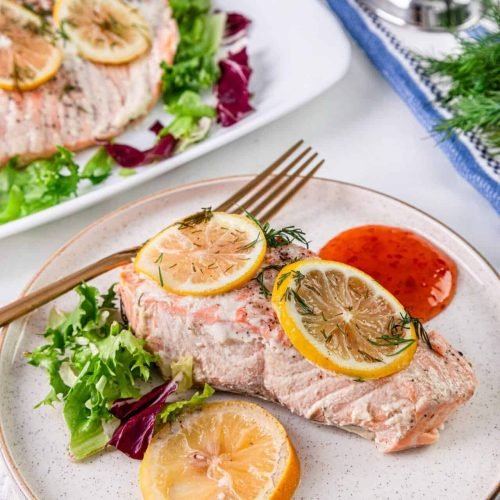
If you’re tired of babysitting a stovetop pan to avoid dry, rubbery salmon, or scrambling to get a healthy dinner on the table after a long day, crock pot salmon is the solution you’ve been looking for. This hands-off cooking method delivers tender, flaky, flavor-packed fish with zero active cooking time, no risk of overcooking if you follow simple guidelines, and minimal cleanup. Whether you’re a beginner cook, a busy parent, or a meal prep enthusiast, crock pot salmon works for every schedule and skill level. In this guide, we’ll walk you through choosing the best salmon cuts, prep best practices, foolproof cooking techniques, tested recipes, and troubleshooting tips to ensure your slow-cooked salmon turns out perfect every single time.
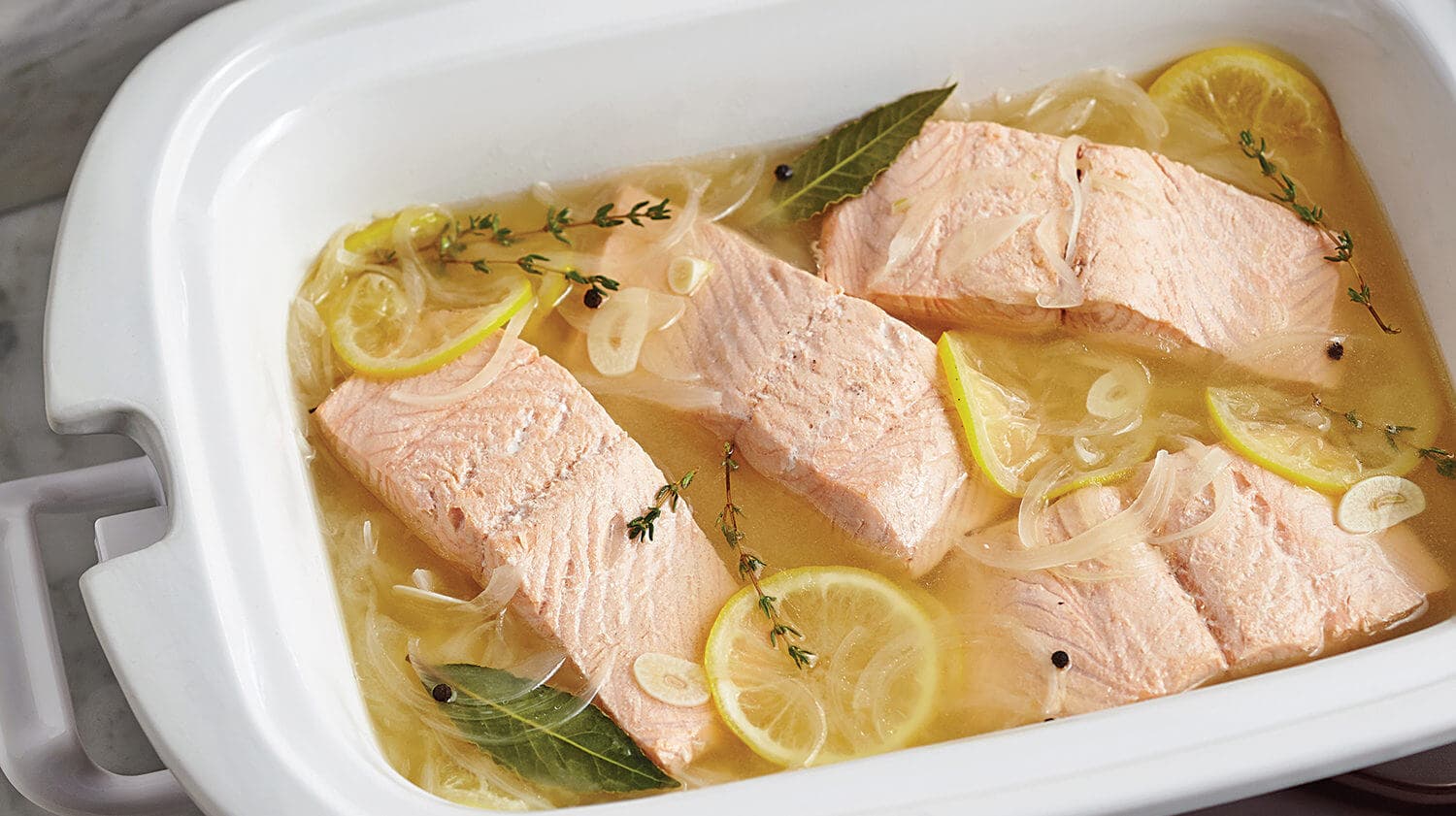 Poached salmon in a slow cooker is a low-effort, high-reward weeknight meal.
Credit: www.sobeys.com
Poached salmon in a slow cooker is a low-effort, high-reward weeknight meal.
Credit: www.sobeys.com
Why Crock Pot Salmon Beats Other Cooking Methods
Crock pot salmon stands out from stovetop, oven, and grill methods for one key reason: it’s completely hands-off, with no risk of overcooking if you follow time and temperature guidelines. Unlike stovetop cooking, where high heat can quickly turn delicate salmon flesh dry and rubbery, the crock pot’s low, steady heat gently cooks the fish in its own juices and added liquid, locking in moisture and flavor. It’s also ideal for meal prep: you can throw ingredients together before work, come home to a fully cooked meal, and have leftovers for the next 3 days. For home cooks who struggle with timing fish, which cooks faster than most proteins, the crock pot eliminates the guesswork entirely.
Choosing the Best Salmon for Slow Cooking
The type of salmon you pick will impact the final texture and flavor of your dish. Different cuts have varying fat content, firmness, and cooking times, so choosing the right one for your recipe will set you up for success.
Popular Salmon Cuts for Crock Pots
Atlantic salmon is the most widely available option, with a mild, buttery flavor and moderate fat content that makes it forgiving for first-time crock pot cooks. It stays moist even with longer cook times, making it ideal for recipes with bold marinades. Sockeye salmon has a firmer, denser texture and a richer, more robust flavor, which holds up well to spicy or savory glazes like honey soy or curry. Coho salmon is delicate and mild, with a shorter cooking time, so it’s best for simple poached recipes with light seasonings. If you want a luxurious, extra-rich option, look for King (Chinook) salmon, which has the highest fat content of all salmon species, but it tends to be pricier.
For most recipes, skin-on fillets are the best choice: the skin protects the delicate flesh from breaking apart during cooking, locks in moisture, and can be crisped under the broiler for added texture after cooking. Boneless, skinless fillets are a good option for kids or diners who prefer not to eat skin. Salmon steaks also work well, but add 15 to 20 minutes to the total cook time to account for their thicker cut.
Fresh vs. Frozen: What to Buy
Fresh salmon will always have the brightest flavor and softest texture, but high-quality frozen salmon is a perfectly acceptable, often more affordable alternative. Look for salmon that’s flash-frozen at sea, which preserves quality and nutrients far better than fish that’s been frozen after being shipped fresh. If buying frozen, thaw it slowly in the refrigerator for 24 hours before cooking — never thaw at room temperature, as this encourages bacterial growth. Per USDA food safety guidelines, thawed salmon should be cooked within 1 to 2 days, and should never be refrozen once thawed. Both fresh and properly thawed frozen salmon work equally well in crock pot recipes, so choose based on your budget and timeline.
Portion Size and Crock Pot Capacity
Avoid overcrowding your crock pot, as this blocks heat circulation and leads to unevenly cooked salmon. As a general rule, leave 1 to 2 inches of space between fillets, and don’t stack fish on top of each other. A 6-quart crock pot fits 2 to 3 6oz fillets comfortably, while an 8-quart pot can hold 4 to 5 fillets, or a full 1 to 2 lb side of salmon. If you’re cooking a large batch, you may need to cook in two batches to ensure even results.
Prep Steps for Foolproof Crock Pot Salmon
Proper prep is the key to avoiding common issues like dry, bland, or broken-apart salmon. These simple steps take 10 minutes or less, and will drastically improve your final dish.
Cleaning and Trimming
Start by rinsing the salmon under cold running water to remove any surface debris or scales, then pat it completely dry with paper towels. Drying the fish is critical: it ensures seasonings stick to the flesh, and prevents sogginess during cooking. Run your fingers along the surface of the fillet to check for small pin bones, and pull them out gently with a pair of tweezers — these small, sharp bones can ruin an otherwise perfect bite. Trim off any dark red bloodline if you prefer a milder flavor, but leave the outer fat cap on, as it melts during cooking to keep the fish moist. If using skin-on fillets, score the skin lightly with a sharp knife in a crosshatch pattern to help it crisp up if you plan to broil the salmon after cooking. Keep a soap-dispensing scrub brush nearby to wash fishy residue off your hands quickly without spreading grease across kitchen surfaces.
Seasoning and Marinade Best Practices
Salt is non-negotiable for flavorful salmon: use 1/4 tsp of kosher salt per 6oz fillet, applied 15 minutes before cooking if you have time, to draw out excess moisture and season the flesh evenly. Pair salt with freshly ground black pepper, and fresh herbs like dill, parsley, or thyme, which hold up well to long cook times without turning bitter. If using a marinade, limit marinating time to 30 to 60 minutes max: acidic ingredients like lemon juice, vinegar, or wine break down the delicate salmon flesh if left too long, leading to a mushy texture. Always reserve 1/4 of your marinade before adding it to the raw fish, so you can pour it over the salmon halfway through cooking for extra flavor, or use it as a finishing sauce after boiling it to kill any bacteria.
Liquid Base Tips (A Critical, Often Missed Step)
Unlike many other crock pot recipes, salmon doesn’t need to be submerged in liquid to cook properly. Instead, add 1/2 to 1 cup of liquid to the bottom of the crock pot before adding the salmon, to create steam that keeps the fish moist and infuses it with flavor. The best liquid depends on your recipe: low-sodium chicken or vegetable broth works for neutral, savory dishes, white wine adds bright, acidic notes, full-fat coconut milk is perfect for curry recipes, and even water with a few lemon slices works for simple poached salmon. Avoid adding too much liquid, as this will boil the salmon instead of steaming it, leading to a bland, waterlogged texture.
Core Crock Pot Cooking Techniques
With your salmon prepped and ready, these simple techniques will ensure you get perfect, flaky results every time.
Temperature and Time Guidelines
Always use the low setting on your crock pot, which maintains a steady temperature of 190°F to 200°F (88°C to 93°C). High heat will cook the salmon too quickly, causing it to dry out and develop a tough, rubbery texture. The ideal internal temperature for cooked salmon is 145°F (63°C), as outlined in official USDA safe cooking guidelines, which ensures any harmful bacteria are eliminated while keeping the fish moist and flaky.
Cooking times vary by fillet size: 4oz thin fillets take 1 to 1.5 hours on low, 6oz standard fillets take 1.5 to 2 hours, and a full 1 to 2 lb side of salmon takes 2 to 2.5 hours. Never lift the crock pot lid during the first 1.5 hours of cooking: a common mistake home cooks make is checking on the fish every 10 minutes, but each lid lift releases stored heat and extends cooking time by 15 to 20 minutes.
Lining and Wrapping Options
Lining your crock pot with parchment paper before cooking makes cleanup effortless, eliminating the need to scrub fish oils and stuck-on bits from the ceramic insert. For extra tender, moist salmon, wrap individual fillets in parchment paper packets (en papillote) before placing them in the crock pot: this steams the fish in its own juices and any added marinade, locking in flavor and preventing it from drying out. Aluminum foil works as an alternative, but parchment paper is better for recipes with acidic ingredients like lemon or vinegar, as foil can react with acids and alter the flavor of your dish.
Layering for One-Pot Meals
If you’re adding vegetables or grains to your crock pot to make a full one-pot meal, layer ingredients strategically for even cooking. Place hardy root vegetables (potatoes, sweet potatoes, carrots), aromatics (onion, garlic, celery), and grains at the bottom of the pot first, then add your liquid base, then place the salmon on top. This ensures the root vegetables and grains cook fully in the 2 to 2.5 hour cook time, while the salmon steams above the liquid instead of boiling directly in it. Softer vegetables like zucchini, bell peppers, or green beans should be added in the last 30 minutes of cooking, and leafy greens like spinach or kale in the last 5 minutes, to avoid turning to mush.
Easy, Tested Crock Pot Salmon Recipes
These beginner-friendly recipes use simple, easy-to-find ingredients, and come together with 10 minutes or less of prep time. All recipes are designed for a 6-quart crock pot, and can be doubled for larger pots.
Lemon Garlic Butter Salmon (Beginner-Friendly, 2 Hour Cook Time)
This classic recipe is perfect for first-time crock pot salmon cooks, with bright, zesty flavor and a rich, buttery finish. Ingredients:
- 4 6oz salmon fillets, skin-on preferred
- 3 tbsp melted unsalted butter
- 2 tbsp fresh lemon juice
- 4 cloves garlic, minced
- 1 tsp kosher salt
- 1/2 tsp freshly ground black pepper
- 2 tbsp chopped fresh dill, divided
- 1 cup low-sodium chicken broth Instructions:
- Line a 6-quart crock pot with parchment paper for easy cleanup.
- In a small bowl, whisk together melted butter, lemon juice, garlic, salt, pepper, and half the dill.
- Place salmon fillets skin-side down in the crock pot, then pour the butter mixture evenly over the top. Pour the chicken broth into the bottom of the pot (do not pour over the salmon, to avoid boiling it).
- Cook on low for 1.5 to 2 hours, until the internal temperature reaches 145°F and the salmon flakes easily with a fork.
- Top with remaining dill, and serve with roasted asparagus, garlic mashed potatoes, or jasmine rice.
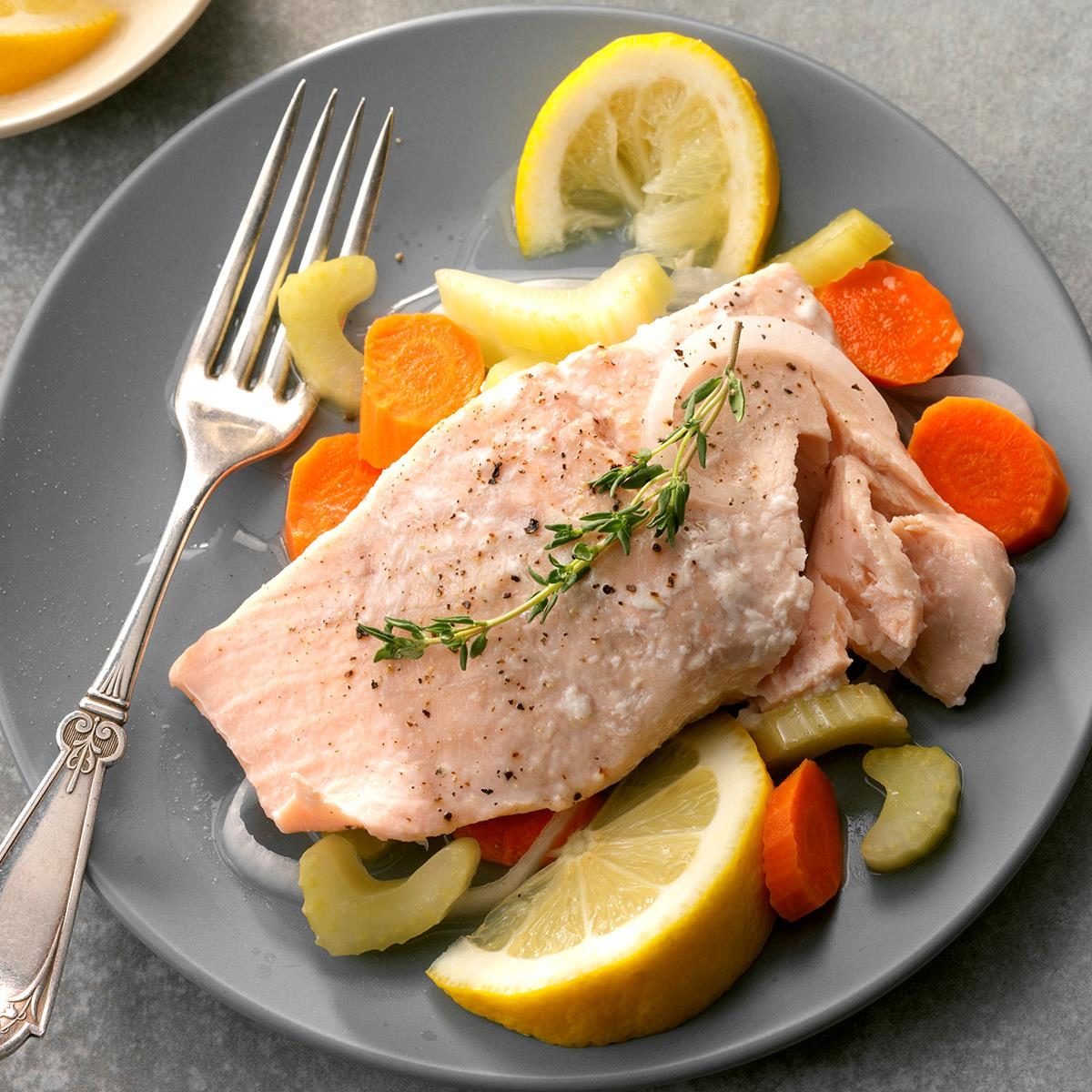 This simple poached salmon recipe comes together in under 10 minutes of prep time.
Credit: www.tasteofhome.com
This simple poached salmon recipe comes together in under 10 minutes of prep time.
Credit: www.tasteofhome.com
Honey Soy Glazed Salmon (Sweet-Savory, 5 Minute Prep)
This sticky, flavorful recipe is a hit with kids and adults alike, and pairs perfectly with rice and stir-fried vegetables. Ingredients:
- 4 6oz salmon fillets
- 1/3 cup low-sodium soy sauce
- 2 tbsp honey
- 1 tbsp rice vinegar
- 1 tsp grated fresh ginger
- 2 cloves garlic, minced
- 1 tbsp sesame oil
- 2 sliced green onions, for garnish
- 1 cup water Instructions:
- In a small bowl, whisk together soy sauce, honey, rice vinegar, ginger, garlic, and sesame oil.
- Place salmon fillets in the crock pot, then pour half the sauce mixture over the top. Reserve the remaining half for glazing after cooking.
- Pour the water into the bottom of the crock pot.
- Cook on low for 1.5 hours, until the salmon flakes easily with a fork.
- Preheat your oven’s broiler to high. Transfer the salmon to a baking sheet, brush with the reserved sauce, and broil for 2 to 3 minutes until the glaze is bubbly and slightly caramelized.
- Top with green onions, and serve with jasmine rice and steamed broccoli.
Creamy Coconut Curry Salmon (Bold, 10 Minute Prep)
This flavorful, globally-inspired recipe is perfect for weeknights when you want something a little different, and works great with leftovers for lunch the next day. Ingredients:
- 4 6oz salmon fillets
- 1 14oz can full-fat coconut milk
- 2 tbsp red curry paste
- 1 tbsp fish sauce
- 1 tsp brown sugar
- 1 red bell pepper, sliced
- 1 cup sliced cremini mushrooms
- 1 tbsp fresh lime juice
- 1/4 cup chopped fresh cilantro, for garnish Instructions:
- In a bowl, whisk together coconut milk, curry paste, fish sauce, and brown sugar until smooth.
- Place bell pepper and mushrooms in the bottom of the crock pot, then pour half the coconut mixture over them.
- Place salmon fillets on top of the vegetables, then pour the remaining sauce over the fish.
- Cook on low for 1.5 to 2 hours, until the salmon flakes easily with a fork.
- Stir in lime juice, top with cilantro, and serve with jasmine rice or naan for dipping.
Adding Vegetables and Sides for One-Pot Meals
One of the biggest perks of crock pot salmon is that you can cook your entire meal in one pot, with no extra stovetop or oven use. The key to perfectly cooked, flavorful sides is choosing the right ingredients and adding them at the right time.
Best Vegetables for Slow Cooking with Salmon
Hardy root vegetables like potatoes, sweet potatoes, carrots, and parsnips are the best choice for crock pot salmon, as they hold their shape during long cook times and develop a rich, sweet flavor from the steaming liquid. Layer these at the bottom of the crock pot under the salmon, so they cook directly in the flavorful juices. Aromatics like diced onion, garlic, and celery add depth to the liquid base, infusing the salmon with extra flavor as it cooks. Softer vegetables like zucchini, bell peppers, and green beans should be added in the last 30 minutes of cooking to avoid turning mushy. Leafy greens like spinach or kale only need 5 minutes of cook time, so add them right at the end, just until wilted, to preserve their texture and nutrients.
Grain and Starchy Side Options
If you want to cook grains directly in the crock pot with your salmon, stick to quick-cooking options like quinoa, couscous, or instant rice, which only need 15 to 20 minutes to cook through. Add grains to the pot 30 minutes before the salmon is done, with an extra 1.5 cups of liquid per 1 cup of grain, to ensure they don’t dry out. Diced Yukon Gold or sweet potatoes can be layered under the salmon at the start of cooking, and will be tender and creamy by the time the fish is done. Avoid long-cooking grains like barley or farro unless you pre-cook them first, as they will take longer to cook than the salmon and turn out underdone.
Flavor Boosters for the Whole Pot
A few simple additions can elevate the entire meal without extra work. Add a splash of dry white wine or a squeeze of fresh lemon to the liquid base to cut through the richness of the salmon and brighten the overall flavor. Fresh herbs like dill, thyme, or parsley added at the start of cooking infuse the entire pot with aromatic flavor, while a sprinkle of fresh herbs at the end adds a bright, fresh finish. A pinch of red pepper flakes or a dash of hot sauce adds subtle heat that pairs perfectly with soy or curry glazes. Toss root vegetables with a little olive oil, salt, and pepper before adding them to the crock pot for extra caramelized flavor.
Troubleshooting Common Crock Pot Salmon Issues
Even with the best prep, small mistakes can lead to less-than-ideal results. These fixes will help you avoid common pitfalls and get perfect salmon every time.
Overcooked or Dry Salmon
This is the most common issue home cooks face with crock pot salmon, and it’s almost always caused by cooking too long or using the high heat setting. Always stick to the low setting, and set a timer for the minimum recommended cook time for your fillet size. Check for doneness with an instant-read thermometer at 145°F, rather than relying on time alone. If you accidentally overcook your salmon, don’t throw it out: flake it into chunks and toss it with a little extra butter, lemon juice, and fresh herbs, then serve over rice, pasta, or salad for a quick, flavorful meal.
Mushy or Rubbery Texture
Mushy salmon is usually caused by marinating it in acidic ingredients (lemon, vinegar, wine) for longer than 1 hour, which breaks down the delicate flesh. Rubbery texture is a sign of overcooking. To avoid both, limit marinade time to 60 minutes max, always use the low heat setting, and don’t overcrowd the crock pot, which traps heat and leads to uneven cooking.
Fishy Odor or Taste
A strong fishy smell or taste is almost always a sign of old, low-quality salmon, not a flaw in the cooking method. Always buy salmon that has a mild, clean ocean smell, with no strong ammonia or sour notes. Rinse the salmon under cold water before prepping to remove any surface bacteria that can cause off-flavors. Add lemon slices, fresh dill, or a splash of white vinegar to the crock pot while cooking to neutralize any mild odors, and make sure your kitchen is well-ventilated with an exhaust fan or open window.
Sticking to the Crock Pot
To prevent salmon from sticking to the crock pot insert, always line the pot with parchment paper or grease it lightly with cooking spray before adding the fish. If you’re using skin-on fillets, the skin may stick slightly as it cooks: let the salmon cool for 5 minutes after cooking, then gently lift it out with a thin spatula to avoid tearing the flesh.
Serving, Storing, and Reheating Leftovers
Proper serving and storage will keep your crock pot salmon tasting fresh for days, and reheating it correctly will preserve its moist, flaky texture.
Plating and Serving Ideas
Lemon garlic butter salmon pairs perfectly with roasted asparagus and garlic mashed potatoes for a classic, comforting weeknight meal. Honey soy glazed salmon is delicious served over jasmine rice with steamed broccoli, or folded into lettuce wraps for a low-carb option. Coconut curry salmon works great with naan for dipping, or over a bed of fluffy quinoa for a protein-packed meal. Top any salmon dish with a sprinkle of fresh herbs, a squeeze of lemon, or a drizzle of extra sauce for added flavor. For a quick, light meal, serve leftover salmon over a bed of pre-washed salad greens with a simple vinaigrette. For a personalized, stylish presentation, serve your salmon on a custom engraved cutting board for easy plating.
Safe Storage Guidelines
Let the salmon cool completely (no more than 2 hours at room temperature, per USDA food safety rules) before storing to avoid bacterial growth. Place leftovers in an airtight container in the refrigerator for up to 3 days. For longer storage, wrap the salmon tightly in plastic wrap and aluminum foil, or place it in a freezer-safe bag, and freeze for up to 3 months. Label the container with the date so you can keep track of freshness.
Reheating Without Drying Out
Never reheat salmon on high heat, as this will dry it out and make it rubbery. For the microwave: place the salmon on a microwave-safe plate, cover it with a damp paper towel, and heat on 50% power for 1 to 2 minutes, until just warm. For the oven: wrap the salmon in foil, and heat at 275°F (135°C) for 15 minutes. For the stovetop: heat a small splash of olive oil in a skillet over low heat, add the salmon, cover, and heat for 3 to 4 minutes, flipping halfway through. Avoid reheating salmon more than once, as this increases the risk of foodborne illness.
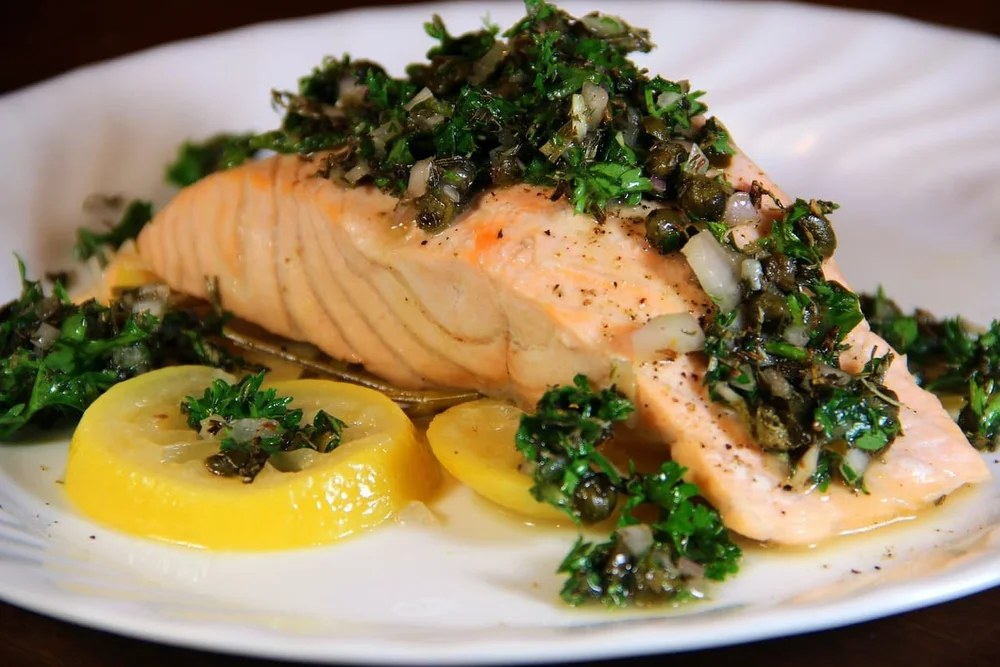 Crock pot salmon stays moist and flaky without any active stovetop monitoring.
Credit: smartslowcooker.com
Crock pot salmon stays moist and flaky without any active stovetop monitoring.
Credit: smartslowcooker.com
Pro Tips for Perfect Crock Pot Salmon Every Time
These small, often overlooked tips will take your crock pot salmon from good to great:
- Always pat salmon dry before seasoning: this ensures seasonings stick to the flesh, and helps the skin crisp up if you broil it after cooking.
- Don’t overcrowd the crock pot: leave 1 to 2 inches of space between fillets for even heat circulation.
- Use an instant-read thermometer to check for doneness, rather than relying solely on time: 145°F is the safe, perfect internal temperature for flaky salmon.
- Add a layer of sliced onions, carrots, or celery to the bottom of the crock pot before adding the liquid and salmon: this creates a flavorful base that infuses the fish as it cooks.
- For extra flavor, add a splash of dry white wine or a squeeze of lemon to the liquid base to cut through the richness of the salmon.
- If you have young children in the home, secure the crock pot cord out of reach with no-drill cabinet locks to prevent accidental pulls or burns. Store raw salmon and cleaning supplies in locked drawers using childproof drawer latches to keep little ones safe from raw fish and harsh chemicals.
- For easier post-meal cleanup of the crock pot and kitchen surfaces, keep a soap-dispensing scrub brush nearby to wash fishy hands and stuck-on grime quickly. A dedicated kitchen brush set makes scrubbing the crock pot insert and countertops after cooking quick and mess-free, and for tough baked-on bits, a reliable kitchen cleaning brush with stiff bristles will cut through grime without scratching non-stick surfaces.
Frequently Asked Questions
How long do you cook salmon in a crock pot?
Cooking time depends on the size and thickness of your salmon fillet. For 6oz skin-on fillets, cook on low for 1.5 to 2 hours. Thinner 4oz fillets take 1 to 1.5 hours, while a full 1 to 2 lb side of salmon needs 2 to 2.5 hours on low. Always check for doneness with an instant-read thermometer: the internal temperature should reach 145°F (63°C) for safe, flaky results.
What temperature setting is best for crock pot salmon?
Always use the low setting, which maintains a steady temperature of 190°F to 200°F (88°C to 93°C). High heat will cook the salmon too quickly, leading to dry, rubbery texture and uneven cooking. Never cook salmon on the high setting, even for shorter periods.
Can I cook frozen salmon directly in the crock pot?
Yes, but it’s not ideal for the best texture. If you’re short on time, you can add frozen salmon directly to the crock pot, but add 30 to 45 minutes to the total cooking time, and ensure the internal temperature reaches 145°F. For evenly cooked, tender salmon, thaw frozen fillets in the refrigerator for 24 hours before cooking, and avoid refreezing thawed salmon for food safety.
Can I add vegetables directly with the salmon in the crock pot?
Absolutely, which is one of the biggest benefits of this cooking method. Layer hardy root vegetables (potatoes, carrots, parsnips) and aromatics (onion, garlic) at the bottom of the crock pot first, add your liquid base, then place the salmon on top. Add softer vegetables like zucchini, bell peppers, or green beans in the last 30 minutes of cooking to avoid mushiness, and leafy greens like spinach in the last 5 minutes.
Is crock pot salmon healthy?
Yes, crock pot salmon is an extremely healthy meal option. Salmon is packed with high-quality protein, omega-3 fatty acids, B vitamins, and selenium. Slow cooking at low heat preserves these nutrients far better than high-heat cooking methods, and you can control the amount of added salt, sugar, and fat in your recipe for a low-inflammatory, nutrient-dense meal.
What is the best liquid to use for crock pot salmon?
The best liquid depends on the flavor profile you want: low-sodium chicken or vegetable broth works for neutral, savory dishes, white wine adds brightness, coconut milk is perfect for curry recipes, and even water with lemon slices works for simple poached salmon. Add 1/2 to 1 cup of liquid to the bottom of the crock pot — you don’t need to submerge the salmon, just enough to create steam to keep it moist.
Conclusion
Crock pot salmon is the ultimate set-it-and-forget-it meal for busy home cooks, delivering tender, flavorful, nutrient-dense fish with minimal effort and cleanup. By choosing the right cut of salmon, following simple prep and cooking guidelines, and using one of our tested recipes, you can avoid common pitfalls like overcooking, dryness, and bland flavor. Whether you’re cooking for a family dinner, meal prepping for the week, or hosting a casual gathering, crock pot salmon is a versatile, crowd-pleasing option that works for every occasion. Ready to simplify your dinner routine? Try the lemon garlic butter salmon recipe first for a no-fuss, beginner-friendly meal, and experiment with different marinades and sides to make it your own. For more easy weeknight recipes and kitchen tips to simplify your cooking routine, explore our full blog library for tested, beginner-friendly guidance.

I’m Abby Lu, a passionate home cook who loves simplifying everyday meals. At PlugChef.com, I share product reviews and cooking guides to help you find the best tools for your kitchen.
Related posts:
 What Oil to Use on Cutting Board: Best Options Revealed
 Is Teak Wood Good for Cooking Utensils: Discover Benefits
 How to Cut Skirt Board for Stair: Expert Tips & Techniques
 Can I Put Wood Cutting Board in Dishwasher? Essential Tips
 First Aid Kit Supplies Refills: Essential Items You Must Restock
 10 Person First Aid Kit: Essential Gear for Emergencies

