
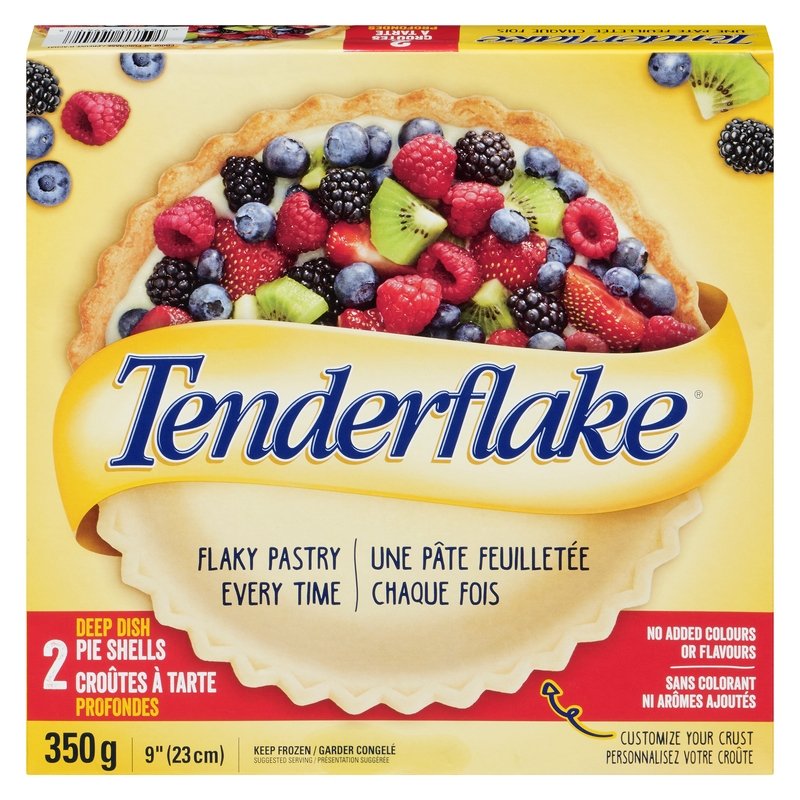
Deep dish pies demand a crust that’s equal parts sturdy, flaky, and flavorful — a tough balance for even experienced bakers. Unlike standard pie crusts, deep dish bases need to hold up to 4+ cups of thick, heavy fillings without turning soggy, slumping, or shrinking during baking. If you’ve ever pulled a deep dish pie from the oven only to find a burnt, tough bottom or a crumbly, flavorless base, you know the crust makes or breaks the entire dish.
The 9 recipes below are tested for home bakers using standard 9-inch deep dish pie pans, with options for every diet, skill level, and filling type — from classic all-butter crusts for sweet fruit pies to gluten-free blends for allergen-friendly bakes. We’ll walk you through ingredient selection, pro techniques, common pitfalls, and filling pairings to ensure your next deep dish pie has a crust worth raving about.
Understanding Flour Choices for Deep Dish Crusts
Flour is the structural backbone of your crust, and its protein content directly determines whether your base is tender and flaky or tough and chewy. For deep dish pies, which require extra strength to support thick fillings, flour selection is even more critical than for standard pies. Protein content is the key differentiator between flour types: standard all-purpose flour sits at 10-12% protein, while pastry flour is milled to 8-9% protein, a range that directly impacts crust structure per USDA flour grading standards.
All-Purpose vs. Pastry Flour
Standard all-purpose flour is the most versatile option for deep dish crusts. Its moderate gluten formation provides enough structure to hold heavy fillings like chicken pot pie or thick apple filling without turning tough, making it a reliable choice for beginner bakers. Pastry flour produces a more delicate, tender crumb that’s ideal for sweet pies with lighter fillings like fresh berries or custard. It creates a flakier texture than all-purpose flour, but can be too fragile for very hearty savory pies if used on its own. In practice, most home bakers get the best results with a 50/50 blend of all-purpose and pastry flour for deep dish pies, balancing structure and tenderness without the risk of a crumbly base. Use 100% all-purpose flour for meat or veggie-heavy savory pies, and 100% pastry flour for delicate fruit or cream pies.
Gluten-Free Flour Blends
For bakers with gluten sensitivities or allergies, a well-formulated gluten-free blend can produce a deep dish crust that’s nearly indistinguishable from wheat-based versions. Look for blends that include rice flour, tapioca starch, and xanthan gum, which mimic the structure of gluten without altering flavor. A standard 1:1 gluten-free all-purpose blend works well for most deep dish recipes, but adding 1-2 tablespoons of almond flour per cup of blend will boost moisture and richness, preventing the crumbly texture common in gluten-free crusts. Avoid coconut flour as a primary substitute, as its high absorbency can lead to a dry, dense crust unless you significantly increase the liquid content. Pro tip: If your gluten-free blend doesn’t include xanthan gum, add ½ tsp per cup of flour to help bind the dough and prevent crumbling.
Core Ingredients That Make or Break Your Crust
Even the best flour won’t save a crust made with warm fat or low-quality ingredients. Each component plays a specific role in creating that ideal flaky, tender texture, and small tweaks can drastically improve your results. Start by clearing your baking station and scrubbing any old dough residue from your rolling pin and pastry cutter with a sturdy kitchen scrubber to avoid introducing unwanted flavors to your crust.
Fat Options: Butter, Shortening, and Lard
Fat is the key to flakiness: as it melts during baking, it creates steam pockets that form the signature layered texture of a great pie crust. Unsalted butter is the most popular choice for its rich, classic flavor, but it has a low melting point, which can make dough fragile to work with if it gets too warm. All-vegetable shortening has a higher melting point, making it easier to handle and producing a more tender, crumbly crust, but it lacks the depth of flavor of butter. For the best of both worlds, many bakers use a 50/50 mix of butter and shortening. Lard, a less common but highly effective option, produces the flakiest, most tender crust of any fat, with a neutral flavor that works well for savory pies. It’s a great swap for half the butter in any recipe for extra lift, though it’s not suitable for vegetarian or halal diets. Common mistake: Using melted or softened fat will mix fully into the flour instead of creating distinct layers, leading to a tough, dense crust. Always use ice-cold, cubed fat.
Cold Liquid and Salt
Ice-cold water is non-negotiable for flaky crusts: it binds the dough without melting the cold fat, preserving those critical steam pockets. For even more tender results, substitute half the water with ice-cold vodka; vodka has less gluten-forming potential than water, so you can add more liquid without making the dough tough. Fine sea salt or kosher salt is ideal for crusts, as it distributes evenly without creating salty pockets. Add 1 tsp of salt per 2 ½ cups of flour for a balanced flavor that enhances both sweet and savory fillings without overpowering them.
Pro Techniques for Foolproof Flaky Deep Dish Crusts
Even with the right ingredients, technique is what separates a soggy, tough crust from a perfectly flaky, golden base. These tested methods are tailored specifically for deep dish pans, which require extra care to avoid shrinkage and sogginess.
Cutting in Fat
The goal of cutting in fat is to create pea-sized pieces of cold fat coated in flour, which will melt into steam pockets during baking to form flaky layers. You can use a pastry cutter, two knives, or a food processor for this step. If using a food processor, pulse the flour and fat in 1-second bursts to avoid overworking the dough. If mixing by hand, use a rubbing motion with your fingertips to break the fat into small pieces, taking care not to warm the fat with the heat of your hands. The finished mixture should look like coarse crumbs with a few larger, pea-sized fat pieces remaining. In practice, slightly larger fat pieces are better than too-small ones: small pieces will melt completely during baking, leading to a denser crust, while larger pieces create bigger, more noticeable flaky layers.
Dough Handling and Chilling Rules
Overworking the dough is the most common cause of tough, chewy crusts, as it develops excess gluten in the flour. Mix the dough just until it comes together in a shaggy ball — it will look crumbly at first, but will hold together when squeezed. Knead it no more than 5 times to combine any dry patches. Chill the shaped dough for at least 1 hour (or overnight) before rolling or pressing into the pan. Cold dough is easier to handle, less likely to shrink during baking, and keeps the fat solid until it hits the oven. For extra insurance, chill the crust in the pie pan for 30 minutes after shaping, before adding weights or filling.
Preventing Shrinkage and Slumping
Deep dish crusts are particularly prone to shrinkage because of their tall sides, which pull taut when baked. To avoid this:
- Never stretch the dough when pressing it into the pan — instead, press it gently into the corners and let any excess hang over the edge.
- Dock the bottom and sides of the crust with a fork before blind baking to release steam and prevent air pockets.
- Use pie weights or dry beans to hold the crust firmly against the pan during blind baking, and chill the crust for 30 minutes before putting it in the oven. For a custom touch, use a fork or crimping tool to score the edges, or try decorative engraving techniques to add personalized designs to your crust before baking.
9 Tested Deep Dish Pie Crust Recipes
All recipes below yield enough dough for a 9-inch deep dish pie pan (2 inches deep, 4-5 cup capacity), with notes for customization. If you’re baking with little helpers, secure lower cabinets with child-safe cabinet latches to keep curious hands away from hot oven racks and raw ingredients.
1. Classic All-Butter Deep Dish Crust
Best for: Sweet fruit pies, apple pie, cherry pie Ingredients:
- 2 ½ cups (315g) all-purpose flour
- 1 tsp fine sea salt
- 1 cup (225g) unsalted butter, cubed and ice-cold
- 6-8 tbsp ice-cold water Instructions:
- Whisk flour and salt in a large bowl. Add cold butter cubes, and cut in with a pastry cutter or food processor until the mixture resembles coarse crumbs with pea-sized butter pieces.
- Add ice water 1 tbsp at a time, mixing gently with a fork, until the dough just comes together. It should hold its shape when squeezed, but not be sticky.
- Form the dough into a 1-inch thick disc, wrap tightly in plastic wrap, and chill for at least 1 hour.
- Press the dough evenly into the bottom and sides of a 9-inch deep dish pie pan, trimming any excess from the edges. Chill for 30 minutes before blind baking or filling. Pro tip: For extra flavor, add 1 tsp of sugar to the dry ingredients for sweet pies, or ½ tsp of dried thyme for savory fillings.
2. Extra Flaky Butter-Lard Blend Crust
Best for: Savory meat pies, chicken pot pie, quiche Ingredients:
- 2 ¼ cups (285g) all-purpose flour
- 1 tsp kosher salt
- ½ cup (115g) unsalted butter, cubed and ice-cold
- ½ cup (115g) cold lard, cubed
- 6-7 tbsp ice-cold water Instructions:
- Whisk flour and salt in a bowl. Add butter and lard, cutting in until the mixture forms coarse crumbs with pea-sized fat pieces.
- Add ice water 1 tbsp at a time, mixing gently, until the dough holds together.
- Form into a disc, wrap, and chill for at least 2 hours (the lard needs extra time to firm up).
- Press into the pie pan, chill for 30 minutes, then blind bake before adding filling. Pro tip: This crust is extra flaky but has a neutral flavor, so feel free to add 1 tsp of garlic powder or rosemary to the dry ingredients for extra savory depth.
3. Whole Wheat Honey Whole Grain Crust
Best for: Apple pie, pecan pie, savory veggie pies Ingredients:
- 1 ½ cups (190g) whole wheat flour
- 1 cup (125g) all-purpose flour
- 1 tsp fine sea salt
- 1 tbsp honey
- 1 cup (225g) unsalted butter, cubed and ice-cold
- 5-7 tbsp ice-cold water Instructions:
- Whisk flours and salt in a bowl. Add honey and cold butter, cutting in until the mixture forms coarse crumbs.
- Add ice water 1 tbsp at a time, mixing gently, until the dough comes together.
- Form into a disc, wrap, and chill for at least 1 hour before pressing into the pan. Pro tip: For extra nuttiness, add ¼ cup of rolled oats to the dry ingredients, pulsing briefly in a food processor to break them down.
4. Gluten-Free Almond Flour Crust
Best for: Berry pies, fruit crisps, sweet cream pies Ingredients:
- 2 cups (200g) blanched almond flour
- 1 cup (120g) gluten-free all-purpose flour blend (with xanthan gum)
- 1 tsp fine sea salt
- ½ cup (115g) unsalted butter, cubed and ice-cold (or vegan butter for a dairy-free option)
- 4-6 tbsp ice-cold water Instructions:
- Whisk almond flour, gluten-free blend, and salt in a bowl. Add cold butter, cutting in until the mixture forms coarse crumbs.
- Add ice water 1 tbsp at a time, mixing gently, until the dough holds together. It will be more delicate than wheat-based dough.
- Form into a disc, wrap, and chill for at least 2 hours before pressing into the pan. Line the pan with parchment paper before pressing to avoid tearing. Pro tip: This crust has a nutty, rich flavor that pairs perfectly with tart berries like raspberries or blackberries.
5. Savory Herb-Infused Crust
Best for: Quiches, spinach and feta pies, meat and veggie pies Ingredients:
- 2 ½ cups (315g) all-purpose flour
- 1 tsp kosher salt
- 1 tsp dried thyme
- 1 tsp dried rosemary
- ½ tsp garlic powder
- 1 cup (225g) unsalted butter, cubed and ice-cold
- 6-8 tbsp ice-cold water Instructions:
- Whisk flour, salt, herbs, and garlic powder in a bowl. Add cold butter, cutting in until the mixture forms coarse crumbs.
- Add ice water 1 tbsp at a time, mixing gently, until the dough comes together.
- Form into a disc, wrap, and chill for at least 1 hour before pressing into the pan. Pro tip: For extra savory flavor, sprinkle 2 tbsp of grated parmesan cheese into the dry ingredients before adding the butter.
6. Sweet Cookie Crumb Deep Dish Crust
Best for: Chocolate cream pie, pumpkin pie, key lime pie Ingredients:
- 1 ½ cups (150g) graham cracker crumbs (or digestive biscuits for a less sweet option)
- ¼ cup (50g) granulated sugar
- ½ tsp ground cinnamon
- ⅓ cup (75g) unsalted butter, melted
- Pinch of fine sea salt Instructions:
- Whisk graham cracker crumbs, sugar, cinnamon, and salt in a bowl. Add melted butter, stirring until the mixture is evenly moistened and holds together when squeezed.
- Press the mixture firmly into the bottom and sides of a 9-inch deep dish pie pan, making sure it’s evenly packed to avoid crumbling.
- Chill for at least 30 minutes before adding filling. No need to blind bake for most cream or custard fillings, but you can bake at 350°F (175°C) for 8 minutes for extra crispness. Pro tip: For a saltier, more complex flavor, use chocolate cookie crumbs instead of graham crackers for chocolate or peanut butter fillings.
7. Vegan Plant-Based Deep Dish Crust
Best for: Vegan fruit pies, custard pies, savory vegan quiches Ingredients:
- 2 ½ cups (315g) all-purpose flour (or gluten-free blend for gluten-free vegan option)
- 1 tsp fine sea salt
- 1 cup (225g) cold vegan butter, cubed (or solid coconut oil for a nut-free option)
- 6-8 tbsp ice-cold water Instructions:
- Whisk flour and salt in a bowl. Add cold vegan butter, cutting in until the mixture forms coarse crumbs.
- Add ice water 1 tbsp at a time, mixing gently, until the dough comes together.
- Form into a disc, wrap, and chill for at least 1 hour before pressing into the pan. Pro tip: Coconut oil will produce a flakier crust than vegan butter, but has a subtle coconut flavor that works best for sweet fruit pies.
8. High-Altitude Deep Dish Crust
Best for: Bakers living at 3,000+ feet above sea level, where lower air pressure can cause crusts to rise too quickly and collapse. Ingredients:
- 2 ½ cups (315g) all-purpose flour, plus 2 tbsp extra for dusting
- 1 tsp fine sea salt
- 1 cup (225g) unsalted butter, cubed and ice-cold
- 4-6 tbsp ice-cold water (reduce liquid by 20% from standard recipes to avoid sticky dough) Instructions:
- Whisk flour and salt in a bowl. Add cold butter, cutting in until the mixture forms coarse crumbs.
- Add ice water 1 tbsp at a time, mixing gently, until the dough just comes together. It will be drier than standard dough, which is normal.
- Form into a disc, wrap, and chill for at least 2 hours before pressing into the pan. Work quickly to avoid warming the dough with your hands. Pro tip: High-altitude ovens often run hotter, so reduce baking temperature by 15°F and increase baking time by 5 minutes to avoid burning the crust before the filling is cooked through.
9. No-Roll Press-In Deep Dish Crust
Best for: Beginner bakers, bakers without a rolling pin, last-minute pies Ingredients:
- 2 ½ cups (315g) all-purpose flour
- 1 tsp fine sea salt
- 1 cup (225g) unsalted butter, cubed and ice-cold
- 6-8 tbsp ice-cold water Instructions:
- Whisk flour and salt in a large bowl. Add cold butter, cutting in until the mixture forms coarse crumbs.
- Add ice water 1 tbsp at a time, mixing gently with a fork, until the dough comes together.
- Instead of rolling, press the dough directly into the bottom and sides of a 9-inch deep dish pie pan, starting from the center and working your way out and up the sides. Use your fingers to patch any thin spots.
- Chill for 30 minutes before blind baking or filling. Pro tip: This crust is slightly denser than rolled crusts, so it’s perfect for hearty savory pies like shepherd’s pie or thick fruit fillings.
Avoiding Common Deep Dish Crust Mistakes
Deep dish pies have unique challenges that standard pies don’t, so the mistakes that ruin a deep dish crust are often specific to the pan size and filling weight. Avoid these common errors to guarantee a perfect base every time.
Overworking the Dough
Excess kneading develops gluten in the flour, leading to a tough, chewy crust instead of a tender, flaky one. Mix the dough only until it comes together in a shaggy mass, and knead no more than 5 times to combine dry patches. If you’re using a food processor, pulse in short bursts to avoid overmixing.
Excess Water
Sticky, wet dough is hard to press into the pan, and it shrinks drastically during baking. Add ice water 1 tsp at a time, stopping as soon as the dough holds together when squeezed. If the dough feels sticky after chilling, let it rest at room temperature for 5 minutes before handling, rather than adding more flour, which can make the crust tough.
Shrinkage and Slumping
Tall deep dish crusts are especially prone to pulling away from the pan edges during baking. To prevent this:
- Never stretch the dough when pressing it into the pan — press gently into the corners instead.
- Chill the shaped crust in the pan for 30 minutes before baking to let the gluten relax.
- Use pie weights or dry beans to hold the crust firmly against the pan during blind baking.
Soggy Bottoms
Thick, wet fillings can seep into the crust and make the bottom soggy before it has a chance to crisp. Always blind bake the crust for at least 20 minutes before adding filling, and brush the bottom with a beaten egg white before adding the filling to create a moisture barrier. If using fruit fillings, toss the fruit in 1 tbsp of cornstarch to absorb excess juice before adding to the crust.
Baking, Storage, and Reheating Tips
Proper baking and storage will keep your deep dish crust crisp and fresh for days. Follow these guidelines for perfect results every time.
Blind Baking for Deep Dish Pans
Blind baking (pre-baking the crust before adding filling) is essential for deep dish pies with wet fillings like custard, fruit, or quiche. Follow these steps for a crisp, golden base:
- Chill the shaped crust in the pie pan for 30 minutes. Dock the bottom and sides with a fork to release steam.
- Line the crust with parchment paper or aluminum foil, and fill with pie weights or dry beans, pressing them firmly against the sides to prevent slumping.
- Bake at 375°F (190°C) for 20-25 minutes, until the edges are lightly golden.
- Remove the weights and parchment, and bake for an additional 5-10 minutes, until the bottom is fully golden and crisp. Let cool completely before adding filling.
 Cold fat cut into flour creates the steam pockets that form flaky layers in baked crusts.
Credit: food52.com
Cold fat cut into flour creates the steam pockets that form flaky layers in baked crusts.
Credit: food52.com
 Blind baking with pie weights prevents the crust from puffing up and shrinking during pre-baking.
Credit: www.gianteagle.com
Blind baking with pie weights prevents the crust from puffing up and shrinking during pre-baking.
Credit: www.gianteagle.com
Freezing and Thawing
Both unbaked and baked deep dish crusts freeze beautifully for up to 3 months, making them a great make-ahead option.
- Unbaked crust: Wrap the shaped dough tightly in plastic wrap, then place in a freezer bag to prevent freezer burn. Thaw in the refrigerator for 8 hours before using, no need to chill again before baking.
- Baked crust: Wrap the fully baked, cooled crust tightly in plastic wrap and freeze for up to 2 months. Thaw in the refrigerator before adding filling, no need to re-bake unless you prefer extra crispness. To keep leftover pie out of reach of toddlers, store it in a locked cabinet using no-drill safety locks that won’t damage your kitchen finishes.
Reheating Leftover Pie
To keep your crust crisp when reheating leftover pie, avoid the microwave, which will make the crust soggy. Instead, reheat in a preheated 350°F (175°C) oven for 10-15 minutes, covering the edges with foil if they start to brown too quickly. For food safety, leftover baked pie can be stored at room temperature for up to 2 days, or refrigerated for 4-5 days, per FDA leftover food guidance. For caked-on caramelized filling or buttery residue on your pie pan, a handled dish scrubber lets you scrub tough spots without getting your hands wet or damaging the pan’s finish. After baking, scrub stuck-on butter and flour from your pie pan and tools with a multi-surface brush lineup to avoid damaging non-stick or ceramic surfaces.
Pairing Your Crust with the Perfect Filling
The right crust can elevate a good filling to great, while a mismatched crust can ruin even the best recipe. Use these pairing guidelines to match your chosen crust to your filling for a balanced, delicious pie.

Savory Deep Dish Pies
Hearty savory pies like chicken pot pie, shepherd’s pie, or quiche need a sturdy, buttery crust that can hold up to thick, dense fillings without turning soggy. The classic all-butter crust, butter-lard blend, and savory herb-infused crust are all excellent choices for these applications. For extra flavor, brush the top of savory crusts with an egg wash and sprinkle with grated parmesan or flaky sea salt before baking for a crisp, golden finish. For a perfectly melted, evenly browned cheese topping on savory deep dish pies, slice your cheese into uniform rounds using consistent cutting methods to avoid undercooked or burnt spots.
Sweet Fruit Pies
Fruit pies need a crisp, flaky crust that contrasts with the juicy, tender filling. The classic all-butter crust, whole wheat crust, and gluten-free almond flour crust all work well for sweet fruit pies. For extra sweetness and shine, brush the top crust with an egg wash and sprinkle with coarse sugar before baking. This adds a subtle crunch and caramelized sweetness that pairs perfectly with apples, cherries, blueberries, or peaches.
Custard and Cream Pies
Delicate custard and cream pies need a crust that’s firm enough to hold the soft filling without turning crumbly, but not so strong that it overpowers the delicate flavor. The sweet cookie crumb crust and pre-baked all-butter crust are ideal for these applications. Always blind bake the crust for 10 minutes before adding custard or cream filling to prevent sogginess, and let the crust cool completely before pouring in the filling to avoid melting the crust.
Frequently Asked Questions
What size pan is considered a deep dish pie pan?
A standard 9-inch deep dish pie pan is 2 inches deep and holds 4-5 cups of filling, compared to 2-3 cups for a standard pie pan. All recipes in this guide are tested for 9-inch deep dish pans, but you can adjust baking times if using a larger or smaller pan.
What is the best flour for deep dish pie crust?
All-purpose flour is the most reliable choice for deep dish crusts, as its 10-12% protein content provides enough structure to hold thick fillings without turning tough. For a more tender, flaky crust, blend it 50/50 with pastry flour. For gluten-free bakes, use a 1:1 gluten-free all-purpose blend with added xanthan gum.
How do I prevent a soggy deep dish pie crust?
Blind bake the crust for 20-25 minutes before adding filling, brush the bottom with a beaten egg white to create a moisture barrier, and avoid overloading the crust with overly wet fillings. If using fruit fillings, toss the fruit in 1 tbsp of cornstarch to absorb excess juice before adding to the crust.
Can I make deep dish pie crust ahead of time?
Yes! Unbaked deep dish crust dough can be stored in the refrigerator for up to 3 days, or frozen for up to 3 months. Fully baked, cooled crusts can be stored in the refrigerator for 5 days, or frozen for up to 2 months.
Why does my deep dish crust shrink so much?
Shrinkage is almost always caused by stretching the dough when pressing it into the pan, or not chilling the crust long enough before baking. Always press the dough gently into the pan (never stretch it), and chill the shaped crust for at least 30 minutes before baking to let the gluten relax.
Can I use a regular pie pan for these recipes?
You can use a standard pie pan, but you’ll need to reduce the filling quantity by 25-30% and decrease baking time by 5-10 minutes, as regular pans hold less filling and bake faster. The crust recipes will still work, but you may have extra dough leftover.
Conclusion
A perfectly flaky deep dish pie crust is the foundation of countless memorable bakes, from cozy weeknight chicken pot pies to festive holiday apple pies. The 9 recipes above cover every use case, diet, and skill level, so you can find the perfect base for your favorite fillings. Don’t be discouraged by a cracked or tough first attempt — baking is a skill that improves with practice, and small tweaks like chilling your dough longer or cutting in your fat more coarsely will make a huge difference in your results. Ready to test your skills? Start with the classic all-butter crust for a simple apple pie this weekend, and tag your finished bake on social media — we’d love to see your results. For more tested baking guides and kitchen hacks to make cooking easier, browse our full library of home cooking resources, including tips for prepping charcuterie-style pie toppings to elevate your next bake.

I’m Abby Lu, a passionate home cook who loves simplifying everyday meals. At PlugChef.com, I share product reviews and cooking guides to help you find the best tools for your kitchen.
Related posts:
 How to Reheat Ham Slices: Easy Tips for Juicy, Perfect Results
 Sides to Eat With Pizza: Delicious Sides That Perfectly Complement
 Pasta With Avocado Sauce Recipe: Creamy, Quick & Delicious Delight
 How are Chicken Wings Made: Unveiling the Tasty Process
 Chicken Bacon Ranch Rice Casserole: Ultimate Comfort Food Recipe
 How Long Does Grapes Last: Ultimate Guide to Freshness & Storage

