
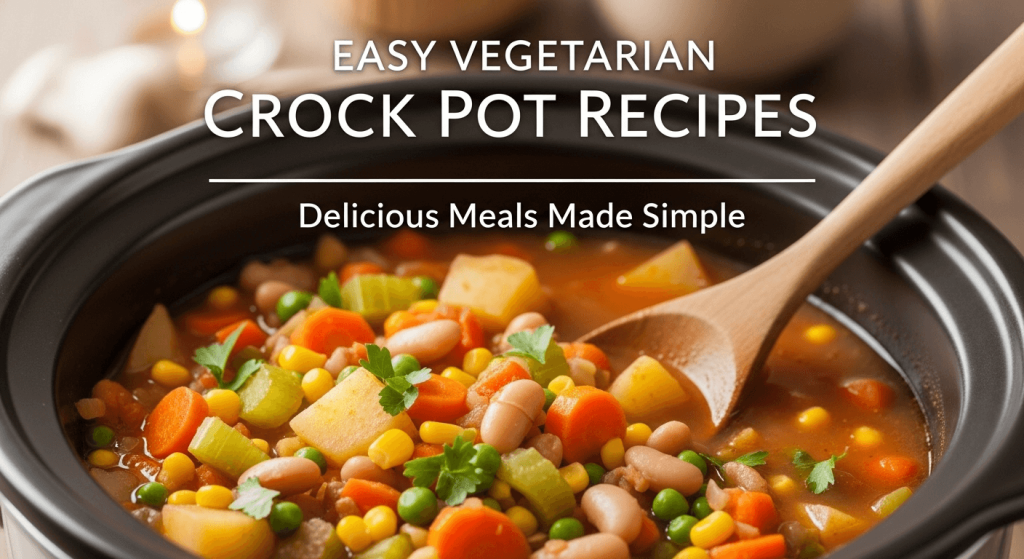
Are you looking for simple, tasty meals that save you time and effort? Easy vegetarian crock pot recipes are exactly what you need.
Imagine coming home to a warm, delicious dish that cooked itself while you were busy with your day. You don’t have to be a chef or spend hours in the kitchen to enjoy healthy, satisfying vegetarian meals. You’ll discover foolproof recipes that make your life easier and your taste buds happier.
Ready to transform your mealtime routine? Let’s dive in!
Benefits Of Crock Pot Cooking
Crock pot cooking offers more than just convenience—it transforms the way you prepare meals every day. Using a slow cooker for vegetarian dishes lets you save time, enhance flavors, and reduce energy use. These benefits make it easier to enjoy wholesome, tasty meals without stress or long hours in the kitchen.
Time-saving Advantages
One of the biggest perks of crock pot cooking is how it frees up your time. You can add your ingredients in the morning, set the temperature, and let the slow cooker do the work while you focus on other tasks.
This hands-off approach means no constant stirring or checking. Imagine coming home to a hot, ready-to-eat meal after a busy day—how much easier would that make your evenings?
Enhanced Flavor Development
Slow cooking allows flavors to deepen in ways that quick cooking often misses. The low and steady heat helps vegetables, spices, and herbs blend perfectly, bringing out rich, complex tastes.
Have you noticed how soups and stews taste better the next day? That’s the crock pot magic at work, intensifying flavors without extra effort.
Energy Efficiency
Crock pots use much less electricity than ovens or stovetops. They run on low wattage for several hours, which helps cut down on your energy bills.
If you want to reduce your kitchen’s energy use without giving up warm, comforting meals, slow cookers are a smart choice. Would you consider replacing some oven time with crock pot cooking to save energy?
Credit: themodernproper.com
Essential Crock Pot Tips For Vegetarians
Mastering the crock pot is a game changer for any vegetarian kitchen. It lets you prepare hearty, flavorful meals with minimal effort. But to get the best results, you need a few essential tips that work specifically for vegetarian ingredients.
Choosing The Right Ingredients
Vegetables and legumes behave differently in slow cooking compared to meat. Root vegetables like carrots, potatoes, and beets hold up well and develop deep flavors over long cooking times. Leafy greens and delicate vegetables, however, should be added later to avoid turning mushy.
Beans and lentils add protein and texture, but dried beans require pre-soaking or longer cooking to become tender. Canned beans are a convenient shortcut, added toward the end of cooking to prevent over-softening. Don’t forget to season your ingredients well; herbs and spices release flavor slowly, so add some at the start and adjust seasoning before serving.
Layering For Best Results
How you layer ingredients in your crock pot affects the texture and taste of your dish. Dense vegetables like potatoes and carrots should go at the bottom, closest to the heat source. Softer vegetables and beans belong on top.
Layering also influences moisture distribution. If your recipe includes tomatoes or other watery vegetables, placing them in the middle helps prevent burning at the bottom. Have you ever ended up with burnt veggies despite using a slow cooker? Layering might be the culprit.
Avoiding Common Mistakes
- Overfilling:Resist the urge to cram your crock pot. Leave space for steam circulation to cook evenly.
- Skipping pre-soak:Dried beans need soaking or longer cooking; otherwise, they stay hard and unpleasant.
- Adding dairy too early:Milk or cheese can curdle if cooked too long. Add them near the end.
- Ignoring texture differences:Not all vegetables require the same cooking time. Plan accordingly to avoid mush or crunch.
Have you ever tried a crock pot dish that came out bland or with odd textures? Identifying and correcting these mistakes will elevate your vegetarian slow cooker meals immediately.
Hearty Vegetarian Stews
Hearty vegetarian stews simmer slowly in a crock pot, blending rich flavors with fresh vegetables. These easy recipes offer warm, comforting meals perfect for any day. Simply prepare ingredients, set the slow cooker, and enjoy wholesome, tasty dishes with minimal effort.
Hearty Vegetarian Stews There’s something incredibly comforting about a warm, hearty stew simmering away in your crock pot. These vegetarian stews are not just filling, but they are also packed with nutrients and flavors that will make your taste buds dance. Imagine coming home to the inviting aroma of a stew that’s been slow-cooking all day. Cooking vegetarian meals doesn’t mean you have to sacrifice taste or satisfaction. These stews are proof that plant-based meals can be just as hearty and fulfilling as their meat-based counterparts. Ready to dive into some delicious recipes? Let’s get started!
Classic Lentil Stew
Lentils are a staple in many vegetarian kitchens, and for good reason. They are rich in protein and have a natural earthy flavor that pairs wonderfully with vegetables and spices. To make a classic lentil stew, you’ll need green or brown lentils, carrots, potatoes, and a mix of your favorite spices like cumin and coriander. Throw everything into your crock pot with vegetable broth, and let it cook until the lentils are tender. This stew is perfect for a cold winter night or whenever you need a nourishing meal. Serve it with crusty bread for the ultimate comfort food experience.
Vegetable And Bean Medley
A vegetable and bean medley is a great way to use up whatever veggies you have in your fridge. It’s versatile, easy to make, and incredibly nutritious. Use a mix of beans such as kidney, black, and cannellini beans. Add in vegetables like bell peppers, zucchini, and tomatoes for a burst of color and flavor. Season with garlic, thyme, and a splash of lemon juice before setting it to cook. In just a few hours, you’ll have a stew that’s bursting with freshness and flavor.
Spicy Chickpea Stew
For those who enjoy a kick of heat, a spicy chickpea stew will be your go-to recipe. Chickpeas are not only high in protein but also absorb flavors beautifully. Combine chickpeas with diced tomatoes, spinach, and spices like chili powder and paprika. If you like it extra spicy, add a pinch of cayenne pepper. Let it simmer in the crock pot, and by dinner time, you’ll have a stew that’s robust and spicy in all the right ways. Serve it over rice or with naan bread to soak up all the flavors. Do you have a favorite vegetarian stew recipe? Or is there a spice you love to add to your stews? Share your thoughts in the comments!
Comforting Soups
Comforting soups offer warmth and nourishment with little effort. They fill the home with inviting aromas and create a cozy atmosphere. Using a crock pot makes these soups even easier to prepare. Just add ingredients, set the timer, and let the slow cooker do the work. These easy vegetarian soups are perfect for any day of the week.
Creamy Tomato Basil Soup
This soup blends ripe tomatoes with fresh basil for a rich flavor. The slow cooking process deepens the taste without extra fuss. Use coconut milk or cream for a smooth texture. Serve with warm bread for a simple, satisfying meal.
Butternut Squash Soup
Sweet butternut squash turns silky soft in the crock pot. Add onions, garlic, and a pinch of nutmeg for warmth. Puree the soup to a creamy finish. This soup is filling and packed with vitamins, perfect for chilly days.
Minestrone Soup
A colorful mix of vegetables, beans, and pasta creates a hearty soup. The slow cooker blends the flavors beautifully. Use vegetable broth and add herbs like oregano and thyme. This soup offers a balanced meal in one bowl, full of textures and tastes.
Wholesome Main Dishes
Wholesome main dishes form the heart of any satisfying vegetarian meal. They keep you full, energized, and excited about what’s on your plate. Using your crock pot, you can create dishes that blend flavors beautifully while saving you time and effort.
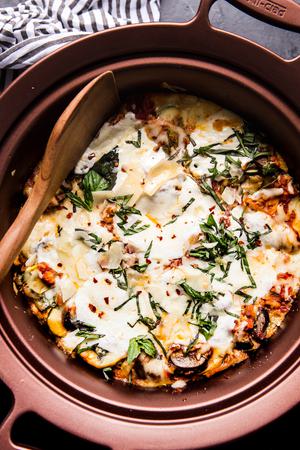
Quinoa And Vegetable Casserole
This casserole is a perfect blend of protein-rich quinoa and fresh vegetables, slow-cooked to tender perfection. You just add quinoa, your favorite chopped veggies, some broth, and seasonings into the crock pot and let it do the work. The result is a creamy, comforting dish that feels like a warm hug on a busy day.
Try mixing in mushrooms, zucchini, and bell peppers for a colorful and nutrient-packed meal. Don’t forget to stir in some cheese or a dairy-free alternative near the end for extra creaminess.
Slow Cooker Ratatouille
Ratatouille is a classic vegetable stew that gets even better with slow cooking. Layer eggplant, tomatoes, zucchini, onions, and bell peppers in the crock pot, and add herbs like thyme and basil for a fragrant finish. The slow cooker helps these ingredients meld into a rich, flavorful dish without any fuss.
This recipe is a great way to use up summer produce or bring cozy warmth in cooler months. Serve it over rice or with crusty bread to make it a full meal. Have you ever noticed how slow-cooked veggies develop a sweetness that’s hard to beat?
Stuffed Peppers
Stuffed peppers are a vibrant and versatile crock pot favorite. Fill bell peppers with a mixture of rice or quinoa, beans, corn, and spices, then let the crock pot work its magic. The peppers turn soft and juicy while the filling becomes perfectly cooked and flavorful.
Adding some cheese on top before serving can make this dish even more satisfying. You can customize the stuffing to fit your tastes or what’s available in your pantry. What’s your favorite twist on stuffed peppers?
Credit: www.turningclockback.com
Simple Side Dishes
Simple side dishes can transform your vegetarian crock pot meals from good to memorable. They complement main courses perfectly and often require minimal effort. You might be surprised how a few basic ingredients can create comforting, flavorful sides that everyone will enjoy.
Garlic Mashed Potatoes
Garlic mashed potatoes made in the crock pot are creamy and full of flavor without the usual mess. Simply add peeled potatoes, garlic cloves, a bit of vegetable broth, and let the slow cooker do the work. You’ll have smooth, buttery potatoes ready to pair with any vegetarian entrée.
Think about how much time you save not standing by the stove, stirring. Plus, slow cooking allows the garlic to mellow and blend deeply with the potatoes. Try adding fresh herbs like rosemary or chives for an extra layer of taste.
Slow-cooked Beans
Beans are a fantastic vegetarian side that benefits from slow cooking. Toss dried beans with onions, garlic, and your choice of spices into the crock pot. They absorb flavors beautifully and come out tender without the need for constant checking.
Have you ever tried slow-cooked beans with a hint of smoked paprika or cumin? It’s a simple trick that adds warmth and complexity. Serve them alongside rice or crusty bread to round out your meal.
Roasted Root Vegetables
Roasting root vegetables in a crock pot might sound unusual, but it works wonders for developing natural sweetness. Chop carrots, parsnips, sweet potatoes, and beets into chunks, season with olive oil, salt, and pepper, and let them cook slowly until tender.
This method softens the veggies while keeping their flavors vibrant. Imagine the aroma filling your kitchen as they cook slowly throughout the day. Would you try mixing different root vegetables to discover new flavor combos?
Easy Crock Pot Desserts
Easy Crock Pot desserts transform your slow cooker into a sweet haven without much effort. They require minimal ingredients and let you enjoy warm, comforting treats with little hands-on time. Imagine coming home to the smell of baked apples or rich chocolate—doesn’t that make your day better?
Warm Apple Crisp
Apple crisp in a crock pot is a game changer for busy days. Simply toss sliced apples with cinnamon, a bit of sugar, and a touch of lemon juice. Then, sprinkle a mix of oats, flour, brown sugar, and butter on top and let it cook on low.
The slow heat softens the apples perfectly while the topping turns golden and crisp. Serving it warm with a scoop of vanilla ice cream makes it even more irresistible. Have you tried adding a handful of chopped nuts for extra crunch?
Chocolate Lava Cake
Chocolate lava cake in the crock pot is surprisingly simple and always a hit. Mix together chocolate cake batter and add a layer of chocolate chips or fudge in the center. The slow cooker melts the chocolate to create that gooey, molten core.
This dessert is perfect for chocolate lovers who want a fuss-free treat. Plus, it stays warm and gooey for hours, so you can enjoy it whenever cravings hit. Why not experiment with adding a pinch of chili powder for a spicy twist?
Rice Pudding
Rice pudding in a crock pot is creamy and comforting with hardly any stirring required. Combine rice, milk, sugar, and a dash of vanilla extract, then let the slow cooker work its magic. The result is a smooth, rich pudding that feels like a warm hug.
Try topping it with cinnamon or fresh berries to brighten the flavor. It’s a great way to use pantry staples and create a dessert that feels homemade. Have you considered swapping regular milk for coconut milk to add an exotic touch?
Meal Prep And Storage Tips
Preparing vegetarian crock pot meals ahead saves time and effort during busy days. Planning your meal prep and storage helps keep food fresh and tasty. Organizing batch cooking and knowing how to store meals correctly makes your week easier. Use these simple tips to make your vegetarian crock pot dishes last longer and stay delicious.
Batch Cooking Strategies
Cook large portions of crock pot recipes at once. Use big slow cookers or cook multiple dishes simultaneously. Prepare a variety of meals to avoid boredom. Portion food into containers right after cooking. Label each container with the meal name and date. Keep a list of cooked meals for easy tracking. Batch cooking saves time and reduces daily cooking stress.
Storing And Reheating
Store cooked meals in airtight containers to keep them fresh. Refrigerate meals within two hours after cooking. Use shallow containers to cool food faster. Consume refrigerated meals within 3 to 4 days. Reheat meals thoroughly before eating. Use microwave or stovetop for best results. Stir food while reheating for even heat. Avoid reheating more than once to keep quality and safety.
Freezing Crock Pot Meals
Freeze meals in freezer-safe containers or heavy-duty bags. Leave space for food to expand during freezing. Label containers with contents and freezing date. Most vegetarian crock pot meals freeze well for up to 3 months. Thaw frozen meals overnight in the refrigerator. Reheat fully before serving. Avoid refreezing thawed meals to maintain quality and safety. Freezing helps extend meal life and reduces food waste.

Credit: vancouverwithlove.com
Frequently Asked Questions
What Are The Best Vegetarian Crock Pot Recipes?
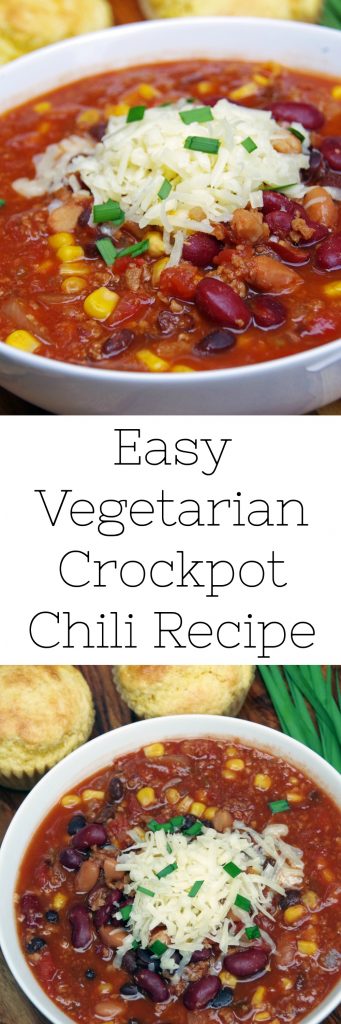
The best vegetarian crock pot recipes include chili, lentil stew, vegetable curry, and stuffed peppers. These meals are easy, nutritious, and perfect for slow cooking. They require minimal prep and yield delicious, hearty flavors ideal for busy lifestyles.
How Do I Make Crock Pot Vegetarian Meals Tasty?
Use fresh herbs, spices, and a variety of vegetables to enhance flavor. Adding beans, lentils, or tofu boosts protein. Layer ingredients properly and avoid overcooking to maintain texture. Slow cooking allows spices and veggies to meld perfectly for rich taste.
Can I Prepare Crock Pot Meals Ahead And Freeze?
Yes, you can prepare and freeze vegetarian crock pot meals. Assemble ingredients in freezer-safe containers and store them. Thaw in the fridge overnight before slow cooking. This method saves time and maintains flavor and nutrition for busy days.
What Vegetables Work Best In Slow Cooker Recipes?
Root vegetables like carrots, potatoes, and sweet potatoes are ideal. Bell peppers, zucchini, tomatoes, and mushrooms also cook well. Choose firm vegetables to avoid over-mashing. These veggies hold texture and absorb flavors during slow cooking.
Conclusion
Vegetarian crock pot meals save time and taste great. You can prepare healthy dishes with little effort. These recipes suit busy days and simple cooking. Try different vegetables and spices for new flavors. Enjoy warm, comforting meals without stress. Cooking this way makes eating well easy.
Give these recipes a chance and see the difference. Simple, tasty, and good for your body too. Keep your crock pot ready for quick, meat-free dinners.

Hi, I’m Daniel Brooks—a food lover and kitchen gear enthusiast. I enjoy testing cookware, utensils, and gadgets to see what really works in everyday cooking. At PlugChef.com, I share honest reviews, comparisons, and simple guides to help you choose the best tools for a safer, smarter, and more enjoyable kitchen.
Related posts:
 What Type of Cooking Utensils are Safe: Expert Picks
 What Innovations Could Blenders Make: Unleashing Future Tech
 Smart Strategies to Organize a Small Kitchen: Maximize Space
 How to Organize a Kitchen Cabinet: Expert Tips & Tricks
 How to Organize Kitchen Drawers: Expert Tips and Tricks
 How to Organize a Corner Kitchen Cupboard: Expert Tips

