
Looking for quick, tasty meals that don’t compromise your health? You’re in the right place.
Trader Joe’s offers a variety of healthy frozen meals that make eating well easy and convenient. Whether you’re juggling a busy schedule or just want a hassle-free dinner option, these meals can fit perfectly into your lifestyle. Keep reading to discover which Trader Joe’s frozen meals can fuel your body without sacrificing flavor or nutrition.
Your next healthy meal is just a freezer away.
Why Choose Healthy Frozen Meals
Choosing healthy frozen meals can change the way you approach your daily nutrition. They offer a balance between convenience and health, making it easier to stick to your dietary goals without sacrificing taste or time. Have you ever wondered if frozen meals can truly be both nutritious and satisfying?
Benefits Of Frozen Meals
Frozen meals help you avoid the trap of fast food on busy days. They are portion-controlled, which helps prevent overeating. Plus, freezing locks in freshness, preserving the nutrients better than some leftovers.
Trader Joe’s offers a variety of healthy options that cater to different tastes and dietary needs. These meals reduce food waste since you only heat what you plan to eat. Do you find yourself wasting fresh ingredients before you can use them?
Nutritional Considerations
Not all frozen meals are created equal. Look for options low in added sugars, sodium, and unhealthy fats. Trader Joe’s often lists detailed nutritional info, making it easier to pick meals aligned with your health goals.
Many of their frozen meals include whole grains, lean proteins, and plenty of vegetables. This combination supports sustained energy and helps keep you full longer. What nutritional qualities matter most to you when choosing a meal?
Convenience And Time-saving
Healthy frozen meals are a lifesaver when time is tight. You can have a balanced meal ready in minutes, freeing you up for other priorities. This convenience makes it easier to avoid skipping meals or grabbing unhealthy snacks.
Trader Joe’s meals are designed for quick preparation without compromising quality. Whether you’re at home or at work, these meals fit into your schedule seamlessly. How much time could you save daily by having nutritious meals ready to go?
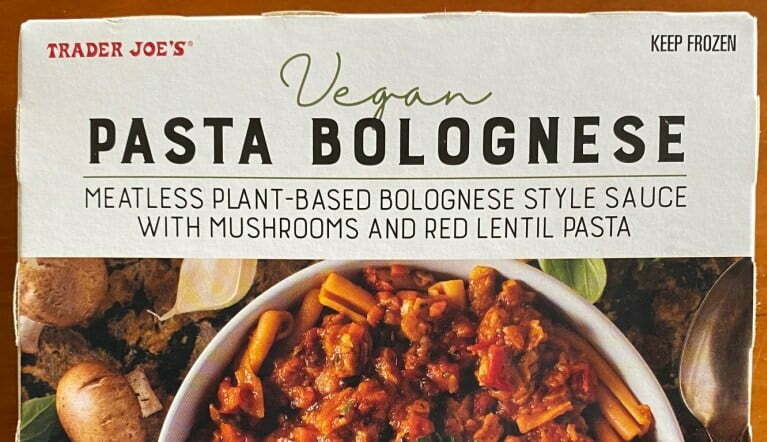
Credit: www.clubtraderjoes.com
Trader Joe’s Frozen Meal Selection
Trader Joe’s frozen meal selection offers more than just convenience—it brings a balance of taste, nutrition, and variety right to your freezer. Whether you’re rushing through a busy day or simply want a quick, wholesome meal, their range is designed to fit many lifestyles. Let’s take a closer look at what makes their frozen meals stand out.
Variety Of Options
The variety at Trader Joe’s is impressive. You’ll find meals inspired by different cuisines, from Italian pastas to Asian stir-fries and classic American comfort foods.
Vegetarian, vegan, and meat-based choices all line the shelves, making it easy to find something new and exciting every time you shop.
Have you ever tried mixing different meals to create your own customized dinner? Trader Joe’s selection encourages that kind of creativity.
Dietary Preferences Covered
Trader Joe’s understands that dietary needs vary widely. Their frozen meals cater to gluten-free, low-carb, and plant-based diets without sacrificing flavor.
For example, their Cauliflower Gnocchi is a popular gluten-free choice that many swear by for both texture and taste.
Are you following a specific diet? Chances are you’ll find a frozen meal here that fits your requirements and satisfies your cravings.
Ingredient Quality
One reason many shoppers trust Trader Joe’s is their focus on ingredient quality. Their frozen meals often use organic vegetables, responsibly sourced proteins, and fewer preservatives.
The ingredient list is usually straightforward, so you know exactly what goes into your meal.
Next time you pick up a frozen meal, take a moment to read the label—you might be surprised how much care goes into these quick fixes.
Top Nutritious Picks At Trader Joe’s
Trader Joe’s offers a variety of healthy frozen meals that save time and support good nutrition. These meals are packed with wholesome ingredients and balanced flavors. Perfect for quick, nutritious dinners without the hassle.
When you think of healthy eating, frozen meals might not be the first thing that comes to mind. However, Trader Joe’s is changing that perspective with their selection of nutritious frozen meals. From high-protein delights to plant-based wonders, they offer a variety of options that can fit seamlessly into your healthy lifestyle. Let’s dive into some of the top picks you can find on your next shopping trip.High-protein Choices
Protein is essential for maintaining muscle mass and staying full longer. Trader Joe’s offers several frozen meals packed with protein. – Grilled Chicken Breast Strips: Perfect for a quick salad or to pair with veggies. They’re lean and have minimal seasoning, letting you add your favorite flavors. – Shrimp Stir-Fry: A convenient option that combines shrimp with a medley of vegetables, providing both protein and fiber. These meals are not just convenient but also a great way to ensure you’re getting enough protein without the fuss of meal prep.Low-calorie Options
If you’re watching your calorie intake, you don’t have to sacrifice flavor or convenience. Trader Joe’s has options that help you stay on track. – Riced Cauliflower Stir Fry: At just 50 calories per serving, it’s a tasty and filling alternative to traditional rice. – Chicken Tikka Masala: A flavorful dish that keeps calories in check while satisfying your craving for something hearty. These meals show that you can enjoy delicious food without the extra calories. What’s your favorite low-calorie meal hack?Plant-based Meals
Whether you’re a full-time vegan or just exploring plant-based eating, Trader Joe’s has you covered with their selection of plant-based frozen meals. – Vegan Pad Thai: Made with tofu and vegetables, this dish is both satisfying and full of flavor. – Quinoa Cowboy Veggie Burgers: Packed with vegetables and black beans, these burgers are a great meatless alternative. You don’t have to compromise on taste or nutrition with these plant-based options. They make it easy to incorporate more vegetables into your meals. Trader Joe’s makes healthy eating accessible and enjoyable with their variety of frozen meals. Next time you shop, consider trying one of these nutritious picks and see how they fit into your meal plan.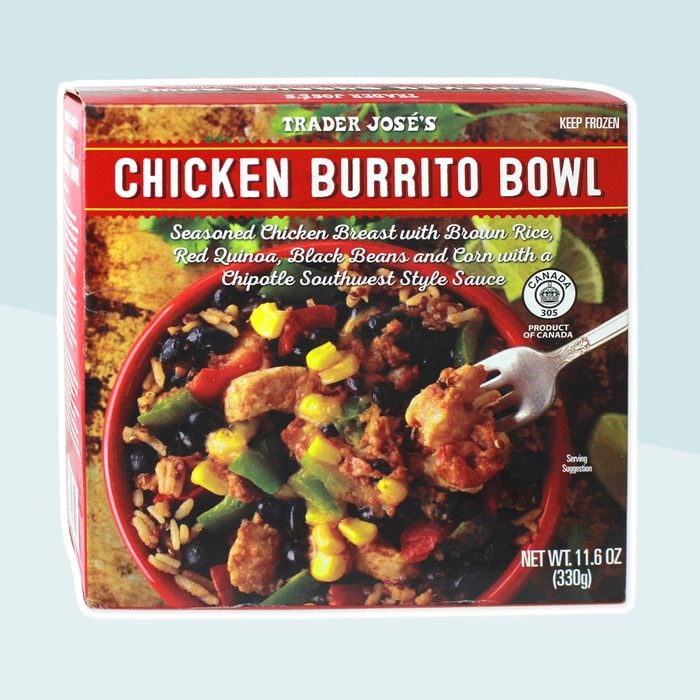
Credit: www.tasteofhome.com
Meal Reviews And Taste
Trying healthy frozen meals from Trader Joe’s can be a game-changer for your busy schedule. But how do they really taste? Reading through meal reviews helps you understand whether these options meet your expectations for flavor and quality. Let’s dive into the taste experience, texture, and which meals consistently win customer approval.
Flavor Profiles
Trader Joe’s healthy frozen meals offer a variety of flavors, from spicy to savory to mildly seasoned. Some dishes, like the Chicken Tikka Masala, bring a bold and authentic taste that doesn’t feel watered down. Others, such as the Vegetable Pad Thai, balance sweetness and tang without overpowering your palate.
Have you noticed that some frozen meals tend to be bland? Trader Joe’s often avoids this by using fresh herbs and spices that stand out even after freezing. This attention to flavor lets you enjoy a satisfying meal without adding extra salt or sauces.
Texture And Freshness
Texture is often a challenge with frozen meals, but Trader Joe’s tends to do well here. The vegetables usually keep a nice crunch, and proteins like chicken or tofu don’t turn rubbery. This freshness in texture makes the eating experience much more enjoyable.
Frozen meals can sometimes feel dry or mushy, but many Trader Joe’s selections maintain moisture without becoming soggy. Have you tried reheating meals in a skillet instead of a microwave? That trick can help preserve the texture even better.
Customer Favorites
- Cauliflower Gnocchi:Loved for its versatility and surprisingly good texture, this dish often tops the list.
- Chicken Tikka Masala:Praised for its rich flavor and just-right spice level.
- Vegetable Fried Rice:A quick, tasty option that feels fresh and filling.
- Thai Green Curry:Customers appreciate the balance of creamy coconut milk and fresh veggies.
Which of these would you try first? Or is there a hidden gem you’ve discovered that deserves more attention? Sharing your favorites could help others find their new go-to meal.
Tips For Selecting Healthy Frozen Meals
Choosing healthy frozen meals at Trader Joe’s can make your busy days easier without sacrificing nutrition. But how do you pick the best options among the many choices? Paying attention to a few key details can help you find meals that fuel your body and satisfy your taste buds.
Reading Nutrition Labels
Nutrition labels are your best guide for understanding what’s inside each frozen meal. Look beyond the calories—check the serving size, protein, fiber, and sodium content.
For example, a meal with high protein and fiber but moderate calories can keep you full longer. On the other hand, watch out for meals with excessive sodium; many frozen options pack over 800mg per serving, which can add up quickly throughout the day.
Balancing Macros
Your body needs a good balance of protein, carbs, and fats to stay energized. When selecting frozen meals, aim for a mix that fits your personal goals—whether that’s muscle building, weight management, or simply feeling satisfied.
Trader Joe’s offers meals with lean proteins like chicken or tofu paired with whole grains and veggies. Ask yourself, does this meal provide enough protein to keep you full? Is there a healthy source of fat, like olive oil or nuts, included?
Avoiding Additives
Ingredients lists tell a story about a meal’s quality. If you see unpronounceable words or too many preservatives, it’s a red flag. Frozen meals with artificial flavors, colors, or excessive additives might taste good but can harm your health over time.
Choose meals with simple, recognizable ingredients. Think about whether you could find those items in your own kitchen. This small check can save you from hidden sugars and unhealthy chemicals.
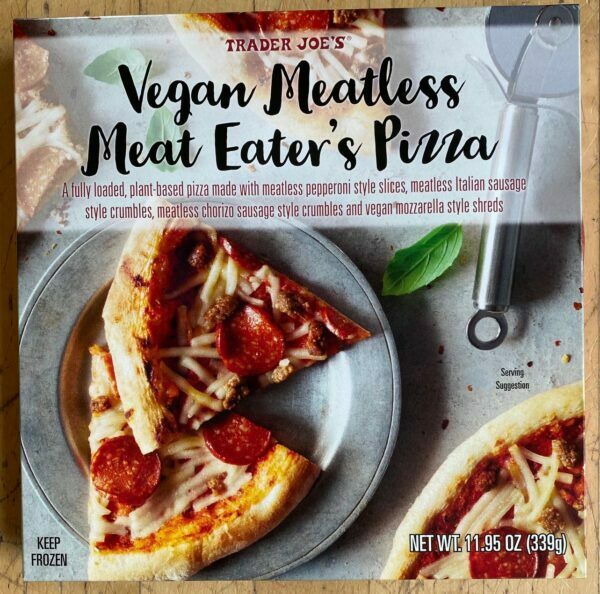
Credit: www.clubtraderjoes.com
Storing And Preparing Frozen Meals
Storing and preparing frozen meals correctly helps keep them tasty and healthy. Proper handling preserves flavor and nutrients. It also ensures safety and convenience. Follow simple steps to enjoy Trader Joe’s healthy frozen meals at their best.
Proper Storage Techniques
Keep frozen meals in the coldest part of the freezer. Avoid placing them near the door. This prevents temperature changes that affect quality. Store meals in their original packaging or airtight containers. Label packages with the purchase date. Use meals within the recommended time for freshness.
Heating Instructions
Read the package instructions carefully before heating. Use a microwave-safe dish if reheating in the microwave. Stir food halfway through heating for even warmth. For oven heating, preheat the oven first. Cover meals with foil to keep moisture in. Check that the food is hot all the way through before eating.
Maintaining Nutritional Value
Do not overcook frozen meals to keep nutrients intact. Avoid thawing and refreezing as it reduces quality. Use minimal water when heating to prevent nutrient loss. Serve meals immediately after heating for best taste. Combine meals with fresh vegetables or salads for extra nutrition.
Frequently Asked Questions
What Are The Healthiest Frozen Meals At Trader Joe’s?
Trader Joe’s offers healthy frozen meals like Cauliflower Gnocchi, Vegetable Fried Rice, and Chicken Tikka Masala. These options have balanced nutrients, low calories, and contain natural ingredients. They are perfect for quick, nutritious meals without added preservatives or artificial flavors.
How To Choose Healthy Frozen Meals At Trader Joe’s?
Look for meals with whole ingredients, low sodium, and balanced macros. Avoid options with excess preservatives or artificial additives. Check nutrition labels for fiber, protein, and calorie content. Trader Joe’s offers many meals that meet these criteria, making healthy eating simple and convenient.
Are Trader Joe’s Frozen Meals Good For Weight Loss?
Yes, many Trader Joe’s frozen meals are portion-controlled and low in calories. Choose options rich in protein and fiber to stay full longer. This helps with weight management while enjoying tasty meals that require minimal prep time.
Can I Find Vegetarian Healthy Frozen Meals At Trader Joe’s?
Trader Joe’s has a variety of vegetarian frozen meals like Vegetable Biryani, Vegan Pad Thai, and Lentil Soup. These meals are nutrient-dense and made with wholesome ingredients. They are ideal for vegetarians seeking convenient and healthy meal options.
Conclusion
Trader Joe’s offers many healthy frozen meal options. These meals save time and help you eat well. They include fresh ingredients and balanced nutrients. Choosing these meals supports a busy lifestyle and good health. Try different dishes to find your favorites.
Eating healthy does not have to be hard or boring. Keep frozen meals handy for quick, tasty food. Enjoy simple meals that nourish your body every day.

Hi, I’m Daniel Brooks—a food lover and kitchen gear enthusiast. I enjoy testing cookware, utensils, and gadgets to see what really works in everyday cooking. At PlugChef.com, I share honest reviews, comparisons, and simple guides to help you choose the best tools for a safer, smarter, and more enjoyable kitchen.
Related posts:
 What Type of Cooking Utensils are Safe: Expert Picks
 What Innovations Could Blenders Make: Unleashing Future Tech
 Smart Strategies to Organize a Small Kitchen: Maximize Space
 How to Organize a Kitchen Cabinet: Expert Tips & Tricks
 How to Organize Kitchen Drawers: Expert Tips and Tricks
 How to Organize a Corner Kitchen Cupboard: Expert Tips

