Cooking Utensils Names: Discover Personalized Tools for Unique Culinary Experiences
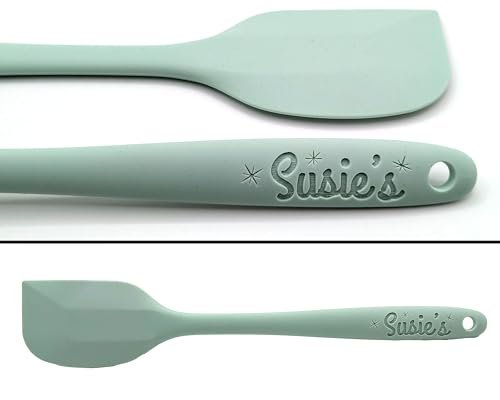
Personalized cooking utensils have moved beyond novelty items to become practical kitchen staples that reflect individual style while meeting functional needs. In 2026, home cooks increasingly seek tools that combine heat‑safe materials, ergonomic design, and custom engraving or monogramming. This guide explores the materials, types, selection criteria, care practices, and gifting ideas that make personalized utensils a worthwhile investment, while also highlighting current trends and reliable sources for further reading.
Why Personalized Cooking Utensils Matter
A personalized utensil is more than a marked spoon; it signals ownership, reduces mix‑ups in shared kitchens, and can elevate the cooking experience through thoughtful design. For example, a silicone spatula with a name embossed on the handle helps prevent cross‑contamination when multiple people prepare meals, and a wooden spoon engraved with a meaningful date becomes a conversation piece during family gatherings. Beyond sentiment, personalization often coincides with higher‑quality materials—manufacturers that offer engraving typically use food‑grade silicone, sustainably sourced wood, or polished stainless steel to ensure the customization does not compromise durability. If you’re looking for a way to keep your kitchen tools organized and expressive, consider how a simple custom touch can streamline meal prep and make everyday tasks feel more personal.
Having the right safety gear on hand is just as important as having the right utensils; a well‑stocked marine first aid kit contents list ensures you’re prepared for unexpected mishaps while cooking outdoors.
Popular Materials for Personalized Utensils
Silicone
Food‑grade silicone remains the top choice for utensils that encounter high heat and non‑stick surfaces. It tolerates temperatures up to 450 °F (≈232 °C), resists staining, and is inherently non‑stick, which protects delicate cookware. Personalization is usually achieved by laser‑etching or embossing the handle, leaving the silicone head unaffected. In practice, silicone utensils with personalized handles retain their flexibility after years of use, making them ideal for stirring sauces, scraping bowls, and flipping pancakes.
Wood
Hardwoods such as bamboo, maple, and walnut provide a classic aesthetic and a natural feel that many cooks prefer for gentle mixing and scooping. Personalized wooden spoons or spatulas are typically laser‑engraved, producing a permanent mark that does not wear off with hand washing. Wood requires a bit more care—avoid prolonged soaking and occasional oiling—to prevent cracking, but its biodegradable nature appeals to eco‑conscious consumers. A personalized wooden spoon also develops a unique patina over time, adding character to each piece.
Stainless Steel
For tools that need extra strength—such as tongs, ladles, or whisk handles—stainless steel offers corrosion resistance, dishwasher safety, and a sleek finish. Personalization on stainless steel is usually done via laser engraving on flat surfaces like the handle or the back of a spoon bowl. While steel conducts heat more readily than silicone or wood, many manufacturers add heat‑resistant coatings or silicone grips to keep handles comfortable. The result is a durable, professional‑looking tool that can be customized without sacrificing performance.
Top Personalized Utensil Types to Consider
| Utensil Type | Common Personalization Options | Typical Use | Material Benefits |
|---|---|---|---|
| Silicone spatula | Name embossed, date, short phrase | Stirring, scraping, folding | Heat‑resistant, non‑stick, flexible |
| Wooden spoon | Monogram, laser‑etched quote | Mixing batters, scraping pans | Natural feel, aesthetic, biodegradable |
| Stainless steel tongs | Engraved initials, date | Grilling, serving, flipping | Sturdy, dishwasher safe, rust‑free |
| Silicone spoon set | Set‑wide message, individual names | Serving, tasting, portioning | Uniform look, easy storage |
| BBQ tool set | Custom engraved handles | Grilling, flipping meat, handling veggies | Heat‑tolerant, robust, gift‑ready |
When preparing food for a crowd, it’s wise to have a first aid kit refill supplies nearby in case of minor cuts or burns.
How to Choose the Right Personalized Utensil
- Identify the primary cooking task – High‑heat sautéing calls for silicone or steel; gentle mixing benefits from wood.
- Check temperature limits – Verify that the material’s max temperature exceeds your typical stovetop or oven heat (most silicone is safe to 450 °F).
- Assess handle comfort – Look for ergonomic shapes or added grips, especially if you’ll use the tool for extended periods.
- Review personalization method – Laser engraving offers fine detail and longevity; embossing works well on softer silicone handles.
- Consider maintenance – Wood requires hand‑washing and occasional oiling; silicone and steel are usually dishwasher safe.
- Match the occasion – For gifts, think about the recipient’s kitchen style (modern stainless, rustic wood, colorful silicone).
A practical tip: order a single utensil first to test the engraving quality and feel before committing to a full set.
Caring for Personalized Utensils
Proper care extends the life of both the tool and its custom mark.
- Silicone: Wash with warm soapy water or place on the top rack of the dishwasher. Avoid abrasive scrubbers that could scratch the surface.
- Wood: Hand wash promptly, dry immediately, and apply a food‑safe mineral oil every few weeks to prevent drying and cracking.
- Stainless steel: Dishwasher safe; for stubborn residue, soak briefly then use a non‑abrasive pad. Dry promptly to prevent water spots.
- Engraved areas: Gentle cleaning preserves the laser‑etched detail; avoid harsh chemicals that could fade the mark over time.
Regular inspection for wear—such as cracks in wood or loss of silicone flexibility—helps you replace items before they affect food safety.
Gift Ideas and Occasions
Personalized utensils shine as presents because they blend utility with a personal touch.
- Weddings: A set of engraved wooden spoons or a silicone spatula pair with the couple’s initials makes a memorable kitchen‑themed gift.
- Housewarmings: A monogrammed silicone utensil set in the homeowner’s preferred color adds both style and function to a new kitchen.
- Birthdays: A custom BBQ tool set with the recipient’s name engraved on each handle is ideal for grill enthusiasts.
- Professional milestones: Chef‑quality stainless steel tongs laser‑etched with a graduation date or certification number serve as a lasting recognition.
- Holidays: A wooden mixing spoon engraved with a festive phrase or family name becomes a cherished heirloom piece.
When selecting a gift, consider the recipient’s cooking habits and kitchen décor to ensure the utensil will be used and appreciated.
Emerging Trends in 2026
- Eco‑focused materials: Brands are offering personalized utensils made from recycled ocean‑plastic silicone or FSC‑certified bamboo, appealing to sustainability‑driven shoppers.
- Smart engraving: Some manufacturers now embed QR codes within the laser‑etched mark that link to recipe collections or care videos when scanned with a smartphone.
- Modular sets: Interchangeable heads (silicone, wood, steel) on a single personalized handle allow users to swap tools based on the task while keeping a consistent custom look.
- Color‑matching palettes: Beyond traditional mint green or khaki, personalized silicone utensils are available in muted earth tones and bold matte finishes that coordinate with modern kitchen appliances.
- Hybrid handles: Combining a stainless‑steel core with a silicone over‑mold provides strength and a comfortable grip, with personalization applied to the silicone layer for added durability.
These trends reflect a broader shift toward kitchen tools that are not only personalized but also environmentally responsible and technologically integrated.
Frequently Asked Questions
Are personalized silicone utensils safe for non‑stick cookware?
Yes. Food‑grade silicone is soft enough not to scratch coated surfaces while tolerating high heat, making it ideal for stirring and flipping in non‑stick pans.
How long does the engraving last on wooden spoons?
Laser‑etched marks on hardwood remain legible for the life of the spoon, provided the wood is not excessively soaked or exposed to abrasive cleaners.
Can I put personalized stainless‑steel utensils in the dishwasher?
Most are dishwasher safe; however, to preserve the engraving’s contrast, place them on the upper rack and use a mild detergent.
What is the typical lead time for custom engraving?
Standard personalization adds 2–5 business days to processing, though expedited options may be available for an additional fee.
Do personalized utensils make good corporate gifts?
Absolutely. Engraved utensils with a company logo or event date provide a useful, lasting reminder of the occasion while promoting brand visibility in a practical format.
Conclusion
Personalized cooking utensils deliver a blend of functionality, safety, and individual expression that standard tools often lack. By selecting the right material—silicone for heat flexibility, wood for classic charm, or steel for robust performance—you gain a tool that stands up to daily use while bearing a mark that makes it uniquely yours. Proper care ensures the personalization endures, and thoughtful gifting turns everyday items into cherished keepsakes. As 2026 brings more sustainable materials and innovative engraving techniques, the opportunity to create a truly personalized kitchen continues to grow. Equip yourself with tools that not only perform well but also tell your story, and enjoy the confidence that comes from cooking with utensils that are as unique as your culinary creations.
Additional Resources for Utensil Care and Maintenance
For those seeking deeper knowledge on food safety standards that apply to all kitchen tools, the FDA's guidelines on food contact materials provide authoritative information on what materials are approved for use with food. Understanding these regulations helps you make informed decisions when selecting personalized utensils, ensuring that the materials used comply with national safety standards.
When maintaining wooden utensils, many home cooks overlook the importance of seasonal conditioning. A common mistake is assuming that hand washing alone preserves wood quality, when in fact, untreated hardwood can dry out, crack, or harbor bacteria in microscopic fissures. Applying food‑safe mineral oil once every 4–6 weeks during heavy use—and at least twice yearly during lighter use—keeps the grain sealed and extends the utensil's usable life. For a comprehensive look at routine kitchen upkeep that parallels tool maintenance, explore our guide on keeping things running smoothly through consistent care practices.

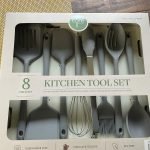
Customized silicone tools are popular for their heat tolerance and ease of cleaning.
Image source: Amazon
Selecting Utensils for Specific Cooking Styles
Different culinary traditions and cooking methods benefit from specialized tools, and personalization can be tailored to match your particular style.
Sous Vide and Low‑and‑Slow Cooking
If you frequently cook at low temperatures over extended periods, a silicone‑tipped spoon with a slender profile allows precise stirring without disturbing the vacuum‑sealed environment. Personalized versions are ideal for sharing equipment among home cooks who collaborate on slow‑cooked dishes.
Pastry and Baking
Wooden spoons with a slightly narrower bowl work well for folding egg whites into batters, preserving air pockets that ensure a light texture. A monogrammed spoon for baking becomes a ritual piece—bakers often keep a designated "signature" spoon for their most treasured recipes.
Grilling and Outdoor Cooking
Personalized BBQ tools should prioritize heat resistance and non‑stick properties. Look for sets where each tool can be engraved individually, so you can label tongs for vegetables, spatulas for meats, and forks for seafood. This labeling not only prevents cross‑contamination but also streamlines the grilling workflow when entertaining guests.
Building a Personalized Utensil Collection
Start with one or two core pieces—a silicone spatula and a wooden spoon—and add to your collection as your cooking skills and preferences evolve. Keep the following principles in mind:
- Balance materials: Having both silicone and wood covers most cooking tasks without redundancy.
- Limit color palettes: Choose 1–2 complementary colors for engraved handles to maintain visual cohesion.
- Prioritize versatility: A single well‑chosen spatula can replace three specialized tools in many scenarios.
- Consider storage: Personalized utensils often inspire a decorative display; plan for a utensil holder or wall‑mounted rail that showcases your collection.
For readers interested in organizing other aspects of their kitchen, our guide on maintaining the correct fluid level of supplies offers analogous principles for keeping any workspace functional and clutter‑free.
When to Replace Personalized Utensils
Even high‑quality personalized utensils eventually need replacing. Watch for these signs:
- Silicone heads showing tears, discoloration, or permanent odor retention after thorough cleaning.
- Wooden handles that have become loose, splintered, or cracked near the joint.
- Stainless steel parts that develop persistent scratches or corrosion spots despite regular care.
- Engraving that fades beyond readability, reducing the personal connection the tool provides.
Replace items promptly rather than waiting for failure—worn utensils can compromise food safety and damage cookware surfaces.
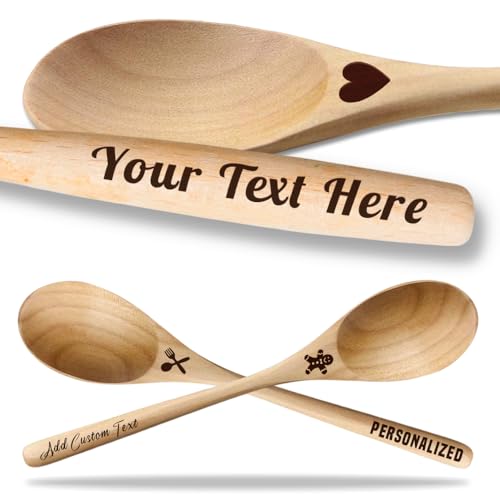
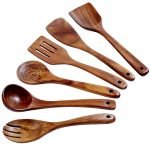
A laser‑etched message adds sentiment and makes wooden spoons memorable gift items.
Image source: Amazon
Final Thoughts on Personalized Cooking Utensils
Personalized utensils represent a thoughtful intersection of function and identity. They transform routine kitchen tasks into expressions of individuality, whether through a subtle monogram or a bold engraved phrase. As you expand your collection, remember that the best utensil is the one you actually use—choose pieces that align with your cooking habits, respect your maintenance capacity, and bring genuine joy to your culinary routine.
For further reading on kitchen safety and preparedness, consider exploring our articles on routine upkeep and essential emergency supplies that complement a well‑equipped cooking space. A fully prepared kitchen is one where both tools and safety measures are maintained to the highest standard.

Hi, I’m Daniel Brooks—a food lover and kitchen gear enthusiast. I enjoy testing cookware, utensils, and gadgets to see what really works in everyday cooking. At PlugChef.com, I share honest reviews, comparisons, and simple guides to help you choose the best tools for a safer, smarter, and more enjoyable kitchen.
Similar Posts