
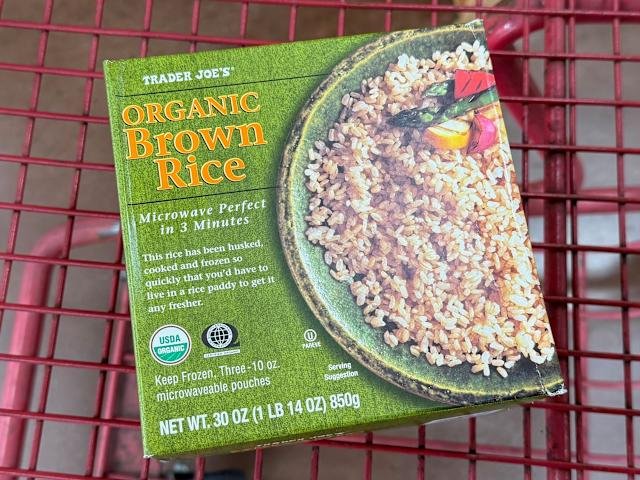
If you’ve ever stared at a 40-minute cook time for dry brown rice and opted for takeout or a less nutritious side instead, Trader Joe’s frozen brown rice is the game-changing staple you’ve been missing. Pre-cooked, flash-frozen, and ready to heat in minutes, it delivers the nutty flavor and whole-grain nutrition of freshly cooked brown rice without the hassle of measuring, simmering, or cleaning up a stovetop mess. Unlike many frozen grain products loaded with added sodium and preservatives, Trader Joe’s plain version contains only one ingredient: 100% whole-grain brown rice, making it a clean-label option for every diet. We break down its health benefits, best use cases, common cooking mistakes, and honest trade-offs to help you decide if it deserves a spot in your freezer.
Why Brown Rice Earns Its "Healthy" Reputation
Brown rice’s status as a nutritional powerhouse comes from its intact grain structure: unlike white rice, which has its fiber-rich bran and nutrient-dense germ layers removed during processing, brown rice retains all three parts of the kernel for a far more robust nutrient profile.
Nutritional Value Aligned With Whole-Grain Guidelines
A standard 1-cup serving of cooked Trader Joe’s frozen brown rice matches the nutritional baseline of freshly cooked brown rice per USDA data, providing ~3.5g of dietary fiber, ~5g of plant-based protein, and key micronutrients including manganese (critical for bone health and metabolism), magnesium, phosphorus, and B vitamins like thiamine and niacin. As outlined in whole grains like brown rice provide sustained energy and support long-term heart health, making them a better staple choice than refined white rice for most diets. The product contains no added salt, preservatives, or artificial flavors, making it suitable for low-sodium, gluten-free, vegan, vegetarian, and low-FODMAP diets (in standard serving sizes).
Blood Sugar Benefits For Sustained Energy
Brown rice has a glycemic index (GI) of 50–55, significantly lower than white rice’s GI of 70–75, meaning it releases glucose into the bloodstream more slowly to avoid the energy crashes and hunger spikes common after refined grain meals. This makes it an especially smart choice for people managing diabetes, prediabetes, or insulin resistance, as well as anyone looking to maintain steady energy through long workdays or school days. Small swaps like replacing white rice with brown rice in regular meals have been shown to improve long-term blood sugar control without drastic dietary changes, per clinical guidance from the American Diabetes Association.
Digestive Support From Whole-Grain Fiber
The ~3.5g of fiber per serving in Trader Joe’s frozen brown rice includes both soluble and insoluble fiber, which work together to support healthy digestion. Soluble fiber feeds the beneficial bacteria in your gut microbiome, improving overall gut health and immune function, while insoluble fiber adds bulk to stool to promote regularity and prevent constipation. For people who struggle to hit the recommended 25–30g of daily fiber intake, adding a serving of brown rice to lunch or dinner is an easy, low-effort way to close the gap.
Unpacking The Convenience Of Trader Joe’s Frozen Brown Rice
For anyone who’s ever burned rice, undercooked it, or forgotten to start a pot before a busy evening, Trader Joe’s frozen version eliminates nearly every pain point of cooking brown rice from scratch.
No-Thaw, 3-Minute Prep For Busy Weeknights
Unlike dry brown rice, which requires 40–45 minutes of simmering and a 10-minute rest period to achieve the right texture, Trader Joe’s frozen brown rice requires no thawing and is ready to eat in minutes. For microwave prep, simply pierce the bag’s built-in vent (or transfer the rice to a microwave-safe bowl) and heat on high for 3–4 minutes, stirring halfway through to eliminate cold spots. For stovetop use, empty the rice into a small pan with 1–2 teaspoons of water, cover, and heat over medium for 5–7 minutes, fluffing with a fork before serving. This speed makes it a go-to for last-minute weeknight dinners, packed lunch bowls, or quick meal prep sessions when you have limited time to cook.
Extended Shelf Life That Cuts Down On Food Waste
Unopened packs stay fresh in your freezer for 12–18 months, far longer than cooked rice stored in the fridge, which only lasts 3–4 days before spoiling. This makes it ideal for people who don’t cook rice regularly but want a healthy, versatile staple on hand for impromptu meals, without worrying about waste. Once opened, transfer any unused rice to airtight freezer containers designed for produce to preserve texture and prevent freezer burn for up to 2 months. According to U.S. EPA guidance on reducing household food waste, frozen pre-portioned staples like pre-cooked rice help minimize spoilage from over-purchasing or over-cooking grains, a common source of avoidable food waste in most households.
Pre-Portioned Packs For Effortless Serving Sizing
Each 16-ounce pack contains roughly 2.5 servings of cooked rice, eliminating the guesswork of portioning dry rice or measuring cooked portions for meal prep. This is especially useful for people tracking macros, following portion-controlled diets, or feeding small families without cooking excess grain that goes to waste. The individual packs also make it easy to grab a single serving for a quick lunch without defrosting a full batch of rice.
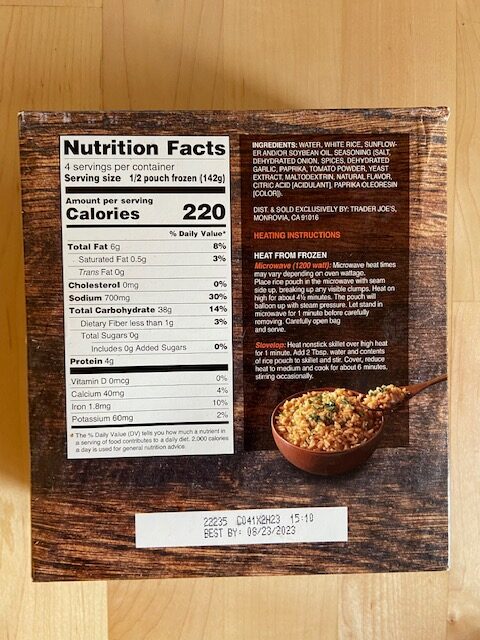 Unopened packs of Trader Joe's frozen brown rice are shelf-stable until frozen, with a 12–18 month unopened shelf life.
Credit: www.clubtraderjoes.com
Unopened packs of Trader Joe's frozen brown rice are shelf-stable until frozen, with a 12–18 month unopened shelf life.
Credit: www.clubtraderjoes.com
Taste And Texture: Does It Rival Freshly Cooked Rice?
A common misconception about frozen pre-cooked rice is that it’s always mushy or bland, but Trader Joe’s version uses a flash-freezing process that preserves individual grain structure when heated correctly, delivering a texture and flavor that holds its own against freshly cooked brown rice for most use cases.
Flavor Profile: Neutral, Nutty, And Unseasoned
Trader Joe’s frozen brown rice has a mild, earthy nuttiness that mirrors the flavor of freshly cooked brown rice, with no off-putting frozen aftertaste common in lower-quality frozen grain products. It is completely unseasoned, making it a blank canvas for any cuisine: toss it with soy sauce and sesame oil for fried rice, mix it into a spicy curry, or serve it as a simple side seasoned with just a pinch of salt and pepper. This neutrality is a major advantage over pre-flavored frozen rice products, which often contain excess sodium and artificial seasonings.
Side-By-Side Comparison To Freshly Cooked Brown Rice
In blind taste tests, most home cooks can’t tell the difference between properly heated Trader Joe’s frozen rice and freshly cooked brown rice, though the frozen version has a slightly less pronounced aromatic nuttiness. The texture is consistently chewy, not gummy or mushy, when heated following package instructions, making it a reliable substitute for last-minute meals where you don’t have time to cook dry rice from scratch. The only minor downside is that frozen rice can sometimes dry out slightly if overheated, a problem that is easily fixed by adding a teaspoon of water during reheating.
Endless Recipe Pairings
Use it as a base for grain bowls topped with roasted vegetables and oven-breaded wings for a protein-packed dinner, mix it into soups or stews for extra bulk, or toss it with scrambled eggs and soy sauce for a 10-minute fried rice side. It also works well as a filling for stuffed peppers, a base for vegetarian burrito bowls, or a side for a seasoned sweet potato side for a balanced, nutrient-dense meal. Its neutral flavor means it pairs equally well with Asian-inspired sauces, Mexican spices, and Mediterranean herb blends.
 Properly heated frozen brown rice has a fluffy, chewy texture nearly identical to freshly cooked rice.
Credit: www.amazon.com
Properly heated frozen brown rice has a fluffy, chewy texture nearly identical to freshly cooked rice.
Credit: www.amazon.com
Cooking Tips And Common Mistakes To Avoid
Small prep tweaks make the difference between fluffy, perfectly heated rice and gummy, unevenly cooked grains. Follow these best practices and avoid these common pitfalls for consistent results every time:
Best Practices For Perfectly Heated Rice
- Always stir the rice halfway through microwaving to eliminate cold pockets, as microwave energy distributes unevenly in frozen packages.
- If reheating on the stovetop, add 1–2 teaspoons of water per serving to restore moisture lost during freezing.
- Fluff with a fork immediately after heating to separate grains and prevent clumping.
- For extra fluffy texture, cover the microwave bowl or pan while heating to steam the rice gently.
- When prepping fresh vegetables to pair with the rice, always use a sanitized cutting board surface to avoid cross-contamination, especially if serving to vulnerable groups like children or immunocompromised people. For proper post-use cleaning, follow cutting board sanitation guidelines to avoid bacterial cross-contamination.
Mistakes That Lead To Mushy Or Uneven Results
- Overheating: Stick to the recommended 3–4 minute microwave window; longer heating times will dry out the rice or make it gummy.
- Skipping the stir: Halfway stirring is non-negotiable for even heating.
- Storing unopened packs in the main freezer compartment door: Fluctuating temperatures from frequent door opening can cause freezer burn, so store packs on a dedicated freezer rack in the back of the freezer where temperature stays consistent.
- Using high heat on the stovetop: Medium heat is sufficient to warm the rice through without burning the edges. Use a sharp herb prep tool to chop fresh toppings like scallions or cilantro to add to your heated rice for extra flavor.
Sustainability And Packaging Considerations
Trader Joe’s has made public commitments to reducing single-use plastic in its packaging, and its frozen brown rice packs reflect early steps in that initiative.
Trader Joe’s Packaging Design And Recyclability
Trader Joe’s frozen brown rice comes in a lightweight cardboard outer box with a thin plastic inner liner, designed to reduce shipping emissions compared to fully plastic frozen food containers. The cardboard is curbside recyclable in most municipal areas, but the plastic inner liner is not accepted in many standard recycling programs, as it is too thin to be processed efficiently. Some specialty recycling facilities do accept this material, so check local guidelines before disposal. As of 2026, Trader Joe’s has piloted reduced-plastic packaging for some frozen grain products in select regions, so packaging may vary slightly by location.
Reducing Food Waste With Frozen Staples
Because frozen brown rice has a long shelf life and is pre-portioned, it eliminates the common problem of cooking too much dry rice that goes bad before you can use it. For home cooks who regularly throw away leftover cooked grains, this frozen option can drastically cut down on household food waste. When reheating, only portion out the amount you plan to eat to avoid leftover rice that may go to waste.
Who Is This Product Best For (And Who May Want To Skip It)
Trader Joe’s frozen brown rice is not a one-size-fits-all staple, but it is an ideal pick for:
- Busy professionals, students, and parents who need quick, healthy meal components with minimal prep time
- New home cooks who struggle to get dry brown rice right (avoiding undercooked, crunchy grains or mushy, overcooked results)
- People tracking macros, following gluten-free, vegan, or whole30 diets, who need a reliable, unprocessed whole-grain staple
- Households looking to reduce food waste without sacrificing nutrition
- Anyone with limited kitchen space who can’t store large bags of dry grains
It may not be the best choice for:
- Budget-focused shoppers: A 16-ounce pack costs $2.99–$3.49, roughly 2x the cost of dry brown rice per serving
- People who prefer strongly flavored rice: This version is completely unseasoned, so you will need to add spices, sauces, or mix-ins to build flavor
- Cooks who prioritize zero-waste lifestyles: The plastic inner liner is not recyclable in most areas, though it can be reused for small storage needs if handled carefully.
Where To Buy And Current Pricing (2026)
Trader Joe’s frozen brown rice is exclusive to Trader Joe’s stores, as the brand does not offer national online shipping for frozen goods. You’ll find it in the frozen grain or frozen vegetable aisle of all U.S. Trader Joe’s locations, with consistent stock year-round. For shoppers who can’t visit a store in person, local delivery apps like Instacart and Shipt may carry the product at nearby Trader Joe’s locations, though prices are higher due to service fees. Avoid purchasing from unverified resellers on Amazon, eBay, or Facebook Marketplace, as frozen goods may have thawed and refrozen during transit, compromising both texture and food safety.
As of 2026, pricing breaks down as follows:
| Purchase Method | Average Price (16oz pack) | Key Notes |
|---|---|---|
| In-Store (Trader Joe’s) | $2.99–$3.49 | Lowest price, guaranteed freshness, no extra fees |
| Local Delivery Apps | $3.99–$4.99 | Convenient home delivery, prices vary by location and service fees |
| Third-Party Online Resellers | $5.00+ | High risk of temperature abuse during shipping, not recommended for frozen goods |
 Trader Joe's frozen brown rice is stocked in the frozen grain section of all Trader Joe's locations nationwide.
Credit: www.kayco.com
Trader Joe's frozen brown rice is stocked in the frozen grain section of all Trader Joe's locations nationwide.
Credit: www.kayco.com
Customer Feedback: What Real Home Cooks Say
With thousands of positive reviews across Trader Joe’s fan forums and grocery review sites, this product has earned a loyal following among home cooks. Below is a breakdown of the most common praises and reported pain points, along with simple workarounds for common issues:
Common Praises
- Speed and convenience: Reviewers consistently note that the 3-minute prep time makes it a go-to for busy weeknights, with many saying they keep a pack in their freezer at all times for last-minute meals.
- Consistent texture: When heated correctly, most users report the rice stays fluffy and chewy, with no mushy spots, a major improvement over other frozen rice brands.
- Clean label: The single-ingredient, no-additive formulation is a hit with people following restricted diets or avoiding processed foods.
- Portion control: Pre-measured packs make it easy to stick to serving sizes, especially for people tracking calories or macros.
Common Complaints And Workarounds
- Uneven heating: Some users report cold spots after microwaving. The fix: always stir the rice halfway through heating, and add 1 teaspoon of water to the bowl before microwaving to restore moisture.
- Packaging tears easily: The thin plastic inner liner can rip when opening. Use scissors to cut along the top edge of the bag instead of tearing it by hand for a clean opening.
- Price per serving: Budget-focused shoppers note that dry brown rice is far cheaper. For regular rice eaters, cooking dry rice in bulk on weekends and freezing portions yourself is a more cost-effective alternative.
- Limited seasoning options: Trader Joe’s only sells the plain unseasoned version. Mix in your own spices, soy sauce, or a splash of olive oil with fresh herbs to add flavor.
Frequently Asked Questions
What is Trader Joe's frozen brown rice?
Trader Joe’s frozen brown rice is 100% whole-grain brown rice that is pre-cooked, flash-frozen, and sold in 16-ounce pre-portioned packs. It contains no added salt, preservatives, or artificial flavors, and is ready to heat and serve in 3–4 minutes.
How long does Trader Joe's frozen brown rice take to cook?
Microwave heating takes 3–4 minutes on high, with a halfway stir recommended for even heating. Stovetop heating takes 5–7 minutes over medium heat, with 1–2 teaspoons of water added to prevent drying out. When reheating pre-cooked frozen grains, always follow USDA food safety guidance for proper handling of frozen prepared foods to avoid bacterial growth, especially if you’re storing leftovers after heating.
Is Trader Joe's frozen brown rice healthy?
Yes. It matches the nutritional profile of freshly cooked brown rice, with ~3.5g of fiber, ~5g of plant-based protein, and key micronutrients per 1-cup serving. It contains no added sodium or additives, making it suitable for nearly all dietary restrictions, including gluten-free, vegan, vegetarian, and low-FODMAP diets.
Can I use Trader Joe's frozen brown rice in recipes?
Absolutely. Its neutral, nutty flavor and chewy texture make it a versatile base for stir-fries, grain bowls, soups, stuffed peppers, burrito bowls, and fried rice. It reheats well, so it’s also a great option for meal prep lunches.
Does Trader Joe's frozen brown rice contain arsenic?
Like all brown rice, Trader Joe’s frozen version may contain trace amounts of arsenic, a naturally occurring element in soil and water. However, Trader Joe’s sources rice from regions with low arsenic levels, and the brand regularly tests its products to meet federal FDA safety standards. To reduce arsenic content further, cook the rice with excess water (a 6:1 water-to-rice ratio) and drain the extra water before serving, a method recommended by the FDA that can cut arsenic levels by up to 50%.
Can I refreeze Trader Joe's frozen brown rice after opening?
Yes, you can refreeze unused portions after opening, but it’s best to portion it into individual servings first, store in an airtight container, and use within 2 months for best texture. Avoid refreezing rice that has already been heated and served, as this can lead to a gummy texture and increased risk of bacterial growth.
Conclusion
Trader Joe’s frozen brown rice is a rare grocery staple that delivers on its promises of health, convenience, and flavor, with very few downsides for most home cooks. It eliminates the time and effort of cooking dry brown rice from scratch, cuts down on food waste, and fits seamlessly into nearly any diet or meal plan. While it costs slightly more than dry rice and has minor packaging quirks, the time savings and consistent texture make it a worthwhile investment for busy households.
If you’re looking for a no-fuss, nutrient-dense staple to streamline your weeknight meal routine, grab a pack on your next Trader Joe’s run and test it in your go-to stir-fry or grain bowl recipe. For more quick, healthy meal ideas to pair with your new freezer staple, browse our full library of easy weeknight recipes.

Hi, I’m Daniel Brooks—a food lover and kitchen gear enthusiast. I enjoy testing cookware, utensils, and gadgets to see what really works in everyday cooking. At PlugChef.com, I share honest reviews, comparisons, and simple guides to help you choose the best tools for a safer, smarter, and more enjoyable kitchen.
Related posts:
 Cocktails With Gin And Lime: Refreshing Recipes to Try Today
 Whole Chicken Slow Cooker Soup: Easy, Hearty, and Delicious Recipe
 Can Egg Yolks Be Frozen: Ultimate Guide to Safe Storage Tips
 French Toast With Condensed Milk: Irresistibly Sweet Breakfast Delight
 Lemon Sorbet Ice Cream Machine: Ultimate Guide for Perfect Frozen Treats
 How to Store Wild Mushrooms: Essential Tips for Freshness

