
Grocery prices for fresh organic produce have climbed steadily over the past five years, leading many home cooks to explore surplus grocery services that cut costs without sacrificing quality. If you’ve seen ads for Misfit Market or heard friends mention their affordable “ugly produce” boxes, your first question is likely: How much is Misfit Market, and is the savings claim actually true? This 2026 guide breaks down exact Misfit Market pricing, hidden fees, proven savings strategies, and honest pros and cons to help you decide if the service fits your budget and grocery needs. We’ll also compare it to top alternatives and answer common questions new subscribers have, so you can avoid costly trial-and-error when you sign up. For more on this, see our guide on affordable electric hot pots under 50.
What is Misfit Market?
Misfit Market is a U.S.-based surplus grocery delivery service founded in 2018, built around a core mission of reducing national food waste by rescuing cosmetically imperfect but fully edible produce and pantry staples that would otherwise be discarded by traditional grocery retailers. The service sources items directly from U.S. farms and food manufacturers, prioritizing organic and non-GMO products whenever possible, and delivers weekly or biweekly boxes to 48 continental U.S. states. Unlike traditional grocery stores that reject produce for minor shape, size, or blemish irregularities, Misfit Market sells these items at steep discounts, aligning with national food waste reduction goals set by the U.S. Department of Agriculture (USDA) to cut U.S. food waste in half by 2030. There is no mandatory membership fee to use the service, and you can order one-time boxes or flexible subscriptions tailored to your household’s needs. For more on this, see our guide on how much does a torani coffee syrup pump. Unboxing your weekly Misfit Market delivery is far more pleasant with washable non-slip kitchen rugs to catch any dirt or debris from produce packaging.
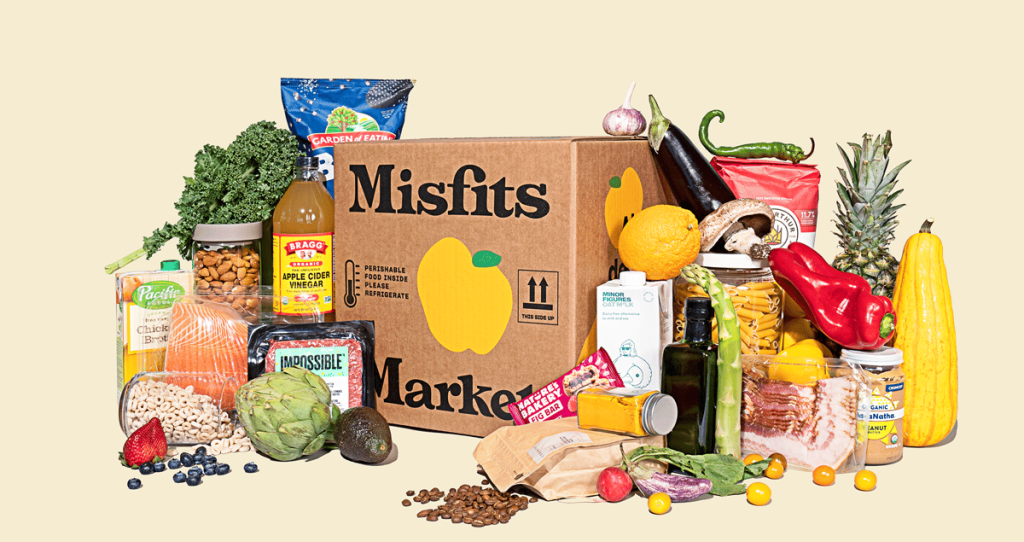
 A standard Misfit Market weekly produce box, featuring cosmetically imperfect but fully edible organic produce sourced from U.S. farms.
Credit: www.misfitsmarket.com
A standard Misfit Market weekly produce box, featuring cosmetically imperfect but fully edible organic produce sourced from U.S. farms.
Credit: www.misfitsmarket.com
2026 Misfit Market Pricing Breakdown
Misfit Market pricing is designed to be transparent, with no hidden fees for the core service, and options for both committed subscribers and casual one-time shoppers. As of 2026, all pricing is consistent across most continental U.S. regions, with slight adjustments for remote Alaska and Hawaii delivery zones. For more on this, see our guide on how much caffeine in pod coffee.
Subscription Plans
Misfit Market offers three subscription box sizes, with a 10% discount applied automatically for biweekly delivery schedules (vs. weekly):
- Petite Box: $24.99 per delivery, 8–10 pounds of produce, ideal for 1–2 person households or people who eat out frequently
- Medium Box: $34.99 per delivery, 12–14 pounds of produce, ideal for 2–4 person households
- Family Box: $49.99 per delivery, 18–20 pounds of produce, ideal for 4+ person households or weekly meal preppers All subscription boxes include free customization: you can swap up to 6 items per delivery, add pantry staples (pasta, nut butters, snacks, cooking oils) for $2–$6 per item, and set permanent preference filters (e.g., “no onions,” “extra leafy greens”) to tailor boxes to your dietary needs.
One-Time Purchase Options
You do not need to commit to a subscription to order from Misfit Market. One-time boxes match subscription pricing exactly, with no recurring charges or cancellation fees, making them a low-risk way to test the service before committing. One-time orders also qualify for all current promotions and free shipping thresholds, just like subscription orders.
 Misfit Market prioritizes produce with cosmetic irregularities that would otherwise be discarded by traditional grocery retailers.
Credit: www.misfitsmarket.com
Misfit Market prioritizes produce with cosmetic irregularities that would otherwise be discarded by traditional grocery retailers.
Credit: www.misfitsmarket.com
What’s Included in Your Misfit Market Box
Understanding exactly what you get for your money helps you avoid unexpected items and maximize the value of your order.
Core Produce Selection
90% of every Misfit Market box is fresh, organic or non-GMO produce sourced from U.S. family farms. All produce meets the same produce safety standards for cosmetically imperfect items set by the U.S. Food and Drug Administration (FDA), even with minor blemishes or irregular shapes. Common items include misshapen carrots, heirloom tomatoes with small cracks, apples with minor skin spots, and leafy greens with slight wilting that is easily fixed with a quick rinse. Produce selection changes weekly based on seasonal availability and farm surplus: summer boxes include berries, stone fruit, and zucchini, while winter boxes feature root vegetables, citrus, and hardy squash. You will rarely receive the exact same items in two consecutive deliveries, which is part of the service’s appeal for adventurous home cooks.
Add-Ons and Customization
In addition to produce, you can add pantry staples, snacks, and ready-to-eat items to your order for $2–$6 per item. Popular add-ons include organic pasta, nut butters, dried fruit, gluten-free snacks, and cold-pressed juices. All add-ons are also sourced from surplus inventory, so they come at a discount compared to conventional grocery store prices.
 Example of "ugly produce" sold by Misfit Market: this kiwi has minor skin blemishes but is perfectly ripe and edible.
Credit: passionatepennypincher.com
Example of "ugly produce" sold by Misfit Market: this kiwi has minor skin blemishes but is perfectly ripe and edible.
Credit: passionatepennypincher.com
How Misfit Market’s Prices Compare to Conventional Grocery Stores
The oft-cited claim that Misfit Market offers 25–40% savings on produce holds true for most organic items, with even higher savings (up to 50%) for in-season produce. For context, a $34.99 medium box (roughly 12–14 pounds of produce) works out to a significantly lower per-pound cost than organic produce at most conventional grocery stores, with savings typically highest for premium items like out-of-season berries, heirloom tomatoes, and organic leafy greens. Savings are lowest for common staple produce like potatoes, onions, and carrots, where conventional store prices are already low, but even these items typically cost 10–15% less at Misfit Market. A key hidden value of the service is reduced food waste: because Misfit Market produce is often riper than store-bought produce (which is harvested early to extend shelf life for transport), you have a shorter window to use it, which encourages meal planning around your delivery schedule. In practice, single households that meal prep around their delivery date see the highest per-serving savings, often under $1 per pound for organic produce. A common mistake new subscribers make is overestimating their weekly produce consumption, leading to 15–20% of their order spoiling before use, which erodes most of the service’s cost savings. To keep your Misfit Market haul fresh longer, invest in airtight produce storage solutions designed for varied vegetable types.
Hidden Costs to Factor Into Your 2026 Budget
While Misfit Market’s base pricing is competitive, there are a few lesser-known costs to factor into your budget to avoid surprises:
Shipping Fees
As of 2026, standard shipping fees range from $4.99 to $7.99 per delivery, depending on your region and delivery speed. Free standard shipping is automatically applied to all orders over $49.99 for most continental U.S. addresses, so upgrading to a family box or adding a few pantry add-ons can eliminate this cost entirely. Expedited 1–2 day shipping is available for $9.99–$12.99 for urgent orders, but is rarely necessary for produce.
Membership and Subscription Fees
Misfit Market has no mandatory membership fees, and you can order one-time boxes without signing up for any subscription. The free Misfit Market Rewards program gives 1 point per $1 spent, redeemable for $10 off orders after 100 points, plus early access to seasonal sales and limited-edition produce drops, with no hidden fees to join.
Refund and Restocking Fees
If you receive spoiled, damaged, or missing items, you can request a refund or store credit within 48 hours of delivery via your account dashboard, with no fees or extra hoops to jump through. The only rarely mentioned cost is a $5 restocking fee if you cancel a subscription less than 24 hours before your scheduled delivery, to cover the cost of pre-picked produce that can’t be redistributed. If you receive larger family boxes, simple kitchen organization upgrades like expandable metal racks can help you prioritize older produce to use first, reducing spoilage and avoiding lost refunds.
Proven Ways to Maximize Your Misfit Market Savings
With a few small adjustments to your ordering habits, you can boost your Misfit Market savings by an extra 15–20% on top of the base discounted pricing:
Pick the Right Box Size for Your Household
As of 2026, Misfit Market offers an online box size calculator on its website that recommends a box size based on your household size, weekly produce consumption, and dietary restrictions. Overordering is the single biggest cause of wasted savings for new subscribers: if you live alone or eat out more than 3 nights per week, the petite box is almost always the most cost-effective choice. If you have a garden or shop at farmers markets regularly during peak growing season, downgrade your box size to avoid overlap and waste.
Stack Promotions and Rewards
Misfit Market runs weekly flash sales on specific produce categories (e.g., 20% off all citrus in January, 15% off leafy greens in March) that you can stack with your rewards points and first-time customer discounts. Subscribe to their email newsletter and follow their official social media accounts to get alerts for flash sales, which often sell out within hours. New customers can get 20% off their first order with the code WELCOME20, and refer a friend to get $15 off your next order for each successful referral.
Plan Meals Around Your Delivery
The highest savings come from using 90% or more of your order before your next delivery. Plan your weekly meals around the produce you receive, rather than buying extra ingredients at the grocery store. For example, if your box includes extra zucchini and tomatoes, plan to make ratatouille or zucchini noodles for dinner that week, instead of buying separate produce for those meals. To get the most out of surplus produce, test creative veggie recipes that use up large quantities of loose ingredients, like a fresh spinach soufflé that works with both standard and cosmetically imperfect leafy greens. When prepping your Misfit Market produce for meals, a durable prep surface like a custom resin cutting board can make quick work of chopping unevenly shaped veggies without damaging your standard kitchen tools.
Is Misfit Market Worth the Cost?
Misfit Market delivers strong value for the right household, but it’s not a one-size-fits-all solution. Based on aggregated 2025–2026 subscriber feedback, the service is worth the cost if you:
- Eat 3+ servings of produce per day and can use a full box of produce weekly
- Prioritize organic produce but are priced out of conventional organic grocery options
- Want to reduce your personal food waste footprint
- Are a busy professional who wants to cut down on weekly grocery store trips The service is not worth the cost if you:
- Have strict dietary restrictions (e.g., low-FODMAP, keto) that limit the types of produce you can eat, unless you can fully customize your box to fit your needs
- Rarely cook at home and eat out most nights, as produce will spoil before you can use it
- Prioritize perfect, unblemished produce for meal prep, charcuterie boards, or baked goods that require flawless ingredients
Top Misfit Market Alternatives in 2026
If Misfit Market doesn’t fit your needs, these alternatives offer similar surplus produce savings with different feature sets:
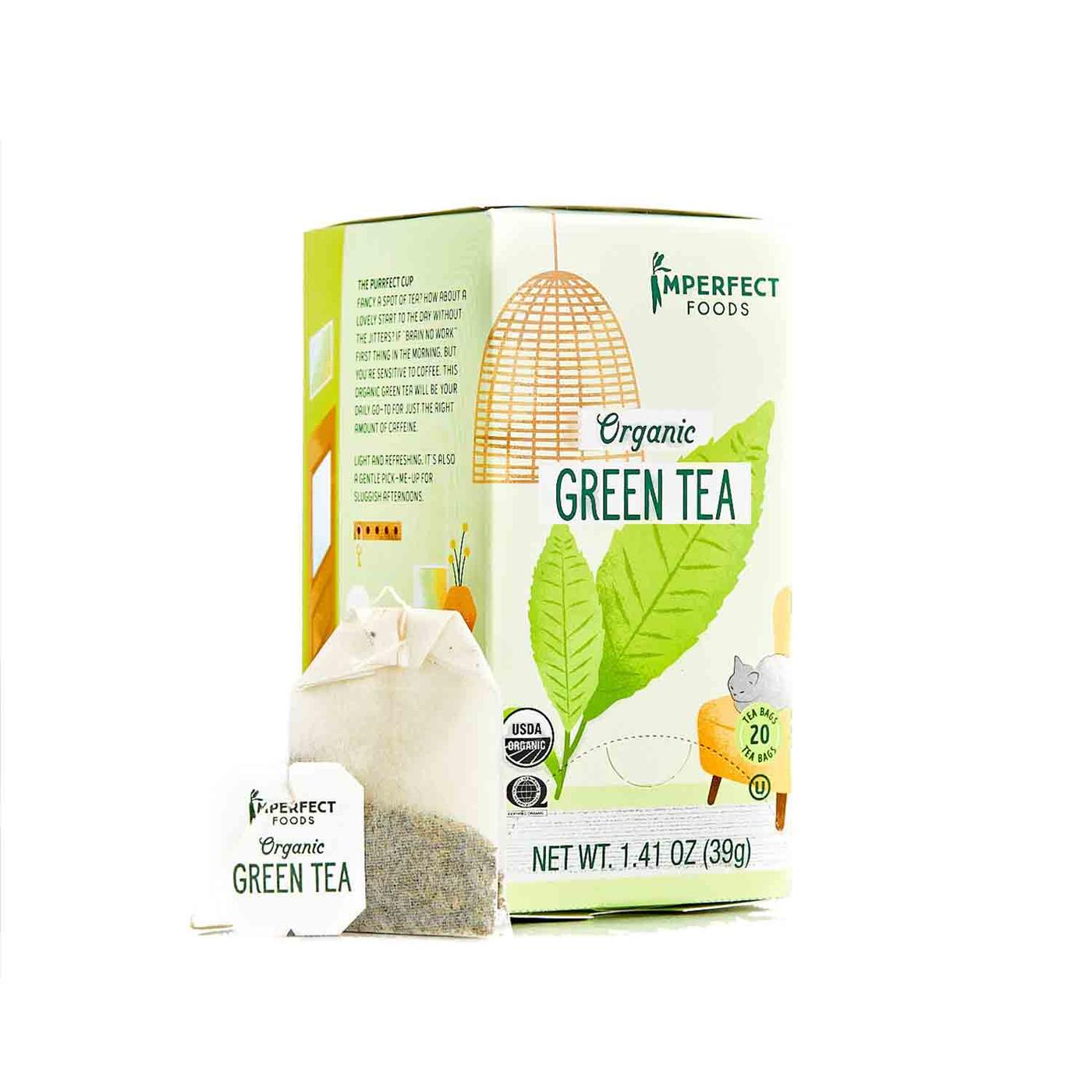
Imperfect Foods
Imperfect Foods is the largest direct competitor, offering both produce and full grocery delivery (including meat, dairy, and pantry staples) at prices 20–35% lower than conventional retailers. Boxes start at $29.99 for a petite produce box, with free shipping on orders over $60. They deliver to more remote areas than Misfit Market, but their produce often travels longer distances from farms, leading to slightly lower freshness ratings from subscribers.
Hungry Harvest
Hungry Harvest focuses exclusively on surplus produce, with boxes starting at $27.99 for a small box, and offers a pay-what-you-can option for low-income households. They donate a portion of every order to food banks, making them a top choice for socially conscious shoppers. Savings are comparable to Misfit Market, but their box customization options are more limited, with fewer add-on pantry items available.
Local Farmers Markets and Bulk Co-ops
Shopping at local farmers markets 30 minutes before closing often yields 10–30% discounts on produce, as vendors don’t want to transport unsold items back to their farms. Bulk buying co-ops let you split large cases of produce with neighbors, cutting per-pound costs by 40% or more, but require more upfront planning and storage space. If you opt for bulk produce purchases, invest in kitchen storage upgrades like metal racks for kitchen storage to keep your haul organized and accessible, reducing spoilage from forgotten items.
Frequently Asked Questions
How much does Misfit Market cost per box?
As of 2026, Misfit Market boxes range from $24.99 for a petite 8–10 pound box to $49.99 for a family-sized 18–20 pound box. One-time purchases match subscription pricing, with no extra fees for non-committed shoppers. Shipping fees range from $4.99 to $7.99 per delivery, with free shipping on orders over $49.99 for most U.S. regions.
Are there any shipping fees for Misfit Market?
Yes, standard shipping fees range from $4.99 to $7.99 per delivery, depending on your region. Free shipping is automatically applied to all orders over $49.99, so adding a few pantry add-ons or upgrading to a larger box can eliminate this cost entirely. Expedited 1–2 day shipping is available for $9.99–$12.99 if needed.
What items are included in a Misfit Market box?
Each box is 90% fresh organic or non-GMO produce, with the remaining 10% being optional add-ons like pasta, nut butters, snacks, or cooking oils. All produce is cosmetically imperfect (misshapen, undersized, or with minor blemishes) but fully safe to eat, and sourced from U.S. farms. Box contents change weekly based on seasonal availability, so you’ll rarely receive the exact same items twice in a row.
Can I customize my Misfit Market order?
Yes, all subscribers can customize their box up to 48 hours before their scheduled delivery. You can swap out up to 6 items per box at no extra cost, add up to 10 add-on items, and set permanent preference filters (e.g., “no alliums,” “extra leafy greens”) to tailor boxes to your dietary needs. Non-subscribers placing one-time orders can also customize their box before checkout.
Can I skip a subscription delivery if I’m out of town?
Yes, you can skip any scheduled delivery up to 24 hours before your delivery date with no fee, as long as you’re an active subscriber. If you cancel a subscription entirely, you can do so at any time with no cancellation fee, though any orders already scheduled for delivery will still be processed and billed.
Does Misfit Market sell non-organic produce?
As of 2026, 95% of Misfit Market’s produce is USDA-certified organic or non-GMO. The remaining 5% is conventional produce sourced from partner farms, clearly labeled in your box customization menu so you can opt out if you prefer.
What if I receive spoiled or damaged produce?
You can request a refund or store credit for any spoiled, damaged, or missing items within 48 hours of delivery by submitting a photo through your account dashboard. Most refunds are processed within 1–2 business days, with no additional fees or hoops to jump through.
Conclusion
Misfit Market offers fresh, organic produce at 25–40% lower prices than conventional grocery stores, with no mandatory membership fees and flexible ordering options for both casual and committed shoppers. While hidden costs like shipping fees can erode savings if you don’t hit the free shipping threshold, the service delivers strong value for households that can use a full box of produce weekly and prioritize meal planning around their delivery. The service is not ideal for people with strict dietary restrictions, infrequent home cooks, or shoppers who prioritize perfect, unblemished produce for special occasions. If you’re ready to test the service, start with a one-time petite box to gauge your weekly produce usage before committing to a subscription, and pair it with proper storage to cut down on waste and maximize your savings. For more budget-friendly kitchen tips, easy weeknight recipes, and grocery hacks, browse our full budget-friendly kitchen tips library.

Hi, I’m Daniel Brooks—a food lover and kitchen gear enthusiast. I enjoy testing cookware, utensils, and gadgets to see what really works in everyday cooking. At PlugChef.com, I share honest reviews, comparisons, and simple guides to help you choose the best tools for a safer, smarter, and more enjoyable kitchen.
Related posts:
 How to Make a Fruit Basket for a Gift: Easy DIY Guide
 Do You Need a Basket? Essential Guide for Air Fryers
 How to Adjust Syrup Dispenser Pressure: Expert Tips
 White Appliances in Kitchen Design: Elevate Your Space
 Kitchen Appliances Stainless Steel Vs White: Ultimate Showdown
 Kitchen Appliances Made in Usa: Quality and Innovation

