
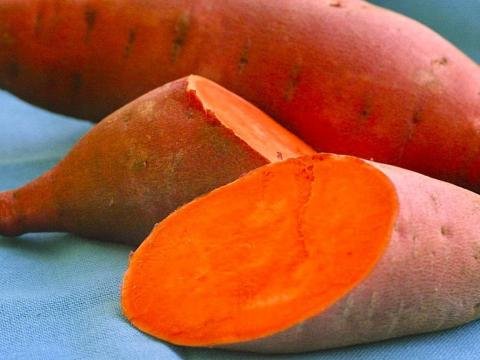
Have you ever wondered if all sweet potatoes are orange? You might be surprised to learn that sweet potatoes come in a variety of colors, each with its own unique taste and benefits.
Understanding these differences can help you choose the right sweet potato for your meals and boost your health. Keep reading to discover the colorful world of sweet potatoes and find out which one is perfect for you.

Credit: www.usatoday.com
Sweet Potato Basics
Sweet potatoes are a popular root vegetable known for their natural sweetness and vibrant colors. They grow underground and come in different shapes and sizes. People enjoy sweet potatoes worldwide for their taste and nutrition.
Sweet potatoes are often confused with yams, but they are different plants. Their versatility in cooking and health benefits make them a kitchen favorite.
What Makes Sweet Potatoes Unique
Sweet potatoes have a rich, sweet flavor that sets them apart. Their texture can be creamy or firm, depending on the variety. The skin and flesh colors vary, including orange, white, purple, and yellow.
They contain beta-carotene, a nutrient that gives orange varieties their bright color. Sweet potatoes are high in fiber, vitamins, and minerals. Their natural sweetness intensifies when cooked, making them perfect for both savory and sweet dishes.
Common Uses In Cooking
Sweet potatoes are very flexible in the kitchen. They can be baked, boiled, fried, roasted, or mashed. Many use them in soups, stews, and casseroles.
- Baked sweet potatoes served with butter or spices
- Sweet potato fries as a healthy snack
- Mashed sweet potatoes as a side dish
- Sweet potato pie and desserts
- Added to salads or grain bowls
Their natural sweetness works well with spices like cinnamon and nutmeg. Sweet potatoes can replace regular potatoes for a healthier option.
Credit: www.sobeys.com
Color Varieties Of Sweet Potatoes
Sweet potatoes are often pictured as orange tubers, but their colors actually span a surprising spectrum. Each color offers unique flavors, textures, and nutritional benefits. Understanding these varieties can help you pick the right sweet potato for your next meal or recipe.
Orange Sweet Potatoes
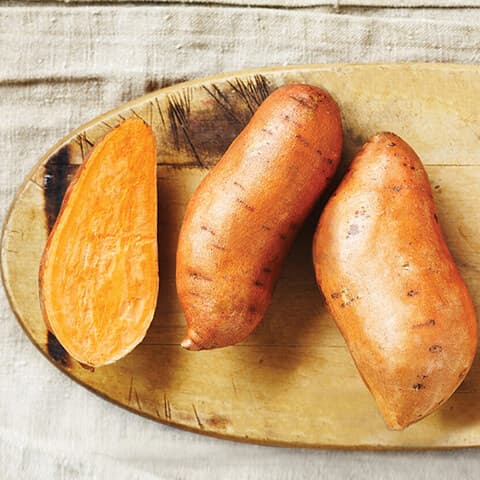
Orange sweet potatoes are the most common and widely available type. Their vibrant orange flesh comes from beta-carotene, a nutrient your body converts into vitamin A. They tend to be moist and sweet, making them perfect for mashed dishes, fries, or casseroles.
If you want to boost your vitamin intake, orange sweet potatoes are a reliable choice. Have you ever noticed how their sweetness intensifies when baked? That’s a neat trick to bring out their natural sugars.
Purple Sweet Potatoes
Purple sweet potatoes are striking with their deep violet skin and flesh. They owe their color to anthocyanins, antioxidants linked to various health benefits. The flavor is often nuttier and less sweet than orange varieties, with a slightly dry texture.
Try roasting purple sweet potatoes to experience their unique taste and stunning color contrast on your plate. Would you consider them a fun twist to traditional sweet potato dishes?
White Sweet Potatoes
White sweet potatoes have pale, creamy flesh and a milder flavor. They are less sweet and have a firmer, drier texture compared to the orange kind. This variety works well in savory dishes where you want a subtle sweetness without overpowering other ingredients.
If you prefer a less sweet, more potato-like experience, white sweet potatoes might be your go-to. How often do you seek out different textures in your cooking?
Yellow Sweet Potatoes
Yellow sweet potatoes fall somewhere between orange and white in both color and sweetness. Their flesh is golden and slightly sweet, often with a creamy texture. These are versatile and can be baked, boiled, or fried with great results.
Next time you shop, look for yellow sweet potatoes to add a new layer of flavor and color to your dishes. Have you noticed how subtle color changes can affect your perception of taste?
Other Rare Colors
Beyond the common varieties, sweet potatoes can appear in even rarer colors like red, pink, or even multicolored streaks. These types are often grown in specific regions and can offer unusual flavors or textures. They may be harder to find but are worth trying if you want to experiment.
Have you ever tried a sweet potato that surprised you with its color or taste? Trying these rare varieties can open your eyes to the diversity hidden in familiar foods.
Nutritional Differences By Color
Sweet potatoes come in various colors, each with unique nutrients. Their colors range from orange to purple and beyond. Each color offers different nutritional benefits. Understanding these differences can help you make healthier choices. Let’s dive into the nutritional aspects of each color.
Beta-carotene In Orange Varieties
Orange sweet potatoes are rich in beta-carotene. Beta-carotene converts to vitamin A in the body. This vitamin supports eye health and immune function. Eating orange varieties can boost your vitamin A intake.
Antioxidants In Purple Types
Purple sweet potatoes are packed with antioxidants. These antioxidants help combat free radicals in the body. They may reduce inflammation and support heart health. Including purple varieties in your diet can be beneficial.
Nutrient Profiles Of Other Colors
Sweet potatoes also come in white, yellow, and red. Each has a unique nutrient profile. White varieties have fewer antioxidants but are rich in fiber. Yellow types offer a moderate amount of beta-carotene. Red sweet potatoes have a mix of nutrients from both orange and purple types. Exploring these different colors can enhance your diet variety.
Growing And Harvesting Colors
Sweet potatoes come in a spectrum of colors, and this variety is often influenced by how and where they are grown. The growing conditions play a key role in determining the skin and flesh colors you see at harvest. Understanding these factors can help you appreciate why not all sweet potatoes are orange and how you might even try growing different types yourself.
Soil And Climate Influences
The type of soil sweet potatoes grow in affects their color. Sandy, well-drained soils often produce sweeter and sometimes more vividly colored tubers. Clay-heavy soils, on the other hand, can lead to denser roots with different coloration.
Climate also matters. Warmer climates with longer growing seasons tend to enhance the development of orange pigments called beta-carotene. Cooler or less sunny areas might result in paler or even purple-fleshed sweet potatoes.
If you’ve ever tasted sweet potatoes from different regions, you might notice subtle differences in flavor and color—this is why. What kind of soil and climate do you have around you? It might be worth experimenting with a few varieties to see what thrives best.
Regional Preferences
Regions often grow sweet potatoes that suit local tastes and conditions. In the southern United States, orange-fleshed sweet potatoes dominate because they’re rich in beta-carotene and have a sweet, creamy texture. Meanwhile, in parts of Asia and Africa, purple and white varieties are more common.
Farmers choose varieties based on what sells and what grows well. This means your local market might only show you a narrow range of sweet potato colors. Have you ever wondered why your grocery store rarely stocks purple sweet potatoes, despite their health benefits?
Trying different regional varieties can be a fun way to expand your palate and cooking options. If you have access to farmers’ markets or specialty stores, look for sweet potatoes in shades of white, purple, or even red. Each color offers unique flavors and nutrients to explore.
Cooking Tips For Different Colors
Sweet potatoes come in various colors, each with unique cooking needs. Understanding these differences helps bring out the best flavors and textures. Cooking techniques vary for orange, purple, and white sweet potatoes. This guide offers simple tips for each type.
Best Methods For Orange Sweet Potatoes
Orange sweet potatoes are soft and sweet. They work well with roasting, baking, and mashing. Roasting enhances their natural sweetness. Baking keeps them moist and tender inside. Mashing orange sweet potatoes creates a creamy, smooth texture.
- Roast at 400°F (200°C) for 25-30 minutes.
- Bake whole at 375°F (190°C) for 45-60 minutes.
- Boil for 15-20 minutes before mashing.
Preparing Purple And White Varieties
Purple sweet potatoes have a denser texture. They hold shape well when cooked. Boiling and steaming suit them best. White sweet potatoes are drier and less sweet. Baking and roasting bring out their nutty flavor. Avoid overcooking to keep their texture firm.
- Steam purple sweet potatoes for 20-25 minutes.
- Boil purple sweet potatoes until tender.
- Roast white sweet potatoes at 400°F (200°C) for 30-35 minutes.
- Bake white sweet potatoes for 40-50 minutes.
Flavor Profiles And Pairings
Orange sweet potatoes taste sweet and creamy. Pair with cinnamon, nutmeg, or maple syrup. Purple sweet potatoes have a mild, earthy flavor. Combine with garlic, rosemary, or soy sauce. White sweet potatoes taste subtly sweet and nutty. Match with thyme, butter, or sage.
| Color | Flavor | Best Pairings |
|---|---|---|
| Orange | Sweet, creamy | Cinnamon, nutmeg, maple syrup |
| Purple | Mild, earthy | Garlic, rosemary, soy sauce |
| White | Subtle, nutty | Thyme, butter, sage |
Where To Find Colorful Sweet Potatoes
Colorful sweet potatoes are not just a treat for your taste buds but also a feast for your eyes. Finding these vibrant varieties can be a fun adventure that adds both nutrition and excitement to your meals. If you want to bring some color to your kitchen, here’s where you can look.
Farmers Markets And Specialty Stores
Farmers markets are treasure troves for unusual sweet potatoes. You can find purple, white, and even red-skinned varieties that you won’t see at your regular supermarket.
Specialty grocery stores often carry a wider range of sweet potatoes from different regions. Stores focused on organic or international foods usually stock these colorful options. Don’t hesitate to ask vendors about the origin and taste differences—you might discover a new favorite.
Growing Your Own Colorful Sweet Potatoes
Growing your own sweet potatoes is surprisingly easy and rewarding. You can start with slips from orange, purple, or white sweet potatoes to add variety to your garden.
Homegrown sweet potatoes often taste fresher and have a more intense flavor. Plus, you get the satisfaction of harvesting your own colorful crop. Have you ever thought about how different soil and climate might affect the color and taste of your sweet potatoes?

Credit: www.yahoo.com
Frequently Asked Questions
Are All Sweet Potatoes Orange Inside?
No, not all sweet potatoes have orange flesh. Some varieties are white, yellow, or purple inside. The color depends on the specific type and its natural pigments.
What Causes Sweet Potatoes To Have Different Colors?
Sweet potato colors come from natural pigments like beta-carotene and anthocyanins. These pigments affect the flesh color, ranging from orange to purple and white.
Are Purple Sweet Potatoes As Nutritious As Orange Ones?
Yes, purple sweet potatoes are rich in antioxidants and vitamins. They offer different nutrients compared to orange varieties but are equally healthy and beneficial.
Can I Substitute Any Sweet Potato Color In Recipes?
Generally, yes. Different sweet potato colors can be swapped in recipes, though flavor and texture may vary slightly. Adjust cooking time if needed.
Conclusion
Sweet potatoes come in many colors, not just orange. Some are white, purple, or even yellow. Each type has a different taste and texture. Knowing this helps you choose the right kind for your meals. Try different varieties to enjoy new flavors and health benefits.
Sweet potatoes are tasty and good for you, no matter the color. Keep exploring to find your favorite!

Hi, I’m Daniel Brooks—a food lover and kitchen gear enthusiast. I enjoy testing cookware, utensils, and gadgets to see what really works in everyday cooking. At PlugChef.com, I share honest reviews, comparisons, and simple guides to help you choose the best tools for a safer, smarter, and more enjoyable kitchen.
Related posts:
 What Type of Cooking Utensils are Safe: Expert Picks
 What Innovations Could Blenders Make: Unleashing Future Tech
 Smart Strategies to Organize a Small Kitchen: Maximize Space
 How to Organize a Kitchen Cabinet: Expert Tips & Tricks
 How to Organize Kitchen Drawers: Expert Tips and Tricks
 How to Organize a Corner Kitchen Cupboard: Expert Tips

