
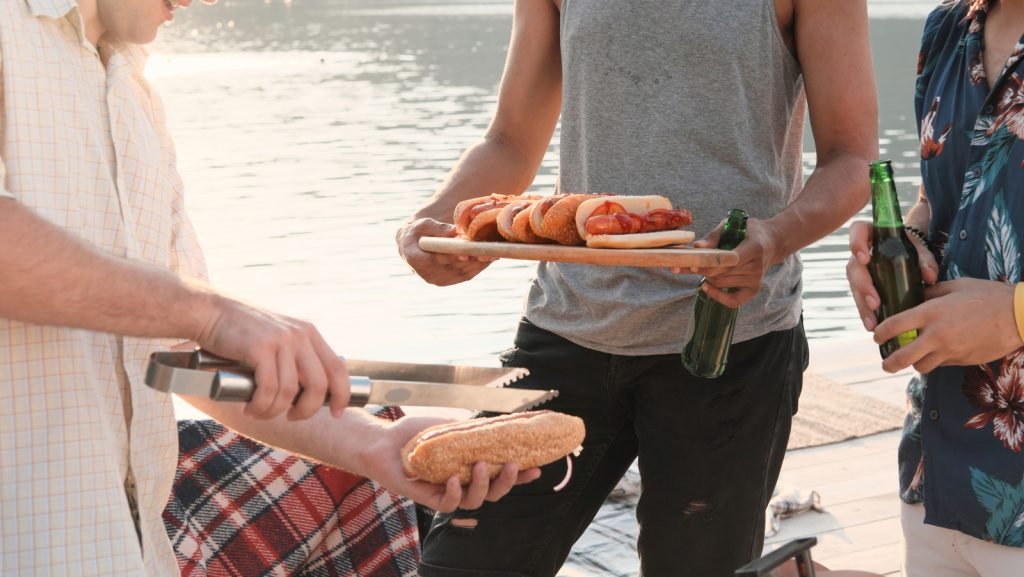
Imagine this: you’re at the beach, the sun warming your skin, waves gently crashing nearby, and the smell of sizzling hot dogs filling the air. There’s something about biting into a juicy, flavorful hot dog while feeling the sand between your toes that makes the moment unforgettable.
If you love simple pleasures and want to discover the best ways to enjoy hot dogs by the shore, this article is just for you. Get ready to learn tips, recipes, and secrets that will turn your beach day into a tasty, fun experience you’ll want to repeat again and again.
Choosing The Best Hot Dogs
Choosing the best hot dogs for a beach day can make your experience much better. The right hot dog is tasty, fresh, and suits your preferences. Knowing the types and options helps you enjoy every bite by the shore.
Types Of Hot Dogs
Hot dogs come in many varieties. Classic beef hot dogs are popular and have a rich flavor. Pork hot dogs offer a slightly different taste, often juicier and softer. Chicken hot dogs are lighter and leaner, a good choice for a healthy option. Some hot dogs mix meats for a unique taste. Specialty hot dogs include spicy or smoked versions. Each type brings a new flavor to your beach meal.
Selecting Quality Meat
Quality meat makes a big difference in taste. Look for hot dogs with real meat listed first in the ingredients. Avoid those with many fillers or artificial additives. Freshness matters too; check the packaging date. Organic or natural hot dogs often have fewer chemicals. Choose brands known for good quality and safe production.
Vegetarian And Vegan Options
Vegetarian and vegan hot dogs are perfect for plant-based diets. They use ingredients like soy, peas, or wheat protein. These options provide flavor and texture similar to meat. Many are low in fat and high in protein. They also suit people with dietary restrictions or allergies. Try a few to find the one you like best.
Perfect Buns For Beach Bites
Choosing the perfect bun can make or break your beach hot dog experience. The right bun not only holds your toppings together but also complements the flavors and textures of the sausage inside. Finding a bun that stays fresh and soft under the sun is key to enjoying every bite without the mess.
Classic Vs Gourmet Buns
Classic buns, like the traditional white or wheat hot dog buns, offer a familiar, soft texture that cradles your sausage perfectly. They’re easy to find, affordable, and work well with any topping combination. However, gourmet buns bring something extra to the table—think brioche or pretzel buns with richer flavors and sturdier structure.
Have you ever noticed how a brioche bun adds a slight sweetness that balances spicy mustard or tangy sauerkraut? Or how a pretzel bun’s chewy crust stands up better to juicy, loaded toppings? These buns can elevate your beach snack into something memorable.
Keeping Buns Fresh And Soft
Nothing ruins a beach bite faster than a dry, crumbly bun. To keep buns fresh, store them in a sealed plastic bag or airtight container until you’re ready to eat. If you’re packing for a day out, wrap them in a slightly damp paper towel before sealing to maintain moisture.
Reheating buns over a grill or open flame for just a few seconds can bring back softness and warmth. Have you tried this quick trick? It’s a game-changer that makes your hot dog taste like it was just made.
Tasty Toppings And Condiments
Bright mustard, tangy ketchup, and crunchy pickles bring hot dogs to life at the beach. Fresh onions and spicy peppers add extra flavor and fun. Toppings make every bite tasty and exciting.
Savoring a hot dog by the beach is an experience unlike any other. The gentle sea breeze and the sound of crashing waves can make your taste buds crave something extraordinary. Toppings and condiments are the secret to elevating this simple snack into a gourmet delight. Whether you prefer traditional flavors or are seeking something new and adventurous, the right combination can make all the difference.Traditional Favorites
Traditional toppings never go out of style. Mustard, ketchup, and relish are the classic trio that many people swear by. Their familiar taste can instantly transport you back to childhood beach trips. Onions and sauerkraut also make great additions, adding a little crunch and tang.Creative And Exotic Additions
Why not take your hot dog game up a notch? Adding pineapple salsa can give your hot dog a sweet and spicy twist. Guacamole or sliced avocado can add creaminess and a touch of sophistication. Have you ever tried a kimchi-topped hot dog? Its spicy and sour profile can be a game-changer.Sauces And Spreads
Sauces and spreads can add a burst of flavor. Sriracha mayo can bring a bit of heat and creaminess. Pesto sauce can offer a fresh and herby twist. Even a simple spread of hummus can add a delightful layer of flavor. What topping will you try on your next beach day?
Credit: www.youtube.com
Grilling Tips For The Beach
Grilling hot dogs at the beach is one of those simple joys that can turn an ordinary day into a memorable outing. However, getting that perfect grill on the sand requires a bit of planning and the right approach. These tips will help you grill delicious hot dogs that are juicy, safe, and easy to handle while enjoying the sun and waves.
Portable Grills And Equipment
Choosing the right grill is crucial. Compact, portable grills like small charcoal or gas models work best on the beach because they are easy to carry and set up.
Don’t forget essential tools such as long tongs, a grill brush, and a heat-resistant mat to protect the sand and keep your grill stable. A cooler bag for your hot dogs and buns keeps everything fresh until cooking time.
Cooking Techniques For Juicy Dogs
Start by preheating your grill to medium heat to avoid burning the outside while leaving the inside cold. You want to turn the hot dogs regularly for even cooking.
Try poking a few small holes in the hot dogs before grilling to prevent them from bursting. Adding a light brush of oil or butter can also help keep them moist and add flavor.
Safety And Cleanliness
Keep raw hot dogs separate from cooked ones to avoid contamination. Use different utensils for handling raw and cooked food.
Make sure to wash your hands or use sanitizer before and after handling the hot dogs. Always dispose of trash properly and clean your grill after use to leave the beach just as beautiful as you found it.
Serving Ideas And Presentation
Serving hot dogs at the beach calls for easy and fun presentation. The goal is to keep things simple yet tasty. Presentation can make hot dogs more inviting and enjoyable. Using vibrant colors and fresh ingredients adds to the appeal. Think about portability and mess-free options for beach settings.
Easy-to-eat Beach Combinations
Choose combinations that are neat and easy to hold. Wrap hot dogs in foil or paper for easy handling. Try these tasty combos:
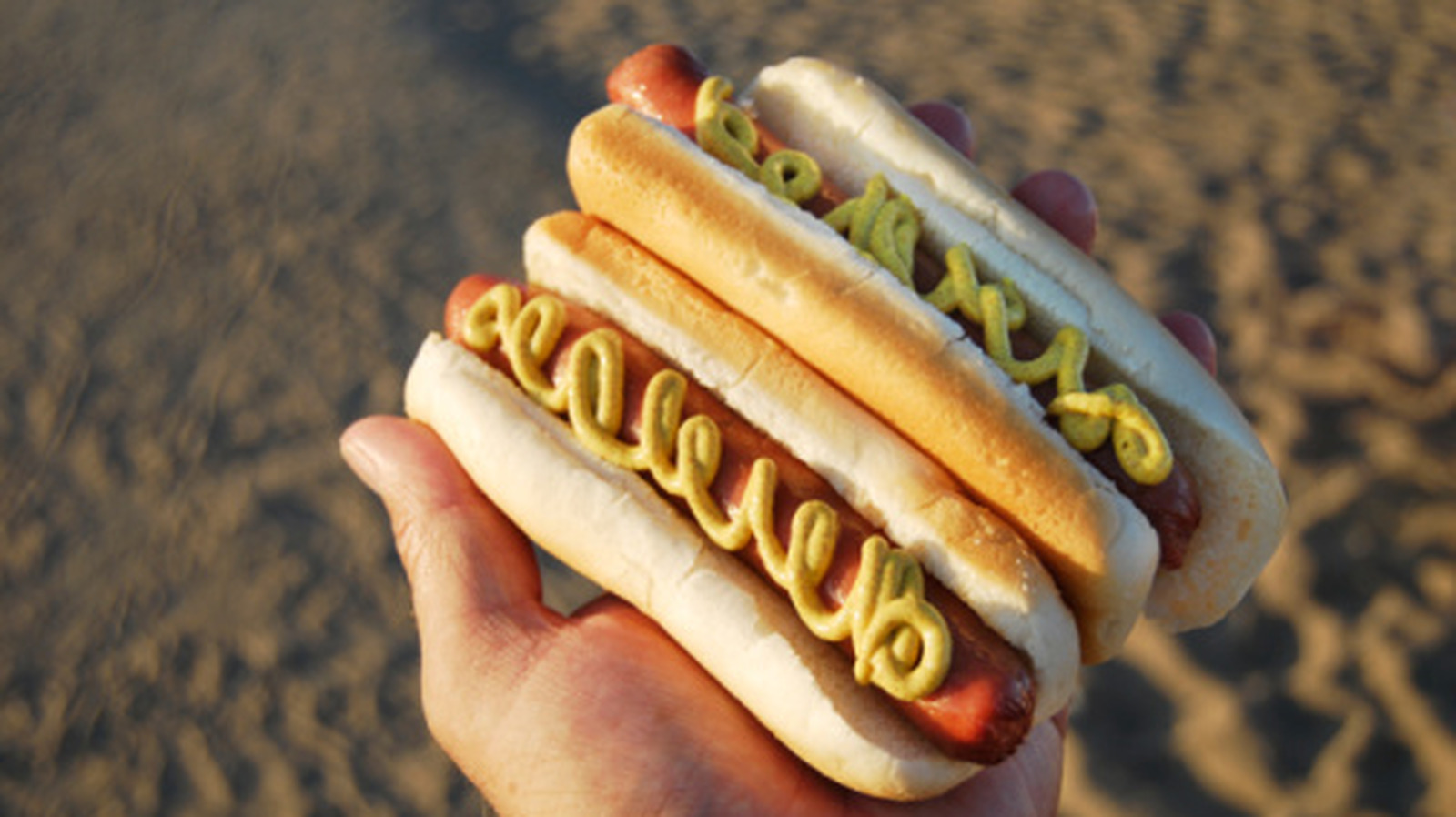
- Classic hot dog with ketchup, mustard, and relish
- Chili dog topped with shredded cheese and onions
- Veggie dog with sliced avocado and fresh tomato
- BBQ dog with crispy onions and pickles
Serve hot dogs in sturdy buns to avoid sogginess. Keep toppings light to prevent spills. Use small containers for sauces to dip or spread.
Pairing With Sides And Drinks
Offer sides that complement hot dogs and are easy to eat. Chips, pretzels, and carrot sticks work well. Fruit cups or fresh watermelon slices add sweetness and refreshment.
Choose drinks that keep guests cool and hydrated. Iced tea, lemonade, and flavored water are great options. Avoid sticky or heavy drinks that could cause discomfort in the sun.
| Side | Benefit |
|---|---|
| Potato chips | Crispy and easy to share |
| Coleslaw | Cool, creamy texture |
| Pickle slices | Add tangy flavor |
| Fresh fruit | Light and refreshing |
Packing And Storage For Beach Trips
Packing and storing your hot dog ingredients properly can make or break your beach day feast. You want every bite to be as tasty and fresh as if you were at a backyard barbecue. Careful planning helps you avoid soggy buns, wilted lettuce, or warm condiments that spoil the fun.
Keeping Ingredients Fresh
Start by packing your perishables in a cooler with plenty of ice packs. Keep hot dog buns in a separate, airtight container to prevent them from getting crushed or soggy. Vegetables like tomatoes, onions, and lettuce should be washed, dried, and stored in sealed bags or containers to maintain crispness.
Condiments can be tricky—store them in small, sealed containers rather than bulky bottles to save space and avoid spills. Don’t forget to keep your hot dogs themselves chilled until you’re ready to cook. Have you ever bitten into a warm, off-tasting hot dog straight from the pack? Avoid that disappointment by monitoring the cooler’s temperature.
Transporting Grilled Hot Dogs
Grilled hot dogs are best enjoyed fresh off the grill, but if you need to transport them, wrap each dog individually in foil. This keeps them warm and prevents them from drying out. Place the wrapped dogs in an insulated bag or cooler to hold the heat without overcooking them.
If you’re carrying toppings like cheese or sautéed onions, pack them in separate containers and add them just before serving. This keeps your hot dogs neat and lets you customize each one on the spot. Have you tried bringing a portable grill to the beach? It’s a game-changer for hot dog freshness and flavor.
Fun Variations To Try
Hot dogs at the beach are a classic treat, but why stick to the usual toppings when you can try exciting new variations? Mixing things up adds more flavor and fun to your beach day. You’ll find that experimenting with different styles and setups can turn a simple hot dog into a memorable meal.
Regional Hot Dog Styles
Trying hot dogs from different regions gives you a taste of local culture right at the shore. Each style has its unique twist that might surprise your taste buds.
- Chicago Dog:Loaded with mustard, onions, relish, tomato slices, a pickle spear, sport peppers, and celery salt on a poppy seed bun. It’s a flavor explosion that balances spicy, sweet, and tangy perfectly.
- New York Dog:Classic and simple with mustard and sauerkraut or onions sautéed in tomato sauce. This one lets the sausage shine with just a touch of tang.
- Coney Island Dog:Smothered in chili, mustard, and onions, giving you a hearty, savory bite. It’s like a meal wrapped in a bun.
- Sonoran Dog:Wrapped in bacon and topped with pinto beans, onions, tomatoes, and jalapeños. This one adds a smoky and spicy kick that’s perfect for bold eaters.
Which regional flavor could you see becoming your new beach favorite?
Diy Hot Dog Bar Setup
Creating your own hot dog bar at the beach turns mealtime into an interactive experience. It lets everyone customize their dog just the way they like it.
Here’s what you can include:
| Category | Options |
|---|---|
| Buns | Classic white, whole wheat, pretzel, gluten-free |
| Sausages | Beef, pork, chicken, veggie, spicy chorizo |
| Toppings | Cheese, grilled onions, jalapeños, sauerkraut, pickles, tomatoes, bacon bits |
| Condiments | Mustard, ketchup, mayo, BBQ sauce, hot sauce, relish |
Setting up a small cooler with all these options lets you build your perfect hot dog on the spot. It’s fun to mix and match flavors and see what new combos you discover.
Have you ever tried a topping combo that totally surprised you? Your beach hot dog adventure is a perfect chance to experiment and enjoy every bite.
Credit: m.yelp.com
Credit: www.chowhound.com
Frequently Asked Questions
What Makes Hot Dogs A Popular Beach Food?
Hot dogs are easy to prepare, portable, and mess-free. They suit beach picnics perfectly. Their quick grilling enhances the outdoor dining experience.
How To Keep Hot Dogs Fresh At The Beach?
Use a cooler with ice packs to keep hot dogs cold. Store condiments separately in sealed containers. This prevents spoilage and maintains freshness.
What Toppings Are Best For Beach Hot Dogs?
Classic toppings like mustard, ketchup, and relish are popular. Add fresh onions or sauerkraut for extra flavor. Choose toppings that stay stable in warm weather.
Can I Grill Hot Dogs Safely On The Beach?
Yes, use a portable grill or disposable barbecue. Ensure the fire is controlled and follow local beach rules. Always clean up after grilling to protect the environment.
Conclusion
Hot dogs at the beach bring simple joy and tasty fun. They fit perfectly with the sun, sand, and waves. Easy to eat and share with friends or family. A classic snack that never loses its charm. Grab one, enjoy the flavors, and feel the beach vibe.
Perfect for quick hunger and good times. Remember, the best beach days include good food and great company. So, next time you visit, don’t forget a hot dog. Simple, delicious, and made for the beach life.

Hi, I’m Daniel Brooks—a food lover and kitchen gear enthusiast. I enjoy testing cookware, utensils, and gadgets to see what really works in everyday cooking. At PlugChef.com, I share honest reviews, comparisons, and simple guides to help you choose the best tools for a safer, smarter, and more enjoyable kitchen.
Related posts:
 What Type of Cooking Utensils are Safe: Expert Picks
 What Innovations Could Blenders Make: Unleashing Future Tech
 Smart Strategies to Organize a Small Kitchen: Maximize Space
 How to Organize a Kitchen Cabinet: Expert Tips & Tricks
 How to Organize Kitchen Drawers: Expert Tips and Tricks
 How to Organize a Corner Kitchen Cupboard: Expert Tips

