
Great coffee isn’t reserved for expensive espresso machines or rare, imported beans. It’s the result of small, intentional choices across every step of the brewing process — from the beans you select to the temperature of your water. Even experienced coffee drinkers often overlook one or two key variables that turn a mediocre, bitter cup into a bright, balanced, memorable sip. This guide breaks down every factor that impacts coffee flavor, with actionable, tested advice you can implement today with gear you already own.
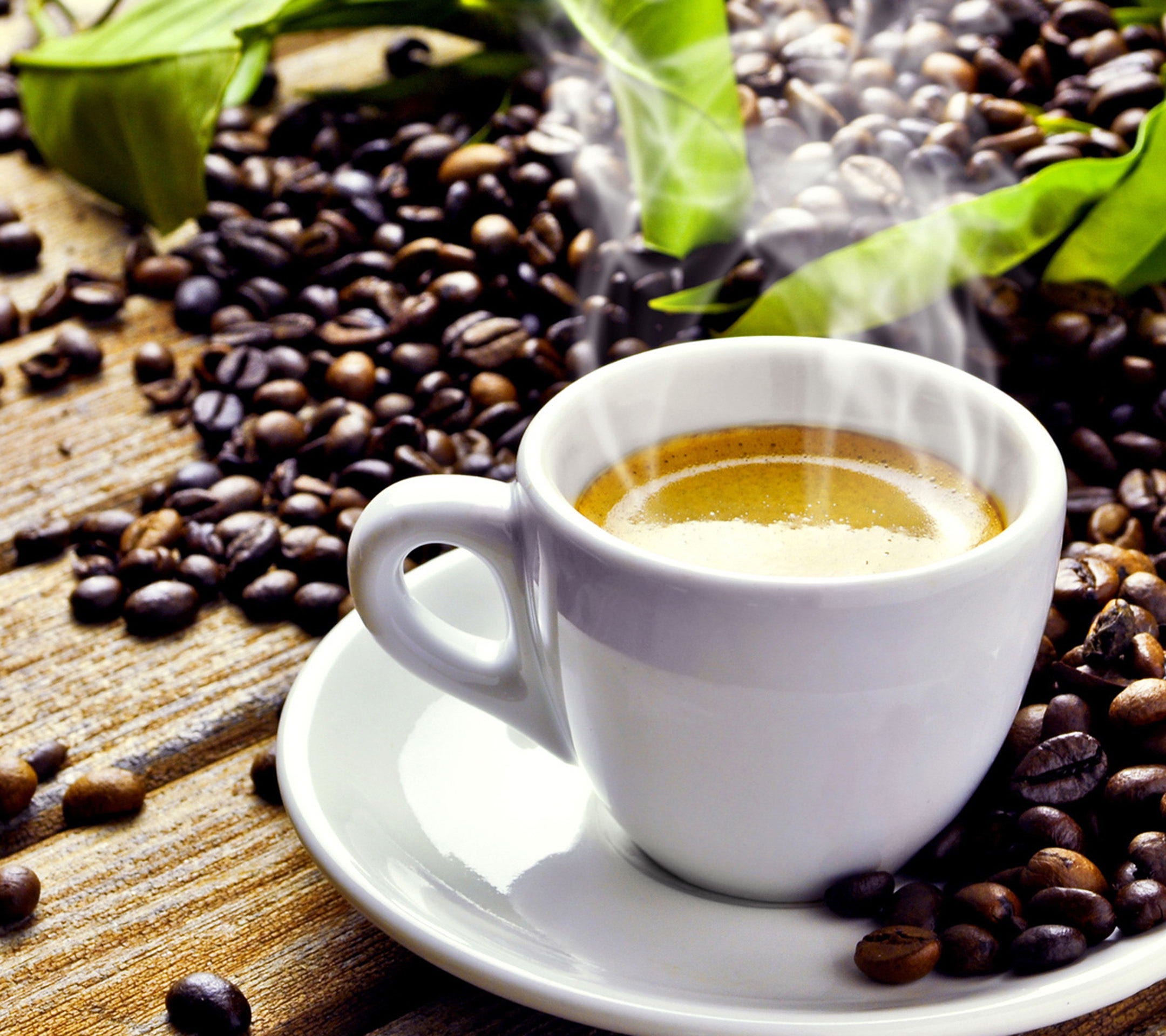 A slow, steady pour during pour-over brewing ensures even extraction and balanced flavor.
Credit: medium.com
A slow, steady pour during pour-over brewing ensures even extraction and balanced flavor.
Credit: medium.com
Start with Quality, Fresh Coffee Beans
The foundation of any great cup is high-quality, fresh beans. While roast level and brew method matter, they can’t compensate for stale, low-grade beans. Focus on three core factors when selecting coffee: bean variety, origin, and freshness.
Arabica vs. Robusta: What’s the Difference?
Arabica (Coffea arabica) makes up roughly 60% of global coffee production, grown at altitudes of 600–2,000 meters. It has lower caffeine content (1–1.5% by weight) and flavor profiles ranging from bright citrus and berry to soft caramel and milk chocolate, with a smooth, sweet finish. Robusta (Coffea canephora) accounts for ~40% of production, grows at sea level to 800 meters, has double the caffeine (2–2.7% by weight), and produces a bolder, more bitter brew with thicker crema. Robusta is often added to espresso blends to boost body and foam stability, and is the primary bean used in most instant coffee.
Single-Origin vs. Blends: Flavor Consistency vs. Terroir
Single-origin beans come from a single farm, region, or cooperative, highlighting unique terroir-driven notes tied to their growing environment: for example, floral, tea-like Ethiopian Yirgacheffe or chocolatey, nutty Colombian Huila. Blends mix beans from multiple origins to create a consistent, balanced flavor profile year-round, ideal for everyday drinking where you want a reliable taste every morning.
How Processing Method Impacts Flavor
A often-overlooked factor in bean flavor is the processing method used after harvesting:
- Washed: Beans are depulped and fermented before drying, producing clean, bright, acidic cups with clear origin notes.
- Natural/dry: Beans are dried inside the fruit, creating sweet, fruity, heavy-bodied brews with jammy notes.
- Honey/pulped natural: A middle ground where some fruit is left on the bean during drying, balancing sweetness and clean acidity.
Freshness: The Non-Negotiable Baseline
Coffee peaks in flavor 7–14 days after roasting, and loses up to 60% of its aromatic compounds within 30 days if not stored properly. Always check for a visible roast date on packaging, and avoid beans with no date or dates older than 3 months. Store beans in an opaque, airtight container in a cool, dark pantry — never the fridge or freezer, as temperature fluctuations cause condensation that speeds staling. Grind beans immediately before brewing to preserve volatile aromatics that dissipate quickly after grinding.
We break down every step with practical, tested advice — no fancy equipment required, just the same kind of hands-on kitchen guidance we share for all your favorite recipes.
Understanding Roast Levels and Their Flavor Impact
The roasting process transforms raw, green coffee beans into the aromatic, flavorful product you brew. Roast level is one of the biggest drivers of final flavor, so understanding the differences between light, medium, and dark roasts will help you pick the right beans for your taste.
Light Roast: Bright and Delicate
Light roasts (heated to 356–401°F / 180–205°C) retain most of the bean’s original character, with high acidity, light body, and notes of citrus, berry, or jasmine. They showcase terroir clearly, but can taste sour or tea-like if under-extracted. Light roasts have slightly higher caffeine content by weight than darker roasts, as the longer roasting process burns off small amounts of caffeine.
Medium Roast: Balanced and Versatile
Medium roasts (401–428°F / 205–220°C) balance acidity, body, and sweetness, with common notes of caramel, nuts, milk chocolate, and stone fruit. This is the most popular roast for everyday drinking, as it works well across most brew methods and pairs nicely with milk or sugar if preferred.
Dark Roast: Bold and Smoky
Dark roasts (above 428°F / 220°C) have low acidity, full body, and dominant notes of dark chocolate, toasted nuts, smoke, or spice. The long roasting process caramelizes sugars fully, but masks delicate origin notes — a common mistake is assuming dark roast has more caffeine, when in fact light roasts have slightly higher caffeine content by weight. Dark roasts are best for milk-based drinks, as their bold flavor stands up to cream and sugar without being overpowered.
Grinding: The Small Change That Transforms Your Brew
Grinding coffee immediately before brewing is the single easiest way to improve your cup’s flavor, as ground coffee loses 60% of its aroma within 30 minutes of exposure to air. The right grind size for your brew method ensures even extraction, avoiding bitter over-extraction or sour under-extraction.
Matching Grind Size to Your Brew Method
Different brew methods require different grind sizes to match their extraction time. Use this quick reference to get started:
| Brew Method | Recommended Grind Size | Extraction Time |
|---|---|---|
| French Press | Coarse (sea salt) | 4–5 minutes |
| Pour-Over (V60, Kalita) | Medium (sand) | 2–3 minutes |
| Drip Coffee Maker | Medium-Fine | 3–4 minutes |
| Espresso | Fine (table salt) | 25–30 seconds |
| Cold Brew | Extra Coarse | 12–18 hours |
Consistency Is Key: Avoid Uneven Grinds
Burr grinders crush beans into evenly sized particles, while blade grinders chop them into inconsistent sizes, leading to a mix of over-extracted (bitter) and under-extracted (sour) flavors. If you use a blade grinder, pulse in short bursts and shake the grinder between pulses to improve consistency. Properly maintaining your grinder (and all your kitchen tools) extends its lifespan and performance, just like the tips we share for cast iron cookware care.
Common Grind Mistakes to Avoid
- Grinding too far in advance: always grind right before brewing for maximum aroma
- Using the wrong grind size for your method: e.g., fine grind in a French press will lead to over-extraction and bitter, sludgy coffee
- Not adjusting for roast level: darker roasts extract faster, so use a slightly coarser grind than you would for a light roast
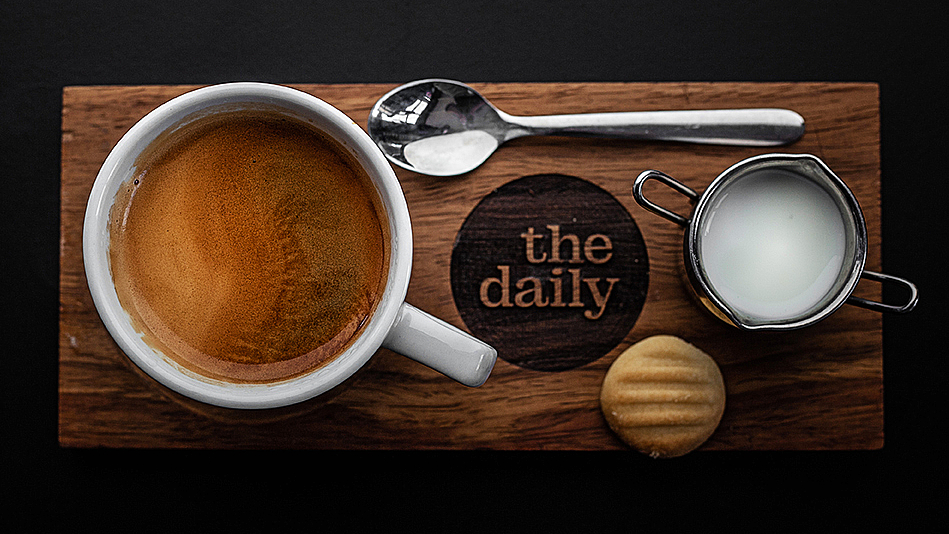 Freshly roasted beans ground immediately before brewing preserve maximum aroma and flavor.
Credit: thedailycoffeecafe.co.za
Freshly roasted beans ground immediately before brewing preserve maximum aroma and flavor.
Credit: thedailycoffeecafe.co.za
Water Quality and Temperature: The Underrated Flavor Driver
Water makes up 98% of a brewed cup of coffee, so its quality has an outsized impact on final flavor. Even the best beans will taste dull if brewed with low-quality water or the wrong temperature.
Ideal Brewing Temperature
The Specialty Coffee Association recommends a brewing temperature of 195–205°F (90–96°C) for optimal extraction. Water above 205°F scorches coffee grounds, releasing bitter, burnt compounds, while water below 195°F fails to extract enough soluble solids, leading to sour, weak coffee. If you don’t have a temperature-controlled kettle, bring water to a rolling boil, then let it sit for 30 seconds before pouring.
Why Filtered Water Makes a Difference
Tap water often contains chlorine, high mineral content (hard water), or impurities that alter flavor: chlorine adds a chemical aftertaste, while overly hard water can leave a chalky residue and mute bright, fruity notes. For official guidance on at-home water filtration, the U.S. Environmental Protection Agency offers clear recommendations for improving tap water quality. If you have very soft water, add a small pinch of mineral-rich sea salt to your brew water to enhance flavor extraction — a trick used by many third-wave coffee shops.
Water-to-Coffee Ratio: The Golden Standard
For evidence-based brew ratios and extraction guidelines, refer to the Specialty Coffee Association’s official brewing standards. The SCA’s standard ratio is 1:16 (1 gram of coffee per 16 grams of water) for a balanced, well-extracted cup. For a stronger brew, use 1:14; for a lighter, more tea-like cup, use 1:18. Always measure by weight, not volume: 1 tablespoon of coffee weighs ~5 grams, but this varies wildly based on grind size and bean density, so a kitchen scale is the only way to get consistent results. Finding the right balance of strength and flavor is just as important as getting the ratio right for creamy microwave mac and cheese.
Brewing Methods: Find the Right Fit for Your Taste
No single brew method is "best" — each highlights different flavor notes and suits different routines. Experiment to find the one that matches your taste preferences and schedule.
Pour-Over (V60, Kalita Wave)
This manual method gives you full control over pour speed, water temperature, and bloom time (the 30-second rest after adding water to release trapped CO2). It produces a clean, bright, nuanced cup with low body, ideal for single-origin light and medium roasts. It requires a small amount of practice, but is affordable, low-waste, and perfect for making 1–2 cups at a time.
French Press
The immersion method steeps coarse grounds in hot water for 4–5 minutes before pressing a metal mesh filter down to separate the liquid. It allows natural coffee oils and fine particles into the cup, creating a full-bodied, rich, heavy brew with a silky mouthfeel. It’s low-effort and great for bold, dark roasts, but can leave sediment in the cup if not pressed properly.
Espresso
This high-pressure method forces 90°C water through finely ground coffee at 9 bars of pressure for 25–30 seconds, producing a 1–2 ounce concentrated shot with a thick, golden crema. It’s the base for lattes, cappuccinos, and Americanos, and highlights bold, sweet flavor notes. It requires an espresso machine, which is a larger investment, but is unmatched for milk-based drinks.
Drip Coffee Maker
Automatic drip machines are the most convenient option for everyday use, heating water and dripping it over medium-ground coffee in a filter. Modern specialty-focused drip machines (like those from OXO or Breville) allow you to control temperature and brew time for consistent results, making them a great option for busy households. If you prefer low-effort, consistent brews for busy mornings, you might also enjoy our guides to simple slow cooker meals for hands-off cooking.
Cold Brew
Steeping coarse grounds in cold or room-temperature water for 12–18 hours produces a low-acidity, smooth, sweet concentrate that can be diluted with water or milk. It’s perfect for people who dislike bitter coffee, and can be stored in the fridge for up to 2 weeks.
Troubleshooting Common Coffee Mistakes
Even with the best beans and equipment, small errors can ruin a cup. Use this quick reference to fix common issues:
| Problem | Likely Cause | Fix |
|---|---|---|
| Bitter, burnt taste | Water too hot, over-extraction, dark roast ground too fine | Lower water temp to 200°F, use a coarser grind, shorten brew time by 30 seconds |
| Sour, weak taste | Water too cold, under-extraction, light roast ground too coarse | Raise water temp to 205°F, use a finer grind, extend brew time by 30 seconds |
| Flat, stale flavor | Old beans, improper storage | Buy beans roasted within the last 2 weeks, store in an airtight opaque container |
| Chalky, muted flavor | Hard water, over-filtered water | Use filtered water, add a pinch of sea salt if water is very soft |
| Too much sediment | French press pressed too late, pour-over filter too porous | Press French press immediately after steeping, use a tighter paper filter for pour-over |
Tasting and Adjusting to Your Taste
Great coffee is personal — what one person finds perfect, another may find too bold or too bright. Learning to identify flavor notes and tweak your brew to match your preferences is the final step to making your perfect cup every time.
Identifying Flavor Notes
Start by taking small sips and letting the coffee coat your tongue before swallowing. Pay attention to the first flavor you notice, the mid-palate, and the aftertaste. Common notes include:
- Acidity: Bright, tangy notes like citrus or berry (desirable in light and medium roasts)
- Sweetness: Caramel, chocolate, honey, or stone fruit notes (indicates well-developed roast and proper extraction)
- Bitterness: Dark chocolate, smoke, or burnt notes (desirable in small amounts in dark roasts, but a sign of over-extraction if harsh)
- Body: The weight of the coffee on your tongue, ranging from light and tea-like to thick and syrupy Learning to pick out subtle coffee notes is a skill that translates to all your favorite recipes, from classic whiskey sours to baked goods.
Tweaking Your Brew for Perfect Flavor
Once you identify what you like or dislike about your cup, make small, incremental changes to adjust:
- Too bitter? Use a coarser grind, lower water temperature by 5°F, or shorten brew time by 15–30 seconds.
- Too sour? Use a finer grind, raise water temperature by 5°F, or extend brew time by 15–30 seconds.
- Too weak? Increase your coffee dose by 1–2 grams, or decrease water volume.
- Too strong? Decrease your coffee dose, or add a small amount of hot water. Keep a simple notebook of your adjustments and the resulting flavor to dial in your perfect formula over time.
Storing Coffee to Preserve Freshness
Proper storage is the easiest way to avoid stale, flat coffee. The two biggest enemies of fresh coffee are air and moisture, which speed oxidation and staling.
Avoiding Air and Moisture
Oxygen causes coffee to oxidize, losing its bright, aromatic compounds and developing flat, cardboard-like flavors, while moisture can cause mold growth and ruin texture. To protect your beans:
- Store coffee in a cool, dry pantry, away from direct sunlight, the stove, or other heat sources
- Keep the bag tightly sealed after each use, or transfer beans to an opaque, airtight container
- Avoid storing coffee in the fridge or freezer, as temperature fluctuations cause condensation that speeds staling
Choosing the Right Storage Container
The best coffee containers have three key features:
- Opaque walls to block light, which degrades coffee quality
- A one-way CO2 valve that lets trapped gas escape without letting oxygen in
- An airtight seal to lock out air and moisture Proper storage extends the life of all your pantry staples, just like these tips for preserving fresh apples. If you buy coffee in bulk, consider dividing it into smaller, airtight portions and storing them in a cool, dark place to avoid repeated exposure to air.
Frequently Asked Questions
What defines the flavor of great coffee?
Great coffee flavor is the result of balanced extraction: the right combination of bean quality, roast level, grind size, water temperature, and brew time. No single factor dominates — even the best beans will taste dull if brewed with low-quality water or the wrong grind size.
How important is coffee bean freshness?
Extremely. Coffee beans release 70% of their aromatic compounds within the first 7 days after roasting, and staling accelerates exponentially after 30 days. Stale beans taste flat, cardboard-like, and lack the bright, complex notes of freshly roasted coffee. For peak flavor, buy beans from a local roaster with a visible roast date, and use them within 2–3 weeks of roasting.
Which brewing method makes the best coffee?
There is no single "best" method — it depends on your taste preferences and routine. Pour-over is ideal for nuanced, clean cups of single-origin coffee; French press is perfect for bold, full-bodied brews; espresso is unmatched for milk-based drinks; and automatic drip is the most convenient for everyday use.
Does water quality really affect coffee taste?
Yes, water makes up 98% of a brewed cup of coffee, so its quality has an outsized impact on flavor. Chlorine in tap water adds a chemical aftertaste, while hard water (high in calcium and magnesium) can mute bright, fruity notes and leave a chalky residue. Filtered water is the easiest way to improve your cup’s clarity and balance.
Can I make great coffee with cheap equipment?
Absolutely. While high-end espresso machines and grinders offer more control, you can make exceptional coffee with a $20 pour-over cone, a $30 burr grinder, and filtered water. The most important investments are fresh beans and a consistent grind, not expensive gear.
Conclusion
Perfect coffee is deeply personal — what works for a friend who loves bright, fruity light roasts may not work for you if you prefer bold, chocolatey dark roasts. The key to consistent, delicious cups is to experiment with the variables we covered: adjust your grind size, tweak your water temperature, try new origins or processing methods, and keep notes on what you love. Remember that small, consistent changes make the biggest difference: grinding your beans right before brewing, using filtered water, and matching your grind size to your brew method will transform your cup far more than buying the most expensive beans or equipment. For more tips on building a delicious, intentional daily routine, browse our full library of kitchen guides for everything from quick weeknight dinners to cast iron maintenance tips. Your perfect cup is just a few small adjustments away.

Hi, I’m Daniel Brooks—a food lover and kitchen gear enthusiast. I enjoy testing cookware, utensils, and gadgets to see what really works in everyday cooking. At PlugChef.com, I share honest reviews, comparisons, and simple guides to help you choose the best tools for a safer, smarter, and more enjoyable kitchen.
Related posts:
 How to Make a Fruit Basket for a Gift: Easy DIY Guide
 Do You Need a Basket? Essential Guide for Air Fryers
 Affresh Kitchen And Appliance Cleaner W10355010: Ultimate Guide
 Kitchen Color Ideas With White Appliances: Stunning Combinations
 How to Clean Drains Outside: Easy Steps for a Clog-Free Yard
 Baking Soda Uses Beyond Cooking: The Ultimate Multi-Purpose Guide

