
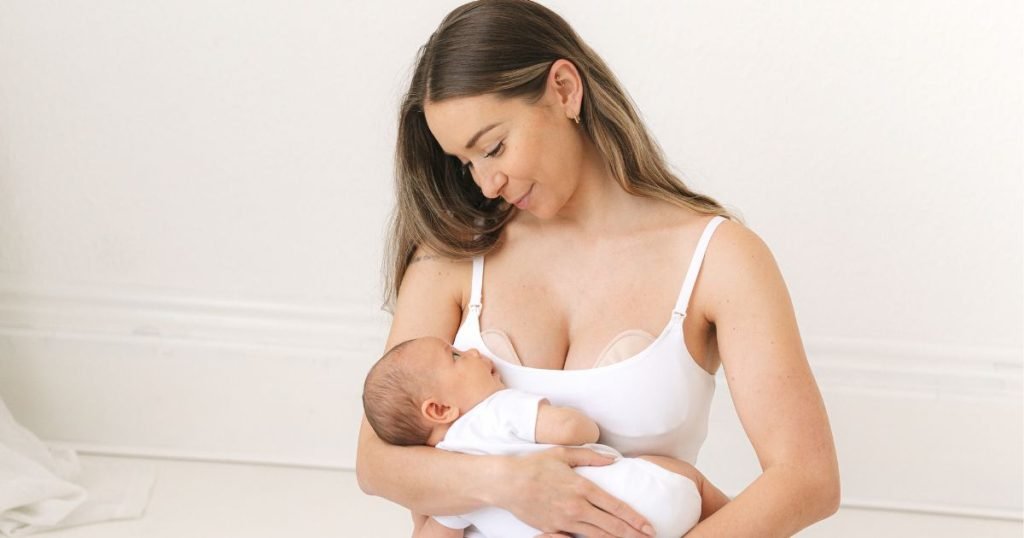
Have you ever stopped to wonder what your mum really smells like? It’s more than just a scent—it’s a feeling that wraps around you like a warm hug.
That familiar smell can bring comfort, memories, and a sense of safety like nothing else. You’ll discover why your mum’s scent is so special and how it connects deeply with your emotions and memories. Keep reading, because what you learn might change the way you think about those little moments with your mum forever.
The Power Of Scent And Memory
The power of scent is deeply linked to how memory works. Smells can bring back strong feelings and clear images from the past. This is because the brain’s scent center is closely connected to the areas that store memories and emotions. A simple smell can make us feel comforted, happy, or even nostalgic.
Many people find that the scent of their mum is unforgettable. It often carries warmth and safety. This scent becomes a part of who we are and stays with us for life. Understanding this connection helps explain why the smell of mum feels so special.
How Smells Trigger Emotions
Smells can create instant emotional reactions. Our brain links certain scents with past experiences. For example, a mother’s perfume or the smell of her skin can bring calm and happiness. These scents are like emotional shortcuts, quickly bringing back feelings without needing words.
Our feelings tied to a scent can be strong because the olfactory bulb in the brain connects directly to the amygdala. The amygdala controls emotions. This direct link means smells can trigger emotions faster than other senses.
Scent And Early Childhood Bonds
In early childhood, babies learn to recognize their mother’s scent. This scent helps them feel secure and safe. The smell of a mother can soothe a crying baby and build trust.
As children grow, this bond through scent continues to strengthen. The familiar smell of mum often becomes a symbol of love and care. It helps children feel connected, even when they are apart.

Credit: keababies.com
Common Scents Associated With Mum
Mums often carry a unique blend of scents that feel warm and familiar. These smells can bring comfort and memories. Understanding common scents linked with mums helps capture their essence in words.
Natural Body Aroma
Every person has a natural body smell. A mum’s scent often feels soft and gentle. It can be a mix of clean skin, subtle sweat, and natural oils. This aroma is comforting and personal, creating a sense of closeness.
Perfumes And Lotions
Mums often wear favorite perfumes or body lotions. These scents add a sweet or floral touch. Popular choices include lavender, rose, vanilla, or citrus. These fragrances become part of her signature smell, making her presence more memorable.
Home And Household Smells
Many mums carry the scent of their home with them. It might include fresh laundry, baking bread, or a hint of cleaning products. These everyday smells create a cozy and inviting feeling. They remind us of care and love in daily life.
Cultural Variations In Maternal Scents
Mothers’ scents differ across cultures, shaped by diet, environment, and traditions. These unique smells comfort babies and create strong emotional bonds. Exploring these variations reveals how scent connects family and culture worldwide.
Cultural variations in maternal scents are as diverse as the world itself. The smell that reminds you of your mother can differ vastly depending on cultural influences, traditions, and personal experiences. Each scent carries a story, a memory, and a unique essence that is often tied to cultural heritage and lifestyle.Traditional Fragrances Around The World
In many Asian cultures, mothers often carry the scent of jasmine or sandalwood, as these are commonly used in daily rituals and personal care. In contrast, Mediterranean regions might associate maternal scents with the aromas of olive oil or fresh herbs, reflecting their rich culinary traditions. These traditional fragrances are deeply rooted in cultural practices, sometimes passed down through generations. Meanwhile, Western cultures might connect maternal scents to lavender or vanilla, frequently used in home products and perfumes. These fragrances provide comfort and familiarity, often reminding you of warm kitchens and cozy afternoons. Each scent paints a vivid picture of cultural identity and personal history.Impact Of Lifestyle And Environment
Lifestyle and environment play significant roles in shaping maternal scents. If your mother spends a lot of time gardening, her scent might blend with fresh earth and blooming flowers. On the other hand, a mother in an urban setting might carry the subtle hints of city life, like coffee or a hint of perfume from a bustling office. Environmental factors such as climate also contribute to these variations. In tropical climates, the scent of coconut oil might be prevalent, while colder regions might evoke memories of woolen fabrics and fireplaces. How does your environment influence the scent you associate with your mother? These cultural and environmental influences create a tapestry of scents that are as unique as the individuals they represent. They remind us that the essence of a mother is not just a universal concept but a personal and cultural experience that varies from one family to another.Science Behind Maternal Scent Recognition
The science behind maternal scent recognition reveals how babies identify their mothers by smell. This natural connection helps newborns feel safe and secure. Understanding this bond sheds light on early emotional and physical development.
Olfactory System And Familiarity
The olfactory system controls the sense of smell. It is highly sensitive at birth. Babies quickly learn to recognize familiar scents, especially their mother’s. This recognition happens because the brain links smell with comfort and safety.
Newborns respond strongly to their mother’s unique odor. This scent includes skin oils, sweat, and natural body chemicals. These smells create a familiar and calming environment for the baby.
Studies On Mother-infant Scent Bonding
Research shows infants prefer their mother’s scent over others. Experiments involve placing cloths worn by mothers near babies. Babies often turn their heads or show calm behavior toward these smells.
Scientists believe this scent bonding supports breastfeeding and emotional attachment. It helps babies reduce stress and promotes healthy growth. The bond through smell is an essential part of early life.
Personal Stories And Sentimental Aromas
Smell has a powerful way of connecting us to people and moments, especially when it comes to your mum. Personal stories tied to her unique scent often bring back vivid memories and emotions. These scents can offer comfort and a sense of closeness, even when she is far away.
Memories Linked To Mum’s Smell
Think about the times when a particular fragrance immediately reminded you of your mum. Maybe it was the scent of her shampoo, the lotion she always wore, or even the aroma of freshly baked cookies in her kitchen. These smells often trigger flashbacks of childhood, laughter, or quiet moments shared together.
One person shared how the smell of lavender soap instantly took them back to weekend visits at their mum’s house. It wasn’t just the scent; it was the feeling of safety and love wrapped up in those simple moments. What smells bring your mum to mind?
The Comfort Of Familiar Scents
When life feels overwhelming, familiar scents linked to your mum can soothe your mind and heart. Wearing her perfume or using a blanket that carries her scent can reduce stress and provide emotional support. These small sensory connections remind you that you’re not alone.
- Keep a piece of her clothing or a scarf that carries her scent.
- Use her favorite scented candle during tough days.
- Spray a little of her perfume on your pillow before sleep.
Have you noticed how a familiar smell can instantly calm your nerves or lift your spirits? Your mum’s scent may be one of the most powerful tools you have for emotional comfort.

Credit: www.thebump.com
Preserving And Evoking Maternal Scents
Maternal scents hold a unique place in our memories. These smells carry comfort and warmth that words cannot fully describe. Preserving and evoking these scents helps keep the bond alive, even from a distance. It can bring peace, joy, and a sense of closeness anytime you need it.
Using Scented Items For Connection
Scented items create a strong link to a mother’s presence. Common objects include:
- Perfume or body lotion she often wears
- Clothing with her natural scent
- Favorite scented candles or soaps
- Essential oils with floral or herbal notes
These items act like anchors, bringing back memories instantly. Keeping them nearby helps maintain emotional ties. Sharing these scents with others can also deepen connections across generations.
Creating Lasting Aromatic Memories
Memory forms quickly through scent. Creating aromatic memories can involve:
- Spraying a familiar perfume on a scarf
- Storing clothing in sealed bags to keep scent fresh
- Using scent diffusers with her favorite fragrances
- Making personalized scent sachets for drawers or rooms
These small actions make the scent last longer. Over time, the smell becomes a comforting reminder of love and care. Such practices help preserve the essence of a mother’s presence forever.

Credit: www.noteology.com
Frequently Asked Questions
What Does Mum Typically Smell Like?
Mum often smells like a comforting blend of warmth and familiarity. This scent can include natural body aroma, favorite perfumes, and homey scents like fresh laundry or baking.
Why Is A Mum’s Scent Emotionally Significant?
A mum’s scent triggers strong emotional bonds. It often evokes feelings of safety, love, and nostalgia, connecting us deeply to childhood memories and comfort.
How Does A Mum’s Smell Affect A Child’s Development?
A mum’s smell helps soothe and calm babies. It fosters attachment, reduces stress, and strengthens the emotional connection between mother and child.
Can Mum’s Scent Vary Between Cultures?
Yes, mum’s scent varies due to cultural habits. Different diets, perfumes, and home environments influence the unique smell associated with mothers worldwide.
Conclusion
A mum’s smell is warm, comforting, and full of love. It brings back special memories and feelings. This scent is unique for everyone, tied to moments shared. It stays in the heart long after the hug ends. That smell reminds us of care and safety.
It’s simple but powerful, connecting us to mum in a special way. Everyone experiences it differently, yet it always feels like home.

Hi, I’m Daniel Brooks—a food lover and kitchen gear enthusiast. I enjoy testing cookware, utensils, and gadgets to see what really works in everyday cooking. At PlugChef.com, I share honest reviews, comparisons, and simple guides to help you choose the best tools for a safer, smarter, and more enjoyable kitchen.
Related posts:
 What Type of Cooking Utensils are Safe: Expert Picks
 What Innovations Could Blenders Make: Unleashing Future Tech
 Smart Strategies to Organize a Small Kitchen: Maximize Space
 How to Organize a Kitchen Cabinet: Expert Tips & Tricks
 How to Organize Kitchen Drawers: Expert Tips and Tricks
 How to Organize a Corner Kitchen Cupboard: Expert Tips

