
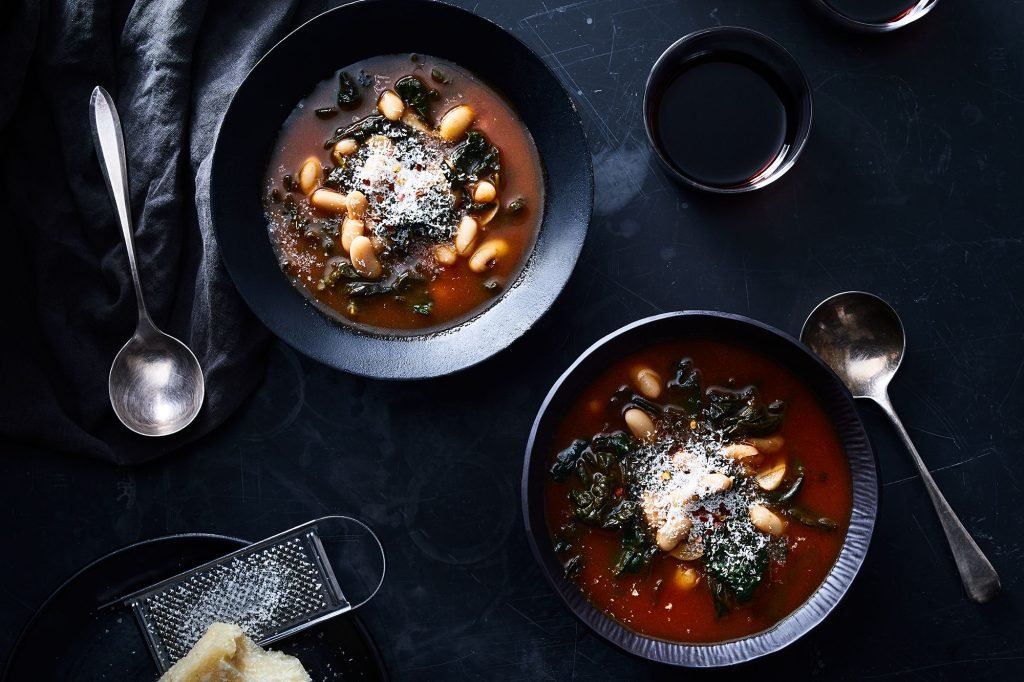
Looking for a hearty meal that’s both healthy and delicious? Kale and cannellini bean stew is exactly what your kitchen needs.
This simple, comforting dish packs a punch with nutritious greens and creamy beans that will keep you full and satisfied. Whether you’re cooking for yourself or your family, this stew is easy to make and perfect for any day of the week.
Keep reading, and you’ll discover how to create a flavorful stew that warms your soul and fuels your body.
Ingredients For The Stew
The ingredients for Kale and Cannellini Bean Stew create a hearty and healthy meal. Each component adds unique flavor and texture. Choosing the right ingredients ensures a rich and tasty stew.
Fresh Kale Selection
Pick kale with dark green leaves and firm stems. Avoid yellow or wilted leaves. Curly kale or dinosaur kale works well. Wash thoroughly to remove dirt and grit. Chop the leaves into bite-sized pieces for easy cooking.
Choosing Cannellini Beans
Cannellini beans are creamy and mild. Use canned beans for convenience or dry beans soaked overnight. Rinse canned beans to reduce salt. Cook dry beans until tender before adding to the stew. They add protein and a smooth texture.
Additional Vegetables And Herbs
Onions, garlic, and carrots build the stew’s base. Tomatoes add a slight tang and color. Fresh herbs like rosemary or thyme enhance aroma. Use fresh or dried herbs depending on availability. These ingredients bring depth and balance to the stew.
Spices And Seasonings
Simple spices make the stew flavorful. Black pepper and sea salt are essential. Add smoked paprika for a subtle smoky taste. A pinch of red chili flakes adds warmth. Adjust spices to your taste for the perfect blend.

Credit: casadesuna.com
Preparing The Ingredients
Getting your ingredients ready is a crucial part of making a delicious Kale and Cannellini Bean Stew. How you prepare each element affects the flavor and texture of the final dish. Paying attention to simple details can elevate your stew from ordinary to memorable.
Washing And Chopping Kale
Start by rinsing the kale leaves thoroughly under cold water. This removes any dirt or grit that might ruin the texture of your stew.
After washing, remove the tough stems by cutting along each side of the stem with a sharp knife. Chop the leaves into bite-sized pieces. This helps the kale cook evenly and blend well with the beans.
Soaking And Cooking Beans
Cannellini beans need soaking to reduce cooking time and improve digestibility. Place the beans in a large bowl and cover them with plenty of water—at least three times their volume.
Let them soak for 8 to 12 hours or overnight. If you’re short on time, a quick soak method works too: boil the beans for 2 minutes, then let them sit covered for an hour.
Drain and rinse the beans before cooking. Simmer them gently until tender, which usually takes about 1 to 1.5 hours. Avoid rushing this step; undercooked beans can be tough and hard to digest.
Prepping Aromatics And Vegetables
Chop your onions, garlic, and any other vegetables like carrots or celery finely. These aromatics build the stew’s flavor base and should be ready to add as soon as you start cooking.
Consider roasting garlic beforehand for a sweeter, mellow taste. It’s a small step that can make a surprising difference in your stew’s depth.
Keep your vegetables uniform in size to ensure they cook evenly. Are you ready to bring these fresh, prepared ingredients together for a hearty, comforting meal?
Cooking The Stew
Simmer kale and cannellini beans slowly to blend flavors and soften ingredients. Stir occasionally to prevent sticking and ensure even cooking. This gentle cooking creates a warm, hearty stew full of taste and texture.
Cooking the perfect Kale and Cannellini Bean Stew brings warmth and comfort. This dish is a delightful balance of health and taste. Follow these simple steps for a delicious stew.Sautéing Aromatics
Begin by heating olive oil in a large pot. Add chopped onions and minced garlic. Cook until they are soft and fragrant. This creates a flavorful base for the stew.Combining Ingredients
Add chopped kale to the pot. Stir until it wilts slightly. Pour in vegetable broth and canned cannellini beans. The beans should be drained and rinsed well. Mix everything to combine the flavors.Simmering For Flavor
Bring the mixture to a gentle boil. Lower the heat to simmer. Let it cook for about 25 minutes. This allows the ingredients to meld beautifully.Adjusting Seasonings
Taste the stew and adjust the salt and pepper. Add a pinch of chili flakes for a spicy kick, if desired. Stir well and serve hot.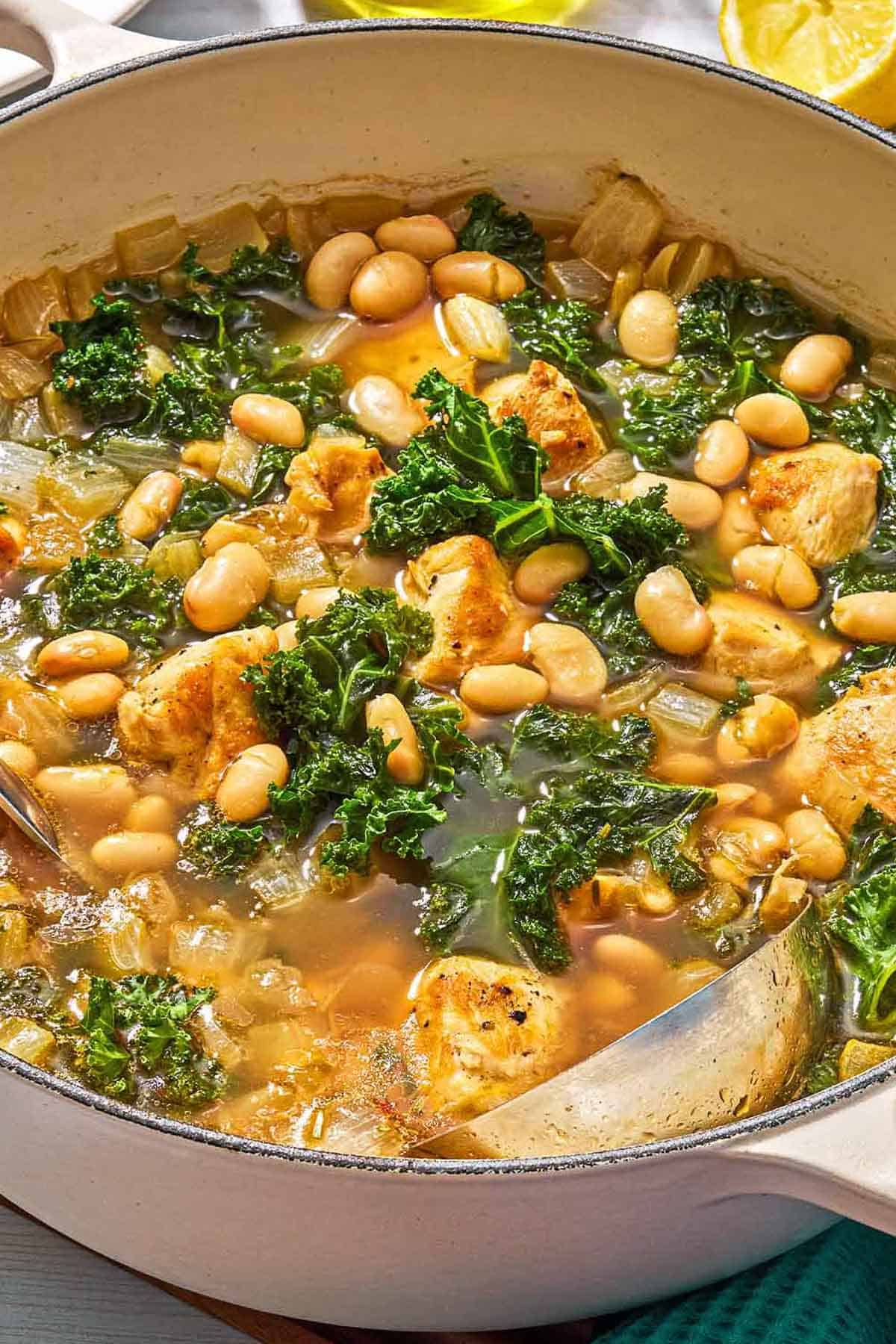
Credit: www.themediterraneandish.com
Nutritional Benefits
The Kale and Cannellini Bean Stew offers a powerful mix of nutrients. It supports energy, digestion, and overall health. This dish blends the benefits of kale and beans for a nutritious meal.
Health Benefits Of Kale
Kale is rich in vitamins A, C, and K. These vitamins help boost the immune system and improve bone health. It also contains antioxidants that fight harmful free radicals. Kale is low in calories but high in fiber. This helps with digestion and keeps you full longer.
Protein And Fiber In Cannellini Beans
Cannellini beans provide a good source of plant-based protein. Protein helps build and repair muscles. These beans also have high fiber content. Fiber improves digestion and helps control blood sugar levels. Eating beans supports heart health and reduces cholesterol.
Overall Nutritional Value
- Low in fat and calories
- High in vitamins and minerals
- Rich in antioxidants
- Good source of plant protein
- Supports healthy digestion
This stew is ideal for a balanced diet. It nourishes the body and keeps you energized.
Serving Suggestions
Serving kale and cannellini bean stew is a chance to enhance its hearty flavors and create a complete meal experience. How you present and accompany this dish can make a big difference in enjoyment. Let’s look at some practical ways to serve it that bring out the best in every bite.
Pairing With Breads And Sides
A crusty bread is your best friend with this stew. Think about a warm sourdough or a rustic ciabatta to soak up the rich broth. Garlic bread or even a simple baguette sliced thickly adds a satisfying crunch and flavor contrast.
For sides, a fresh green salad with a tangy vinaigrette cuts through the stew’s richness. Roasted root vegetables or a light quinoa salad also complement the texture and taste nicely. What simple side would you add to balance the stew’s depth?
Garnishing Ideas
Fresh garnishes turn this stew from everyday to memorable. Sprinkle chopped fresh parsley or basil to add a burst of color and freshness. A dollop of Greek yogurt or a drizzle of good olive oil can add creaminess and richness without overpowering.
For a spicy kick, try a few red pepper flakes or a swirl of harissa. Toasted pine nuts or pumpkin seeds add a pleasant crunch and nutty flavor that contrasts nicely with the soft beans and kale. What garnish would make you excited to dig in?
Storing And Reheating
This stew tastes even better the next day, making it perfect for meal prep. Store it in an airtight container in the fridge for up to 4 days. Freezing in portions works well if you want to keep it longer.
When reheating, warm it gently on the stove or in the microwave. Add a splash of water or broth to loosen the stew if it has thickened. Have you noticed how some stews develop deeper flavors after sitting overnight?
Variations To Try
There’s a lot of room to experiment with your Kale and Cannellini Bean Stew. Small changes can bring new flavors and textures to the table. You might find a favorite twist that suits your taste perfectly or adapts better to what you have on hand.
Adding Different Vegetables
Try mixing in vegetables like sweet potatoes, carrots, or bell peppers for added color and sweetness. Mushrooms can add a meaty texture that makes the stew heartier. Don’t hesitate to toss in some frozen peas or corn for a pop of freshness and crunch.
Think about what vegetables you enjoy most or what’s in season. Have you ever tried roasted butternut squash in your stew? It can give a lovely, creamy contrast to the leafy kale.
Using Alternative Beans
Cannellini beans are great, but you can swap them out for chickpeas, navy beans, or even black beans. Each type changes the flavor and texture slightly—black beans add earthiness, while chickpeas bring a nutty taste. This switch can keep the stew feeling new every time you make it.
Consider what beans you already have stocked. Have you noticed how chickpeas hold their shape better, giving the stew a chunkier bite? Using canned beans also speeds up your prep time without losing flavor.
Spicing It Up
Adding spices can transform the stew’s character completely. A pinch of smoked paprika or a dash of cayenne pepper can add warmth and depth. Fresh herbs like thyme or rosemary bring out the earthiness of the beans and kale.
How about experimenting with a bit of curry powder or cumin for a different twist? You don’t need much—start small and taste as you go. This way, your stew can be mild or fiery, depending on your mood.
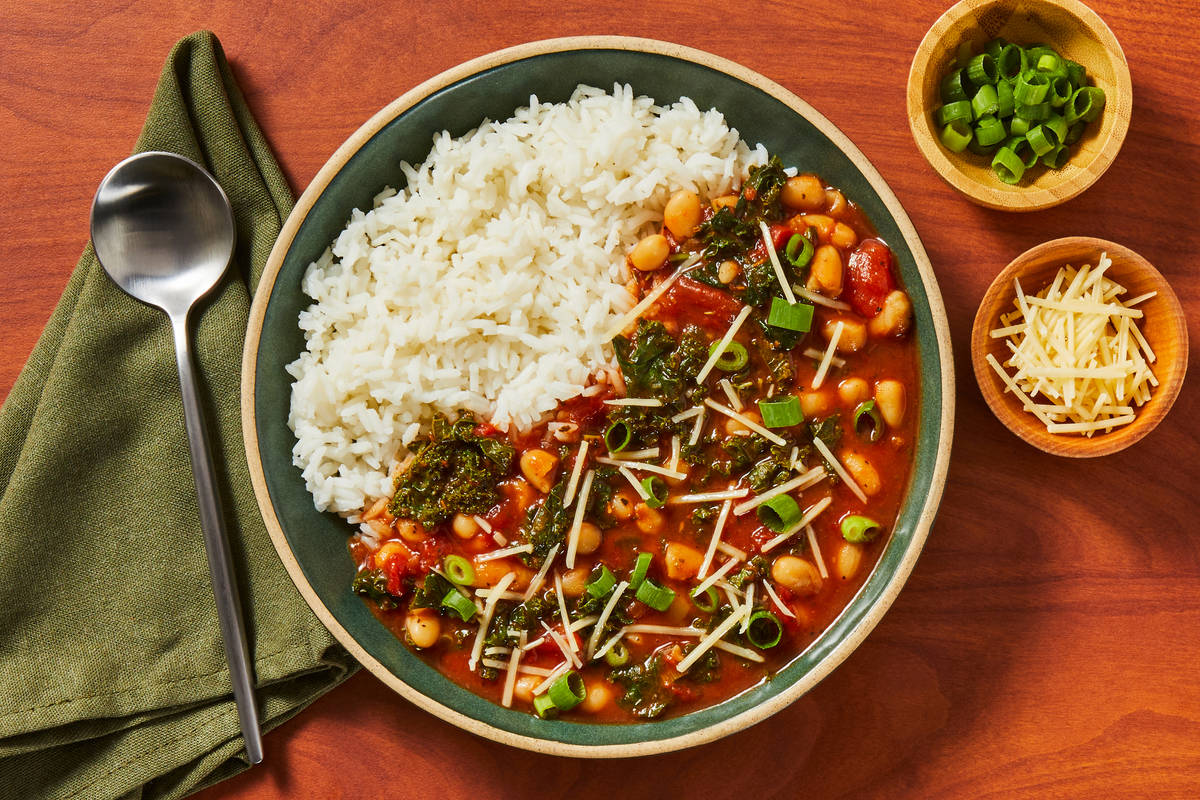
Credit: www.hellofresh.com
Frequently Asked Questions
What Are The Health Benefits Of Kale And Cannellini Bean Stew?
Kale and cannellini bean stew is rich in fiber, protein, and antioxidants. It supports digestion, heart health, and boosts immunity. The stew is low in calories and high in vitamins A, C, and K, making it a nutritious, wholesome meal option.
How Do You Make Kale And Cannellini Bean Stew?
To make the stew, sauté onions and garlic, add chopped kale, cannellini beans, and vegetable broth. Simmer until kale is tender. Season with herbs, salt, and pepper. Serve hot, garnished with Parmesan or lemon zest for extra flavor.
Can Kale And Cannellini Bean Stew Be Frozen?
Yes, kale and cannellini bean stew freezes well. Cool the stew completely, then store in airtight containers. It keeps fresh for up to 3 months. Reheat gently on the stove or microwave, stirring occasionally for even heating.
Is Kale And Cannellini Bean Stew Suitable For Vegans?
This stew is naturally vegan when made with vegetable broth and no animal products. Avoid adding cheese or butter to keep it fully plant-based. It’s a hearty, protein-rich meal perfect for vegan diets.
Conclusion
Kale and cannellini bean stew offers warmth and nutrition in every bowl. This dish is easy to make and full of flavor. It suits busy days or relaxed meals at home. The ingredients are simple and healthy for your body.
Try this stew to enjoy a tasty, wholesome meal. You will find comfort and satisfaction in each spoonful. Perfect for anyone who loves good food and easy cooking. Give it a try and savor the goodness.

Hi, I’m Daniel Brooks—a food lover and kitchen gear enthusiast. I enjoy testing cookware, utensils, and gadgets to see what really works in everyday cooking. At PlugChef.com, I share honest reviews, comparisons, and simple guides to help you choose the best tools for a safer, smarter, and more enjoyable kitchen.
Related posts:
 What Type of Cooking Utensils are Safe: Expert Picks
 What Innovations Could Blenders Make: Unleashing Future Tech
 Smart Strategies to Organize a Small Kitchen: Maximize Space
 How to Organize a Kitchen Cabinet: Expert Tips & Tricks
 How to Organize Kitchen Drawers: Expert Tips and Tricks
 How to Organize a Corner Kitchen Cupboard: Expert Tips

