
Stainless steel is a staple in modern kitchens, appliances, sinks, and fixtures for its sleek look and durability, but it’s notoriously prone to fingerprints, hard water spots, and surface rust that can dull its finish in weeks. You may have a can of WD-40 sitting in your toolbox or under your sink already, but you might not realize it’s one of the most effective, low-effort solutions for restoring and protecting stainless steel surfaces without harsh chemicals or expensive specialty cleaners. If you’re also focused on keeping all your kitchen surfaces in top condition, proper food-contact care for cutting boards is just as important as maintaining your stainless steel.
This ultimate guide covers everything you need to know to use WD-40 safely on stainless steel, including step-by-step cleaning and rust removal instructions, long-term maintenance tips, honest trade-offs to avoid damage, and answers to the most common questions about this versatile product. Whether you’re tackling a grimy refrigerator, a spotted kitchen sink, or rusted outdoor stainless steel furniture, these actionable steps will help you get a streak-free shine fast.
Why WD-40 Works for Stainless Steel
WD-40 is often dismissed as just a lubricant for squeaky hinges, but its unique formulation makes it surprisingly effective for stainless steel care when used correctly.
The Science Behind the Formula
Stainless steel’s signature rust resistance comes from a thin, self-healing chromium oxide layer that forms on its surface; according to the leading global authority on stainless steel applications, the Nickel Institute, this layer can be compromised by abrasive cleaners, chlorine, or prolonged moisture exposure, leading to surface rust. WD-40’s proprietary blend of petroleum-based lubricants, penetrating solvents, and anti-corrosion additives is designed to dissolve grease and grime without scrubbing, displace moisture that causes rust, and leave a thin, invisible protective barrier that repels future smudges and slows corrosion.
Unlike harsh abrasive cleaners that can scratch or wear down the chromium layer, WD-40 works by lifting dirt from the surface rather than scraping it away, making it safe for most standard stainless steel finishes when used in small amounts.
Key Benefits Over Traditional Cleaners
- Eliminates streaks left by many glass and all-purpose surface cleaners
- Lifts stubborn grease, fingerprints, and stuck-on grime without harsh scrubbing
- Leaves a thin moisture barrier that repels future smudges and slows rust formation
- Safe for most standard stainless steel finishes when used correctly and in small amounts
- Multi-use: one product can clean, polish, and protect stainless steel surfaces across your home
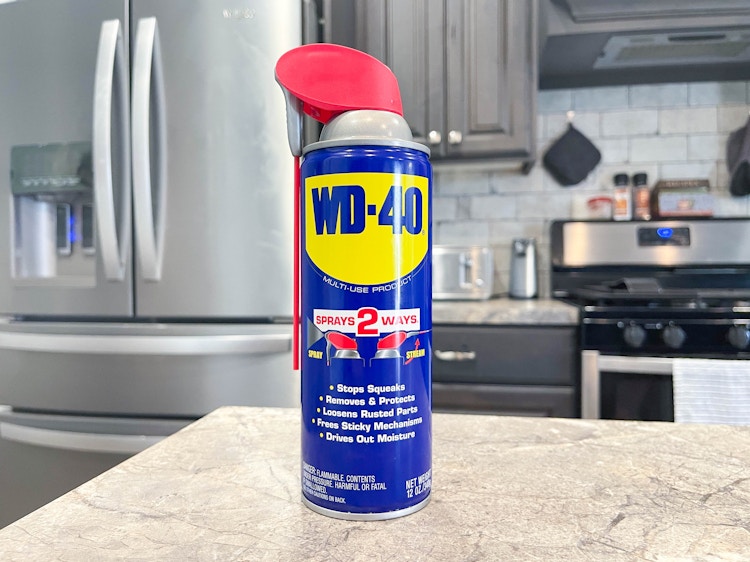 Microfiber cloths prevent scratching when cleaning delicate stainless steel finishes
Credit: thekrazycouponlady.com
Microfiber cloths prevent scratching when cleaning delicate stainless steel finishes
Credit: thekrazycouponlady.com
Preparing Stainless Steel for WD-40 Cleaning
Proper preparation ensures you get the best results without damaging your surfaces, and avoids common mistakes that lead to streaks or finish damage.
Gather Your Supplies
Collect all materials before you start to avoid interruptions and keep your work area organized:
- WD-40 standard spray
- 2 clean microfiber cloths (one for application, one for buffing)
- Mild dish soap
- Warm water
- Non-abrasive sponge or soft-bristled brush (for textured finishes)
- Nitrile gloves (optional, for sensitive skin)
- Paper towels (for spot drying)
Test for Finish Compatibility
This critical step is missing from most basic WD-40 guides: many modern stainless steel appliances, sinks, and fixtures have a clear protective coating, heavily brushed texture, or intentional decorative patina that can be damaged by WD-40’s solvents. To test, spray a small amount of WD-40 on a hidden spot (such as the inside of a cabinet door, the bottom of an appliance base, or an inconspicuous area of a sink) and let it sit for 5 minutes. Wipe it off with a clean cloth and check for discoloration, clouding, or finish lifting. If the area looks unchanged, it’s safe to proceed.
Safety Precautions
WD-40 contains flammable petroleum distillates, so proper safety steps are non-negotiable:
- Work in a well-ventilated area: open windows, turn on exhaust fans, or work outdoors to avoid inhaling fumes
- Keep away from open flames, sparks, pilot lights, and hot surfaces (WD-40 is highly flammable when aerosolized)
- Wear nitrile gloves if you have sensitive skin to avoid irritation from solvents
- Keep children and pets out of the cleaning area until the surface is fully wiped and aired out As noted by OSHA, aerosol products pose unique inhalation and fire risks, so following these precautions keeps you safe while cleaning. To reduce the risk of slip-and-fall accidents while cleaning up water and cleaning supplies, placing water-resistant floor coverings near your work area adds an extra layer of safety.
Step-by-Step WD-40 Cleaning Process for Streak-Free Shine
The key to a perfect finish is light application, gentle wiping, and a thorough buff to remove all residue.
Apply WD-40 Evenly
Start by holding the WD-40 can 6-8 inches from the stainless steel surface and spray a light, even mist. Avoid soaking the area, as excess product leaves a sticky residue that attracts dirt. For large vertical surfaces like refrigerators, spray a small amount directly onto your application cloth first instead of the surface to control overspray. Spread the WD-40 evenly across the surface using slow, overlapping strokes, following the grain of the stainless steel (the direction of the brushed lines) to minimize streaks.
Lift Grime and Stains
Wipe the surface in slow, circular motions with your application cloth to lift fingerprints, smudges, and light grease. For stuck-on food, hard water spots, or dried spills, let the WD-40 sit for 1-2 minutes to penetrate the grime before wiping. For textured stainless steel (like kitchen sinks with a brushed finish), use a soft-bristled toothbrush to work the WD-40 into grooves and hard-to-reach areas. Avoid aggressive scrubbing, which can scratch the finish.
Buff for a Polished Finish
Once all grime is lifted, switch to a clean, dry microfiber cloth and buff the entire surface in the direction of the grain. This step removes any leftover WD-40 residue, brings out the metal’s natural luster, and ensures a streak-free shine. For extra-high gloss on appliances, you can follow up with a dedicated stainless steel polish, but this is optional for most everyday cleaning needs.
 Common stainless steel blemishes include hard water spots, fingerprints, and minor rust corrosion
Credit: www.reliance-foundry.com
Common stainless steel blemishes include hard water spots, fingerprints, and minor rust corrosion
Credit: www.reliance-foundry.com
Removing Rust from Stainless Steel with WD-40
Rust on stainless steel is almost always surface-level and easily removable with WD-40 if caught early, before it causes permanent pitting.
Identify Rust Early
Rust on stainless steel is caused by exposure to chlorides (salty air, hard water, bleach-based cleaners) or prolonged moisture that breaks down the chromium oxide layer. It appears as small orange or brown patches that feel rough to the touch, most often near seams, edges, handles, or areas that are frequently wet. Catching rust early prevents it from pitting the metal, which requires professional repair.
Safe Rust Removal Steps
Follow these steps to remove light rust without damaging your stainless steel:
- Spray WD-40 directly onto the rust spot, saturating the affected area fully
- Let it sit for 10-15 minutes to penetrate the rust and loosen it from the metal
- Gently rub the area with a soft nylon brush or non-abrasive sponge, following the grain of the steel
- For heavy, caked-on rust, reapply WD-40 and let sit an additional 10 minutes, then scrub gently
- Rinse the area thoroughly with warm water and mild dish soap to remove all WD-40 residue
- Dry completely with a clean microfiber cloth to prevent new rust from forming
In practice, WD-40 works best on fresh, light surface rust; if the rust has caused deep pitting, you will need a dedicated stainless steel rust remover for full restoration.
Prevent Future Rust Formation
- Dry stainless steel surfaces immediately after cleaning, washing dishes, or exposure to water
- Avoid leaving wet sponges, dishcloths, or dishes sitting on stainless steel countertops or sinks
- For outdoor stainless steel furniture, grills, or tools, apply a thin layer of WD-40 every 2-3 months to create a moisture barrier
- Never use chlorine-based cleaners or steel wool on stainless steel, as these break down the protective chromium layer and accelerate rust
When to Skip WD-40 for Stainless Steel
WD-40 is a powerful tool, but it’s not appropriate for every stainless steel use case. Avoid using it in these scenarios to prevent damage:
Food-Contact Surfaces
WD-40 is not food-safe, so it should never be used directly on countertops, cookware interiors, or utensils that will touch food without thorough rinsing first. For regular daily cleaning of food-contact stainless steel, stick to mild dish soap and warm water.
Coated or Decorative Finishes
If your stainless steel has a clear protective coating, painted finish, or intentional patina (common on vintage appliances), WD-40’s solvents can dissolve the coating or cause discoloration. Always test first, and skip use if you notice any clouding or finish lifting.
Pitted or Heavy Corrosion
WD-40 only removes light surface rust; it will not restore stainless steel with deep pitting, flaking, or long-standing corrosion. For severe damage, use a dedicated stainless steel refinishing kit or consult a professional.
Routine Daily Cleaning
WD-40 is a spot treatment, not a daily cleaner. Frequent use can cause buildup that attracts dirt and leaves a sticky residue. Stick to mild soap and water for everyday cleaning, and reserve WD-40 for tough stains, rust, or periodic shine restoration.
WD-40 vs. Other Stainless Steel Cleaners
Commercial Stainless Steel Cleaners
Dedicated stainless steel cleaners are formulated specifically for the metal, often contain fine polishing agents that remove micro-scratches, and are food-safe for countertop use. They work faster for heavy grime and heavy water spots, but are more expensive than WD-40. WD-40 is a better all-purpose, budget-friendly option for light cleaning, rust prevention, and non-food-contact surfaces like appliance exteriors and sinks.
Natural Cleaning Alternatives
For eco-friendly or food-contact cleaning, vinegar and baking soda are effective, non-toxic options: vinegar dissolves grease and mineral deposits, while baking soda acts as a mild abrasive for stuck-on stains. Mix equal parts white vinegar and water in a spray bottle for everyday use, and make a thick paste of baking soda and water for tough spots. These options require more elbow grease than WD-40 for heavy rust, but they leave no chemical residue and are safe for all food-contact surfaces. For stubborn mineral deposits that don’t respond to WD-40, gentle limescale removal using this vinegar and baking soda method works well without abrasive scrubbing, the same technique used for cleaning glass vases and other kitchen glassware.
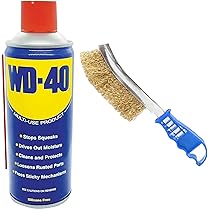 WD-40’s penetrating formula works to lift grime from textured stainless steel surfaces
Credit: www.amazon.ae
WD-40’s penetrating formula works to lift grime from textured stainless steel surfaces
Credit: www.amazon.ae
Long-Term Maintenance for Lasting Shine
Routine Cleaning Schedule
- Wipe down stainless steel surfaces with a soft, damp cloth and mild soap weekly to remove daily grime
- Dry immediately with a clean microfiber cloth to prevent water spots
- Use WD-40 monthly for high-traffic surfaces (sinks, refrigerator handles) to remove stubborn smudges and add a protective barrier
- Inspect outdoor stainless steel every 2-3 months for early signs of rust
Protective Measures
- Use trivets and silicone mats under hot pots and pans to avoid heat damage to stainless steel countertops
- Avoid storing heavy metal items directly against stainless steel surfaces to prevent scratches; using dedicated cookware storage that keeps pans separated protects the finish
- Wiping down small kitchen appliances like toasters and can openers after each use prevents grime buildup that can transfer to nearby stainless steel surfaces; consistent small appliance maintenance extends the life of all your kitchen tools
- Place mats or trays under wet dishes and sponges in sinks to avoid constant moisture exposure that leads to rust and water spots
Common Mistakes to Avoid
- Don’t overspray WD-40: a light mist is sufficient; excess product leaves a sticky residue that attracts fingerprints and dirt
- Don’t use abrasive scrubbers: steel wool, scouring pads, and harsh brushes scratch the stainless steel finish and damage the chromium oxide layer
- Don’t skip the buff: wiping on WD-40 without a final buff leaves streaks and leftover residue
- Don’t apply to hot surfaces: only use WD-40 on cool, dry stainless steel to avoid rapid evaporation or fire risk
- Don’t neglect rinsing food-contact surfaces: always wash cookware or countertops with soap and water after using WD-40 to remove all chemical residue before use
Frequently Asked Questions
Is WD-40 safe for all stainless steel finishes?
Most standard stainless steel finishes are compatible with WD-40, but always test on a hidden area first if your appliance has a clear coat, heavily brushed texture, or decorative finish. Avoid using it on coated or painted stainless steel unless the manufacturer explicitly states it is safe.
Can WD-40 remove scratches from stainless steel?
No, WD-40 will not remove deep scratches. It can temporarily fill in fine surface scratches to make them less visible, but for permanent scratch removal, you will need a dedicated stainless steel scratch remover kit or professional refinishing.
How often can I use WD-40 on stainless steel?
For spot treatments and rust removal, use as needed, typically 1-2 times per month for high-traffic surfaces like kitchen sinks. For protective coatings on outdoor stainless steel, reapply every 2-3 months. Avoid daily use to prevent product buildup.
Will WD-40 damage stainless steel appliances?
When used correctly (light application, thorough buffing, pre-testing for finish compatibility), WD-40 will not damage stainless steel. The main risk is residue buildup if you use too much product or fail to wipe it off fully, which can attract dirt and cause streaks.
Can I use WD-40 on stainless steel cookware?
Yes, but only for occasional deep cleaning of the exterior. Always rinse the cookware thoroughly with hot, soapy water after using WD-40 to remove all residue before cooking with it again. Never use WD-40 on the interior cooking surface of pots and pans.
Conclusion
WD-40 is a versatile, budget-friendly solution for cleaning, shining, and protecting stainless steel surfaces when used correctly. It outperforms many traditional cleaners for lifting fingerprints, hard water spots, and light rust without streaks or harsh scrubbing, and leaves a protective barrier that reduces future maintenance.
Remember to always test on a hidden spot first, use a light application, buff thoroughly, and reserve WD-40 for spot treatments rather than daily cleaning to avoid buildup. For food-contact surfaces, stick to mild soap and water, and skip use on coated or heavily corroded stainless steel to prevent damage.
Ready to restore your stainless steel surfaces? Grab a can of WD-40 and a microfiber cloth today to tackle water spots, fingerprints, and light rust in minutes. For more tips to keep your kitchen running smoothly and all your surfaces looking their best, check out our guide to long-lasting cutting board care for bamboo and wood options.

Hi, I’m Daniel Brooks—a food lover and kitchen gear enthusiast. I enjoy testing cookware, utensils, and gadgets to see what really works in everyday cooking. At PlugChef.com, I share honest reviews, comparisons, and simple guides to help you choose the best tools for a safer, smarter, and more enjoyable kitchen.
Related posts:
 How to Make a Fruit Basket for a Gift: Easy DIY Guide
 Do You Need a Basket? Essential Guide for Air Fryers
 How to Adjust Syrup Dispenser Pressure: Expert Tips
 Kitchen Cabinets With Black Appliances: Trendy Design Tips
 White Kitchen And Stainless Steel Appliances: A Perfect Duo
 Kitchen Colors With White Cabinets And White Appliances: Vibrant Ideas

