
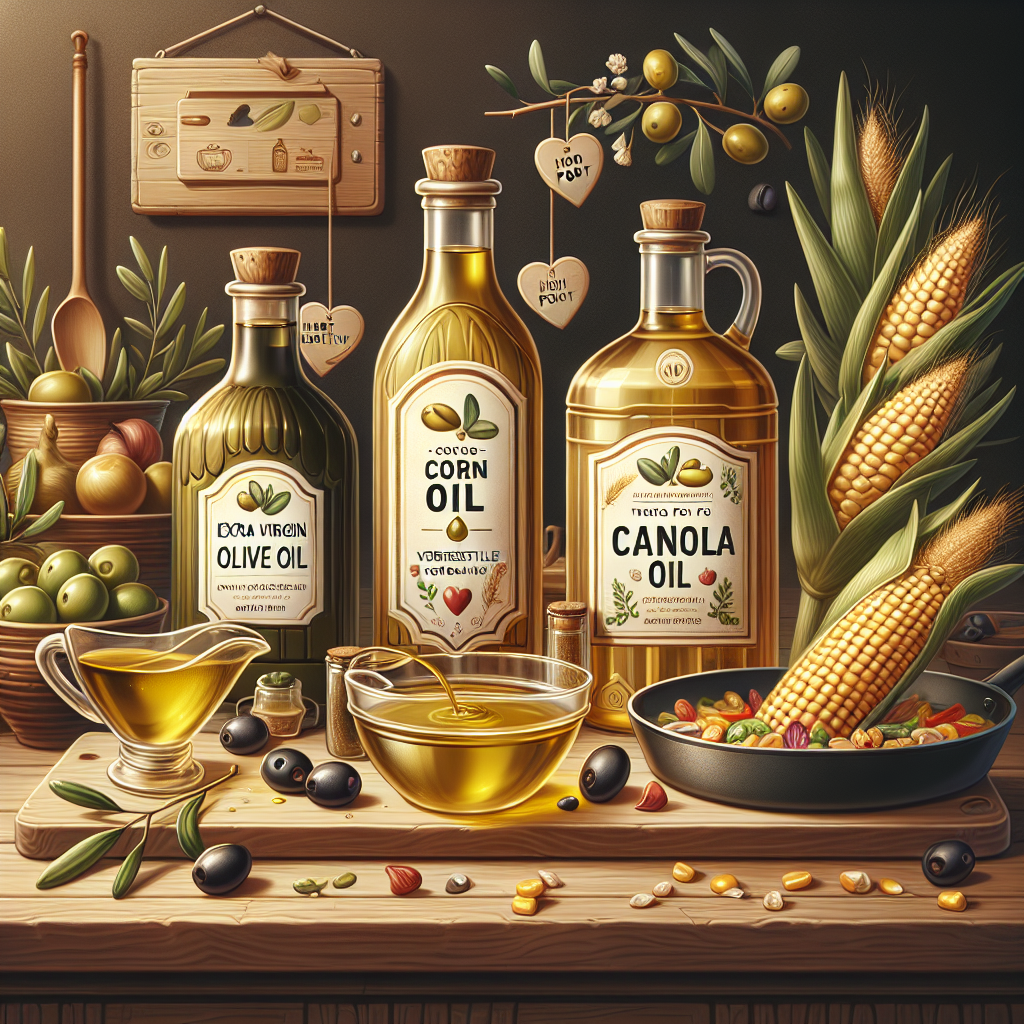
When you stand in the cooking oil aisle, the sheer number of options can feel overwhelming. Corn oil and canola oil are two of the most common, affordable staples in U.S. pantries, often used interchangeably for frying, baking, and dressings. But their nutritional profiles, cooking performance, environmental footprints, and even potential risks differ more than most people realize. This guide breaks down every key factor to help you decide which oil aligns with your health goals, cooking needs, and values, no marketing fluff included.
What Are Corn Oil and Canola Oil?
Corn Oil: Source and Production
Corn oil is extracted from the germ of corn (maize) kernels, a byproduct of corn milling for food and ethanol production. Nearly all commercial corn oil sold in the U.S. is highly refined: the germs are heated, pressed, and treated with food-grade chemical solvents (usually hexane) to extract as much oil as possible, then bleached and deodorized to create a neutral, high-smoke-point product. Small amounts of cold-pressed, unrefined corn oil are available at specialty stores, but they have a lower smoke point and a more pronounced corn flavor.
Canola Oil: Source and Production
Canola oil comes from the seeds of Brassica napus, a cultivar of rapeseed bred in the 1970s by Canadian plant breeders to reduce the naturally occurring erucic acid found in traditional rapeseed (which was toxic in large quantities). Like corn oil, most commercial canola is highly refined using solvent extraction and high-heat processing, though cold-pressed, expeller-pressed, and organic non-GMO versions are widely available. It has a mild, neutral flavor and a slightly lower smoke point than refined corn oil.
Head-to-Head Nutritional Comparison
To understand how these oils affect your health, it helps to start with their exact nutritional makeup, based on standard USDA reference data for 1-tablespoon servings:
| Nutrient (per 1 tbsp) | Corn Oil | Canola Oil |
|---|---|---|
| Calories | 120 | 120 |
| Total Fat | 13.6 g | 13.6 g |
| Saturated Fat | 1.8 g | 1.0 g |
| Monounsaturated Fat | 3.2 g | 8.5 g |
| Polyunsaturated Fat | 8.5 g | 4.2 g |
| Vitamin E | 1.9 mg | 1.3 mg |
| Vitamin K | 0.4 µg | 8.1 µg |
| Omega-3 (ALA) | 0.1 g | 1.3 g |
Fat Composition Breakdown
The biggest difference between the two oils lies in their fat profiles. Corn oil is 59% polyunsaturated fat (PUFA), 24% monounsaturated fat (MUFA), and 13% saturated fat. Nearly all of its PUFAs are omega-6 fatty acids, with only trace amounts of omega-3 alpha-linolenic acid (ALA). By contrast, canola oil is 62% MUFA, 31% PUFA, and just 7% saturated fat. Its PUFAs include a balanced mix of omega-6 and 1.3g of ALA per serving, a rare trait for a commercial cooking oil.
For context, the average American diet already contains 10–15 times more omega-6 than the recommended ratio of omega-3 to omega-6, per National Institutes of Health guidance. Regularly adding high-omega-6 oils like corn oil can worsen this imbalance, which is linked to higher inflammation and chronic disease risk over time.
Vitamins, Antioxidants, and Micronutrients
Both oils are good sources of vitamin E, a fat-soluble antioxidant that protects cell membranes from oxidative damage. Corn oil edges out canola with 1.9mg of vitamin E per serving, mostly in the form of gamma-tocopherol, which has been studied for its anti-inflammatory properties. Canola oil contains far more vitamin K (8.1µg per serving, vs 0.4µg in corn oil), a nutrient critical for blood clotting and bone health.
It’s worth noting that the refining process strips both oils of most of their natural antioxidant content, so cold-pressed, unrefined versions of either oil will have higher levels of protective phytochemicals. Neither oil is a meaningful source of other vitamins or minerals for most people.
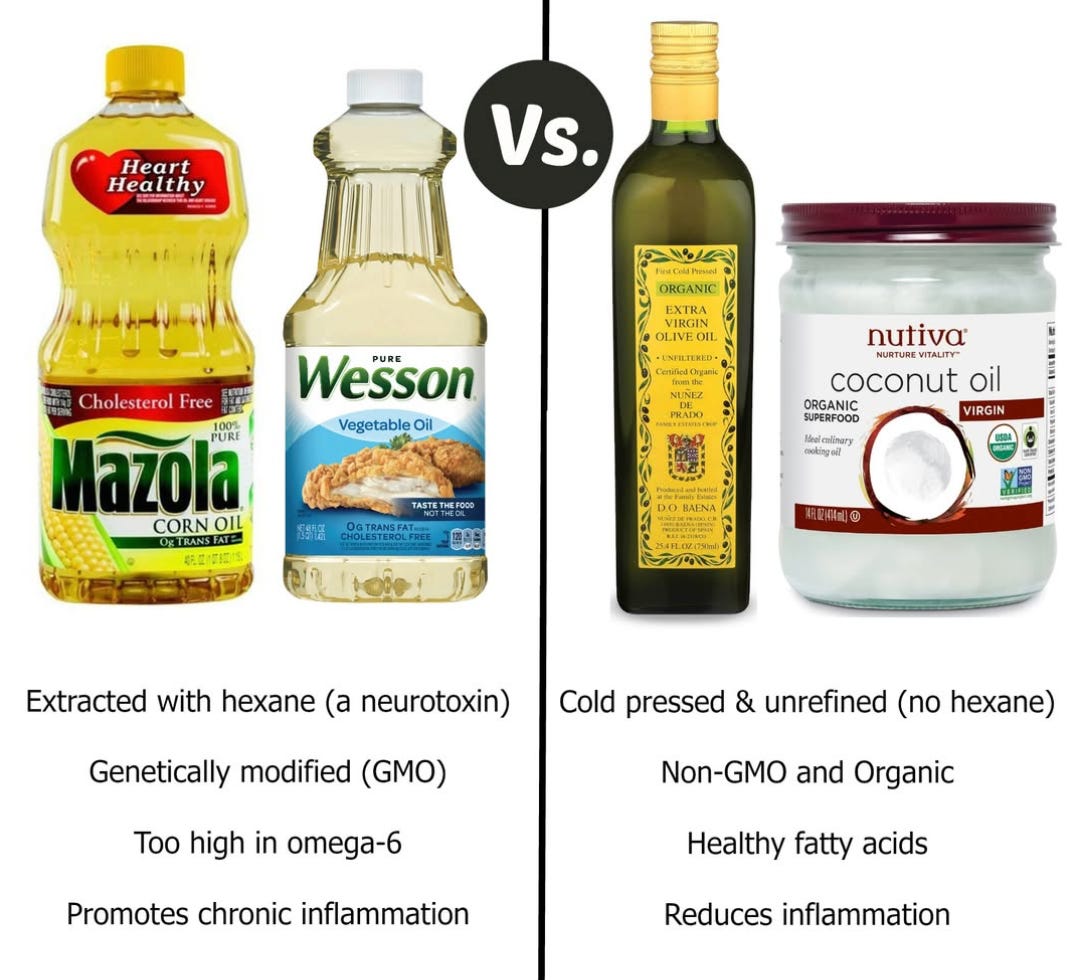 Refined corn and canola oil are two of the most common cooking oils in U.S. pantries.
Image source: www.seebysruminations.com
Refined corn and canola oil are two of the most common cooking oils in U.S. pantries.
Image source: www.seebysruminations.com
Health Impacts: What Current Research Shows
Heart Health and Cholesterol
The FDA issued a qualified health claim in 2023 linking canola oil to a reduced risk of coronary heart disease, due to its high MUFA content and low saturated fat levels. Multiple clinical trials have shown that replacing saturated fats with MUFAs like those in canola oil can lower LDL (bad) cholesterol levels without reducing HDL (good) cholesterol.
Corn oil’s high PUFA content does lower LDL cholesterol as well, but its extreme omega-6 to omega-3 ratio (roughly 46:1, vs 2:1 for canola) means it offers fewer heart health benefits for people already eating a standard Western diet high in processed foods and vegetable oils.
Inflammation and Chronic Disease Risk
Long-term cohort studies have linked high omega-6 intake (without balanced omega-3) to elevated levels of C-reactive protein, a key marker of chronic inflammation tied to conditions like arthritis, type 2 diabetes, and certain cancers. Regular consumption of corn oil can exacerbate this inflammation, while the ALA in canola oil has anti-inflammatory effects that may reduce chronic disease risk over time.
That said, neither oil is as anti-inflammatory as extra virgin olive oil, which is rich in polyphenols and has been extensively studied for its heart and anti-inflammatory benefits.
Weight Management and Metabolic Function
Both oils are calorie-dense, with 120 calories per tablespoon, so portion control is critical for weight management regardless of type. That said, canola oil’s high MUFA content has been shown to improve insulin sensitivity and reduce visceral fat storage in clinical trials, while high intake of omega-6 PUFAs from corn oil (without balanced omega-3) may promote liver fat accumulation and increase metabolic syndrome risk over time.
A common mistake is assuming all vegetable oils are equally healthy for weight loss, but the fat composition of the oil you use regularly can have a measurable impact on your metabolic health.
Cooking Performance: Which Oil Fits Your Recipes?
Smoke Points and Heat Stability
An oil’s smoke point is the temperature at which it begins to break down, release free radicals, and produce harmful compounds. Refined corn oil has a smoke point of 450°F (232°C), making it one of the most heat-stable commercial oils available. Refined canola oil has a smoke point of 400°F (204°C), while cold-pressed canola has a much lower smoke point of around 300°F (149°C).
Interestingly, corn oil’s slightly higher saturated fat content (13% vs 7% for canola) makes it marginally more stable at high temperatures, even though both refined oils are safe for most home cooking uses. For searing or wok cooking above 450°F, avocado oil or ghee are better choices.
Flavor Profile and Versatility
Corn oil has a subtle, sweet, buttery note that enhances baked goods, fried foods, and dishes like cornbread without overpowering other ingredients. Low-quality corn oil can sometimes have a slightly bitter aftertaste if not properly refined. Canola oil is completely neutral, with no discernible flavor, making it ideal for vinaigrettes, marinades, and baked goods where you don’t want the oil to affect the final taste.
Best Use Cases for Each Oil
- Corn oil: Deep frying, pan-frying, roasting vegetables, baking (especially cornbread, cookies, and muffins where a subtle rich note is desired)
- Canola oil: Sautéing, stir-frying (medium heat), salad dressings, marinades, baking (neutral flavor preferred)
A common mistake is using canola oil for deep frying at temperatures above 400°F, which can cause it to break down faster and produce off-flavors. Corn oil’s high smoke point and subtle buttery note make it ideal for roasting vegetables or prepping perfect shishito peppers for a quick appetizer.
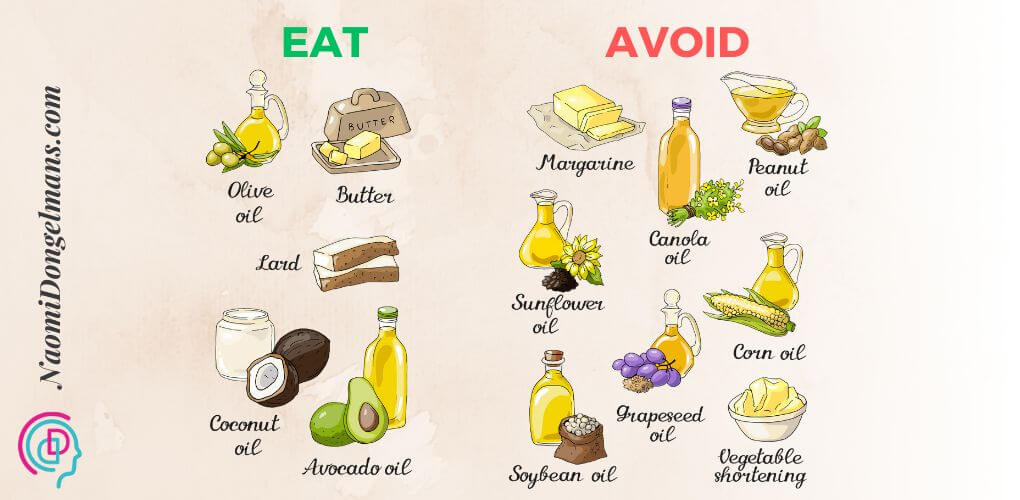 High-heat cooking methods like stir-frying work best with oils that have a high smoke point.
Credit: naomidongelmans.com
High-heat cooking methods like stir-frying work best with oils that have a high smoke point.
Credit: naomidongelmans.com
Environmental and Sustainability Considerations
Carbon Footprint and Resource Use
If you prioritize eco-friendly kitchen choices, canola oil has a measurable environmental advantage over corn oil. A 2024 USDA life cycle assessment found that canola production generates 15–20% lower greenhouse gas emissions per liter of oil than corn oil, due to lower fertilizer requirements and higher seed yield per acre.
Corn farming is also far more water-intensive: it takes roughly 180 gallons of water to produce 1 pound of corn, vs 120 gallons for 1 pound of canola seed. Both crops are heavily reliant on industrial farming practices, but canola’s lower resource needs make it the more sustainable choice for most consumers.
Farming Practices and Biodiversity
Conventional corn farming often relies on heavy pesticide and fertilizer use, including neonicotinoids linked to pollinator decline, and is frequently grown as a monocrop, which degrades soil health and increases erosion risk. Canola is more commonly used in crop rotation with wheat and other grains, which improves soil organic matter and reduces pest pressure without extra chemical inputs.
That said, both crops are often grown as large-scale monocultures that reduce local biodiversity. For the lowest environmental impact, choose organic, non-GMO versions of either oil from brands that use regenerative farming practices. For cooks who prioritize low-waste, sustainable kitchen habits, choosing oils from regenerative farms aligns with broader efforts to extend the life of household items instead of replacing them, similar to long-lasting tool care practices.
Potential Risks and Drawbacks
Allergies and Sensitivities
Corn allergies are relatively uncommon, but highly refined corn oil has almost all corn proteins removed, so most people with corn allergies can tolerate it safely. Unrefined, cold-pressed corn oil may contain trace proteins that trigger mild to severe allergic reactions in sensitive individuals.
Canola oil is part of the Brassicaceae (mustard) family, so people with mustard, broccoli, or kale allergies may experience cross-reactive symptoms. Some people also report mild digestive discomfort after consuming canola oil, though clinical evidence of widespread sensitivity is limited. If you have known food allergies, consult a healthcare provider before introducing new oils to your diet, similar to following post-procedure guidelines like post-extraction care rules to avoid adverse reactions.
Processing and Contaminant Exposure
Nearly all commercial corn and canola oil is extracted using food-grade hexane, a petroleum-based solvent. The FDA requires all hexane to be removed during refining, and sets a maximum allowable residue limit of 5 parts per million, so trace amounts in finished oil are considered safe for consumption, per their official food additive guidelines.
High-heat refining can also create small amounts of 3-MCPD and glycidyl esters, potential carcinogens, though levels in U.S.-sold corn and canola oil are well below safety thresholds set by global food safety bodies. To minimize exposure to these compounds, choose cold-pressed, expeller-pressed, or organic versions of either oil.
Cost, Availability, and Overall Value
Average Price Comparison
As of 2026, the price difference between the two oils is minimal for most consumers. A 48-ounce bottle of refined corn oil averages $3.99–$4.99, while the same size of refined canola oil averages $4.49–$5.99. Organic or cold-pressed versions of both oils cost 2–3x more, with organic canola usually slightly more expensive than organic corn oil. Bulk purchases and store brands often narrow the price gap even further.
Seasonal and Regional Availability
Both oils are available at all major grocery stores, big-box retailers, and online marketplaces. Corn oil is more widely stocked in the Midwest and Southern U.S., where corn production is concentrated, while canola is more common in the West and Northeast. Seasonal price fluctuations are common: corn oil prices may rise 5–10% in late fall if corn harvests are poor due to drought, while canola prices may spike 10–15% in late summer if extreme weather damages Canadian canola crops (which supply 60% of U.S. canola oil).
Store both oils in a cool, dark pantry away from direct heat to prevent oxidation; for long-term storage, keep them in the refrigerator. Proper storage is a small part of overall kitchen upkeep that keeps all your cooking ingredients fresh.
 Choosing the right oil depends on your cooking method, flavor preferences, and health goals.
Credit: www.drberg.com
Choosing the right oil depends on your cooking method, flavor preferences, and health goals.
Credit: www.drberg.com
Frequently Asked Questions
What Are The Main Differences Between Corn Oil And Canola Oil?
The biggest differences lie in fat composition, flavor, and smoke point. Corn oil is high in omega-6 polyunsaturated fats and has a higher smoke point (450°F), with a subtle buttery flavor. Canola oil is high in heart-healthy monounsaturated fats, has a neutral flavor, and a smoke point of 400°F. Canola also contains meaningful amounts of omega-3 ALA and vitamin K, while corn oil has more vitamin E.
Which Oil Is Healthier: Corn Oil Or Canola Oil?
For most people, canola oil is the healthier choice. Its balanced fat profile, lower saturated fat content, and higher omega-3 levels align better with current dietary guidelines for heart health and reduced inflammation. Corn oil’s extreme omega-6 to omega-3 ratio can worsen inflammation if you already eat a diet high in processed foods and other vegetable oils.
Can I Use Corn Oil Instead Of Canola Oil For Cooking?
Yes, you can substitute corn oil for canola oil in most recipes, especially high-heat cooking like frying and roasting. The only caveat is corn oil’s subtle buttery flavor, which may affect the taste of delicate dishes like vinaigrettes or light baked goods where a neutral oil is preferred.
Which Oil Has A Higher Smoke Point For Frying?
Refined corn oil has a higher smoke point of 450°F (232°C), making it the better choice for deep frying, pan-frying, and other high-heat cooking methods. Refined canola oil has a smoke point of 400°F (204°C), which is suitable for sautéing, stir-frying, and medium-heat baking, but not ideal for cooking above 400°F.
Are There Better Alternatives To Corn Or Canola Oil For Everyday Cooking?
For most uses, extra virgin olive oil is a more nutrient-dense, anti-inflammatory choice, especially for dressings, sautéing, and low-heat cooking. For high-heat cooking, avocado oil or ghee have higher smoke points and more stable fat profiles. If you prefer a neutral oil for baking, expeller-pressed canola is a better choice than corn oil for most people.
Final Verdict: Which Oil Should You Choose?
The right choice depends on your priorities:
- If you frequently deep fry, roast at high heat, or want a subtle buttery note in baked goods, refined corn oil is a practical, affordable option.
- If you prioritize heart health, reduce inflammation, or need a neutral oil for dressings and sautéing, canola oil is the better pick.
- If you have a mustard or Brassicaceae allergy, avoid canola oil; if you have a severe corn allergy, opt for cold-pressed canola or another alternative.
- For the lowest contaminant and environmental impact, choose organic, cold-pressed or expeller-pressed versions of either oil.
Small, consistent choices add up: swapping one high-omega-6 oil for a more balanced option can support long-term health without drastically changing your cooking routine. Want more practical kitchen tips to make cooking easier and healthier? Browse our full library of kitchen guides for step-by-step tutorials on everything from prepping fresh produce to maintaining your cooking tools.

Hi, I’m Daniel Brooks—a food lover and kitchen gear enthusiast. I enjoy testing cookware, utensils, and gadgets to see what really works in everyday cooking. At PlugChef.com, I share honest reviews, comparisons, and simple guides to help you choose the best tools for a safer, smarter, and more enjoyable kitchen.
Related posts:
 3 Tier Spice Rack Organizer: Maximize Your Kitchen Space
 How to Organize Kitchen Appliances on Countertop: Expert Tips
 Food Can Organizer for Pantry: Maximize Space Effortlessly
 Back of Door Spice Rack Wooden: Maximize Kitchen Space
Upper Corner Kitchen Cabinet Organization Ideas: Maximize Space
Spice Rack Pull Out Lower Cabinet: Maximize Your Kitchen Space
Back of Door Spice Rack Wooden: Maximize Kitchen Space
Upper Corner Kitchen Cabinet Organization Ideas: Maximize Space
Spice Rack Pull Out Lower Cabinet: Maximize Your Kitchen Space

