
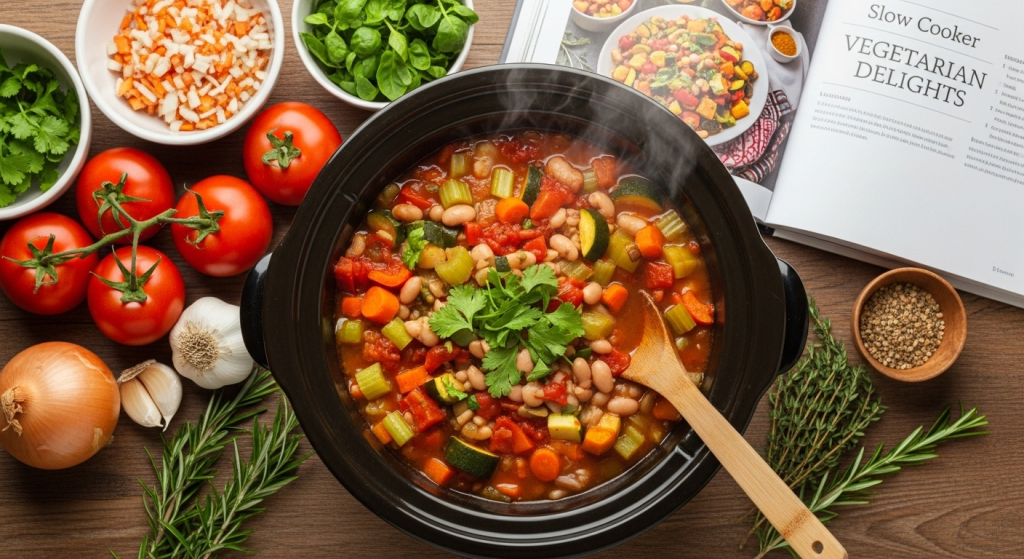
Tired of sacrificing flavor or nutrition for convenience on busy weeknights? In 2026, plant-based eating is more accessible than ever, but whipping up satisfying vegetarian meals from scratch still feels out of reach for many people with packed schedules. The humble crock pot eliminates that hassle entirely: you can toss in prepped ingredients before work, school, or errands, and come home to a warm, nutrient-dense, flavor-packed meal with zero last-minute cooking required. Whether you’re a lifelong vegetarian, flexitarian, or just looking to add more plant-based dishes to your rotation, this guide covers tested recipes, pro tips, common pitfalls to avoid, and meal prep hacks to make slow cooker vegetarian cooking effortless, healthy, and delicious.
Why the Crock Pot Is a Game-Changer for Vegetarian Cooking
Using a crock pot for vegetarian cooking goes beyond simple convenience — it transforms how you approach plant-based meal prep, making it easier to build consistent, nutritious habits without spending hours standing over the stove. For anyone who has struggled to fit home cooking into a 9-to-5 schedule, school run routine, or caregiving responsibilities, the set-it-and-forget-it nature of slow cookers removes the biggest barrier to eating more vegetarian meals. For more on this, see our guide on best pod coffee maker for easy cleaning.
Time-Saving Convenience for Busy Schedules
Crock pots align perfectly with real-life routines: you can assemble ingredients in 10–15 minutes before you leave for the day, set the timer, and return 6–8 hours later to a fully cooked meal. This hands-off approach frees up hours you would otherwise spend chopping, stirring, and monitoring a stovetop dish, making it ideal for work-from-home mornings, after-school pickups, or lazy weekends when you’d rather relax than cook. Many models also programmable timers and automatic warm settings, so your meal stays at the perfect serving temperature even if you’re running late.
Deep, Complex Flavor Without Extra Effort
Slow cooking gives ingredients time to break down and mingle in ways quick cooking never can, creating rich, layered flavors that make vegetarian meals just as satisfying as meat-based dishes. The low, steady heat encourages the Maillard reaction on roasted or sautéed aromatics, while extended simmering lets spices infuse every bite of vegetables, legumes, and grains. In practice, this means you can create restaurant-quality curries, stews, and chilis with minimal hands-on work, no fancy cooking skills required. For more on this, see our guide on rubbermaid premier easy find lids food storage containers.
Better Nutrient Retention Than High-Heat Cooking
Unlike boiling, frying, or high-heat roasting, slow cooking at low temperatures preserves heat-sensitive vitamins and antioxidants in vegetables, per USDA slow cooking nutrient guidelines. Water-soluble vitamins like vitamin C and B vitamins, which are often lost in high-heat cooking, stay far more intact in crock pot meals, so you get maximum nutrition from every bite. This makes slow cooking a smart choice for anyone prioritizing nutrient-dense, plant-focused eating.
 Prepping ingredients ahead of time cuts down on morning kitchen work for busy weekdays.
Essential Ingredients for Foolproof Vegetarian Crock Pot Meals
Building delicious, well-textured vegetarian slow cooker dishes starts with choosing ingredients that hold up to long cooking times, rather than turning mushy or bland after hours of simmering. Focus on a balance of dense, long-cook base ingredients, quick-cook add-ins, and flavorful seasonings to create meals that are both hearty and satisfying. For more on this, see our guide on kitchen island lighting pot rack.
Vegetables That Hold Up to Long, Slow Cooking
Not all vegetables perform equally in a crock pot: dense, starchier varieties hold their shape and texture after 6+ hours of cooking, while delicate greens and soft veggies will turn to mush if added too early. Stick to these categories for consistent results:
- Long-cook base (add first): Carrots, parsnips, potatoes, sweet potatoes, celery, onions, garlic, and whole mushrooms. These require 1–2 hours of cooking to become tender, so they go in the bottom of the pot near the heating element.
- Medium-cook add-ins (add halfway): Bell peppers, zucchini, broccoli, cauliflower, and chopped kale. These cook through in 2–3 hours, so add them 2 hours before the end of cooking if you’re making a low-setting recipe.
- Delicate add-ins (add last 30 minutes): Spinach, cherry tomatoes, fresh basil, cilantro, and peas. These wilt or cook through in minutes, so adding them at the end keeps their bright flavor and crisp texture.
Plant-Based Proteins That Don’t Get Mushy
Protein is key to keeping vegetarian crock pot meals filling, but some options break down or turn gummy if cooked for too long. Choose from these reliable options:
- Legumes: Canned black beans, chickpeas, kidney beans, and lentils are pre-cooked, so they hold their shape perfectly during long cooks. If using dried beans, pre-soak them for 8 hours first to cut down on cook time and reduce gas-causing compounds.
- Tofu and tempeh: Press firm tofu for 20 minutes to remove excess moisture before adding to the pot, and steam tempeh for 10 minutes first to remove its natural bitter taste. Both hold up well to 4–6 hours of cooking on low.
- Grains: Quinoa, barley, and farro add protein and fiber, but cook them in a separate sieve placed on top of the other ingredients (or add them in the last 2 hours of cooking) to avoid them turning mushy or absorbing all the liquid in the pot.
Herbs, Spices, and Umami Boosters for Layered Flavor
One of the most common complaints about vegetarian crock pot meals is that they taste bland, but this is easily fixed with strategic seasoning. Split your seasonings into three categories to build layered, complex flavor:
- Hardy seasonings (add at the start): Dried thyme, rosemary, bay leaves, whole peppercorns, cumin, smoked paprika, and chili powder. These stand up to long cooking times and infuse the entire dish with deep flavor.
- Umami boosters (add at the start): Tomato paste, soy sauce, miso paste, nutritional yeast, and a splash of balsamic vinegar add savory, rich depth that mimics the flavor of meat, no animal products required.
- Delicate seasonings (add last 30 minutes): Fresh parsley, cilantro, basil, lemon zest, and a squeeze of lemon juice brighten the dish and cut through rich, heavy flavors.
Pro Tips for Perfect Crock Pot Vegetarian Results Every Time
Even experienced cooks can run into issues with mushy vegetables, bland flavors, or uneven cooking when using a crock pot for the first time. These pro tips, drawn from real-world slow cooking experience, will help you avoid common pitfalls and get consistent, delicious results every time.
Layer Ingredients for Even Cooking
Crock pots heat from the bottom and sides, so layering ingredients by cook time ensures everything finishes tender at the same time. Follow this order from bottom to top:
- Liquids (broth, coconut milk, tomato sauce) to prevent scorching the heating element.
- Dense, long-cook ingredients (root vegetables, dried beans, grains).
- Medium-cook ingredients (bell peppers, mushrooms, tofu).
- Quick-cook ingredients (spinach, fresh herbs, dairy) on the very top. A common mistake is dumping all ingredients in at once, which leads to mushy veggies on top and undercooked roots at the bottom. For more on this, see our guide on kitchen island light with pot rack.
Adjust Cook Times for Different Ingredients
Most vegetarian crock pot recipes need 6–8 hours on low or 3–4 hours on high to develop full flavor, but cook times vary based on your ingredients:
- Dried legumes (not pre-soaked) need 8–10 hours on low to cook through and destroy naturally occurring toxins.
- Leafy greens and delicate veggies only need 30 minutes of cooking, so add them at the very end.
- Frozen ingredients add extra moisture and require 30 extra minutes of cook time, so reduce your liquid by ¼ cup to avoid watery dishes.
Avoid Common Texture and Flavor Pitfalls
- Overcooking: Test root vegetables with a fork 30 minutes before the end of cooking — they should be tender but not falling apart. If they’re still firm, keep cooking; if they’re mushy, add a splash of acid (lemon juice or vinegar) to brighten the dish.
- Bland flavors: Season in layers, adding half your spices at the start and half at the end, to avoid muted, flat taste. Always taste and adjust salt and pepper before serving.
- Scorched bottoms: Never fill your crock pot more than ⅔ full, and ensure there is at least ½ cup of liquid in the pot to prevent food from sticking to the heating element.
Food Safety Best Practices for Slow Cooking
Per USDA slow cooking safety guidance, always keep the lid on during cooking to maintain consistent temperature and prevent bacteria growth. If you’re cooking frozen meat or dense vegetables, thaw them first to ensure they reach a safe internal temperature of 165°F (74°C) within 4 hours. Never leave cooked food in the crock pot on the warm setting for more than 2 hours, as this can encourage bacterial growth.
Tested Easy Vegetarian Crock Pot Recipes
These 4 foolproof recipes require minimal prep, use common pantry staples, and deliver big flavor with zero last-minute work. Each has been tested multiple times to ensure consistent results, even for first-time slow cooker users. For more on this, see our guide on kitchen island with pot rack.
Hearty Root Vegetable & Lentil Stew
Prep time: 15 minutes | Cook time: 7 hours on low | Serves 6 Ingredients:
- 2 tbsp olive oil
- 1 large yellow onion, diced
- 3 cloves garlic, minced
- 2 carrots, peeled and chopped into 1-inch pieces
- 2 parsnips, peeled and chopped into 1-inch pieces
- 1 medium sweet potato, peeled and chopped into 1-inch pieces
- 1 cup brown lentils, rinsed
- 1 (14.5 oz) can diced tomatoes, undrained
- 4 cups low-sodium vegetable broth
- 1 tsp dried thyme
- 1 tsp smoked paprika
- 2 bay leaves
- Salt and black pepper to taste
- 2 cups fresh spinach, chopped (added last 30 minutes)
Instructions:
- Heat olive oil in a skillet over medium heat, then sauté onion and garlic for 3–4 minutes until translucent. This step adds depth of flavor that you can’t achieve by adding raw aromatics directly to the crock pot.
- Transfer the sautéed onion and garlic to a 6-quart crock pot. Add carrots, parsnips, sweet potato, lentils, diced tomatoes, vegetable broth, thyme, smoked paprika, and bay leaves. Stir to combine.
- Cover and cook on low for 7 hours, or on high for 4 hours, until lentils and root vegetables are fork-tender.
- Stir in fresh spinach during the last 30 minutes of cooking, until wilted. Season with salt and pepper to taste, and discard bay leaves before serving. Pro tip: For a heartier stew, add 1 cup of cubed potato or a diced celery stalk to the ingredient list.
Creamy Coconut Chickpea & Spinach Curry
Prep time: 10 minutes | Cook time: 4 hours on high | Serves 4 Ingredients:
- 1 tbsp coconut oil
- 1 small yellow onion, diced
- 3 cloves garlic, minced
- 1 tbsp fresh ginger, grated
- 1 (15 oz) can chickpeas, drained and rinsed
- 1 (14.5 oz) can diced tomatoes, undrained
- 1 (13.5 oz) can full-fat coconut milk
- 2 tbsp red curry paste
- 1 tsp ground turmeric
- 1 tsp ground cumin
- 3 cups fresh spinach
- Cooked rice or naan, for serving
Instructions:
- Heat coconut oil in a skillet over medium heat, then sauté onion, garlic, and ginger for 2–3 minutes until fragrant.
- Transfer the mixture to a 4-quart crock pot. Add chickpeas, diced tomatoes, coconut milk, curry paste, turmeric, and cumin. Stir to combine.
- Cover and cook on high for 4 hours, or on low for 6 hours, until the sauce thickens and chickpeas are tender.
- Stir in fresh spinach during the last 10 minutes of cooking, until wilted. Serve over rice or with naan for dipping. Pro tip: Add a squeeze of lime juice at the end to cut through the richness of the coconut milk.
Quinoa & Black Bean Stuffed Bell Peppers
Prep time: 20 minutes | Cook time: 6 hours on low | Serves 4 Ingredients:
- 4 large bell peppers (any color), tops cut off and seeds removed
- 1 tbsp olive oil
- 1 small yellow onion, diced
- 2 cloves garlic, minced
- 1 cup cooked quinoa
- 1 (15 oz) can black beans, drained and rinsed
- 1 cup frozen corn, thawed
- 1 tsp ground cumin
- 1 tsp chili powder
- ½ cup salsa
- ½ cup shredded cheddar cheese (optional, added last 30 minutes)
Instructions:
- Heat olive oil in a skillet over medium heat, then sauté onion and garlic for 2–3 minutes until translucent.
- In a bowl, mix together the sautéed onion and garlic, quinoa, black beans, corn, cumin, chili powder, and salsa.
- Fill each bell pepper with the quinoa mixture, packing it tightly. Place the stuffed peppers upright in a 6-quart crock pot, leaning them against each other if needed to keep them standing.
- Cover and cook on low for 6 hours, or on high for 3 hours, until peppers are tender.
- Top with shredded cheese during the last 30 minutes of cooking, if using, and let melt before serving. Pro tip: Add ¼ cup of water or broth to the bottom of the crock pot to prevent the peppers from sticking.
Smoked Mushroom & Barley Vegetarian Chili
Prep time: 15 minutes | Cook time: 8 hours on low | Serves 8 Ingredients:
- 1 tbsp olive oil
- 1 large yellow onion, diced
- 3 cloves garlic, minced
- 8 oz cremini mushrooms, sliced
- 1 (15 oz) can kidney beans, drained and rinsed
- 1 (15 oz) can black beans, drained and rinsed
- 1 (14.5 oz) can diced tomatoes, undrained
- 1 cup pearl barley, rinsed
- 4 cups low-sodium vegetable broth
- 2 tbsp smoked paprika
- 1 tbsp cocoa powder
- 1 tsp ground cumin
- Salt and pepper to taste
- Avocado, cilantro, and lime, for garnish
Instructions:
- Heat olive oil in a skillet over medium heat, then sauté onion, garlic, and mushrooms for 5–7 minutes until mushrooms are golden and caramelized. This step adds a deep, smoky flavor that mimics the taste of meat-based chili.
- Transfer the mixture to a 6-quart crock pot. Add both types of beans, diced tomatoes, barley, vegetable broth, smoked paprika, cocoa powder, and cumin. Stir to combine.
- Cover and cook on low for 8 hours, or on high for 4 hours, until barley is tender and the chili has thickened.
- Season with salt and pepper to taste, and serve topped with avocado, cilantro, and a squeeze of lime. Pro tip: For a gluten-free version, swap barley for quinoa or extra rice.
 This 4-ingredient chickpea curry cooks in 4 hours on low for a hands-off weeknight meal.
Healthy Twists on Classic Comfort Foods
You don’t have to sacrifice the comfort of classic dishes to eat healthier vegetarian crock pot meals. These simple swaps and modifications cut down on excess sodium, refined carbs, and saturated fat, while keeping all the flavor you love.
Gluten-Free Swaps for Every Recipe
Most vegetarian crock pot recipes are naturally gluten-free, but watch out for hidden gluten in soy sauce, barley, and pre-made spice blends. Swap regular soy sauce for tamari, use quinoa or rice instead of barley, and opt for certified gluten-free spice blends to make any recipe safe for people with celiac disease or gluten sensitivity.
Low-Sodium Modifications for Heart-Healthy Eating
Canned beans, broth, and pre-made spice blends often contain high levels of sodium, but you can cut the salt without losing flavor. Use low-sodium or no-salt-added canned beans and broth, skip added salt entirely, and boost flavor with extra herbs, spices, garlic, and a splash of citrus juice. Most recipes need no added salt at all if you use high-quality, low-sodium ingredients.
High-Protein Add-Ins for Sustained Energy
If you need extra protein to stay full through busy days, add ½ cup of cooked tempeh, a scoop of plant-based protein powder (add in the last 30 minutes of cooking to avoid clumping), or ¼ cup of hemp seeds to any recipe. A 1-cup serving of most of the recipes above contains 12–18 grams of plant-based protein, making them perfect for post-workout meals or long workdays.
Meal Prep, Storage, and Reheating Guide
One of the biggest benefits of crock pot vegetarian cooking is how well the meals lend themselves to batch cooking and meal prep. Follow these tips to make your meals last longer and taste just as good when reheated.
Batch Cooking Strategies for Busy Weeks
Batch cooking lets you prepare a week’s worth of meals in a single 2-hour session, cutting down on daily cooking and decision fatigue. Choose recipes that hold up well in the fridge for 3–4 days, like lentil stew, chickpea curry, or vegetarian chili, and double the recipe if you have a 6+ quart crock pot. Set up a dedicated prep zone with bright under cabinet LED strip lighting to make chopping vegetables faster and easier on your eyes, then store pre-chopped produce and pre-measured spices in your under kitchen sink cabinet storage to free up counter space for actual cooking. A smart appliance organizer for your countertop keeps your crock pot, cutting board, and utensil caddy within arm’s reach, cutting down on unnecessary movement during meal prep.
Freezing and Reheating Without Losing Texture
Most vegetarian crock pot meals freeze beautifully for up to 3 months, especially soups, stews, curries, and chilis. Cool your cooked dish completely before transferring it to airtight containers or heavy-duty freezer bags, leaving 1 inch of headspace to account for expansion during freezing. To reheat, thaw the meal overnight in the fridge, then warm it on the stovetop over low heat with a splash of broth or water to restore its creamy texture, stirring occasionally to prevent sticking. Avoid microwaving frozen meals directly, as this can lead to uneven heating and mushy vegetables.
Portion Control for Effortless Weekday Meals
Divide your cooked crock pot meals into single-serving airtight containers as soon as they cool, using 1.5 cups as a standard serving size for soups and stews, and 1 stuffed pepper or 1 cup of chili for heartier meals. Portioning eliminates the temptation to overeat, makes grabbing a ready-to-eat lunch or dinner as simple as grabbing a container from the fridge, and helps you track your intake if you’re following a specific nutrition plan. Stackable bamboo drawer organizers keep your pre-portioned meals neatly sorted and visible in your fridge, so you never lose track of what you have on hand.
Common Crock Pot Vegetarian Mistakes to Avoid
Even small errors can lead to mushy vegetables, bland flavors, or even food safety issues when cooking vegetarian meals in a crock pot. Avoid these common mistakes to get perfect results every time:
- Overfilling the pot: Never fill your crock pot more than ⅔ full, as this can cause food to bubble over, create uneven cooking, and even pose a safety hazard if liquid spills onto the heating element.
- Adding dairy too early: Soft cheeses, coconut milk, cream, or yogurt will curdle if cooked for 6+ hours on low. Add these ingredients in the last 30 minutes of cooking to keep their smooth texture.
- Skipping the sear step: Sautéing onions, garlic, mushrooms, or tofu before adding them to the crock pot adds a depth of flavor that you can’t achieve by adding raw ingredients directly to the pot. It only takes 5 extra minutes, but it makes a huge difference in the final taste.
- Not seasoning in layers: Adding all your spices at the start leads to muted, bitter flavors after long cooking. Add hardy dried spices at the beginning, and delicate fresh herbs and acid (lemon juice, vinegar) at the end for balanced, bright flavor.
- Ignoring your crock pot’s unique quirks: Every crock pot cooks slightly differently based on its wattage and age. The first time you make a new recipe, check for doneness 30 minutes before the recommended cook time to avoid overcooking.
 Minestrone freezes beautifully for up to 3 months, making it ideal for meal prep.
Image source: vancouverwithlove.com
Minestrone freezes beautifully for up to 3 months, making it ideal for meal prep.
Image source: vancouverwithlove.com
Frequently Asked Questions
Can you cook dried beans in a crock pot without pre-soaking?
Yes, but you’ll need to cook them on high for 8–10 hours to ensure they reach a safe temperature. Per USDA dried bean cooking safety guidance, dried beans must reach a rolling boil for at least 10 minutes before reducing to low heat to destroy the naturally occurring toxin phytohaemagglutinin, which can cause digestive upset if not cooked properly.
Do you need to add liquid to a crock pot for vegetarian recipes?
Most recipes need ½ to 1 cup of liquid (vegetable broth, water, coconut milk, or tomato sauce) to prevent scorching the bottom of the pot. Vegetables and beans release liquid during cooking, so avoid adding more than the recipe calls for to prevent watery, bland dishes.
Can you put raw vegetables in a crock pot?
Yes, most dense root vegetables (carrots, potatoes, sweet potatoes) and alliums (onions, garlic) cook perfectly raw in a crock pot. For extra flavor, sauté aromatics like onions and garlic in a skillet for 3–4 minutes before adding them to the pot.
What are the best vegetarian crock pot recipes for weight loss?
High-fiber, low-calorie options like lentil soup, vegetable barley stew, and chickpea curry are ideal for weight loss, as they keep you full for hours and are easy to portion control. Avoid recipes with excess cheese, coconut milk, or added sugars to keep calorie counts low.
Conclusion
Vegetarian crock pot cooking takes the stress out of plant-based meal prep, delivering hearty, flavorful dishes with minimal active time. By choosing ingredients that hold up to long cooking times, layering them correctly, and avoiding common mistakes like overfilling the pot or adding dairy too early, you can master slow cooker vegetarian meals even if you’re a total beginner. Start with one of the tested recipes above, batch cook for the week ahead, and enjoy the freedom of coming home to a ready-to-eat, nutritious meal every night. For more quick, nutritious sweet treat ideas to round out your weekly menu, browse our curated collection of healthy dessert recipes that pair perfectly with these savory slow cooker meals. Place a countertop appliance slider under your hot crock pot after cooking to protect your surfaces from heat damage and make cleanup easier.

I’m Abby Lu, a passionate home cook who loves simplifying everyday meals. At PlugChef.com, I share product reviews and cooking guides to help you find the best tools for your kitchen.
Related posts:
 Easy Mac N Cheese Microwave: Quick, Creamy, and Delicious Recipe
 Breakfast Sausage in a Blanket: Irresistible Morning Treats Made Easy
 Glaze Recipe for Smoked Ham: Irresistible Sweet & Spicy Twist
 Remove Stains from Coffee Mugs: Easy Tricks for a Spotless Shine
 French Onion Soup Roast Recipe: Irresistible Comfort Food Delight
 Healthy Dessert Recipe Book: Delicious Guilt-Free Treats for Every Craving

