
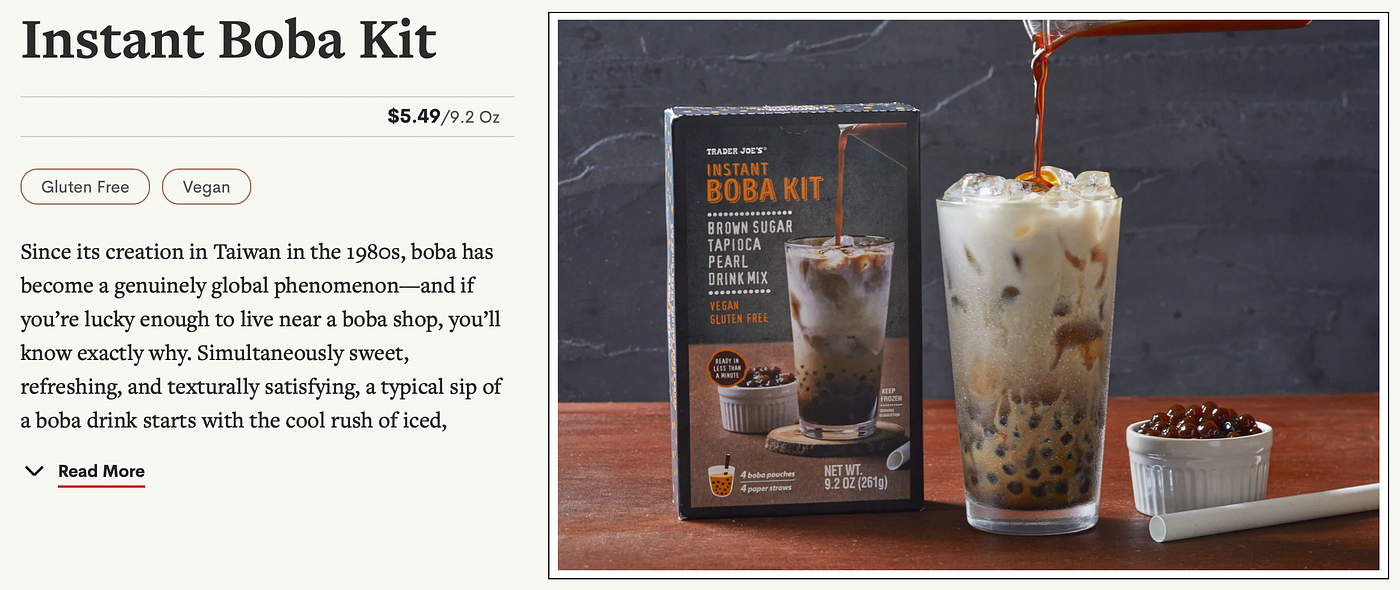
Trader Joe’s boba kit has become a go-to for at-home bubble tea lovers looking to skip the $6-per-cup café markup, but many first-time users end up with gummy, starchy pearls or bitter, unbalanced tea thanks to small, easily avoidable missteps. As someone who has tested at-home boba kits for 3 years, I’ve found this offering is one of the most affordable and consistent options for beginners, but it does require following a few specific steps to nail that chewy, restaurant-quality texture. This guide walks you through every step, from unboxing to troubleshooting, so you can make perfect bubble tea at home every time.
Unopened kit with all included components, ready for preparation
Credit: www.lemon8-app.com
Unboxing Your Trader Joe's Boba Kit: What's Inside & Pre-Use Prep
The kit is designed to make 2 full servings of bubble tea, with all core components pre-portioned to eliminate guesswork. Taking a minute to review what’s included and store it properly before use will set you up for success.
Kit Contents Breakdown
Standard Trader Joe’s boba kits (sold year-round in the refrigerated section of most locations, with occasional seasonal flavor variants) include:
- ½ cup dry white tapioca pearls (the chewy "boba" base)
- 2 black tea bags (robust, unflavored black tea formulated to stand up to sweet additions)
- 1 packet of pre-made brown sugar syrup (calibrated for 2 servings)
- 2 wide-diameter boba straws
- Quick-start instruction leaflet
All components are shelf-stable until opened, so you can keep the kit in your pantry for up to 12 months before use.
Pre-Use Storage Tips To Keep Ingredients Fresh
Dry tapioca pearls are prone to clumping if exposed to moisture, so store unopened kits in a cool, dark pantry away from direct sunlight and heat sources like ovens or dishwashers. Once opened, transfer any unused dry pearls to an airtight mason jar with a food-grade desiccant packet to extend their shelf life. Never refrigerate dry tapioca pearls, as condensation will cause them to harden into clumps that won’t cook evenly. The included tea bags and syrup packet also do not require refrigeration until opened, and will stay fresh for 6 months in a sealed pantry container.
How To Cook Perfect Tapioca Pearls (The #1 Step Most People Mess Up)
The texture of your boba pearls will make or break your drink: undercooked pearls have a hard, chalky center, while overcooked pearls turn mushy and starchy. Following these exact steps will give you that signature chewy "al dente" texture every time.
Exact Cook Time & Water Ratios For Ideal Chew
For 1 serving (¼ cup dry pearls), use 4 cups of water in a large, heavy-bottomed pot. Bring the water to a rolling boil before adding the pearls—do not add them to cold water, as this will make them gummy. Stir gently to separate any stuck pearls, then reduce heat to maintain a steady boil. Cook for 25 minutes, stirring every 5 minutes to prevent sticking. The most critical step comes after boiling: turn off the heat, cover the pot, and let the pearls rest for 15 minutes. This lets residual heat penetrate the center of the pearls to cook them through evenly. A common mistake new boba makers make is skipping this resting step, which leads to a hard core even if the outside of the pearl is soft. After resting, drain the pearls and rinse under cold running water for 30 seconds to stop cooking and wash off excess surface starch that causes stickiness.
The Syrup Soak Step For Restaurant-Quality Flavor
The kit’s included brown sugar syrup is pre-portioned to coat 2 servings of cooked pearls perfectly. After rinsing, pour the full syrup packet over the warm pearls, stir gently to coat, and let sit for 5 minutes. This infuses sweetness into the pearls instead of having it sit on the surface, which prevents cloying, one-note sweetness in your final drink. If you prefer extra sweetness, mix the included syrup with 1 tablespoon of homemade simple syrup (equal parts brown sugar and water, boiled for 2 minutes and cooled) before adding it to the pearls. Avoid soaking pearls in syrup for longer than 30 minutes before serving, as they will absorb too much liquid and turn soft.
Brewing The Perfect Tea Base To Complement Your Boba
The kit’s included black tea bags are formulated to stand up to the sweet syrup and chewy pearls of classic milk tea, but you can customize your base to match your taste preferences.
Best Tea Choices For The Kit
Black tea is the classic pairing for boba, with its robust, malty flavor cutting through the sweetness of the syrup. For a lighter, floral twist, swap the included black tea bags for jasmine green tea or oolong, which have subtle, aromatic notes that pair well with lighter milk alternatives like oat or almond milk. Avoid delicate white or herbal teas (peppermint, chamomile, etc.), as their mild flavors will be completely overpowered by the sweet pearls and syrup. If you want a caffeine-free option, use a roasted barley tea, which has a nutty, toasty flavor that works well with brown sugar syrup.
Steeping Best Practices For No Bitterness
Bitter, astringent tea is one of the most common complaints about homemade boba, and it’s almost always caused by incorrect water temperature or steep time. For black tea, use water that is just off the boil (200°F / 93°C), and steep for 3 to 4 minutes. For green or jasmine tea, use slightly cooler water (175°F / 80°C) and steep for 2 to 3 minutes. Never use actively rolling boiling water for green tea, as it will scorch the leaves and release bitter tannins. If you prefer stronger tea, use 2 tea bags per 2 cups of water instead of steeping for longer, which avoids pulling out bitter compounds. Let the brewed tea cool to room temperature before assembling your drink, as adding hot tea to ice will dilute the flavor rapidly. For science-backed guidance on optimal tea steeping parameters, check out the University of Minnesota Extension tea brewing guide.
Assembling Your Bubble Tea In 3 Simple Steps
Once your pearls, syrup, and tea are prepped, assembling your drink takes less than 2 minutes. Use a 16-ounce or larger tall glass for the best experience, as it leaves enough room for ice, milk, and stirring without overflowing.
- Add the syrup-soaked tapioca pearls to the bottom of your glass.
- Fill the glass ¾ full with brewed tea, then add ice cubes if you prefer iced boba.
- Top with milk or a non-dairy alternative if making milk tea, then stir gently with a wide straw to mix all components evenly.
Serving Suggestions & Pairings
Serve immediately with the included wide straw, or any straw at least ½ inch in diameter to accommodate the pearls. For a balanced meal, pair your boba with a savory, sweet snack like pineapple-glazed shrimp skewers for a restaurant-quality meal at home. If you’re hosting a gathering, you can prep the tea and pearls up to 24 hours in advance, store them separately in the fridge, and assemble drinks on demand for guests.
Customization Ideas To Make Your Boba Unique
The Trader Joe’s kit is a blank canvas for customization, so you can tweak it to match your taste preferences no matter what you’re in the mood for.
Creamy Milk Tea Variations
Whole milk creates the richest, creamiest classic milk tea, but you can swap it for any non-dairy alternative: oat milk has a neutral, creamy texture that works well with all tea bases, coconut milk adds a tropical twist, and almond milk is a low-calorie option. For a Thai tea-style drink, add a splash of sweetened condensed milk to the tea before adding ice and milk. If you prefer a lighter, less creamy drink, skip the milk entirely and enjoy plain bubble tea with just tea, syrup, and pearls.
Flavor Boosters & Mix-Ins
Add 1 to 2 tablespoons of fruit syrup (mango, lychee, taro, etc.) to the tea for a fruity twist, or mix in 1 teaspoon of matcha powder for an earthy, vibrant green boba. For a decadent treat, add a scoop of vanilla ice cream to the top of your drink for a boba float. For an adult twist on your homemade boba, mix in a shot of vodka or rum for a boozy bubble tea treat, similar to these popular citrus vodka mixes. A pinch of sea salt added to the syrup also cuts excess sweetness and enhances the flavor of the tea and pearls.
Storing Leftovers & Reheating Tips To Keep Texture Intact
Tapioca pearls are notoriously finicky when stored, but following these steps will keep them chewy for up to 24 hours after cooking.
How To Store Cooked Tapioca Pearls
Never store cooked pearls directly in the refrigerator without syrup, as cold temperatures will turn them hard and rubbery within hours. Transfer any leftover pearls to an airtight container, add just enough simple syrup or the remaining included syrup to fully coat them, and seal tightly. Do not store pearls submerged in tea, as they will continue to absorb liquid and turn mushy. For official guidance on safe leftover storage times and temperatures, refer to the USDA Food Safety and Inspection Service guidelines.
Reheating Leftover Pearls
If your stored pearls have hardened in the fridge, do not reheat them directly in your tea, as this will warm the tea unevenly and make the pearls overly soft. Instead, place the pearls in a microwave-safe bowl, add 1 teaspoon of water or syrup, and heat in 10-second bursts, stirring between each burst, until they regain their chewy texture. You can also reheat pearls on the stovetop by simmering them in a small amount of water for 1 minute. For iced boba, you can use cold leftover pearls straight from the fridge with no reheating needed.
Troubleshooting Common Boba Kit Issues
Even with careful preparation, small mishaps can lead to less-than-ideal results. Use these fixes to salvage your drink and avoid the same issue next time.
Mushy Or Hard Tapioca Pearls
Mushy, disintegrating pearls are almost always caused by overcooking or leaving them to rest for longer than 20 minutes after boiling. Next time, reduce the boil time to 22 minutes and rest for 12 to 15 minutes max. Hard, chalky pearls mean you undercooked them or skipped the resting step entirely: add 2 extra minutes of boil time and let them rest for the full 15 minutes. If you live above 3,000 feet in elevation, add 2 to 3 minutes to the boil time, as lower air pressure reduces water’s boiling temperature and slows down cooking.
Bitter Or Weak Tea
Bitter tea is caused by steeping for too long or using water that is too hot for your tea type. Next time, use a thermometer to hit the correct temperature for your tea, and set a timer to avoid over-steeping. Weak, watery tea means you used too few tea bags or steeped for too short a time: use 2 tea bags per 2 cups of water, or steep for 1 extra minute. Using filtered water instead of unfiltered tap water (which often has high mineral content) will also improve the flavor of your tea, and even enhances the taste of pressure-cooker pasta for a cleaner overall flavor.
Too Sweet Or Bland Drink
If your drink is overly sweet, use only ¾ of the included syrup packet next time, or dilute with extra tea or milk. For a bland, one-note drink, add a pinch of sea salt to the syrup to cut sweetness and enhance the tea’s natural flavor, or stir in ¼ teaspoon of vanilla extract for extra depth. You can also skip the syrup entirely for a mild, nutty-tasting boba that pairs well with strongly flavored teas like earl grey.
Frequently Asked Questions
How long does it take to make Trader Joe's boba kit from start to finish?
Total elapsed time is roughly 50 minutes, but only 15 minutes of active work: you can boil the pearls and steep the tea simultaneously, so most of the time is hands-off resting and cooking. This makes it a great option for a quick weeknight treat.
Can I substitute the included tea bags with my own?
Absolutely. The kit’s black tea bags are designed for bold, classic milk tea, but you can use any bold loose-leaf or bagged tea you have on hand, including jasmine green, oolong, or even earl grey for a citrusy twist. Avoid delicate white or herbal teas, as their mild flavors will be overpowered by the sweet syrup and chewy pearls.
Is the Trader Joe's boba kit vegan and gluten-free?
Yes, all dry components of the kit (tapioca pearls, tea bags, brown sugar syrup) are naturally vegan and gluten-free. For a fully vegan drink, swap dairy milk for oat, almond, or soy milk when customizing.
Can I make the boba ahead of time for a party?
Yes. Cooked, syrup-soaked pearls can be stored in an airtight container in the refrigerator for up to 24 hours. Reheat them in warm water for 10 seconds before assembling drinks to restore their chewy texture. Brewed tea can be stored in the fridge for up to 3 days, so you can prep both components a day in advance for gatherings.
Conclusion
Trader Joe’s boba kit makes café-quality bubble tea accessible for home cooks of all skill levels, no special equipment or hard-to-find ingredients required. By nailing the pearl resting and syrup soak steps, you’ll avoid the gummy, starchy texture that plagues so many at-home attempts, and can customize your drink to match your preferences in minutes. At roughly $4 for 2 servings, it’s a far more budget-friendly alternative to takeout boba, and perfect for quick treats, party spreads, or even a fun activity to do with kids.
If you enjoyed this guide to perfect at-home boba, explore our library of easy, budget-friendly recipes for everything from quick weeknight dinners to party-ready snacks and drinks to keep your home cooking routine exciting. For a decadent dessert to enjoy alongside your boba, try our creamy cooked chocolate icing for topping cupcakes or brownies, or whip up a batch of Hawaiian roll sliders for a casual meal to pair with your drink.
 Freshly cooked, syrup-soaked tapioca pearls with ideal chewy texture
Credit: medium.com
Freshly cooked, syrup-soaked tapioca pearls with ideal chewy texture
Credit: medium.com
 Assembled milk tea boba served over ice with a wide straw
Credit: ginandpretzels.com
Assembled milk tea boba served over ice with a wide straw
Credit: ginandpretzels.com
Customization Ideas To Make Your Boba Unique
The Trader Joe’s kit is a blank canvas for customization, so you can tweak it to match your taste preferences no matter what you’re in the mood for. Small adjustments to milk, flavor, or add-ins can turn the standard brown sugar milk tea into a fruity, creamy, or even decadent dessert-style drink in minutes.
Creamy Milk Tea Variations
Whole milk creates the richest, creamiest classic milk tea, but you can swap it for any non-dairy alternative to suit dietary needs or flavor preferences. Oat milk has a neutral, creamy texture that works well with all tea bases without overpowering the tea’s natural flavor, while coconut milk adds a subtle tropical twist that pairs perfectly with jasmine green tea. Almond milk is a low-calorie, nutty option that works best with robust black teas. For a Thai tea-style drink, add a splash of sweetened condensed milk to the warm tea before adding ice and milk for an extra rich, caramelized sweetness. If you prefer a lighter, less creamy drink, skip the milk entirely and enjoy plain bubble tea with just tea, syrup, and pearls for a more traditional Taiwanese-style boba.
Flavor Boosters & Mix-Ins
Add 1 to 2 tablespoons of fruit syrup (mango, lychee, taro, etc.) to the tea for a fruity twist, or mix in 1 teaspoon of matcha powder for an earthy, vibrant green boba. For a decadent treat, top your drink with a scoop of vanilla ice cream for a boba float, or drizzle extra brown sugar syrup on the inside of your glass before assembling for a marbled, sweeter sip. For an adult twist on your homemade boba, mix in a shot of vodka or rum for a boozy bubble tea treat, similar to these popular citrus vodka lemonade blends. A pinch of flaky sea salt added to the syrup also cuts excess sweetness and enhances the natural flavor of the tea and pearls, a trick used by many professional boba shops to balance overly sweet drinks.
Storing Leftovers & Reheating Tips To Keep Texture Intact
Tapioca pearls are notoriously finicky when stored, but following these steps will keep them chewy for up to 24 hours after cooking, and avoid the rubbery, hard texture that plagues improperly stored leftover boba.
How To Store Cooked Tapioca Pearls
Never store cooked pearls directly in the refrigerator without syrup, as cold temperatures will turn them hard and rubbery within hours. Transfer any leftover pearls to an airtight container, add just enough simple syrup or the remaining included syrup to fully coat them, and seal tightly to prevent air exposure. Do not store pearls submerged in brewed tea, as they will continue to absorb liquid and turn mushy over time. For official guidance on safe leftover storage times and temperatures for prepared foods, refer to the USDA Food Safety and Inspection Service guidelines, which recommend discarding cooked tapioca pearls stored in the fridge for longer than 24 hours to avoid spoilage.
Reheating Leftover Pearls
If your stored pearls have hardened in the fridge, do not reheat them directly in your tea, as this will warm the tea unevenly and make the pearls overly soft. Instead, place the pearls in a microwave-safe bowl, add 1 teaspoon of water or syrup, and heat in 10-second bursts, stirring between each burst, until they regain their chewy texture. You can also reheat pearls on the stovetop by simmering them in a small amount of water for 1 minute, which gives you more control over texture than the microwave. For iced boba, you can use cold leftover pearls straight from the fridge with no reheating needed, as the cold temperature actually enhances their chewiness.
Troubleshooting Common Boba Kit Issues
Even with careful preparation, small mishaps can lead to less-than-ideal results. Use these fixes to salvage your drink and avoid the same issue next time.
Mushy Or Hard Tapioca Pearls
Mushy, disintegrating pearls are almost always caused by overcooking or leaving them to rest for longer than 20 minutes after boiling. Next time, reduce the boil time to 22 minutes and rest for 12 to 15 minutes max. Hard, chalky pearls mean you undercooked them or skipped the resting step entirely: add 2 extra minutes of boil time and let them rest for the full 15 minutes. If you live above 3,000 feet in elevation, add 2 to 3 minutes to the boil time, as lower air pressure reduces water’s boiling temperature and slows down starch gelatinization in the pearls. A common mistake new boba makers make is poking the pearls with a fork to test doneness, which creates holes that let excess starch escape and make the pearls mushy—instead, cut one open with a knife to check for a fully opaque, chewy center with no hard white core.
Bitter Or Weak Tea
Bitter tea is caused by steeping for too long or using water that is too hot for your tea type. Next time, use a thermometer to hit the correct temperature for your tea, and set a timer to avoid over-steeping. Weak, watery tea means you used too few tea bags or steeped for too short a time: use 2 tea bags per 2 cups of water, or steep for 1 extra minute. Using filtered water instead of unfiltered tap water (which often has high mineral content that dulls tea flavor) will also improve the flavor of your tea, and even enhances the taste of pressure-cooker pasta for a cleaner overall flavor.
Too Sweet Or Bland Drink
If your drink is overly sweet, use only ¾ of the included syrup packet next time, or dilute with extra tea or milk. For a bland, one-note drink, add a pinch of sea salt to the syrup to cut sweetness and enhance the tea’s natural flavor, or stir in ¼ teaspoon of vanilla extract for extra depth. You can also skip the syrup entirely for a mild, nutty-tasting boba that pairs well with strongly flavored teas like earl grey, or add a splash of fruit juice for a light, natural sweetness without the cloying feel of pre-made syrup.
Frequently Asked Questions
How long does it take to make Trader Joe's boba kit from start to finish?
Total elapsed time is roughly 50 minutes, but only 15 minutes of active work: you can boil the pearls and steep the tea simultaneously, so most of the time is hands-off resting and cooking. This makes it a great option for a quick weeknight treat when you’re craving café-style boba without the wait or markup.
Can I substitute the included tea bags with my own?
Absolutely. The kit’s black tea bags are designed for bold, classic milk tea, but you can use any bold loose-leaf or bagged tea you have on hand, including jasmine green, oolong, or even earl grey for a citrusy twist. Avoid delicate white or herbal teas, as their mild flavors will be completely overpowered by the sweet syrup and chewy pearls.
Is the Trader Joe's boba kit vegan and gluten-free?
Yes, all dry components of the kit (tapioca pearls, tea bags, brown sugar syrup) are naturally vegan and gluten-free. For a fully vegan drink, swap dairy milk for oat, almond, or soy milk when customizing, and confirm that any added flavor syrups are also vegan if you’re avoiding animal products.
Can I make the boba ahead of time for a party?
Yes. Cooked, syrup-soaked pearls can be stored in an airtight container in the refrigerator for up to 24 hours. Reheat them in warm water for 10 seconds before assembling drinks to restore their chewy texture. Brewed tea can be stored in the fridge for up to 3 days, so you can prep both components a day in advance for gatherings and assemble drinks on demand for guests.
Conclusion
Trader Joe’s boba kit makes café-quality bubble tea accessible for home cooks of all skill levels, no special equipment or hard-to-find ingredients required. By nailing the pearl resting and syrup soak steps, you’ll avoid the gummy, starchy texture that plagues so many at-home attempts, and can customize your drink to match your preferences in minutes. At roughly $4 for 2 servings, it’s a far more budget-friendly alternative to takeout boba, and perfect for quick treats, party spreads, or even a fun activity to do with kids. If you enjoyed this guide to perfect at-home boba, explore our library of easy, budget-friendly recipes for everything from quick weeknight dinners to party-ready snacks and drinks to keep your home cooking routine exciting. For a decadent dessert to enjoy alongside your boba, try our decadent chocolate topping for topping cupcakes or brownies, or whip up a batch of Hawaiian roll sliders for a casual meal to pair with your drink. For a hearty, plant-based side to serve at your next boba-themed gathering, our hearty plant-based stew is a flavorful, filling option that balances the sweetness of boba perfectly.

Hi, I’m Daniel Brooks—a food lover and kitchen gear enthusiast. I enjoy testing cookware, utensils, and gadgets to see what really works in everyday cooking. At PlugChef.com, I share honest reviews, comparisons, and simple guides to help you choose the best tools for a safer, smarter, and more enjoyable kitchen.
Related posts:
 How to Make a Fruit Basket for a Gift: Easy DIY Guide
 Do You Need a Basket? Essential Guide for Air Fryers
 Stainless Steel Appliances in a White Kitchen: Stylish Harmony
 Kitchen With White Cabinets And Stainless Steel Appliances: Timeless Elegance
 Culinary Evolution Smart Kitchen Appliances Leomart: Transform Cooking
 How to Clean Kitchen Sink Drain Smell: Easy Tips to Eliminate Odors

