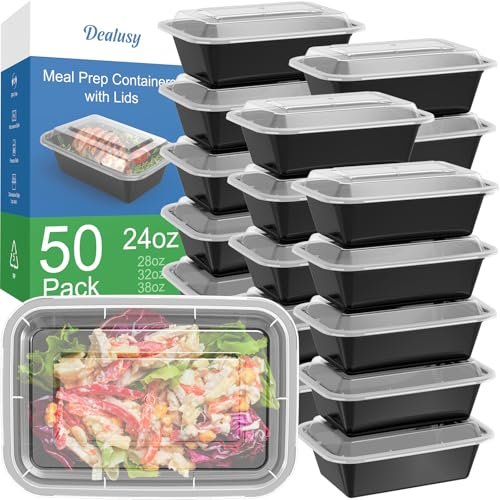
For anyone who spends Sunday afternoons batch cooking for the week, plastic disposable food storage containers are the unsung hero of a stress-free meal prep routine. Unlike single-use takeout tubs that warp and leak after one use, these affordable, reusable containers are designed to hold up to repeated freezing, microwaving, and dishwashing, eliminating the messy leaks, soggy leftovers, and wasted food that derail even the most well-intentioned meal prep plans. Whether you’re a busy professional packing lunches for the office, a fitness enthusiast tracking macros, or a parent prepping healthy meals for a family, the right set cuts down on daily cooking and cleanup time by 30-45 minutes for most households. Unlike glass or stainless steel alternatives, they’re lightweight, shatterproof, and low-cost enough to replace if lost or damaged, making them the most accessible storage solution for 2026 meal prep routines.
Why Plastic Disposable Food Storage Containers Are Non-Negotiable for Meal Prep Success
Unlike generic food storage tubs, meal prep-specific plastic containers are engineered to solve the unique pain points of advance cooking:
- Portion control for diet goals: Standardized capacities (16oz to 38oz) make it easy to measure servings for weight loss, muscle gain, or family meal planning without guesswork.
- Leakproof transport for on-the-go meals: Airtight, silicone-sealed lids prevent spills in backpacks, gym bags, and lunch boxes, even for liquid-heavy meals like soup or curry.
- Freezer-to-microwave convenience: Eliminate the need to transfer food between containers by reheating directly from the freezer to the microwave, saving time and reducing dishware to wash.
- Space-saving stackability: Uniform rims let you stack containers vertically in the fridge, freezer, or pantry, reducing clutter and maximizing storage space for bulk ingredients.
- Food safety and freshness: BPA-free, food-grade plastic creates an airtight seal that prevents freezer burn, keeps produce crisp, and stops cross-contamination between meals.
In practice, a common meal prep mistake is using random mismatched containers that don’t seal properly or fit together in the fridge, leading to wasted space and spoiled food. A dedicated set of plastic disposable containers fixes this issue for a fraction of the cost of premium glass or metal alternatives.
Key Features to Prioritize When Shopping for 2026
Not all plastic food storage containers are built for repeated meal prep use. Prioritize these features to avoid warped, leaky, or unsafe containers:
Food Safety Certifications
All food-grade plastic sold in the U.S. must meet FDA food contact standards, but look for explicit labeling confirming the container is BPA-free, BPS-free, and phthalate-free. For extra peace of mind, opt for containers with NSF certification, which verifies they meet strict public health and safety standards.
Leakproof Seal Performance
A true leakproof seal uses a silicone gasket that locks into place, not just a snap-on plastic lid. Test new containers by filling them with water, sealing them tightly, and shaking them upside down for 10 seconds before first use to confirm no leaks.
Temperature Tolerance
Confirm containers are rated for microwave use (up to 212°F / 100°C), freezer storage (down to -20°F / -29°C), and dishwasher cleaning (top rack only, to avoid warping from bottom heating elements).
Design and Stackability
Compartmentalized designs are ideal for macro tracking, while clear plastic lets you identify contents at a glance without opening the lid. Uniform stackable rims maximize storage space in small kitchens.
Material Thickness
Thicker plastic (measured in mils, 1 mil = 0.001 inch) resists cracking, staining, and warping from hot or oily foods. Aim for 3-5 mil thickness for daily use; thinner 1-2 mil plastic is better suited for single-use or occasional use.
| Product | Capacity | Compartments | Pack Size | Best For | Approx. Price Point |
|---|---|---|---|---|---|
| Dealusy 24oz 2-Compartment | 24oz | 2 | 50 sets (100 pieces) | Macro-friendly on-the-go meals | Budget |
| IUMÉ 26oz Single-Compartment | 26oz | 1 | 50 sets (100 pieces) | Full single-serve meals | Budget |
| Freshware 24oz 1-Compartment | 24oz | 1 | 50 sets (100 pieces) | Everyday meal prep | Mid-range |
| Kitch’nMore 38oz Extra-Large | 38oz | 1 | 30 sets (60 pieces) | Family bulk prep | Mid-range |
| Dipoo Deli Variety Pack | 8/16/32oz | 1 | 60 sets (120 pieces) | Flexible portioning for all meal types | Mid-range |
| Glad 25oz Medium Square | 25oz | 1 | 5 sets (10 pieces) | Everyday leftovers and lunches | Premium |
| Freshware 16oz Deli | 16oz | 1 | 50 sets (100 pieces) | Snacks, dips, and small portions | Budget |
| WGCC 24oz Extra-Thick | 24oz | 1 | 50 sets (100 pieces) | Heavy, oily, or liquid-heavy meals | Mid-range |
Top-Rated Picks for Every Meal Prep Need
Best for Single-Serve, On-The-Go Meals
Dealusy 50-Pack 24oz 2-Compartment Meal Prep Containers
 The Dealusy 2-compartment set is a top pick for anyone tracking macros or packing separate sides and mains for work, school, or the gym. Each 24oz container splits evenly into two sections, so you can pack grilled chicken and roasted veggies, or pasta and salad, without them mixing. The leakproof silicone seal holds up to transport, and the containers are microwave, freezer, and top-rack dishwasher safe for all-day convenience.
Pros: Precise portion control, fully leakproof, affordable 100-piece bulk pack, stackable for easy storage.
Cons: 24oz capacity is too small for large appetites, opaque black plastic makes it hard to identify contents at a glance.
If you prioritize macro-friendly portioning for work or gym days, this set is a top value pick — grab the Dealusy 2-compartment set here.
The Dealusy 2-compartment set is a top pick for anyone tracking macros or packing separate sides and mains for work, school, or the gym. Each 24oz container splits evenly into two sections, so you can pack grilled chicken and roasted veggies, or pasta and salad, without them mixing. The leakproof silicone seal holds up to transport, and the containers are microwave, freezer, and top-rack dishwasher safe for all-day convenience.
Pros: Precise portion control, fully leakproof, affordable 100-piece bulk pack, stackable for easy storage.
Cons: 24oz capacity is too small for large appetites, opaque black plastic makes it hard to identify contents at a glance.
If you prioritize macro-friendly portioning for work or gym days, this set is a top value pick — grab the Dealusy 2-compartment set here.
IUMÉ 50-Pack 26oz Single-Compartment Microwavable Containers
 For preppers who prefer a single open space for full meals like salads, grain bowls, or stir-fries, the IUMÉ 26oz set offers a slightly larger capacity than standard 24oz options at a budget-friendly price point. The lightweight plastic is durable enough for daily use, and the stackable design fits neatly in small apartment fridges.
Pros: Larger portion size, affordable bulk pack, fully microwave and freezer safe.
Cons: Lightweight construction can crack if dropped, no compartments for separating foods.
For full, single meals without separate sides, the IUMÉ 26oz set offers great value — shop it here.
For preppers who prefer a single open space for full meals like salads, grain bowls, or stir-fries, the IUMÉ 26oz set offers a slightly larger capacity than standard 24oz options at a budget-friendly price point. The lightweight plastic is durable enough for daily use, and the stackable design fits neatly in small apartment fridges.
Pros: Larger portion size, affordable bulk pack, fully microwave and freezer safe.
Cons: Lightweight construction can crack if dropped, no compartments for separating foods.
For full, single meals without separate sides, the IUMÉ 26oz set offers great value — shop it here.
Freshware 50-Pack 24oz 1-Compartment BPA-Free Containers
 The Freshware 24oz set is built for durability, with thick, BPA-free plastic that resists warping from repeated microwave use. The uniform stackable rims make it easy to organize a week’s worth of meals in the fridge, and the standard 24oz size fits most bento box accessories for added customization.
Pros: Sturdy build, stackable design, compatible with most meal prep accessories.
Cons: Single compartment limits food separation, limited color options.
If you want a no-fuss, durable single-compartment set, the Freshware 24oz pack is a reliable choice — view it on Amazon here.
The Freshware 24oz set is built for durability, with thick, BPA-free plastic that resists warping from repeated microwave use. The uniform stackable rims make it easy to organize a week’s worth of meals in the fridge, and the standard 24oz size fits most bento box accessories for added customization.
Pros: Sturdy build, stackable design, compatible with most meal prep accessories.
Cons: Single compartment limits food separation, limited color options.
If you want a no-fuss, durable single-compartment set, the Freshware 24oz pack is a reliable choice — view it on Amazon here.
Best for Bulk and Family Meal Prep
Kitch’nMore 30-Pack 38oz Extra-Large Meal Prep Containers
 Extra-thick walls resist cracking when transporting heavy, dense meals
For batch cooking for families or meal prep for athletes with high calorie needs, the Kitch’nMore 38oz containers offer double the capacity of standard 24oz options. The extra-thick 5-mil plastic resists cracking even when filled with heavy meals like chili, pasta, or grain bowls, and the airtight seal keeps food fresh for up to 5 days in the fridge.
Pros: Extra-large capacity, ultra-durable construction, BPA-free, stackable.
Cons: Bulky design takes up extra fridge space, opaque black plastic makes content identification hard.
For batch cooking and family meal prep, the Kitch’nMore 38oz set handles large portions with ease — check it out here.
Extra-thick walls resist cracking when transporting heavy, dense meals
For batch cooking for families or meal prep for athletes with high calorie needs, the Kitch’nMore 38oz containers offer double the capacity of standard 24oz options. The extra-thick 5-mil plastic resists cracking even when filled with heavy meals like chili, pasta, or grain bowls, and the airtight seal keeps food fresh for up to 5 days in the fridge.
Pros: Extra-large capacity, ultra-durable construction, BPA-free, stackable.
Cons: Bulky design takes up extra fridge space, opaque black plastic makes content identification hard.
For batch cooking and family meal prep, the Kitch’nMore 38oz set handles large portions with ease — check it out here.
Dipoo 60-Set Deli Container Variety Pack
 Ideal for portioning soups, leftovers, and snacks of all sizes
The Dipoo variety pack includes 20 each of 32oz, 16oz, and 8oz containers, making it the most versatile option for preppers who need to store everything from full meals to snacks, dips, and sauces. The airtight lids create a leakproof seal that keeps soups and sauces from spilling in transit, and the three size options let you customize portions for every member of the household.
Pros: Flexible size range, fully leakproof, BPA-free, affordable 120-piece bulk pack.
Cons: Clear plastic stains easily with colorful foods like curry or tomato sauce, lids require firm pressure to seal properly.
If you need flexible sizing for all your meal prep needs, the Dipoo variety pack is a versatile pick — shop it here.
Ideal for portioning soups, leftovers, and snacks of all sizes
The Dipoo variety pack includes 20 each of 32oz, 16oz, and 8oz containers, making it the most versatile option for preppers who need to store everything from full meals to snacks, dips, and sauces. The airtight lids create a leakproof seal that keeps soups and sauces from spilling in transit, and the three size options let you customize portions for every member of the household.
Pros: Flexible size range, fully leakproof, BPA-free, affordable 120-piece bulk pack.
Cons: Clear plastic stains easily with colorful foods like curry or tomato sauce, lids require firm pressure to seal properly.
If you need flexible sizing for all your meal prep needs, the Dipoo variety pack is a versatile pick — shop it here.
Best for Everyday, All-Purpose Use
Glad 5-Pack 25oz Medium Square Food Storage Containers
 From the trusted Clorox family of brands, Glad’s medium 25oz containers are a staple for everyday leftovers, packed lunches, and small-scale meal prep. The transparent plastic lets you see contents at a glance, and the square design fits neatly in fridge doors and cabinet shelves for easy organization.
Pros: Durable construction, transparent for easy content ID, stackable, trusted brand reputation.
Cons: Only 5 containers per pack, so higher cost per unit than bulk sets, limited size options.
For a reliable, name-brand option for everyday use, the Glad 5-pack is a kitchen staple — view it here.
From the trusted Clorox family of brands, Glad’s medium 25oz containers are a staple for everyday leftovers, packed lunches, and small-scale meal prep. The transparent plastic lets you see contents at a glance, and the square design fits neatly in fridge doors and cabinet shelves for easy organization.
Pros: Durable construction, transparent for easy content ID, stackable, trusted brand reputation.
Cons: Only 5 containers per pack, so higher cost per unit than bulk sets, limited size options.
For a reliable, name-brand option for everyday use, the Glad 5-pack is a kitchen staple — view it here.
Freshware 50-Pack 16oz Deli Containers
 These compact 16oz containers are perfect for portioning snacks, dips, sauces, or single-serve meals for kids. The stackable design saves space in pantries and fridges, and the BPA-free plastic is safe for storing both food and non-food items like craft supplies or small hardware.
Pros: Compact size, affordable 50-pack, versatile for food and non-food uses.
Cons: Too small for full meals, plastic stains easily with dark or colorful foods.
For snack portioning and small-scale storage, the Freshware 16oz deli set is a budget-friendly pick — grab it here.
These compact 16oz containers are perfect for portioning snacks, dips, sauces, or single-serve meals for kids. The stackable design saves space in pantries and fridges, and the BPA-free plastic is safe for storing both food and non-food items like craft supplies or small hardware.
Pros: Compact size, affordable 50-pack, versatile for food and non-food uses.
Cons: Too small for full meals, plastic stains easily with dark or colorful foods.
For snack portioning and small-scale storage, the Freshware 16oz deli set is a budget-friendly pick — grab it here.
WGCC 50-Pack 24oz Extra-Thick Meal Prep Containers
 Built with 5-mil thick plastic, the WGCC containers are designed for preppers who regularly store heavy, oily, or liquid-heavy meals like curry, chili, or soup. The extra thickness resists warping and cracking even with repeated microwave and freezer use, and the leakproof seal holds up to transport without spills.
Pros: Ultra-durable construction, leakproof, BPA-free, affordable bulk pack.
Cons: Extra thickness makes them heavier to carry, limited color options.
If you regularly prep heavy, oily, or liquid-heavy meals, the WGCC extra-thick set holds up to frequent use — shop it here.
Built with 5-mil thick plastic, the WGCC containers are designed for preppers who regularly store heavy, oily, or liquid-heavy meals like curry, chili, or soup. The extra thickness resists warping and cracking even with repeated microwave and freezer use, and the leakproof seal holds up to transport without spills.
Pros: Ultra-durable construction, leakproof, BPA-free, affordable bulk pack.
Cons: Extra thickness makes them heavier to carry, limited color options.
If you regularly prep heavy, oily, or liquid-heavy meals, the WGCC extra-thick set holds up to frequent use — shop it here.
Common Mistakes to Avoid for Long-Lasting, Leakproof Performance
Even the highest-quality plastic containers will underperform if used incorrectly. Avoid these common pitfalls to get the most out of your set:
- Overfilling containers: Fill to 1-2 inches below the lid to ensure the seal locks properly. Overfilling is the #1 cause of leaks in work and gym bags.
- Skipping lid alignment: Make sure the lid is seated evenly on all four sides before snapping it closed. A crooked lid will break the leakproof seal and cause spills.
- Reheating oily or acidic foods uncovered: High-heat reheating of curry, tomato sauce, or citrus-heavy dishes can degrade plastic over time, leading to staining and chemical leaching. Use a microwave-safe cover or transfer these foods to a glass dish for reheating.
- Using the dishwasher’s bottom rack: The high heat from the bottom heating element warps plastic lids and containers over time. Always place containers on the top rack for cleaning.
- Not labeling frozen meals: Use a dry-erase marker on the plastic lid to write the meal name and date, so you don’t have to play guessing games with frozen leftovers weeks later. For tough stains, scrub with a stiff-bristled scrub brush before washing.
Sustainability and Safety Considerations for 2026
While plastic containers are not as eco-friendly as glass or stainless steel, their reusability (most last 1-2 years with proper care) cuts down on single-use plastic waste from takeout containers and zip-top bags. As of 2026, all reputable meal prep container brands comply with FDA food storage safety guidelines, which limit chemical leaching even at high temperatures, and most have eliminated BPA, BPS, and phthalates from their production processes. According to USDA meal prep safety guidance, storing hot foods in airtight containers within 2 hours of cooking reduces the risk of bacterial growth and foodborne illness by 70% compared to unsealed storage.
To extend the lifespan of your containers and reduce waste:
- Wash them by hand with heavy-duty cleaning brushes instead of using the dishwasher when possible to avoid heat warping.
- Avoid exposing them to extreme temperatures, like leaving them in a hot car or direct sunlight, which degrades plastic over time.
- Replace them only when they show signs of wear: deep stains that can’t be removed, cracks in the plastic, warped lids that no longer seal, or cloudy plastic that indicates material degradation.
- Check your local curbside recycling guidelines before throwing them away: most plastic food storage containers are made from #5 polypropylene, which is accepted by most municipal recycling programs.
For households with young children, pair safe food storage with child-safe kitchen locks to secure cabinets and drawers where cleaning supplies or sharp kitchen tools are stored, creating a fully safe kitchen space. To maximize cabinet storage for your bulk container sets, use no-drill drawer locks to keep drawers organized without damaging cabinetry.
Frequently Asked Questions
Are plastic disposable food storage containers microwave safe?
Yes, nearly all reputable brands design their containers to withstand microwave heat up to 212°F (100°C). Always remove the lid or leave it slightly ajar to let steam escape, which prevents pressure buildup and warping. Avoid microwaving containers for longer than 2-3 minutes at a time to prolong their lifespan.
Can I use these containers in the freezer?
Absolutely. All the picks listed are rated for freezer temperatures down to -20°F (-29°C). For best results, leave 1-2 inches of headspace at the top of the container, as liquids expand when frozen and can crack the container or lid if filled to the brim.
Are these containers really BPA-free?
Yes, every container featured in this guide is explicitly labeled BPA-free, and most are also free of BPS and phthalates. Look for third-party food safety certification on the packaging if you have specific chemical sensitivity concerns.
How durable are these containers?
With proper care, most plastic disposable meal prep containers last 1-2 years of regular use. Thicker plastic models (like the WGCC and Kitch’nMore picks) can last even longer with hand washing instead of dishwasher use. Replace containers immediately if they become cracked, warped, or heavily stained, as these can harbor bacteria or leach chemicals.
Can I wash these containers in the dishwasher?
Yes, all listed containers are dishwasher safe, but always place them on the top rack to avoid warping from the bottom heating element's high heat. For stubborn food stains, scrub with a stiff-bristled scrub brush before running them through the wash cycle.
Can I use these containers for hot, oily foods?
Most containers are safe for hot, non-oily foods like soup, rice, or steamed veggies. For high-oil or high-acid foods (like curry, tomato sauce, or citrus salads), it’s best to let the food cool slightly before storing, or use a glass container for these items to avoid plastic degradation over time.
How often should I replace my disposable meal prep containers?
Replace containers every 1-2 years, or immediately if they show signs of wear: deep stains that can’t be removed, cracks in the plastic, warped lids that no longer seal properly, or cloudy plastic that indicates material degradation.
Final Verdict: Are Plastic Disposable Food Storage Containers Worth It?
For most home cooks, busy professionals, and families, plastic disposable food storage containers are a low-cost, high-impact tool that eliminates the biggest pain points of meal prep: messy spills, wasted food, and hours of weekly cleanup. While they aren’t the most eco-friendly storage option on the market, their affordability, versatility, and shatterproof design make them the most accessible choice for people just starting out with meal prep, as well as seasoned preppers who want a low-maintenance, portable system.
The right set depends entirely on your specific needs: if you’re prepping single-serve lunches for work or the gym, opt for a 24-26oz single or 2-compartment set. If you’re batch cooking for a family, choose a 38oz large capacity set to reduce the number of containers you need to store. If you need flexible sizing for snacks, soups, and sauces, a deli variety pack offers the most value for money.
Ready to streamline your meal prep routine? Pick a set that matches your portion and storage needs, and cut down on weekday cooking and cleanup time starting this week. For more kitchen organization and meal prep tips, check out our go-to kitchen organization hacks.

Hi, I’m Daniel Brooks—a food lover and kitchen gear enthusiast. I enjoy testing cookware, utensils, and gadgets to see what really works in everyday cooking. At PlugChef.com, I share honest reviews, comparisons, and simple guides to help you choose the best tools for a safer, smarter, and more enjoyable kitchen.
Related posts:
 Best Water Filter for Pod Coffee Maker: Enhance Your Coffee Experience
 Best Kitchen Counter Compost Bin: Top Picks for Odor-Free Recycling
 Best Mason Jar for Cold Brew: Discover Top Picks for Iced Coffee
 Best Can Opener $50 To $100: Top Manual Options for Every Kitchen
 Best Kitchen Knives Set for Precision and Durability in Cooking
 Best Cutting Boards for Health: Discover Titanium’s Safe Kitchen Solutions