
Tired of the same old red sauce on your pasta? You’re not alone.
Sometimes, you want a change that’s just as tasty but feels fresh and exciting. Imagine enjoying pasta dishes that burst with flavor without relying on heavy tomato sauces. Whether you’re looking to impress your family, surprise your friends, or simply shake up your weeknight dinners, these no red sauce pasta recipes are exactly what you need.
Keep reading, and you’ll discover easy, delicious alternatives that will make your pasta nights something to look forward to.
Creamy Alfredo Pasta
Creamy Alfredo pasta is a rich and comforting dish loved by many. It uses a smooth white sauce instead of traditional red tomato sauce. This recipe highlights simple ingredients that create a velvety texture and bold flavor. Perfect for those who want a pasta dish without the tangy taste of red sauce.
Classic Alfredo Sauce
The classic Alfredo sauce combines butter, heavy cream, and Parmesan cheese. Melt butter gently in a pan. Add cream and stir until warm. Mix in freshly grated Parmesan cheese slowly. Stir constantly to avoid lumps. Season with salt and pepper to taste. This sauce clings beautifully to fettuccine or any pasta shape.
Variations With Chicken And Veggies
Add grilled chicken for extra protein and flavor. Cook chicken breasts with simple seasoning until golden. Slice and toss into the creamy sauce. Vegetables like broccoli, mushrooms, or peas add color and nutrients. Steam or sauté veggies before mixing them in. These variations make the dish hearty and balanced.
Tips For Perfect Creaminess
- Use fresh, high-quality Parmesan cheese for best taste.
- Warm the cream gently; avoid boiling to prevent curdling.
- Stir the sauce continuously for a smooth texture.
- Cook pasta al dente to hold the sauce well.
- Serve immediately to enjoy the creamy richness at its peak.
Credit: www.agourmetfoodblog.com
Pesto Pasta Delights
Pesto pasta offers a vibrant alternative to traditional red sauce dishes. Its fresh, herbaceous flavors bring a bright, satisfying taste that’s perfect for any meal. Whether you prefer the classic basil version or want to experiment with nut-free choices, pesto pasta delights can transform your dinner routine.
Traditional Basil Pesto
Traditional basil pesto combines fresh basil leaves, garlic, pine nuts, Parmesan cheese, and olive oil. Blending these simple ingredients creates a rich, aromatic sauce that clings beautifully to pasta. Try tossing it with spaghetti or linguine for a classic Italian experience.
What’s great about this pesto is how quickly you can prepare it at home. A quick pulse in a food processor takes just minutes, but the flavor payoff lasts through every bite. Adding a squeeze of lemon juice can brighten the sauce even more, making it taste fresh and lively.
Nut-free Pesto Options
If you or someone you cook for has nut allergies, you don’t have to miss out on pesto’s deliciousness. Swap pine nuts with sunflower seeds, pumpkin seeds, or even blanched almonds for a similar creamy texture. These alternatives keep the sauce rich without compromising on taste.
Another idea is using avocado to add creaminess. It changes the pesto’s consistency but offers a smooth, buttery flavor that pairs well with pasta. Do you think these nut-free options might become your new go-to? They’ve certainly surprised many of my friends.
Combining Pesto With Different Pastas
Not all pastas hold pesto sauce the same way. Thicker shapes like fusilli or farfalle catch the sauce in their grooves, giving you more flavor in every forkful. Thin strands like angel hair work well too, but add pesto lightly to avoid overpowering the delicate pasta.
Mixing pesto with warm pasta and a splash of pasta water helps create a silky sauce that coats each bite perfectly. You can also add extras like cherry tomatoes, grilled chicken, or roasted vegetables to make the dish heartier. What’s your favorite pasta shape to pair with pesto? Experimenting might lead you to a new favorite combo.
Olive Oil And Garlic Pasta
Olive oil and garlic create a simple, flavorful sauce for pasta without using red sauce. This dish is quick, light, and perfect for a tasty meal. It highlights fresh ingredients and easy cooking steps.
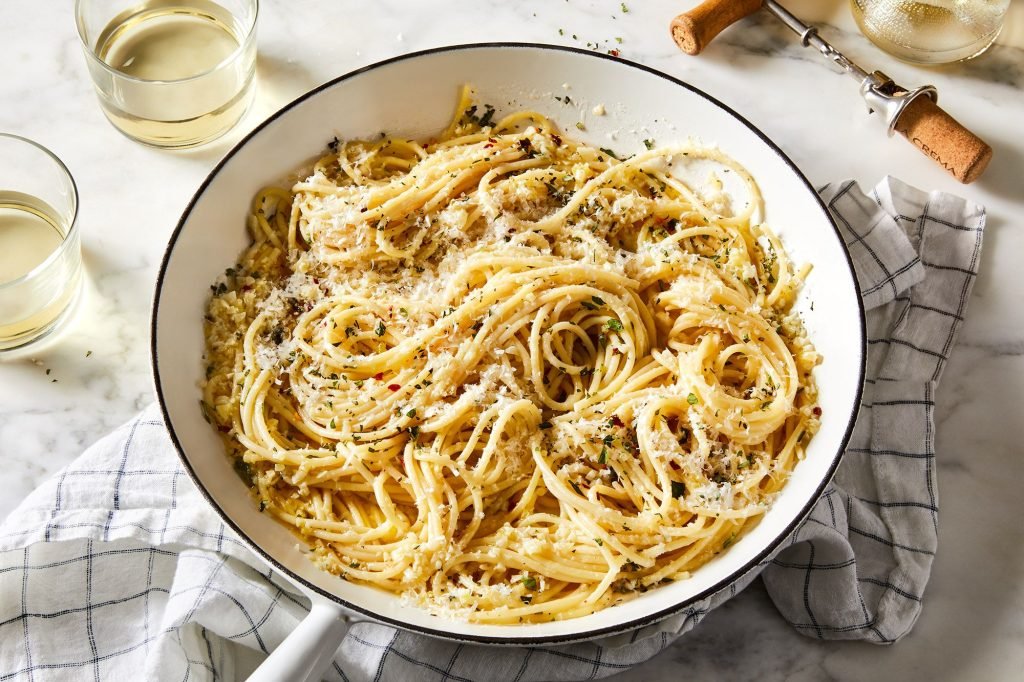
Olive Oil and Garlic Pasta is a timeless classic that embodies simplicity and flavor. This dish, often referred to as “Aglio e Olio,” is perfect for those who appreciate the uncomplicated yet rich taste of high-quality olive oil and fresh garlic. It’s a quick meal that can be prepared in under 20 minutes, making it ideal for busy weeknights or a cozy dinner at home.Simple Aglio E Olio
Aglio e Olio is the epitome of simplicity in Italian cuisine. Start by cooking your favorite pasta until al dente. In a pan, gently heat olive oil and add thinly sliced garlic, allowing it to infuse the oil with its savory aroma. Toss the pasta in the garlic-infused oil and finish with a sprinkle of Parmesan cheese for a touch of creaminess.Adding Chili For A Kick
Looking to spice things up? Add a pinch of red chili flakes to your Aglio e Olio. The heat from the chilies provides a delightful contrast to the smooth olive oil, elevating the dish to new heights. If you enjoy experimenting, try using different types of chili peppers to discover your preferred level of heat.Pairing With Fresh Herbs
Fresh herbs can transform your Olive Oil and Garlic Pasta into a fragrant masterpiece. Consider adding chopped parsley or basil just before serving. These herbs not only add a pop of color but also enhance the flavor profile, making each bite a burst of freshness. Why not grow your own herbs at home? It’s a rewarding way to have fresh ingredients at your fingertips and adds a personal touch to your culinary creations. This simple yet versatile dish invites you to experiment with flavors and make it your own. What will you add to your Olive Oil and Garlic Pasta to make it uniquely yours?
Credit: itdoesnttastelikechicken.com
Cheese-based Pasta Sauces
Cheese-based pasta sauces offer a delightful alternative to the traditional red sauce. They bring creamy textures, rich flavors, and a comforting feel to your meal. Whether you prefer a bold blend of cheeses or a smooth, mild mixture, these sauces can elevate your pasta without relying on tomatoes.
Four Cheese Blend
A four cheese blend sauce combines the best qualities of different cheeses to create a perfectly balanced flavor. Typically, you can use Parmesan, mozzarella, ricotta, and fontina for a mix of sharpness, creaminess, and meltiness. Melt the cheeses together with a bit of cream and butter for a luscious sauce that clings beautifully to your pasta.
Try adding freshly cracked black pepper or a pinch of nutmeg to bring out the cheese flavors even more. Have you ever tasted a sauce where each bite feels like a new surprise? This blend can do just that.
Ricotta And Spinach Mix
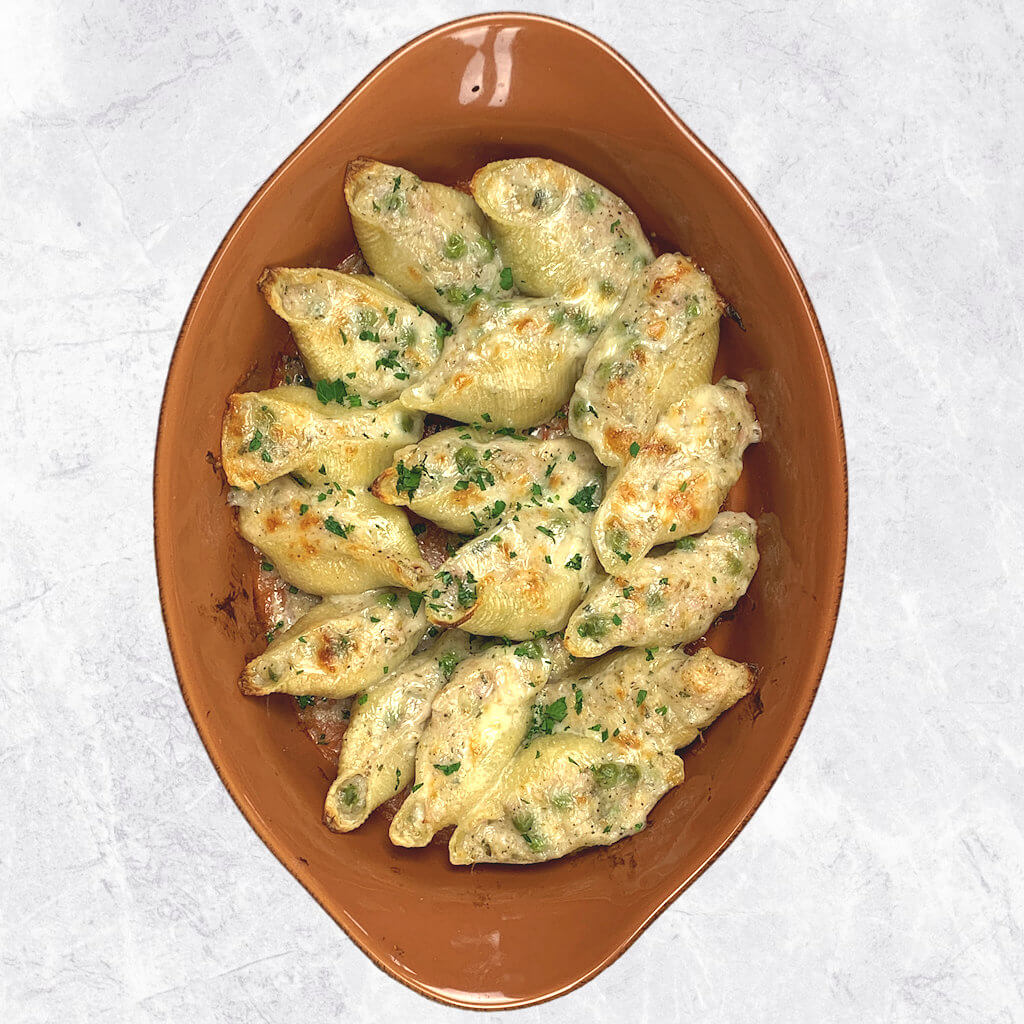
This sauce is a lighter, fresher take on cheese-based sauces. Ricotta provides a creamy base without being too heavy, while spinach adds a subtle earthiness and vibrant color. Simply sauté spinach until wilted, then stir it into ricotta with garlic, olive oil, and a little lemon zest for brightness.
This mix is perfect if you want a quick, healthy sauce that still feels indulgent. Have you noticed how spinach can transform a dish from ordinary to memorable? This combination keeps your pasta simple yet full of personality.
Using Goat Cheese For Tang
Goat cheese brings a distinctive tang and creaminess that sets it apart from other cheeses. It melts smoothly, making it easy to turn into a sauce with just a splash of milk or cream. You can add herbs like thyme or rosemary to complement its unique flavor.
Think about the last time you tried goat cheese—did its bright, slightly tart taste surprise you? Using it in your pasta sauce can offer a refreshing twist that stands out from usual cheese sauces.
Vegetable-infused Sauces
Vegetable-infused sauces bring fresh, vibrant flavors to pasta dishes without the need for red sauce. They offer a colorful, healthy alternative that enhances the natural taste of vegetables. These sauces are smooth, creamy, or chunky, adding texture and richness to every bite.
Each sauce highlights a different vegetable, creating unique tastes and aromas. These options are perfect for anyone who wants to enjoy pasta without traditional tomato-based sauces. Let’s explore some delicious vegetable-infused sauce recipes that pair wonderfully with pasta.
Roasted Red Pepper Sauce
Roasted red peppers create a sweet and smoky sauce. Blend roasted peppers with garlic, olive oil, and a touch of cream. This sauce is smooth and bright, adding a rich flavor without heaviness.
It works well with penne or rigatoni. Sprinkle fresh basil or parsley on top for a fresh finish. This sauce is simple, healthy, and full of color.
Butternut Squash Cream Sauce
Butternut squash turns into a creamy, sweet sauce perfect for pasta. Cook squash until soft, then blend with garlic, onion, and a bit of cream or milk. The sauce is silky and comforting, with a mild sweetness.
Try it with fettuccine or spaghetti. Add a pinch of nutmeg or sage for extra warmth. This sauce is creamy without cheese, making it great for lighter meals.
Mushroom And Herb Medley
This sauce combines sautéed mushrooms with fresh herbs. Use a mix of mushrooms like cremini or shiitake for deep, earthy flavors. Cook with garlic and thyme, then finish with a splash of broth or cream.
This sauce is hearty and aromatic. It pairs well with wide noodles like pappardelle. Garnish with chopped parsley or chives for a fresh touch.
Seafood Pasta Without Red Sauce
Seafood pasta without red sauce offers a fresh, vibrant alternative to traditional tomato-based dishes. These recipes highlight the natural flavors of the sea, enhanced by light and creamy sauces that won’t overpower your palate. If you want to enjoy pasta that feels both elegant and easy, focusing on seafood with buttery, wine, or creamy sauces can be a game changer.
Lemon Butter Shrimp Pasta
This dish brings together juicy shrimp and a bright, buttery sauce that you can whip up in minutes. The lemon juice adds a zesty kick that balances the richness of the butter perfectly. Tossed with your favorite pasta, it creates a simple yet satisfying meal that feels like a treat.
Try adding fresh parsley or a sprinkle of chili flakes for an extra layer of flavor. You’ll find that the freshness of lemon makes the shrimp taste even sweeter.
White Wine Clam Sauce
The delicate taste of clams pairs beautifully with the subtle acidity of white wine in this sauce. Garlic and fresh herbs lift the flavors, creating a sauce that’s light but full of depth. This combination is perfect if you want to impress without spending hours in the kitchen.
Consider using fresh clams if you can; they add an authentic ocean taste that canned clams can’t match. Serve with spaghetti or linguine for a classic touch.
Creamy Crab Pasta
Creamy crab pasta offers a luxurious texture without the heaviness of a red sauce. The sweetness of crab meat shines through in a sauce made from cream, garlic, and a hint of lemon. It’s a perfect choice when you want a comforting dish that still feels light and special.
Adding a bit of grated Parmesan or fresh dill can elevate this dish even more. Have you tried mixing crab with fresh herbs to see how it changes the flavor profile?
Tips For Enhancing Flavor
Enhancing the flavor of no red sauce pasta recipes is all about making smart choices that bring out the best in every ingredient. You don’t need a tomato base to create a dish bursting with taste. Simple tweaks in pasta selection, texture balance, and ingredient quality can elevate your meal from ordinary to memorable.
Choosing The Right Pasta Shape
Your pasta shape affects how sauce and ingredients cling to it. Thicker sauces or chunky toppings work better with shapes like rigatoni or penne because their ridges hold onto flavors well.
Thin sauces or olive oil-based dressings suit long strands like spaghetti or linguine, letting the flavors coat each bite evenly. Think about what you want to highlight and choose pasta that complements those textures.
Balancing Textures And Ingredients
Think beyond flavor and focus on texture contrast. Crunchy ingredients like toasted nuts or crisp vegetables add excitement against soft pasta.
Mix creamy elements, such as cheese or avocado, with fresh herbs or lemon zest to create layers that keep your palate interested. What’s the last pasta dish you ate that surprised you with its texture?
Using Fresh And Quality Ingredients
Freshness makes a huge difference. Fresh garlic, herbs, and vegetables add brightness that dried or processed items can’t match.
Choose quality olive oil and freshly grated cheese; these simple touches boost flavor without overpowering your dish. Have you noticed how a splash of good olive oil changes the entire taste?

Credit: itdoesnttastelikechicken.com
Frequently Asked Questions
What Are Popular No Red Sauce Pasta Recipes?
Popular no red sauce pasta recipes include Alfredo, pesto, garlic butter, and creamy mushroom pasta. These use white or green sauces instead of tomato-based ones. They offer rich flavors and creamy textures, perfect for those avoiding red sauces or seeking variety in pasta dishes.
Can I Make No Red Sauce Pasta Gluten-free?
Yes, you can make gluten-free no red sauce pasta using gluten-free pasta varieties. Use sauces like pesto, olive oil with garlic, or creamy cheese sauces. Ensure all ingredients, including seasonings, are gluten-free for a safe and delicious meal.
How To Add Flavor Without Red Sauce In Pasta?
Add flavor using herbs, garlic, olive oil, cheese, and vegetables. Use sauces like Alfredo, pesto, or lemon butter for rich taste. Spices like chili flakes and black pepper also enhance flavor without relying on red sauce.
Are No Red Sauce Pasta Recipes Healthier?
No red sauce pasta recipes can be healthier depending on ingredients. Using olive oil, fresh herbs, and vegetables reduces calories and adds nutrients. Avoid heavy cream or excessive cheese for a lighter option.
Conclusion
No red sauce pasta recipes bring fresh flavors to your table. Creamy, cheesy, or olive oil-based sauces offer variety. These dishes are easy to make and enjoy. Perfect for anyone who wants something different. Try these recipes to add new tastes to dinner.
Pasta without red sauce can still be delicious. Experiment with herbs, garlic, and veggies for extra zest. Simple meals can be tasty and satisfying. Enjoy your next pasta night with these ideas.

Hi, I’m Daniel Brooks—a food lover and kitchen gear enthusiast. I enjoy testing cookware, utensils, and gadgets to see what really works in everyday cooking. At PlugChef.com, I share honest reviews, comparisons, and simple guides to help you choose the best tools for a safer, smarter, and more enjoyable kitchen.
Related posts:
 What Type of Cooking Utensils are Safe: Expert Picks
 What Innovations Could Blenders Make: Unleashing Future Tech
 Smart Strategies to Organize a Small Kitchen: Maximize Space
 How to Organize a Kitchen Cabinet: Expert Tips & Tricks
 How to Organize Kitchen Drawers: Expert Tips and Tricks
 How to Organize a Corner Kitchen Cupboard: Expert Tips

