

Are you craving a warm, comforting meal that feels like a hug in a dish? Homemade Chicken Pot Pie Casserole is exactly what you need.
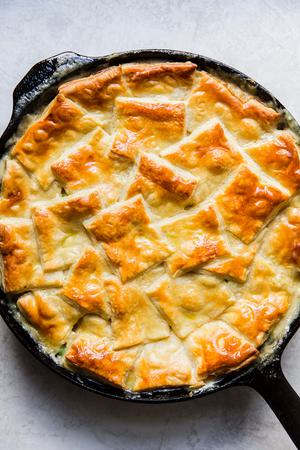
Imagine tender chicken, fresh vegetables, and creamy sauce all baked under a golden, flaky crust. It’s easy to make and perfect for busy nights when you want something satisfying without the fuss. Keep reading, and you’ll discover how simple it is to create this classic favorite right in your own kitchen.
Your taste buds will thank you!
Credit: themodernproper.com
Ingredients For Chicken Pot Pie Casserole
Creating a delicious chicken pot pie casserole starts with the right ingredients. Each component brings flavor and texture to the dish. Choosing fresh, quality ingredients makes the casserole taste homemade and comforting.
This section breaks down the key ingredients needed. From the chicken to the crust, every part matters. Understanding what to select ensures a tasty and satisfying meal.
Choosing The Best Chicken
- Use boneless, skinless chicken breasts or thighs for tenderness.
- Fresh or thawed chicken works best for even cooking.
- Cooked chicken can be shredded or diced for easy mixing.
- Organic or free-range chicken adds extra flavor and quality.
Fresh Vegetables And Herbs
- Carrots, peas, and celery provide color and crunch.
- Onions add a sweet, savory base to the casserole.
- Fresh herbs like thyme or parsley enhance the aroma.
- Frozen vegetables work too but drain well to avoid sogginess.
Creamy Sauce Components
- Butter and flour combine to make a rich roux.
- Chicken broth adds depth and savory notes.
- Milk or cream creates a smooth, creamy texture.
- Salt and pepper season the sauce to taste.
Pie Crust Options
- Store-bought pie crust saves time and effort.
- Homemade pie dough offers a flaky, buttery finish.
- Puff pastry creates a light and crispy topping.
- Biscuits or mashed potatoes can replace traditional crust.

Credit: www.simplejoy.com
Preparing The Chicken Filling
Preparing the chicken filling is where the heart of your homemade chicken pot pie casserole comes alive. This part sets the tone for flavor and texture, so taking your time here pays off. You’ll handle tender chicken, fresh vegetables, and a rich sauce that brings everything together beautifully.
Cooking And Shredding The Chicken
Start with fresh chicken breasts or thighs, whichever you prefer for juiciness. Poach the chicken gently in seasoned water or broth until fully cooked but still moist. Overcooking can dry out your filling, so keep an eye on it.
Once cooked, let the chicken cool slightly before shredding it with two forks or your fingers. Shredding allows the meat to absorb more sauce and mix evenly with the vegetables. Have you noticed how shredded chicken almost melts into the casserole, creating a comforting bite every time?
Sautéing Vegetables
Use a mix of classic vegetables like onions, carrots, and celery for that familiar pot pie taste. Heat a bit of butter or oil in a skillet and sauté them until they soften and release their natural sweetness. This step builds layers of flavor that you’ll appreciate in every mouthful.
Don’t rush this part—softened vegetables add a subtle depth that raw or undercooked veggies can’t match. Adding a pinch of salt while sautéing helps draw out moisture and enhances their natural taste.
Making The Creamy Sauce
Creating a creamy sauce is key for a luscious filling. Start by melting butter in a pan, then whisk in flour to make a roux. Slowly add chicken broth and milk while whisking constantly to avoid lumps.
Simmer the sauce until it thickens enough to coat the back of a spoon. Season with salt, pepper, and a touch of thyme or rosemary for a gentle herbal note. Have you ever tried making this sauce from scratch? It’s surprisingly simple and beats canned soups any day.
Combining Ingredients
Now, bring all the elements together. In a large bowl, mix shredded chicken, sautéed vegetables, and the creamy sauce. Stir gently to ensure every piece of chicken is coated and every vegetable is evenly distributed.
This step determines the balance of flavors and textures in your casserole. If your mixture looks too thick, add a splash of broth or milk. Too runny? Let it simmer a bit longer to thicken up. How do you like your filling consistency—thick and hearty or a bit saucier?
Assembling The Casserole
Layer tender chicken, vegetables, and creamy sauce evenly in a baking dish. Spread flaky crust on top, sealing edges well. Bake until golden and bubbly for a comforting meal.
Assembling the casserole is a crucial step in making a delicious chicken pot pie. It brings together all the flavors and textures. This section will guide you on how to layer, add the crust, and ensure it’s perfectly sealed.Layering The Filling
Start with a deep baking dish. Spread a layer of creamy chicken filling evenly. Make sure each bite will have chicken and vegetables. Use a spatula to smooth it out. This helps create an even base.Adding The Crust
Use a pre-made or homemade crust. Roll it out to cover the filling completely. Gently place it over the filled dish. Ensure it reaches the edges of the dish.Sealing And Venting
Press the crust edges with a fork. This seals the filling inside. Make small slits on top. This allows steam to escape during baking. Venting prevents the crust from becoming soggy.
Credit: www.theseasonedmom.com
Baking Tips And Tricks
Baking a homemade chicken pot pie casserole can be simple and rewarding. Following these baking tips helps create a delicious dish with the perfect texture and flavor. Small details during baking can change your casserole from good to great.
Optimal Oven Temperature
Set your oven to 375°F (190°C) for best results. This temperature cooks the filling evenly without burning the crust. Preheat the oven fully before placing the casserole inside.
Too high a temperature can burn the crust. Too low leaves the filling undercooked. Keep the temperature steady for a tender, flavorful pie.
Baking Time Guidelines
Bake the casserole for 35 to 45 minutes. Check after 30 minutes to avoid overcooking. The filling should bubble gently around the edges.
Use a timer and avoid opening the oven often. This keeps the heat stable and helps the crust rise properly. If the crust browns too fast, cover it loosely with foil.
Achieving A Golden Crust
Brush the crust with beaten egg or milk before baking. This gives a nice shine and deep golden color. Make sure to cover the edges if they brown too quickly.
For extra crispiness, bake on the middle rack. This allows even air circulation. Let the casserole rest for 10 minutes after baking. This helps the crust stay firm and the filling to set well.
Serving Suggestions
Serving your homemade chicken pot pie casserole is where the fun really begins. The right accompaniments can elevate the whole meal, turning a simple dish into a memorable feast. Whether you want something light or hearty on the side, or just a fresh pop of color on your plate, there’s a perfect way to serve your casserole.
Side Dishes To Pair
Think about adding sides that balance the creamy, comforting nature of the casserole. A crisp green salad with a tangy vinaigrette can cut through the richness and refresh your palate.
- Steamed or roasted green beans with a sprinkle of lemon zest
- Buttery mashed potatoes for an extra cozy touch
- Simple garlic bread to soak up any leftover sauce
- Roasted carrots or Brussels sprouts for added texture and flavor
What sides do you usually crave with a rich casserole? Trying something new might surprise you.
Garnishing Ideas
Garnishes add a burst of color and flavor that make your dish look as good as it tastes. Fresh herbs like parsley or thyme work beautifully on top, adding brightness with every bite.
- Chopped chives for a mild onion flavor
- A sprinkle of shredded cheddar for extra cheesiness
- Cracked black pepper and a pinch of smoked paprika for a subtle kick
- Thinly sliced green onions for a fresh crunch
Have you experimented with garnishes that bring out the best in your casserole? Sometimes the simplest touches make the biggest difference.
Storing And Reheating
Leftovers are a blessing, especially with chicken pot pie casserole. Store any uneaten portions in an airtight container and refrigerate for up to 3 days. For longer storage, freeze in portions wrapped tightly with foil or plastic wrap.
When reheating, cover the casserole with foil to keep it moist. Warm it in the oven at 350°F (175°C) for about 20 minutes or until heated through. Avoid microwaving if you want to keep the crust crispy—oven heat does the job better.
Have you noticed how leftovers sometimes taste even better the next day? Proper storage and reheating can make your casserole just as delightful, if not more.
Variations To Try
Chicken pot pie casserole is a comforting dish, but it doesn’t have to be the same every time. Trying different variations can keep it exciting and suit your tastes or dietary needs. Whether you want to switch up the protein, go meatless, or add a flavor twist, there are plenty of ways to make this dish your own.
Using Different Proteins
If you’re not a fan of chicken or simply want to change things up, swapping the protein is easy. Turkey works wonderfully, especially if you have leftovers from a holiday meal. Beef or pork can add a richer flavor, while shrimp or fish bring a lighter, seafood twist.
Think about what’s in your fridge or what’s on sale at the market. You can even mix two proteins, like chicken and sausage, for a deeper flavor profile. The key is to cook the meat thoroughly before adding it to your casserole.
Vegetarian Alternatives
Going meatless doesn’t mean giving up on comfort food. Replace the chicken with hearty vegetables like mushrooms, potatoes, or lentils to keep the dish filling. Tofu or tempeh are also great protein-rich options that soak up the creamy sauce beautifully.
Adding a variety of colorful veggies not only boosts nutrition but also makes the casserole visually appealing. Don’t forget to season well—vegetarian versions benefit from a good balance of salt, pepper, and herbs to shine.
Spice And Herb Twists
Looking to add more flavor punch? Experiment with different herbs and spices to match your mood or cuisine preference. A dash of smoked paprika or cayenne pepper can add warmth and depth, while fresh thyme or rosemary brings a fragrant note.
Why not try a curry-inspired pot pie by adding turmeric, cumin, and coriander? It’s a simple way to transform a classic dish into something exciting. You might discover a new favorite just by tweaking the seasoning.
Frequently Asked Questions
What Ingredients Are Needed For Chicken Pot Pie Casserole?
You need cooked chicken, mixed vegetables, cream of chicken soup, biscuits, and seasonings. These combine for a creamy, hearty casserole.
How Long Does Homemade Chicken Pot Pie Casserole Take?
It takes about 45 minutes total—20 minutes prep and 25 minutes baking. It’s a quick, comforting meal.
Can I Use Frozen Vegetables In This Casserole?
Yes, frozen vegetables work well. Just thaw or cook slightly before mixing. It keeps the dish easy and convenient.
How Do I Store Leftovers Properly?
Store leftovers in an airtight container in the fridge. Consume within 3-4 days for best taste and safety.
Conclusion
This homemade chicken pot pie casserole is warm and comforting. It uses simple ingredients you can find easily. The recipe is quick to make, perfect for busy days. Everyone at the table will enjoy its creamy, savory taste. Try this dish to feel cozy and satisfied.
Cooking at home can be fun and delicious. Give this casserole a chance and enjoy a hearty meal. Easy to prepare, it fits well into any weeknight dinner. A tasty, classic dish that never goes out of style.

Hi, I’m Daniel Brooks—a food lover and kitchen gear enthusiast. I enjoy testing cookware, utensils, and gadgets to see what really works in everyday cooking. At PlugChef.com, I share honest reviews, comparisons, and simple guides to help you choose the best tools for a safer, smarter, and more enjoyable kitchen.
Related posts:
 What Type of Cooking Utensils are Safe: Expert Picks
 What Innovations Could Blenders Make: Unleashing Future Tech
 Smart Strategies to Organize a Small Kitchen: Maximize Space
 How to Organize a Kitchen Cabinet: Expert Tips & Tricks
 How to Organize Kitchen Drawers: Expert Tips and Tricks
 How to Organize a Corner Kitchen Cupboard: Expert Tips

