
Are you looking for a delicious way to make your chicken dinners more exciting? Chicken thighs with apricot preserves offer a perfect balance of savory and sweet that will surprise your taste buds.
This easy recipe brings together tender, juicy chicken and the fruity sweetness of apricot preserves, creating a mouthwatering dish you’ll want to make again and again. Keep reading, and you’ll discover how simple it is to transform everyday ingredients into a meal that feels special—and tastes unforgettable.
Choosing The Right Chicken Thighs
Choosing the right chicken thighs sets the foundation for a delicious meal. The texture and flavor can change depending on the type you select. Picking the best cut ensures your dish pairs perfectly with apricot preserves.
Bone-in Vs Boneless
Bone-in chicken thighs offer more flavor during cooking. The bone helps keep the meat juicy and tender. Boneless thighs cook faster and are easier to eat. They work well for quick meals or recipes needing bite-sized pieces.
Skin-on Benefits
Skin-on thighs create a crispy, golden crust when cooked. The skin adds extra fat and flavor, enhancing the dish. Removing the skin reduces fat but may lose some taste. Keeping the skin helps lock in moisture during baking or frying.
Fresh Vs Frozen
Fresh chicken thighs have a firmer texture and better flavor. They cook evenly and absorb marinades well. Frozen thighs are convenient and last longer in the freezer. Thaw frozen thighs slowly for best results and even cooking.
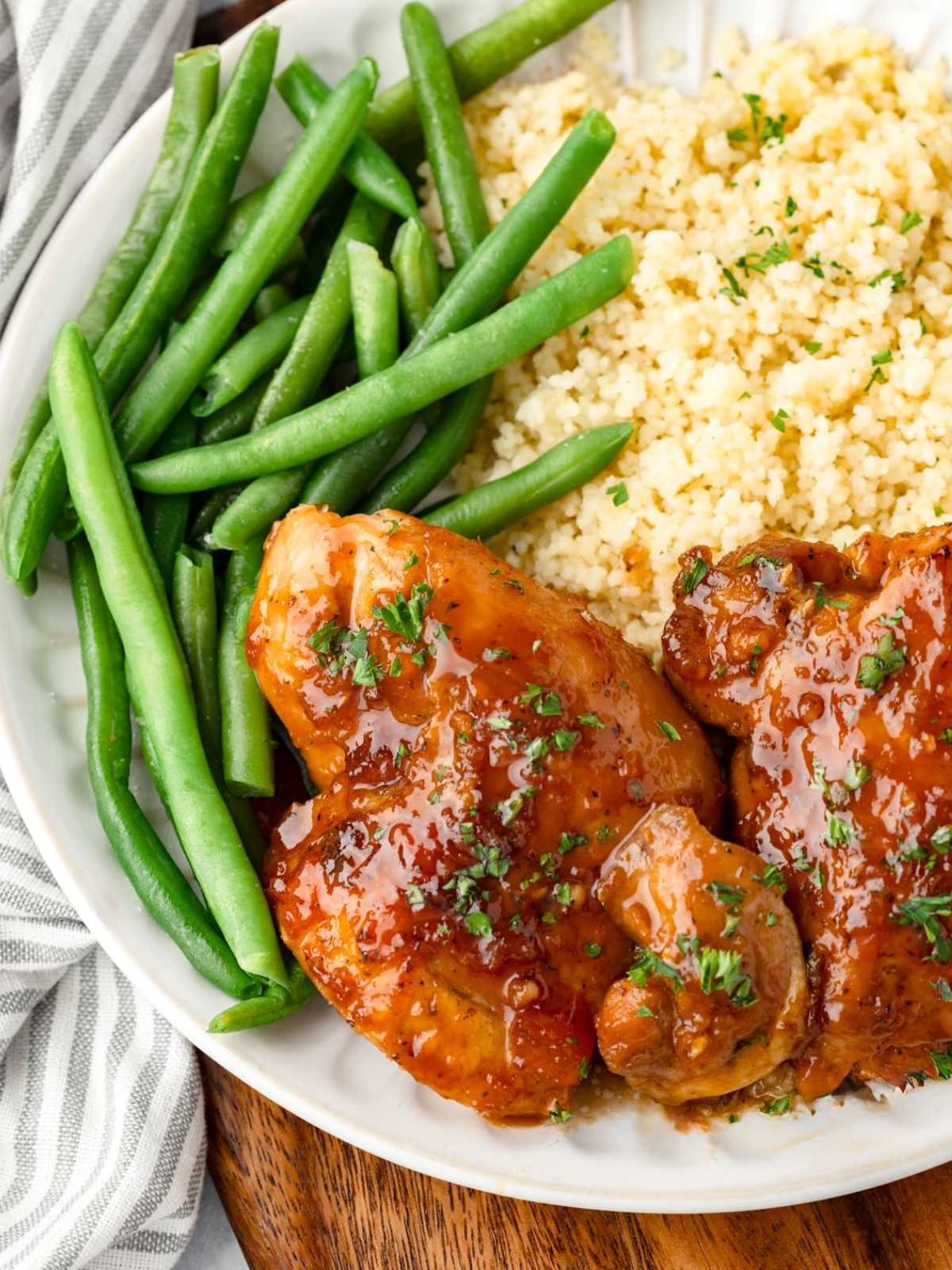
Credit: quichemygrits.com
Apricot Preserves Selection
Choosing the right apricot preserves is key for delicious chicken thighs. The preserve should enhance the dish with a mix of flavors. It must complement the savory taste of the meat.
Understanding types of apricot preserves helps in picking the best option. The balance of sweetness and tartness impacts the final flavor. Deciding between store-bought and homemade versions affects texture and freshness.
Types Of Apricot Preserves
Apricot preserves come in different styles:
- Jam:Smooth texture with crushed apricots.
- Preserves:Larger fruit pieces, chunkier feel.
- Marmalade:Includes peel for extra texture and bitterness.
- Conserve:Mix of fruits, often with nuts and raisins.
Each type changes the dish’s texture and flavor intensity.
Balancing Sweetness And Tartness
Sweetness should not overpower the chicken’s flavor. Tartness adds brightness and cuts richness. Choose preserves with a natural, mild tartness for depth.
A too-sweet preserve may mask the spices in the chicken. Tart notes bring harmony to the savory and sweet blend.
Store-bought Vs Homemade
Store-bought preserves offer convenience and consistency. They vary in sugar and fruit content. Check labels for natural ingredients and less added sugar.
Homemade preserves provide control over sweetness and texture. They taste fresher and can be customized. Making preserves allows using ripe apricots for strong flavor.
Both options have pros. Match your choice to recipe needs and time available.
Flavor Pairings For Chicken And Apricot
Chicken thighs with apricot preserves create a delightful culinary experience. This dish blends the succulent taste of chicken with the sweet and tangy flavor of apricots. To enhance this pairing, consider adding various herbs, spices, and complementary ingredients. These additions can elevate the dish, creating a balanced and flavorful meal.
Herbs And Spices
Herbs and spices add depth to chicken and apricot dishes. Thyme offers earthy notes that contrast the apricot’s sweetness. Sage adds a savory touch, enhancing the chicken’s richness. A hint of rosemary brings a fragrant aroma, making every bite memorable.
Complementary Ingredients
Enhance the dish with complementary ingredients. Sliced almonds add crunch and a nutty flavor. Onions, caramelized slowly, impart a subtle sweetness. Garlic, sautéed until golden, provides a warm, rich undertone. Each ingredient complements the apricot preserves beautifully.
Savory And Sweet Combinations
Balancing savory and sweet elements creates harmony. Soy sauce introduces a salty contrast to the apricot’s sweetness. Mustard adds a spicy kick, enhancing the overall flavor. A splash of balsamic vinegar contributes tanginess, tying all components together.
Preparation Techniques
Preparing chicken thighs with apricot preserves requires careful attention to technique. Proper preparation enhances flavor and texture. Each step influences the final taste and appearance. Focus on marinating, searing, and cooking methods for best results.
Marinating Tips
Marinate chicken thighs for at least 30 minutes. Use a mix of apricot preserves, garlic, and a splash of vinegar. This combination tenderizes the meat and adds sweetness. Keep the marinade balanced—not too thick or watery. Refrigerate while marinating to keep the chicken fresh. Avoid over-marinating to prevent a mushy texture.
Searing For Crispiness
Heat a pan until very hot before adding chicken. Use oil with a high smoke point, like canola or vegetable oil. Place chicken skin-side down without crowding the pan. Let it cook undisturbed for 4-5 minutes. This creates a golden, crispy skin. Flip once and sear the other side briefly. Searing locks in juices and boosts flavor.
Slow Cooking Vs Baking
Slow cooking softens chicken and blends flavors deeply. It suits recipes with sauces or stews. Use low heat for 4-6 hours. Baking is quicker and crisps the skin nicely. Set oven to 375°F (190°C). Bake for 30-40 minutes until cooked through. Choose slow cooking for tenderness. Pick baking for a crispy finish.
Step-by-step Cooking Guide
Preparing chicken thighs with apricot preserves is simple and rewarding. Follow this step-by-step guide to create a flavorful dish with tender meat and a sweet glaze. Each part of the process is clear and easy to follow, perfect for cooks at any skill level.
Prepping The Chicken
Start by rinsing the chicken thighs under cold water. Pat them dry with paper towels to remove moisture. This helps the skin get crispy during cooking. Trim any excess fat or skin if needed. Season both sides with salt and pepper for basic flavor. Let the chicken rest at room temperature for 10 minutes. This helps it cook evenly.
Applying The Apricot Glaze
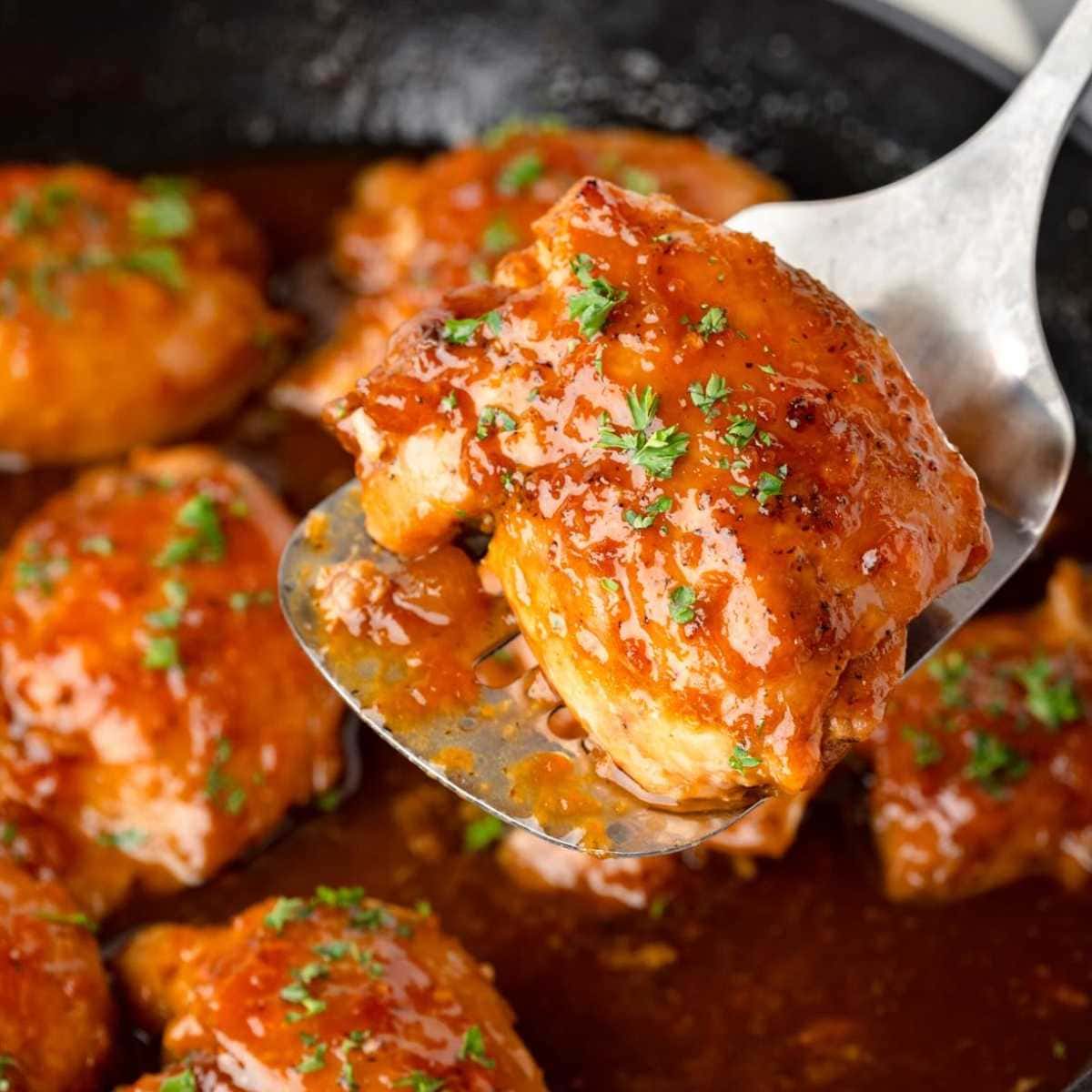
Use apricot preserves as the base for your glaze. Warm the preserves slightly in a small saucepan or microwave to make spreading easier. Add a splash of soy sauce or vinegar for extra depth, if desired. Brush the glaze evenly over each chicken thigh. Save some glaze for basting during cooking. This creates a shiny, tasty coating.
Cooking Times And Temperatures
Preheat the oven to 400°F (200°C) for roasting. Place the chicken thighs skin-side up on a baking sheet or in a roasting pan. Cook for 25 to 30 minutes, depending on size. Baste the chicken with reserved glaze halfway through cooking. Use a meat thermometer to check for doneness. The internal temperature should reach 165°F (74°C). Let the chicken rest for 5 minutes before serving. This locks in juices and flavor.
Serving Suggestions
Serving Chicken Thighs with Apricot Preserves is more than just plating a dish; it’s about creating a balanced meal that excites your taste buds and looks inviting. The sweet and savory flavors of the apricot glaze open up many possibilities for sides, presentation, and drinks. How you serve it can make a simple dinner feel like a special occasion or a cozy family meal.
Side Dishes That Complement
Pair your chicken thighs with sides that bring out the fruity sweetness and savory depth of the apricot preserves. Roasted root vegetables like carrots and parsnips add earthiness that balances the glaze. A light couscous salad with fresh herbs and lemon zest can refresh the palate between bites.
- Garlic mashed potatoes for creamy comfort
- Steamed green beans with toasted almonds for crunch and color
- Quinoa mixed with dried cranberries and walnuts for a nutty contrast
Would you try a crunchy slaw with a tangy vinaigrette to cut through the richness?
Plating Ideas
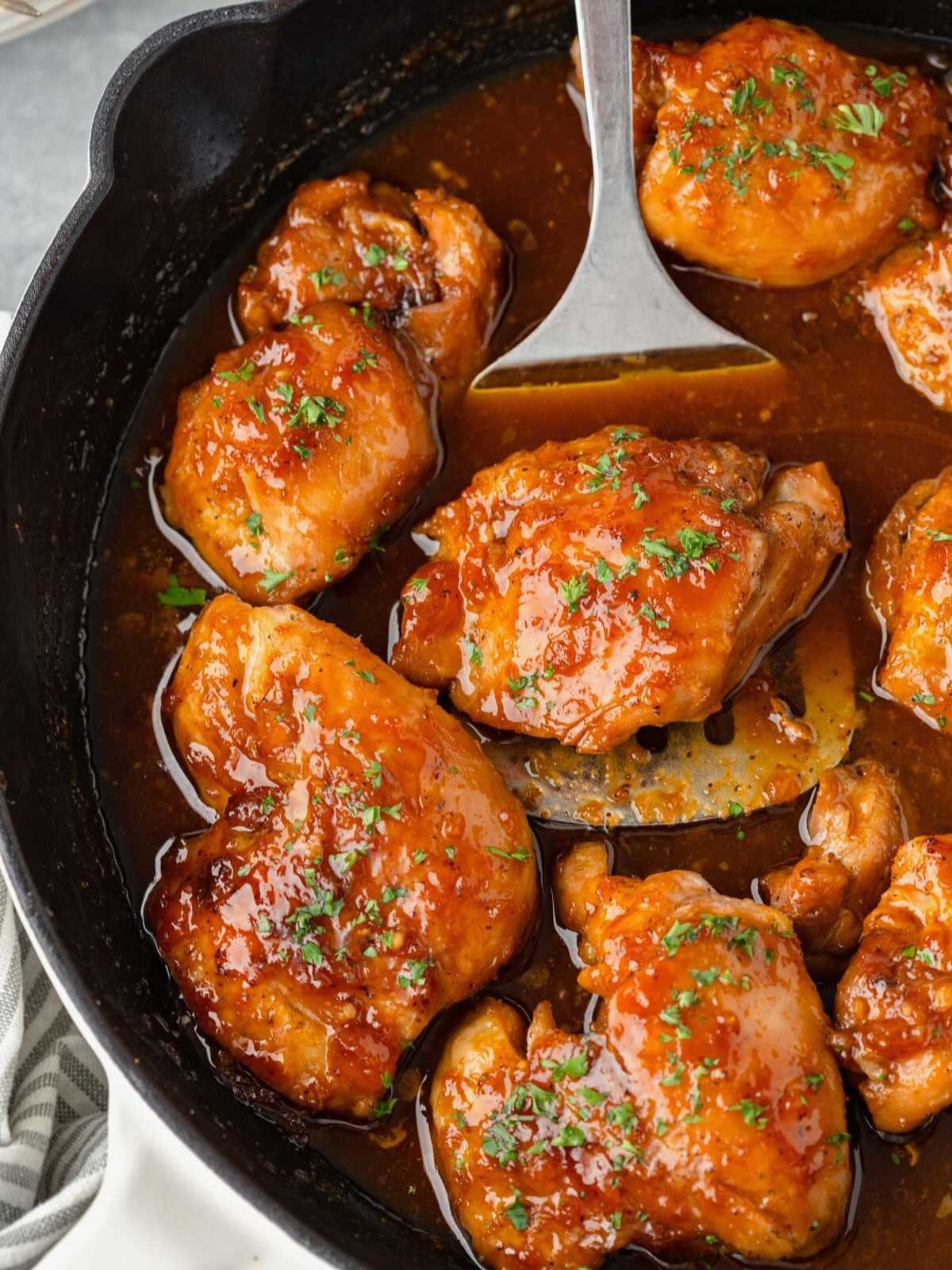
Visual appeal can elevate your meal even before the first bite. Arrange the chicken thighs on a large platter, spooning extra apricot glaze over them to create a shiny finish. Surround the meat with your colorful sides to add variety and make the dish inviting.
Try garnishing with fresh thyme or chopped parsley to add a pop of green and a fresh aroma. Serving on rustic wooden boards or simple white plates can highlight the vibrant colors of the apricot glaze and vegetables.
Wine Pairings
Choosing the right wine can enhance your dining experience by balancing the sweetness and savoriness of the chicken. A chilled Riesling with its fruity notes and crisp acidity pairs wonderfully, cutting through the glaze’s richness without overpowering it.
Pinot Noir is another excellent choice, offering light tannins and berry flavors that complement the apricot without clashing. If you prefer something sparkling, a dry Prosecco adds brightness and refreshes the palate between bites.
What wine do you usually reach for when you want to elevate a simple chicken dish?
Tips For Storing And Reheating
Proper storage and reheating keep your Chicken Thighs With Apricot Preserves tasty. These tips help maintain flavor and texture. Follow simple steps to enjoy leftovers as fresh as the first time.
Best Storage Methods
- Use airtight containers to keep chicken fresh longer.
- Store in the refrigerator within two hours of cooking.
- Keep chicken in the coldest part of the fridge.
- Label containers with the date to track freshness.
- Consume leftovers within 3-4 days for best taste.
Reheating Without Drying
- Reheat chicken slowly on low heat to keep moisture.
- Add a splash of water or broth before warming.
- Cover the dish to trap steam and avoid drying out.
- Microwave in short bursts, stirring in between.
- Oven reheating at 325°F works well for even warming.
Freezing Options
- Wrap chicken tightly in plastic wrap or foil first.
- Place wrapped chicken in a freezer-safe bag or container.
- Label with the freezing date for easy tracking.
- Freeze cooked chicken up to 3 months for best quality.
- Thaw in the refrigerator overnight before reheating.
Credit: quichemygrits.com
Credit: quichemygrits.com
Frequently Asked Questions
What Makes Apricot Preserves Good For Chicken Thighs?
Apricot preserves add a sweet and tangy flavor that complements the rich taste of chicken thighs. They also create a sticky glaze, enhancing the dish’s texture and appearance while balancing savory spices.
How Do You Cook Chicken Thighs With Apricot Preserves?
Sear the chicken thighs until golden, then brush apricot preserves over them. Bake or simmer until fully cooked, allowing the glaze to caramelize and infuse flavor.
Can I Use Other Fruit Preserves With Chicken Thighs?
Yes, you can substitute apricot preserves with peach, mango, or orange preserves for similar sweet and tangy flavors. Each offers a unique twist while complementing the chicken.
Is Chicken Thigh With Apricot Preserves Healthy?
Chicken thighs provide protein and essential nutrients. Using apricot preserves adds some sugar, so balance it with vegetables for a nutritious meal.
Conclusion
Chicken thighs with apricot preserves offer a tasty, simple meal. The sweet and savory mix makes each bite special. You can cook this dish quickly on busy days. It pairs well with rice or fresh salad. This recipe brings warmth and flavor to your table.
Try it once, and it may become a favorite. Cooking at home can be easy and fun. Enjoy a meal that pleases both your eyes and taste buds. Give this recipe a chance to brighten your dinner.

Hi, I’m Daniel Brooks—a food lover and kitchen gear enthusiast. I enjoy testing cookware, utensils, and gadgets to see what really works in everyday cooking. At PlugChef.com, I share honest reviews, comparisons, and simple guides to help you choose the best tools for a safer, smarter, and more enjoyable kitchen.
Related posts:
 What Type of Cooking Utensils are Safe: Expert Picks
 What Innovations Could Blenders Make: Unleashing Future Tech
 Smart Strategies to Organize a Small Kitchen: Maximize Space
 How to Organize a Kitchen Cabinet: Expert Tips & Tricks
 How to Organize Kitchen Drawers: Expert Tips and Tricks
 How to Organize a Corner Kitchen Cupboard: Expert Tips

