
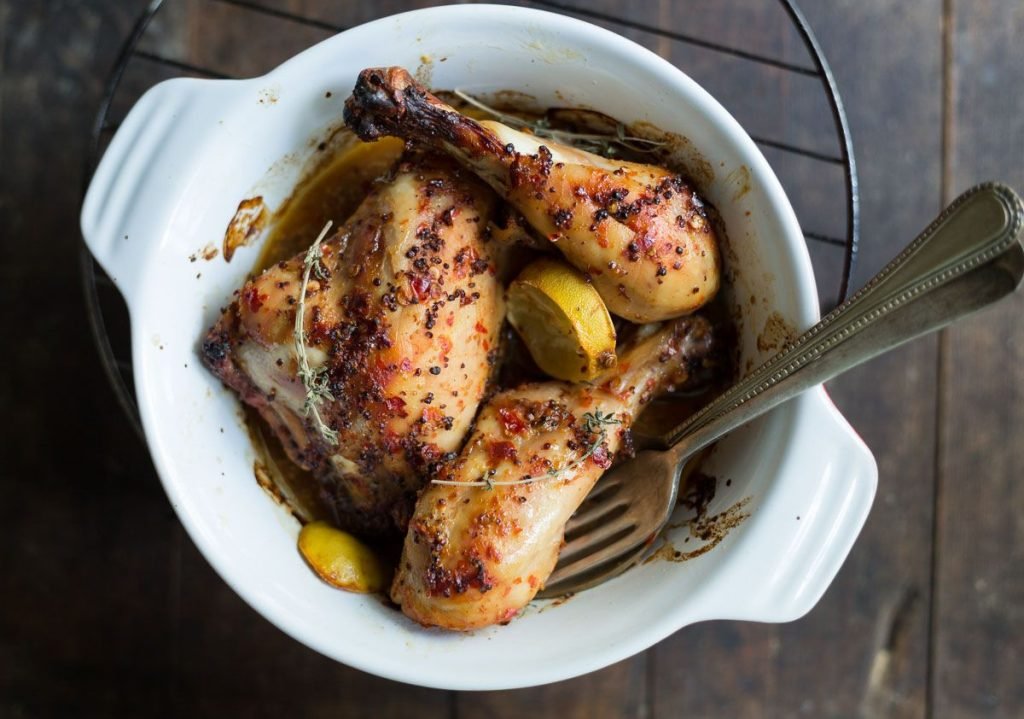
Are you looking to add a burst of flavor to your dinner routine? Maple Syrup Dijon Mustard Chicken is the perfect dish to excite your taste buds with its sweet and tangy blend.
This recipe is simple, quick, and uses ingredients you probably already have. Imagine juicy chicken glazed with a rich sauce that’s both comforting and unforgettable. Keep reading, and you’ll discover how easy it is to create a meal that feels special every time you make it.
Your next favorite dinner is just a few steps away!
Ingredients For Sweet And Tangy Chicken
The right ingredients make Maple Syrup Dijon Mustard Chicken both sweet and tangy. Each component brings flavor and balance. This dish combines the smooth sweetness of maple syrup with the sharp, zesty kick of Dijon mustard. The ingredients work together to create a rich and tasty meal.
Simple, fresh ingredients ensure the best taste. Knowing what to use helps in preparing the dish easily. The list below covers everything needed to achieve the perfect flavor.
Key Components
- Chicken breasts or thighs – tender and juicy
- Maple syrup – natural sweetness
- Dijon mustard – sharp and tangy flavor
- Garlic – adds aroma and depth
- Olive oil – for cooking and moisture
- Salt and black pepper – basic seasoning
- Apple cider vinegar – enhances tanginess
Optional Add-ins
- Fresh thyme or rosemary – adds herbal notes
- Red pepper flakes – for a mild spicy touch
- Onion powder – enhances savory flavor
- Lemon juice – brightens the taste
- Soy sauce – deepens umami flavor
- Butter – adds richness when finishing the sauce
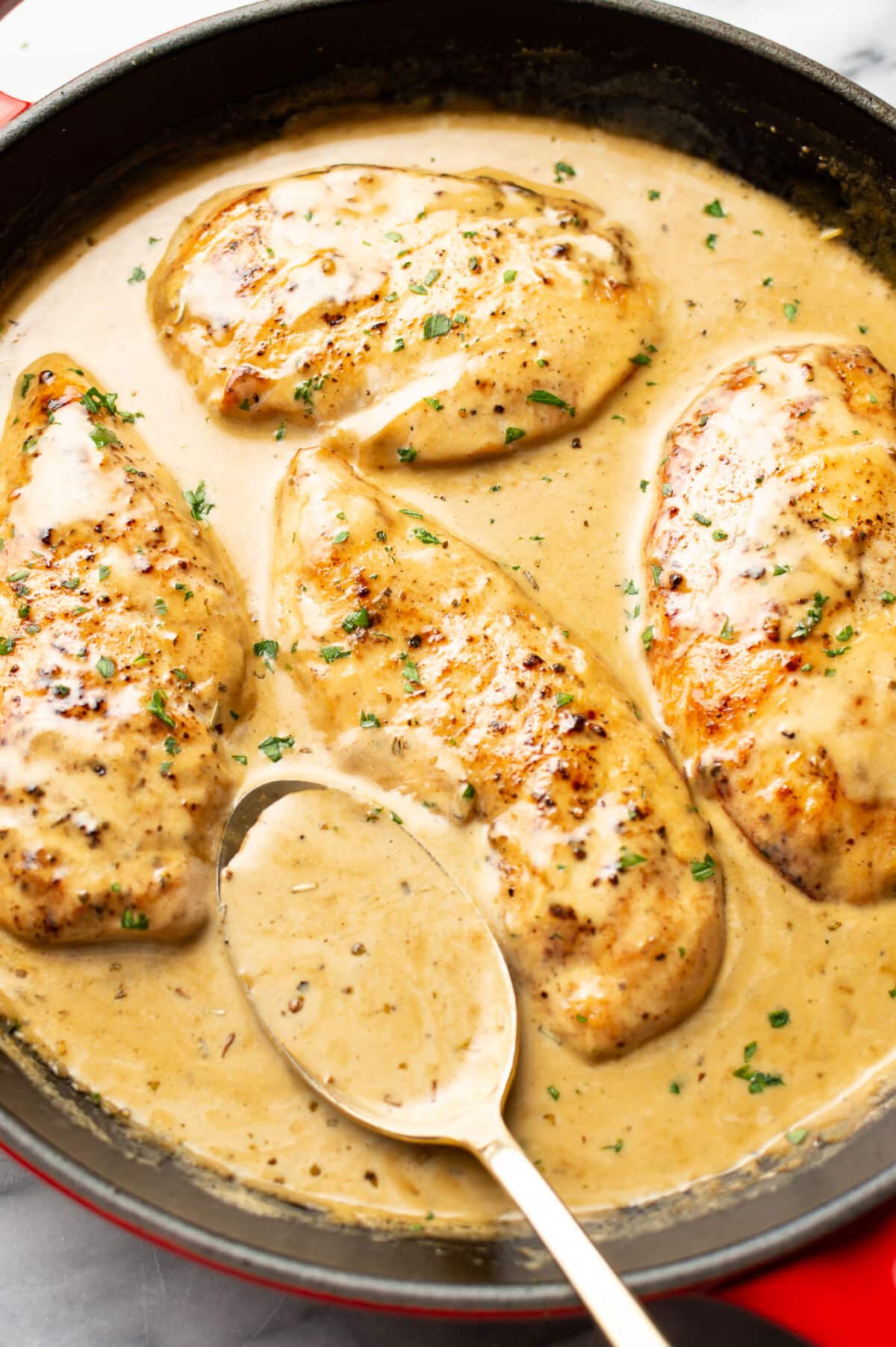
Credit: www.saltandlavender.com
Preparing The Chicken
Preparing the chicken properly sets the foundation for a delicious Maple Syrup Dijon Mustard Chicken dish. The right cut and marinating technique can make all the difference in flavor and texture. Let’s dive into how you can get your chicken ready to absorb all those wonderful flavors.
Selecting The Right Cut
Choosing the right cut of chicken affects both cooking time and taste. Boneless, skinless chicken breasts are lean and cook quickly, but can dry out if not handled carefully. Thighs, on the other hand, are juicier and more forgiving, especially if you prefer a richer flavor.
Think about how you like your chicken: tender and mild or juicy and flavorful? If you want an easy-to-eat option that pairs well with the sweetness of maple syrup and the tang of Dijon mustard, thighs might be your best bet. You can also use bone-in pieces for more depth of flavor, but remember they require longer cooking times.
Marinating Tips
Marinating is your chance to infuse the chicken with the bold flavors of maple syrup and Dijon mustard. Use a simple marinade combining these two with a touch of olive oil, garlic, and a splash of lemon juice to balance the sweetness. Let the chicken sit in the marinade for at least 30 minutes—overnight is even better if you have time.
Are you wondering how to keep the chicken moist while locking in flavor? Pat the chicken dry before cooking to get a nice sear, but don’t skip the marinade soak. A quick tip: reserve some marinade to brush on the chicken while it cooks for an extra glaze of taste and shine.
Making The Maple Syrup Dijon Sauce
Creating the perfect Maple Syrup Dijon Sauce brings magic to your chicken dish. The blend of sweet maple and tangy mustard offers a delightful taste. This sauce is simple yet full of flavor. It transforms plain chicken into a gourmet experience. Let’s explore how to craft this delicious sauce.
Combining Flavors
Start by gathering your ingredients. You need pure maple syrup and Dijon mustard. Mix these in a small bowl. Stir until well combined. The texture should be smooth and creamy. The mustard adds a zesty kick. The syrup provides a sweet balance. This mix creates a unique flavor profile.
Adjusting Sweetness And Spice
Want more sweetness? Add a little extra maple syrup. Prefer a spicier kick? Increase the Dijon mustard. Taste as you adjust. Finding the right balance is key. This ensures the sauce complements the chicken. Everyone’s palate is different. So, tweak it to suit your taste.
Cooking Techniques
Cooking Maple Syrup Dijon Mustard Chicken perfectly hinges on mastering key techniques that balance texture and flavor. How you cook the chicken affects whether it stays juicy inside while gaining a flavorful crust outside. Let’s break down two essential approaches that help you achieve this delicious contrast.
Pan-searing For Crispiness
Pan-searing is your go-to technique if you want a golden, crispy exterior on your chicken. Heat a bit of oil in a skillet over medium-high heat until it shimmers. Then, place your chicken pieces skin-side down and resist the urge to move them too soon.
This stillness lets the surface caramelize and lock in flavors. After 4-5 minutes, flip the chicken to sear the other side. You’ll notice a beautiful crust forming, which adds a satisfying texture to every bite.
Have you ever wondered why searing first is crucial before finishing the chicken in the oven? It’s because this step forms a flavor-packed barrier that seals in the juices, preventing dryness.
Oven-baking For Juiciness
Once your chicken is seared, transfer it to a preheated oven to finish cooking gently. Baking allows the heat to penetrate evenly, keeping the meat tender and juicy. Set the oven to around 375°F (190°C) and bake for 15-20 minutes, depending on the size of your chicken pieces.
This slower cooking process helps the maple syrup and Dijon mustard glaze infuse deeply into the chicken. It’s a technique I always use because it balances the crispy exterior with a moist interior flawlessly.
Think about your last dry chicken experience—did you rush the cooking or skip the resting step? Baking at the right temperature is a simple fix to avoid that common pitfall.
Serving Suggestions
Serving Maple Syrup Dijon Mustard Chicken offers a wonderful chance to create a full meal. The flavors of the chicken mix well with many side dishes. Pairing it thoughtfully makes the meal more enjoyable and balanced. Presentation matters too; simple garnishes can brighten the plate and enhance taste.
Best Side Dishes
- Steamed green beans add crunch and freshness.
- Roasted potatoes with herbs complement the chicken’s sweetness.
- Simple buttered rice soaks up the sauce nicely.
- Light mixed greens salad with a lemon vinaigrette offers a crisp contrast.
- Glazed carrots bring an extra touch of sweetness.
Garnishing Ideas
- Fresh chopped parsley adds color and a mild herb flavor.
- Thin lemon slices brighten the dish visually and taste-wise.
- Toasted almond slivers add a crunchy texture.
- A sprinkle of cracked black pepper enhances aroma and taste.
- Chopped chives give a mild onion note and fresh green color.
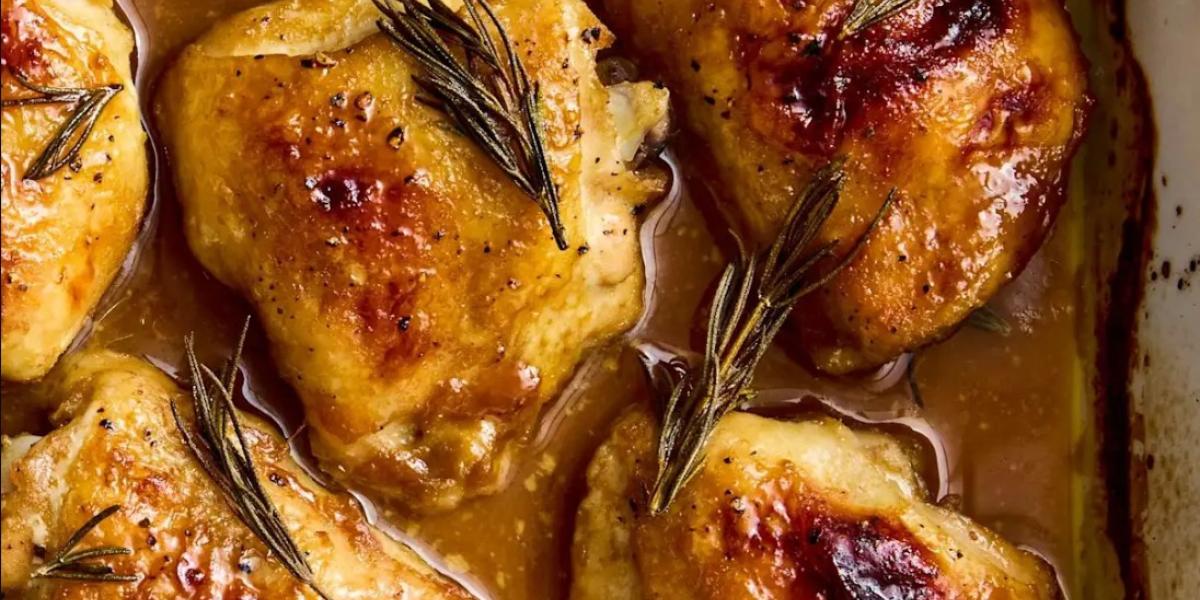
Credit: www.gobeyondhunger.org
Tips For Flavor Enhancement
Enhancing the flavor of Maple Syrup Dijon Mustard Chicken is key to making the dish memorable. Small tweaks can bring out the best tastes and textures. Focus on balancing the sweet and savory elements and using fresh herbs to brighten the dish.
Balancing Sweet And Savory
Maple syrup adds natural sweetness, but too much can overpower. Adjust the amount to keep the mustard’s sharpness clear. Try these tips:
- Start with less maple syrup and taste as you cook.
- Add a pinch of salt to enhance the savory side.
- Use Dijon mustard with a strong flavor to contrast sweetness.
- Include a splash of vinegar or lemon juice for brightness.
Using Fresh Herbs
Fresh herbs add color, aroma, and fresh flavor. They lift the dish and make it vibrant. Consider these herbs:
- Thyme for earthy notes.
- Rosemary for pine-like fragrance.
- Parsley to add a fresh, clean finish.
- Basil for a subtle sweet touch.
Add herbs at the end of cooking to keep their flavor strong. Chop them finely for even distribution.
Storing And Reheating
Knowing how to store and reheat Maple Syrup Dijon Mustard Chicken properly can make your next meal just as delicious as the first. It’s not just about keeping the chicken safe to eat but also preserving the rich flavors and tender texture that make this dish special. Let’s dive into simple yet effective ways to handle leftovers without losing any of that amazing taste.
Proper Storage Methods
Store your chicken in an airtight container to keep it fresh and prevent it from absorbing other fridge odors. Make sure it cools down to room temperature before refrigerating to avoid moisture buildup.
For longer storage, freeze the chicken in a freezer-safe bag or container. Label it with the date so you know when to use it—ideally within 2-3 months for best flavor.
- Keep sauces separate if possible; this helps maintain texture and taste when reheating.
- Use shallow containers to cool food evenly and quickly, reducing bacteria growth.
Reheating Without Losing Flavor
Reheating your Maple Syrup Dijon Mustard Chicken gently is key to preserving its juicy texture and vibrant flavors. Avoid the microwave if you can—it tends to dry out the chicken and make the mustard lose its punch.
Instead, warm it slowly on the stove over low heat. Add a splash of water or broth to keep the sauce smooth and avoid sticking. Stir frequently to heat evenly and keep the chicken moist.
If you prefer the oven, cover the chicken with foil and heat at 325°F (160°C) for about 15-20 minutes. This method keeps the chicken tender while letting the maple syrup and Dijon mustard meld back together beautifully.
Have you tried reheating this dish using different methods? You might find a new favorite way to enjoy leftovers without sacrificing flavor.

Credit: vermontmaple.org
Frequently Asked Questions
What Ingredients Are Needed For Maple Syrup Dijon Mustard Chicken?
You need chicken breasts, maple syrup, Dijon mustard, garlic, olive oil, salt, and pepper. These ingredients create a sweet and tangy flavor perfect for a quick meal.
How Do You Make Maple Syrup Dijon Mustard Chicken?
Combine maple syrup and Dijon mustard to make a sauce. Marinate chicken in the sauce, then cook until golden and cooked through. Serve hot for best taste.
Can I Use Other Types Of Mustard In This Recipe?
Yes, you can substitute Dijon mustard with whole grain or spicy brown mustard. However, Dijon provides the best balance of flavor and smooth texture.
Is Maple Syrup Dijon Mustard Chicken Gluten-free?
Yes, this dish is naturally gluten-free if you use gluten-free Dijon mustard. Always check labels to ensure all ingredients meet gluten-free standards.
Conclusion
This Maple Syrup Dijon Mustard Chicken is simple and tasty. Sweet and tangy flavors blend well with juicy chicken. It cooks quickly, perfect for busy weeknights. Serve it with rice or vegetables for a full meal. Everyone can enjoy this dish, even beginner cooks.
Try it soon and see how easy dinner can be. A great way to add flavor without much effort. This recipe will surely become a favorite at your table.

Hi, I’m Daniel Brooks—a food lover and kitchen gear enthusiast. I enjoy testing cookware, utensils, and gadgets to see what really works in everyday cooking. At PlugChef.com, I share honest reviews, comparisons, and simple guides to help you choose the best tools for a safer, smarter, and more enjoyable kitchen.
Related posts:
 What Type of Cooking Utensils are Safe: Expert Picks
 What Innovations Could Blenders Make: Unleashing Future Tech
 Smart Strategies to Organize a Small Kitchen: Maximize Space
 How to Organize a Kitchen Cabinet: Expert Tips & Tricks
 How to Organize Kitchen Drawers: Expert Tips and Tricks
 How to Organize a Corner Kitchen Cupboard: Expert Tips

