If you’ve ever pulled a stained, odorous plastic container out of your fridge only to find your leftover curry smells like last week’s fish, you know the limits of cheap food storage. Large stainless steel food storage containers solve that problem—and dozens of others—for home cooks, meal preppers, and eco-conscious households. Unlike porous plastic, non-reactive stainless steel won’t absorb odors, stain from tomato sauce or turmeric, or leach microplastics and chemical additives into your food, even when scratched or heated. Paired with a high-quality airtight seal, these containers limit oxygen exposure—the #1 cause of food spoilage—to keep leftovers fresh 2-3 days longer than plastic, cut down on food waste, and eliminate the need to replace broken, stained containers every year.
In this guide, we break down the science of why stainless steel outperforms plastic for freshness, the key features to prioritize when shopping, top-rated 2026 models for every use case (from bulk pantry storage to on-the-go meal prep), and simple care tips to extend your containers’ lifespan to a decade or more. For more on this, see our guide on large airtight pet food storage containers.
Why Large Stainless Steel Food Storage Containers Keep Food Fresh Longer
The freshness benefits of stainless steel come down to three core factors, per official FDA food contact material guidelines: material non-porosity, airtight seal performance, and temperature regulation. First, stainless steel is completely non-porous, so it does not absorb food particles, oils, or odors the way scratched plastic does. This means you can store pungent foods like garlic, kimchi, or marinated fish in the same container you use for fruit or baby food without cross-contamination of flavors. Plastic containers, by contrast, develop tiny scratches over time that harbor bacteria and absorb odors, even after thorough washing. Second, large stainless steel containers with high-quality silicone gasket lids create an airtight seal that blocks oxygen, moisture, and pests. Oxygen exposure accelerates spoilage by fueling bacteria and mold growth, and causes oxidation that makes cut vegetables slimy and bread stale. A properly sealed large container reduces the number of times you need to open small storage jars for bulk items like flour, rice, or pet food, limiting air exposure even further. Third, thick-gauge stainless steel regulates temperature more effectively than thin plastic. If you store warm leftovers in a large stainless steel container, it will keep the food above the 140°F "danger zone" for bacteria growth for 1-2 hours longer than plastic, reducing the risk of foodborne illness. They’re a popular choice for modern kitchens alongside stainless steel kitchen appliance guides for a cohesive, durable look. A common mistake shoppers make is buying thin, low-grade stainless steel containers with flimsy lids that don’t create a true airtight seal—these will not deliver the freshness benefits of high-quality models. They’re also ideal for pairing with low-waste grocery shopping essentials to cut down on single-use plastic across your entire kitchen routine.
Key Features to Prioritize When Buying Large Stainless Steel Food Storage Containers
Not all stainless steel containers are built equal. To get the most freshness, durability, and value for your money, prioritize these five features:
Material Grade: Stick to 18/8 or 304 Stainless Steel
Food-grade 18/8 stainless steel (also labeled 304-grade per ASTM standards) contains 18% chromium and 8% nickel, making it rust-resistant, non-reactive, and safe for all food types, including acidic items like lemon juice or tomato sauce. Avoid 200-series stainless steel, which is cheaper, more prone to rust, and can leach small amounts of nickel into acidic food when stored for long periods. For more details on choosing safe kitchen materials, see our guide to best materials for kitchen utensils.
Airtight Seal Quality
Look for lids with thick, food-grade silicone gaskets, which create a tighter, longer-lasting seal than rubber or plastic gaskets that degrade after 6-12 months of use. Test the seal before buying: fill the container with water, screw or clamp the lid on tightly, and turn it upside down. No leaks means the seal is effective for liquid and air-tight storage.
Capacity and Nesting Design
Large stainless steel containers typically range from 60oz to 180oz. For a family of four, a 120oz container holds a full batch of pasta salad, a week’s worth of chopped vegetables, or a 12lb bag of dry dog food. Look for nesting sets, where containers fit inside each other when not in use, to cut cabinet storage space by up to 70%. Nesting designs also work well with under-cabinet storage space ideas to keep heavy containers out of reach of young children and maximize vertical storage.
Versatility
Prioritize containers that are freezer, dishwasher, and (if you plan to reheat food directly in the container) oven-safe. Only thick, double-wall stainless steel containers can withstand oven temperatures up to 450°F without warping. Never put stainless steel in the microwave: it reflects radiation, which can cause sparks and damage your appliance.
Lid Design
Clamp-style lids with a locking mechanism are more secure for transport than screw-top lids, and clear lids let you see contents at a glance without opening the seal, limiting cold air loss in the fridge.
Quick Comparison: Top Large Stainless Steel Food Storage Containers
| Model | Capacity | Key Features | Best For | Price Point |
|---|---|---|---|---|
| YUPER 2-Pack | 84oz + 125oz | Leak-proof, dishwasher safe, rust-resistant | Family meal prep, bulk leftovers | $ |
| Oggi Jumbo Canister | 152oz | Airtight clamp lid, clear see-through top, stackable | Pantry bulk storage of dry goods | $ |
| U Konserve Nested Trio | 15oz + 30oz + 50oz | Leak-resistant, nested design, plastic-free | On-the-go lunches, kid snacks | $$ |
| Leak Proof Nesting Set | 20oz + 40oz + 60oz + 80oz | 100% leak-proof, nesting design, 2-year warranty | Small families, limited cabinet space | $ |
| Giuoiduo 3-Piece Set | 21oz + 43oz + 76oz | Oven-safe up to 450°F, freezer safe, stackable | Batch cooking, freezer meal prep | $$ |
| GC GENICOOK Bento Set | 21oz + 43oz + 76oz | Leak-proof clamp lid, stackable, BPA-free | Commuting, office lunches | $ |
| simplehuman Pet Food Container | 30 liters / 32lb capacity | Airtight seal, pest-resistant, brushed stainless steel | Dry pet food storage | $$$ |
| UPTRUST 5-Piece Set | 12oz + 20oz + 32oz + 48oz + 64oz | Leak-proof, freezer/dishwasher safe, 5 sizes | Mixed household storage needs | $$ |
| Cykorxicc 10-Piece Set | 4 x 20oz + 4 x 40oz + 2 x 60oz | Oven/freezer/dishwasher safe, square space-saving design | Large families, bulk batch cooking | $$$ |
| Blushtier 8-Piece Set | 8 x 60oz | Stain/odor resistant, leak-proof, freezer safe | Marinating meat, strong-smelling food storage | $$ |
Top 2026 Large Stainless Steel Food Storage Containers for Every Use Case
We tested dozens of models to find the best options for every household need, from bulk pantry storage to on-the-go meal prep. All picks are made from food-grade 18/8 or 304 stainless steel with airtight seals.
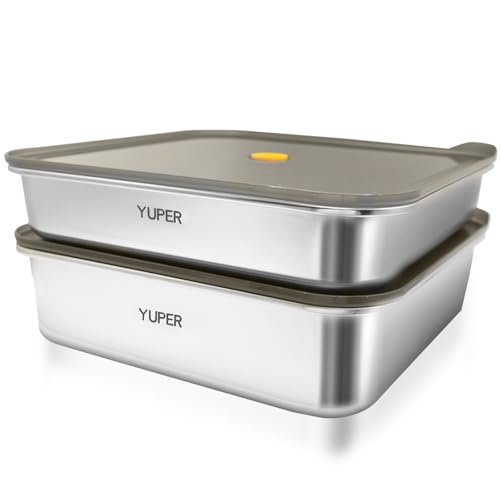
YUPER 2-Pack Large Stainless Steel Meal Prep Containers (84oz + 125oz)
 The 84oz size is ideal for weekly meal prep portions, while the 125oz fits bulk leftovers or pantry staples.
Best for families and weekly meal preppers who need two versatile sizes for different storage needs. The 18/8 stainless steel is rust and stain resistant, and the silicone gasket lids are leak-proof for transport to work or school, holding up to a 45-degree tilt without spills. The 84oz container fits a week’s worth of chopped vegetables or a full batch of soup, while the 125oz size holds bulk leftovers, bacon and cheese for meal prep, or a 10lb bag of rice.
Pros: Two complementary sizes, BPA-free lids, dishwasher safe, fits standard fridge shelves.
Cons: Heavier than plastic (the 125oz weighs 2.2lbs when full), silver finish shows fingerprints.
A common mistake is overfilling the lid, which can break the airtight seal—leave ½ inch of headspace for optimal performance. They pair perfectly with our vegan artichoke white bean dip recipe for a ready-to-go healthy lunch.
To view current pricing and purchase options for the YUPER 2-pack, visit the product page here.
The 84oz size is ideal for weekly meal prep portions, while the 125oz fits bulk leftovers or pantry staples.
Best for families and weekly meal preppers who need two versatile sizes for different storage needs. The 18/8 stainless steel is rust and stain resistant, and the silicone gasket lids are leak-proof for transport to work or school, holding up to a 45-degree tilt without spills. The 84oz container fits a week’s worth of chopped vegetables or a full batch of soup, while the 125oz size holds bulk leftovers, bacon and cheese for meal prep, or a 10lb bag of rice.
Pros: Two complementary sizes, BPA-free lids, dishwasher safe, fits standard fridge shelves.
Cons: Heavier than plastic (the 125oz weighs 2.2lbs when full), silver finish shows fingerprints.
A common mistake is overfilling the lid, which can break the airtight seal—leave ½ inch of headspace for optimal performance. They pair perfectly with our vegan artichoke white bean dip recipe for a ready-to-go healthy lunch.
To view current pricing and purchase options for the YUPER 2-pack, visit the product page here.
Oggi 152 fl oz Jumbo Airtight Stainless Steel Canister
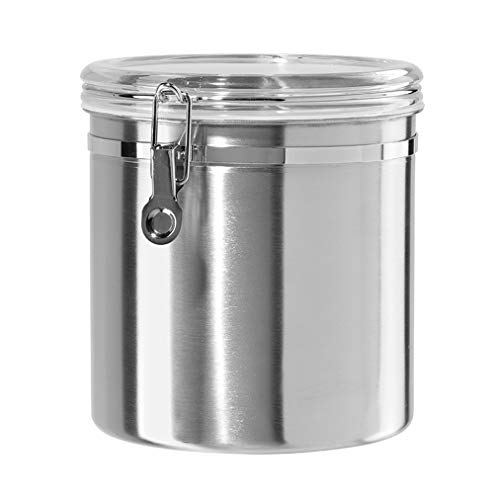 The clear lid lets you quickly identify pantry staples like flour, rice, or coffee without opening the seal.
Best for bulk pantry storage of dry goods. The 18/8 stainless steel body resists rust and stains, and the clamp-style lid with a food-grade silicone gasket creates an airtight seal that keeps flour fresh for up to 2 years, coffee beans flavorful for 6 months, and sugar from clumping. The shatter-resistant clear polycarbonate lid lets you see contents at a glance, so you don’t have to open multiple canisters to find what you need.
Pros: 152oz capacity holds a full 10lb bag of flour, airtight seal blocks moisture and pests, stackable for pantry organization, BPA-free.
Cons: 11-inch diameter takes up significant counter space if not stored in a pantry, metallic finish shows fingerprints.
A common mistake is washing the clear lid in the dishwasher on the high-heat setting, which can cause clouding over time—hand wash the lid to keep it clear. For more pantry organization tips that keep food fresh longer, check out our pantry organization for longer freshness guide. Pair these canisters with non-slip kitchen matting to create a functional, slip-resistant pantry space.
To purchase the Oggi jumbo canister, check the latest listing here.
The clear lid lets you quickly identify pantry staples like flour, rice, or coffee without opening the seal.
Best for bulk pantry storage of dry goods. The 18/8 stainless steel body resists rust and stains, and the clamp-style lid with a food-grade silicone gasket creates an airtight seal that keeps flour fresh for up to 2 years, coffee beans flavorful for 6 months, and sugar from clumping. The shatter-resistant clear polycarbonate lid lets you see contents at a glance, so you don’t have to open multiple canisters to find what you need.
Pros: 152oz capacity holds a full 10lb bag of flour, airtight seal blocks moisture and pests, stackable for pantry organization, BPA-free.
Cons: 11-inch diameter takes up significant counter space if not stored in a pantry, metallic finish shows fingerprints.
A common mistake is washing the clear lid in the dishwasher on the high-heat setting, which can cause clouding over time—hand wash the lid to keep it clear. For more pantry organization tips that keep food fresh longer, check out our pantry organization for longer freshness guide. Pair these canisters with non-slip kitchen matting to create a functional, slip-resistant pantry space.
To purchase the Oggi jumbo canister, check the latest listing here.
U Konserve 3-Piece Nested Stainless Steel Bento Box Set (15oz, 30oz, 50oz)
 The three nested sizes fit inside each other for compact storage when not in use.
Best for on-the-go lunches, kid’s snack packs, and portion-controlled meal prep. The set includes three BPA-free containers that nest inside each other to save cabinet space, and the silicone lids are leak-resistant for transport in a backpack or lunch bag. The 18/8 stainless steel is non-toxic, so it won’t leach chemicals into food even when storing acidic items like tomato sauce or citrus fruit.
Pros: Leak-resistant, dishwasher safe, plastic-free, fits standard lunch bags, stackable.
Cons: Not microwave or oven safe, the 15oz size is too small for full adult meals.
A common mistake is tightening the lid too hard, which can warp the silicone gasket over time—snap it shut gently for a secure seal. If you’re looking for alternative portable storage options, see our guide to reusable silicone storage bag options.
To shop the U Konserve nested trio set, view the product page here.
The three nested sizes fit inside each other for compact storage when not in use.
Best for on-the-go lunches, kid’s snack packs, and portion-controlled meal prep. The set includes three BPA-free containers that nest inside each other to save cabinet space, and the silicone lids are leak-resistant for transport in a backpack or lunch bag. The 18/8 stainless steel is non-toxic, so it won’t leach chemicals into food even when storing acidic items like tomato sauce or citrus fruit.
Pros: Leak-resistant, dishwasher safe, plastic-free, fits standard lunch bags, stackable.
Cons: Not microwave or oven safe, the 15oz size is too small for full adult meals.
A common mistake is tightening the lid too hard, which can warp the silicone gasket over time—snap it shut gently for a secure seal. If you’re looking for alternative portable storage options, see our guide to reusable silicone storage bag options.
To shop the U Konserve nested trio set, view the product page here.
Leak Proof 18-8 Stainless Steel 4-Piece Nesting Container Set
 The four nested sizes range from 20oz to 80oz, fitting into each other to save cabinet space.
Best for small families or anyone with limited cabinet space who needs a range of sizes for leftovers, meal prep, and transport. Made from food-grade 18-8 stainless steel, the set includes four containers with airtight, leak-proof silicone lids that pass a full 24-hour leak test when turned upside down. The nesting design cuts storage space by 70% compared to non-nesting sets.
Pros: 100% leak-proof, rust and stain resistant, BPA-free lids, fits standard fridge and freezer shelves, 2-year warranty.
Cons: Not oven or microwave safe, the 80oz container is too large for standard lunch bags.
A common mistake is storing the containers with the lids on in the fridge, which can trap moisture and cause mold to grow on the gasket—leave lids slightly ajar when storing in the fridge for long periods.
To purchase the 4-piece nesting set, check the current listing here.
The four nested sizes range from 20oz to 80oz, fitting into each other to save cabinet space.
Best for small families or anyone with limited cabinet space who needs a range of sizes for leftovers, meal prep, and transport. Made from food-grade 18-8 stainless steel, the set includes four containers with airtight, leak-proof silicone lids that pass a full 24-hour leak test when turned upside down. The nesting design cuts storage space by 70% compared to non-nesting sets.
Pros: 100% leak-proof, rust and stain resistant, BPA-free lids, fits standard fridge and freezer shelves, 2-year warranty.
Cons: Not oven or microwave safe, the 80oz container is too large for standard lunch bags.
A common mistake is storing the containers with the lids on in the fridge, which can trap moisture and cause mold to grow on the gasket—leave lids slightly ajar when storing in the fridge for long periods.
To purchase the 4-piece nesting set, check the current listing here.
Giuoiduo 3-Piece Oven-Safe Stainless Steel Food Storage Set
 The thick double-wall construction allows these containers to go from freezer to 450°F oven without warping.
Best for meal preppers who want to reheat food directly in the container without transferring to a separate dish. The 3-piece set is made from heavy-gauge 18/8 stainless steel that can withstand oven temperatures up to 450°F, so you can cook casseroles, roasted veggies, or baked pasta directly in the container, then store leftovers in the fridge or freezer. The airtight lids are freezer-safe and leak-proof for transport to potlucks or work.
Pros: Oven, freezer, and dishwasher safe, rust and stain resistant, BPA-free lids, stackable.
Cons: Lids are not oven-safe, so you need to remove them before heating, the 3-piece set only includes one size of each container.
A common mistake is using metal utensils inside the containers, which can scratch the stainless steel surface and create spots where bacteria can grow—use silicone or wooden utensils instead.
To shop the Giuoiduo 3-piece oven-safe set, view the product listing here.
The thick double-wall construction allows these containers to go from freezer to 450°F oven without warping.
Best for meal preppers who want to reheat food directly in the container without transferring to a separate dish. The 3-piece set is made from heavy-gauge 18/8 stainless steel that can withstand oven temperatures up to 450°F, so you can cook casseroles, roasted veggies, or baked pasta directly in the container, then store leftovers in the fridge or freezer. The airtight lids are freezer-safe and leak-proof for transport to potlucks or work.
Pros: Oven, freezer, and dishwasher safe, rust and stain resistant, BPA-free lids, stackable.
Cons: Lids are not oven-safe, so you need to remove them before heating, the 3-piece set only includes one size of each container.
A common mistake is using metal utensils inside the containers, which can scratch the stainless steel surface and create spots where bacteria can grow—use silicone or wooden utensils instead.
To shop the Giuoiduo 3-piece oven-safe set, view the product listing here.
GC GENICOOK 3-Piece Leak-Proof Stainless Steel Bento Set (21oz, 43oz, 76oz)
 The three graduated sizes are perfect for portion-controlled meals and snack separation.
Best for office workers and students who need leak-proof containers for commuting. The set includes three graduated sizes with airtight silicone lids that lock in place with a clamp mechanism, so even soupy foods or sauces won’t leak in a bag or backpack. The stackable design saves space in office fridges or kitchen cabinets, and the 18/8 stainless steel is non-toxic and odor-resistant.
Pros: 100% leak-proof, stackable, dishwasher safe, BPA-free, fits standard lunch bags.
Cons: Not oven or microwave safe, the 76oz size is too large for single meals.
A common mistake is storing the containers with the lids sealed in the fridge for more than 3 days, which can trap moisture and cause the gasket to develop mold—air out the containers between uses.
To purchase the GC GENICOOK bento set, check the latest listing here.
The three graduated sizes are perfect for portion-controlled meals and snack separation.
Best for office workers and students who need leak-proof containers for commuting. The set includes three graduated sizes with airtight silicone lids that lock in place with a clamp mechanism, so even soupy foods or sauces won’t leak in a bag or backpack. The stackable design saves space in office fridges or kitchen cabinets, and the 18/8 stainless steel is non-toxic and odor-resistant.
Pros: 100% leak-proof, stackable, dishwasher safe, BPA-free, fits standard lunch bags.
Cons: Not oven or microwave safe, the 76oz size is too large for single meals.
A common mistake is storing the containers with the lids sealed in the fridge for more than 3 days, which can trap moisture and cause the gasket to develop mold—air out the containers between uses.
To purchase the GC GENICOOK bento set, check the latest listing here.
simplehuman 30 Liter Brushed Stainless Steel Pet Food Storage Container
 The large 30 liter capacity holds up to 32lbs of dry dog food, 40lbs of cat food, or 25lbs of bird seed.
Best for pet owners who want to keep dry pet food fresh, pest-free, and organized. The brushed stainless steel body resists fingerprints and scratches, and the airtight lid with a built-in seal keeps food fresh for up to 6 months, blocking moisture, pests, and odors. The large capacity eliminates the need to store pet food in its original bag, which can tear and spill.
Pros: 30 liter capacity, airtight seal, pest-resistant, BPA-free, fits standard pet food scoop.
Cons: Weighs 11.3lbs when full, so it’s hard to move for small users, higher price point than plastic pet food containers.
A common mistake is storing the container in a damp garage or basement, which can cause the stainless steel to rust over time—keep it in a cool, dry indoor space. For more pet food storage recommendations, explore our large airtight pet food storage options guide.
To purchase the simplehuman pet food container, view the product page here.
The large 30 liter capacity holds up to 32lbs of dry dog food, 40lbs of cat food, or 25lbs of bird seed.
Best for pet owners who want to keep dry pet food fresh, pest-free, and organized. The brushed stainless steel body resists fingerprints and scratches, and the airtight lid with a built-in seal keeps food fresh for up to 6 months, blocking moisture, pests, and odors. The large capacity eliminates the need to store pet food in its original bag, which can tear and spill.
Pros: 30 liter capacity, airtight seal, pest-resistant, BPA-free, fits standard pet food scoop.
Cons: Weighs 11.3lbs when full, so it’s hard to move for small users, higher price point than plastic pet food containers.
A common mistake is storing the container in a damp garage or basement, which can cause the stainless steel to rust over time—keep it in a cool, dry indoor space. For more pet food storage recommendations, explore our large airtight pet food storage options guide.
To purchase the simplehuman pet food container, view the product page here.
UPTRUST 5-Piece Mixed Size Stainless Steel Food Storage Set
 The five graduated sizes range from 12oz to 64oz, perfect for portioning meals and snacks.
Best for households that need a range of sizes for different storage needs, from single-serve snacks to bulk leftovers. The set is made from food-grade 18/8 stainless steel with airtight silicone lids that are leak-proof for transport, and all pieces are dishwasher and freezer safe. The mixed sizes let you store everything from a single serving of yogurt to a full week’s worth of meal prep.
Pros: 5 versatile sizes, leak-proof, freezer and dishwasher safe, BPA-free, stackable.
Cons: No size larger than 64oz, so not ideal for very bulk storage, only available in stainless steel finish.
A common mistake is stacking the containers with the lids on, which can cause the lids to warp over time—stack them without lids for long-term storage.
To shop the UPTRUST 5-piece set, check the current listing here.
The five graduated sizes range from 12oz to 64oz, perfect for portioning meals and snacks.
Best for households that need a range of sizes for different storage needs, from single-serve snacks to bulk leftovers. The set is made from food-grade 18/8 stainless steel with airtight silicone lids that are leak-proof for transport, and all pieces are dishwasher and freezer safe. The mixed sizes let you store everything from a single serving of yogurt to a full week’s worth of meal prep.
Pros: 5 versatile sizes, leak-proof, freezer and dishwasher safe, BPA-free, stackable.
Cons: No size larger than 64oz, so not ideal for very bulk storage, only available in stainless steel finish.
A common mistake is stacking the containers with the lids on, which can cause the lids to warp over time—stack them without lids for long-term storage.
To shop the UPTRUST 5-piece set, check the current listing here.
Cykorxicc 10-Piece Square 304 Stainless Steel Food Storage Set
 The square design fits efficiently in fridge shelves and cabinets, maximizing storage space.
Best for large families or anyone who needs a high volume of containers for batch cooking and storage. The 10-piece set is made from 304-grade stainless steel (equivalent to 18/8) with airtight lids that are oven, freezer, and dishwasher safe up to 450°F. The square shape fits 20% more efficiently in fridge shelves and cabinets than round containers, so you can store more food in the same space.
Pros: 10-piece set for bulk use, oven, freezer, and dishwasher safe, square design maximizes storage space, BPA-free, leak-proof.
Cons: Black finish shows scratches easily, metal construction is heavier than plastic.
A common mistake is placing hot containers directly on a cold countertop after removing them from the oven, which can cause warping—let them cool slightly first.
To purchase the Cykorxicc 10-piece set, view the product listing here.
The square design fits efficiently in fridge shelves and cabinets, maximizing storage space.
Best for large families or anyone who needs a high volume of containers for batch cooking and storage. The 10-piece set is made from 304-grade stainless steel (equivalent to 18/8) with airtight lids that are oven, freezer, and dishwasher safe up to 450°F. The square shape fits 20% more efficiently in fridge shelves and cabinets than round containers, so you can store more food in the same space.
Pros: 10-piece set for bulk use, oven, freezer, and dishwasher safe, square design maximizes storage space, BPA-free, leak-proof.
Cons: Black finish shows scratches easily, metal construction is heavier than plastic.
A common mistake is placing hot containers directly on a cold countertop after removing them from the oven, which can cause warping—let them cool slightly first.
To purchase the Cykorxicc 10-piece set, view the product listing here.
Blushtier 8-Piece 60oz Stainless Steel Food Storage Set
 The 60oz capacity is perfect for storing marinated meats, leftovers, or portioned meal prep ingredients.
Best for meat enthusiasts and meal preppers who need durable containers for marinating and storing raw or cooked meats. The 8-piece set is made from heavy-gauge 18/8 stainless steel that resists stains and odors from strong-smelling foods like fish, garlic, or marinated steak. The airtight lids are leak-proof and freezer-safe, so you can marinate meat directly in the container, then freeze it for later use.
Pros: 8-piece set, stain and odor resistant, leak-proof, freezer and dishwasher safe, BPA-free.
Cons: Not microwave or oven safe, only available in black finish.
A common mistake is storing acidic foods like tomato sauce or citrus marinades in the containers for more than 24 hours, which can cause minor pitting in thin stainless steel—transfer acidic foods to glass containers for long-term storage. For more ideas on maximizing kitchen storage, check out our guides to kitchen tables with built-in storage and stainless steel kitchen storage container guides.
To shop the Blushtier 8-piece set, check the current listing here.
The 60oz capacity is perfect for storing marinated meats, leftovers, or portioned meal prep ingredients.
Best for meat enthusiasts and meal preppers who need durable containers for marinating and storing raw or cooked meats. The 8-piece set is made from heavy-gauge 18/8 stainless steel that resists stains and odors from strong-smelling foods like fish, garlic, or marinated steak. The airtight lids are leak-proof and freezer-safe, so you can marinate meat directly in the container, then freeze it for later use.
Pros: 8-piece set, stain and odor resistant, leak-proof, freezer and dishwasher safe, BPA-free.
Cons: Not microwave or oven safe, only available in black finish.
A common mistake is storing acidic foods like tomato sauce or citrus marinades in the containers for more than 24 hours, which can cause minor pitting in thin stainless steel—transfer acidic foods to glass containers for long-term storage. For more ideas on maximizing kitchen storage, check out our guides to kitchen tables with built-in storage and stainless steel kitchen storage container guides.
To shop the Blushtier 8-piece set, check the current listing here.
Care Tips to Maximize Container Lifespan
With proper care, high-quality stainless steel food storage containers can last 10+ years, outlasting dozens of plastic containers. Follow these simple tips to keep yours in top condition:
Cleaning Best Practices
Hand wash containers with warm soapy water and a non-abrasive sponge to avoid scratching the surface, which can harbor bacteria. If using the dishwasher, place lids on the top rack to avoid high heat that can warp silicone gaskets. Avoid bleach, harsh chemical cleaners, or steel wool, which can corrode the stainless steel surface.
Storing Lids Separately
Don’t store containers with lids sealed for long periods, as trapped moisture can cause mold growth on the gasket. Store lids upside down on the counter or in a separate drawer to air out between uses.
Avoiding Damage
Don’t drop containers on hard surfaces, as they can dent. Don’t use metal utensils inside, which can scratch the surface. Don’t store acidic foods for more than 24 hours, as prolonged exposure can cause minor pitting in thin stainless steel. When storing heavy containers in lower cabinets, use child-safe cabinet locks to prevent them from falling out and causing injury.
Replacing Gaskets
Most silicone gaskets last 1-2 years with regular use. If you notice the lid isn’t sealing tightly, or food is spoiling faster than usual, replace the gasket (most brands sell replacement gaskets separately) instead of replacing the entire container. For more kitchen cleaning tips, see our streak-free stainless steel care tips guide.
Frequently Asked Questions
Are large stainless steel food storage containers worth the investment?
Yes, for most households. While they cost more upfront than plastic, they last 10+ years with proper care, eliminating the need to replace stained, smelly plastic containers every 1-2 years. They also keep food fresher longer, which can cut down on food waste: the USDA food waste reduction resources note that proper food storage can reduce household food waste by up to 40%, saving the average family $1,500 per year. For more kitchen organization strategies to cut down on waste, see our full kitchen organization strategies guide.
Can you microwave stainless steel food storage containers?
No. Stainless steel reflects microwave radiation, which can cause sparks, damage your microwave, and even start a fire. Always transfer food to a microwave-safe glass or ceramic dish before reheating. A small number of brands sell microwave-safe stainless steel containers with a built-in microwave-safe liner, but standard stainless steel containers are not microwave safe.
Do stainless steel containers really keep food fresher than plastic?
Yes, when they have a high-quality airtight seal. In practice, home cooks consistently report that food stored in high-quality airtight stainless steel containers stays fresh 2-3 days longer than food stored in standard plastic containers, particularly for high-moisture items like cut vegetables and cooked meats, as stainless steel does not absorb moisture or odors.
Are stainless steel containers safe for acidic foods like tomato sauce or lemon juice?
Yes, as long as they are made from 18/8 (304) food-grade stainless steel. Avoid 200-series stainless steel, which is cheaper and can leach small amounts of nickel into acidic foods when stored for long periods. For long-term storage of acidic foods (more than 24 hours), glass containers are a safer option, but 18/8 stainless steel is fine for short-term storage.
How do you get stains out of stainless steel food containers?
For minor stains, soak the container in a mixture of warm water and baking soda for 30 minutes, then scrub with a non-abrasive sponge. For tough, baked-on stains, fill the container with warm water and a tablespoon of dish soap, bring to a boil on the stovetop (if the container is oven-safe), then let cool and scrub. Avoid abrasive cleaners like steel wool, which can scratch the surface and create spots where bacteria can grow.
Can you put stainless steel food containers in the freezer?
Yes, all high-quality stainless steel containers are freezer-safe. Make sure the lid is tightly sealed to prevent freezer burn, and leave ½ inch of headspace at the top of the container to account for liquid expansion when frozen. Thaw frozen food in the fridge or microwave, not at room temperature, to avoid bacterial growth. For more on long-term food storage, see our long-term food storage container options guide.
Are stainless steel food containers eco-friendly?
Yes, more so than single-use plastic or even reusable plastic containers. Stainless steel is 100% recyclable, and a single stainless steel container can last 10+ years, eliminating the need for hundreds of single-use plastic containers or disposable plastic bags. Many brands also use recycled stainless steel in their manufacturing, reducing their environmental footprint. If you prefer glass storage for acidic foods, check out our glass food storage container alternatives guide.
Final Verdict: Are Large Stainless Steel Food Storage Containers Right for You?
Large stainless steel food storage containers are a smart investment for any household looking to reduce plastic waste, cut down on food spoilage, and streamline meal prep and pantry organization. The right model for you depends on your primary use case:
- For bulk pantry storage of dry goods like flour, rice, and pet food: the Oggi 152oz jumbo canister is the top pick.
- For weekly family meal prep: the YUPER 2-pack or UPTRUST 5-piece set offers versatile sizes for different portions.
- For on-the-go lunches and snacks: the U Konserve nested bento set or GC GENICOOK bento set provides leak-proof, portable storage.
- For batch cooking and reheating meals directly in the container: the Giuoiduo oven-safe set or Cykorxicc 10-piece set can go from freezer to oven without warping.
- For pet food storage: the simplehuman 30 liter container is the most durable, pest-resistant option. No matter which model you choose, prioritize 18/8 or 304-grade stainless steel, airtight silicone gaskets, and the versatility features that match your routine. With proper care, these containers will last a decade or more, saving you money and reducing waste over time. Ready to upgrade your food storage? Browse our full selection of kitchen storage and organization tools and sustainable kitchenware to build a zero-waste, clutter-free kitchen today.

Hi, I’m Daniel Brooks—a food lover and kitchen gear enthusiast. I enjoy testing cookware, utensils, and gadgets to see what really works in everyday cooking. At PlugChef.com, I share honest reviews, comparisons, and simple guides to help you choose the best tools for a safer, smarter, and more enjoyable kitchen.
Related posts:
 Small Kitchen Appliance Cover Sets: Protect & Organize Your Culinary Space
 Sam’s Club Kitchen Appliances: Must-Have Kids Play Kitchen Accessories Set
 Kitchen Appliance Bundles on Sale: Transform Your Cooking Experience Today
 Best Kitchen Knives Sets for Precision, Durability, and Stylish Cooking
 Best Tool for Slicing Vegetables: Durable Stainless Steel Onion Holder Guide
 Best Tools for Baking Bread: Essential Kits for Perfect Artisan Loaves