A well-maintained range hood is one of your kitchen’s most important safety and air quality tools, but most homeowners overlook the simple filter care steps that keep it running smoothly. According to the National Fire Protection Association (NFPA), cooking equipment is the leading cause of home structure fires, with accumulated grease in ventilation systems as a top contributing factor. Clogged filters also reduce airflow by up to 50%, forcing your hood motor to work harder, raising your energy bills, and leaving cooking fumes, grease particles, and volatile organic compounds (VOCs) circulating in your kitchen. The good news? Consistent, simple filter maintenance takes just 10-15 minutes a month, and will keep your hood working efficiently for years while cutting fire risk and improving your indoor air quality.
Why Range Hood Filter Maintenance Is Non-Negotiable
Range hoods work by pulling air (and the grease, smoke, and odors it carries) up through the filter and out through your ductwork (or through a carbon filter for ductless models). When filters get clogged with baked-on grease, three key problems occur:
- Restricted airflow: The hood can’t pull air effectively, so smoke and grease settle on your kitchen walls, cabinets, and appliances, requiring more frequent deep cleaning.
- Increased fire risk: Grease on filters is highly flammable; a single stray spark from a pan can ignite buildup and spread to your ductwork and home framing in minutes.
- Higher energy costs: A clogged hood motor works 30-50% harder to move air, increasing your monthly electricity bill by an average of $5-10 per year for regular home cooks.
Core Maintenance Tips for All Range Hood Filter Types
These actionable steps work for every kind of range hood, from budget ductless models to high-end commercial units:
1. Stick to a Consistent Filter Cleaning/Replacement Schedule
The biggest mistake homeowners make is waiting until their kitchen is smoky or their hood smells like burnt grease to address filters. By that point, grease has already built up on the fan motor and interior surfaces, making cleaning far harder and raising fire risk.
- Mesh/baffle filters (ducted hoods): Clean every 1-3 months. If you fry, sear, or cook with oil 3+ times a week, stick to a monthly schedule; if you mostly bake, steam, or cook low-fat meals, clean every 3 months.
- Charcoal filters (ductless hoods): These cannot be cleaned or reactivated, as the activated carbon structure is destroyed by water. Replace them every 3-6 months, or sooner if you notice your hood is no longer removing cooking odors.
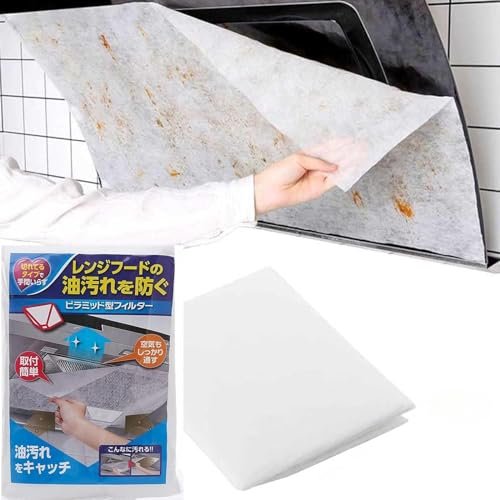
- Disposable oil-absorbing papers: Replace every 2-4 weeks for heavy cooks, or whenever the paper is visibly saturated with grease.
2. Use the Right Cleaning Method for Your Filter Type
Improper cleaning can damage filters or leave grease residue that clogs pores and reduces efficiency:
- For mesh or baffle filters: Soak in hot soapy water or a kitchen-specific oil cleaner for 15 minutes to loosen caked-on grease. Scrub with an abrasive cleaning scrubber to remove stubborn buildup, rinse thoroughly, and air dry completely before reinstalling. Stainless steel baffle filters are often dishwasher safe (top rack only) for even easier cleaning.
- For charcoal filters: Simply remove and replace with a new insert — no cleaning required.
- For disposable oil-absorbing papers: Peel off the used sheet and replace it with a new one; no scrubbing or cleaning needed.
3. Empty the Grease Catch Cup Every Time You Clean Filters
Most range hoods have a removable grease collection cup at the bottom of the filter housing that catches drips before they reach the filter or ductwork. A full cup can overflow, dripping grease onto the filter and into the exhaust system, making cleaning harder and increasing fire risk. Empty the cup into the trash every time you clean your filters, and wash it with hot soapy water to remove residual grease. If your hood doesn’t have a built-in catch cup, add a compatible aftermarket cup to catch drips with minimal effort.
4. Wipe Down the Hood Interior and Exterior Monthly
Grease doesn’t just build up on filters — it coats the interior of the hood housing, the fan blades, and the exterior surface. Wipe the interior with a degreaser monthly to remove buildup before it hardens, and clean the exterior stainless steel with a gentle, non-abrasive cleaner to prevent grime from eating through the finish. For tough, caked-on grease on interior surfaces, use a heavy-duty degreaser formulated for kitchen ventilation to cut through buildup without damaging metal components.
5. Test Airflow Quarterly
To check if your filters are clogged or your ductwork is blocked: Turn your hood on high, hold a piece of tissue paper 6 inches below the filter, and see if it stays firmly attached. If the tissue flutters or falls, your airflow is restricted. For ducted hoods, check the exterior vent cap annually to make sure it’s not blocked by debris, bird nests, or accumulated grease. If you notice weak airflow even after cleaning filters, reach out to a professional ventilation cleaning service for a full duct inspection and cleaning.
Choosing the Right Filter to Simplify Maintenance
The right filter for your cooking habits will cut down on cleaning time and keep your hood running efficiently longer:
Mesh and Baffle Filters (Ducted Hoods)
These reusable aluminum or stainless steel filters are the most common choice for ducted home range hoods. Baffle filters have a grooved design that channels grease down into the catch cup, making them easier to clean than flat mesh filters. Stainless steel baffle filters are more durable, corrosion-resistant, and dishwasher safe, making them ideal for households that cook with oil regularly. They’re also required in many commercial kitchens for their superior grease capture.
 Replacement aluminum mesh filters for popular Broan/NuTone ductless range hood models
Charcoal Filters (Ductless Hoods)
Ductless range hoods use a combination of mesh pre-filters and activated carbon to trap grease and neutralize odors, but the carbon layer cannot be cleaned. Look for models with replaceable charcoal inserts so you don’t have to replace the entire filter assembly when the carbon is saturated. For standard Broan/NuTone ductless models, the 97007696 dual-layer replacement filter combines a grease mesh pre-filter with charcoal carbon for extended odor and grease capture.
 Dual-layer replacement filter with grease mesh and odor-neutralizing charcoal carbon
Disposable Oil-Absorbing Papers
These thin, heat-resistant sheets line your mesh or baffle filter, absorbing 70-80% of grease before it reaches the filter itself. In practice, they cut down on filter cleaning frequency by two-thirds for heavy cooks, and are a low-cost, low-effort way to extend filter life. They’re also ideal for renters who can’t deep clean the hood before moving out, as they prevent grease from building up on the filter and hood interior. The Gkwet 12-pack of disposable oil-absorbing papers fits most standard 43x45cm range hoods, and is heat-resistant up to standard cooking temperatures.
 Pack of 12 heat-resistant disposable oil absorbing sheets for standard range hoods
Grease Catch Cups
Transparent plastic grease catch cups fit under your filter to collect drips before they reach the filter or ductwork. The clear design lets you see when the cup is full, so you can empty it before it overflows, eliminating guesswork. They’re compatible with most standard home range hood models, and cost less than $10 for a 2-pack, making them one of the most cost-effective maintenance hacks available. The jojofuny 2-pack of grease collection cups fits most standard range hoods, and is easy to remove and clean with hot soapy water.
 Clear reusable grease catch cups that fit most standard home range hoods
Portable Range Hood Maintenance for Small Spaces
If you don’t have a built-in range hood (for example, in an apartment, RV, or indoor BBQ station), a portable range hood is a great alternative, but it requires the same consistent filter care to stay efficient:
Cleaning Portable Range Hood Filters
Most portable hoods use a combination of mesh pre-filters and activated carbon filters. Wipe the mesh filter with a damp cloth every 2 weeks to remove surface grease, and replace the carbon filter every 2-3 months depending on use. Empty the built-in grease collection cup after each use to prevent odors and bacterial growth.
Choosing a Low-Maintenance Portable Hood
Look for models with removable, dishwasher-safe filters and easy-to-empty grease cups to cut down on cleaning time. Triple-filter systems (combining polymer, aluminum, and carbon layers) trap more grease and odors than single-filter models, so you’ll need to clean filters less often. The anechol portable range hood is a compact, low-noise option for small spaces, weighing just 1.58 pounds and fitting easily on a countertop next to your cooking station.
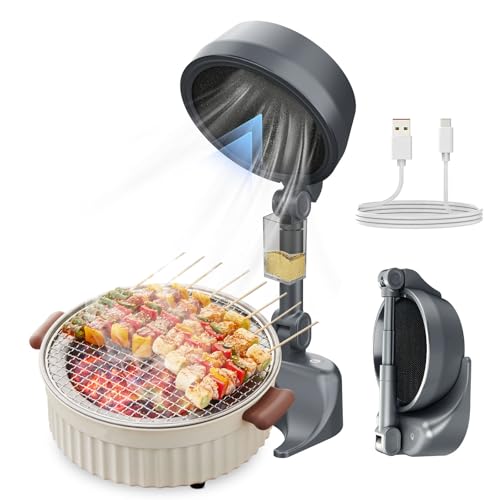 Low-noise portable hood ideal for RVs, apartments, and indoor BBQ stations
For a higher-capacity option, the Tuco portable range hood features a triple polymer, aluminum, and carbon filter system and 3 speed settings, letting you adjust airflow based on how much smoke your cooking produces. Its built-in grease collection cup makes cleanup fast and easy.
Low-noise portable hood ideal for RVs, apartments, and indoor BBQ stations
For a higher-capacity option, the Tuco portable range hood features a triple polymer, aluminum, and carbon filter system and 3 speed settings, letting you adjust airflow based on how much smoke your cooking produces. Its built-in grease collection cup makes cleanup fast and easy.
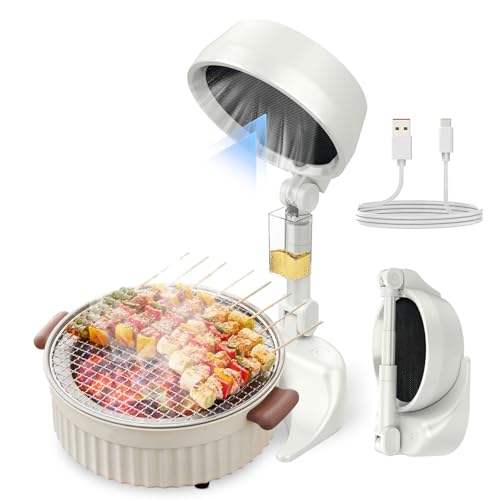 Sleek white portable exhaust fan for small kitchens and workbenches
Commercial Range Hood Filter Maintenance Best Practices
Commercial kitchen hoods see far more use than home models, so strict maintenance is required to meet fire codes and keep your kitchen running safely:
Follow Local Fire Code Requirements
Most jurisdictions require commercial kitchen hood filters to be cleaned weekly, or more frequently for high-volume kitchens that fry large amounts of food. Check with your local fire marshal for specific requirements to avoid fines or temporary shutdowns.
Use Grease-Rated Baffle Filters
These are required for most commercial kitchens, as their deep groove design traps far more grease than standard mesh filters, reducing fire risk. Stainless steel baffle filters are dishwasher safe, so staff can clean them quickly during closing shifts. The Allmont 20×20 stainless steel baffle filter fits standard commercial hood openings, and has drop handles for easy removal and installation during cleaning.
 Welded baffle grease-rated filter for standard commercial kitchen hood openings
For larger high-volume kitchens, the VEVOR pack of 6 15.5×19.5 stainless steel baffle filters offers a cost-effective solution, with 3 deep grease-trapping grooves and a grease-rated design that meets most commercial safety standards. If you only need a single replacement filter, the 19.5×19.5 VEVOR baffle filter is a lightweight, easy-to-clean option with 4 grooves for maximum grease capture.
Welded baffle grease-rated filter for standard commercial kitchen hood openings
For larger high-volume kitchens, the VEVOR pack of 6 15.5×19.5 stainless steel baffle filters offers a cost-effective solution, with 3 deep grease-trapping grooves and a grease-rated design that meets most commercial safety standards. If you only need a single replacement filter, the 19.5×19.5 VEVOR baffle filter is a lightweight, easy-to-clean option with 4 grooves for maximum grease capture.
 Grease-rated 3-groove baffle filters for high-volume commercial kitchen setups
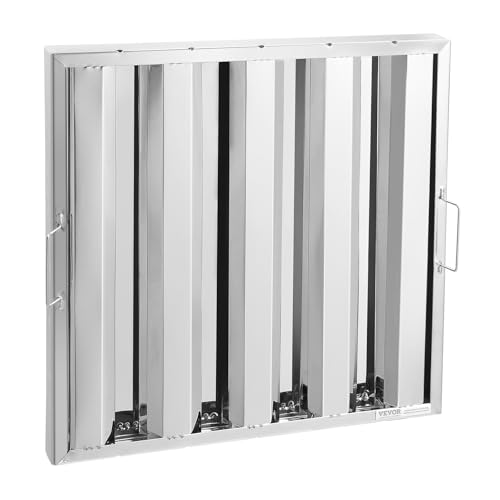 Lightweight 4-groove baffle filter for standard commercial hood openings
Schedule Professional Duct Cleaning Annually
Even with perfect filter maintenance, grease builds up in ductwork over time. Professional ventilation cleaning removes this buildup, reduces fire risk, and ensures your hood is operating at peak efficiency.
Frequently Asked Questions
How often should I replace range hood filters?
The replacement frequency depends on your filter type and cooking habits: mesh/baffle filters can be reused indefinitely with proper cleaning, but should be replaced if they become warped, corroded, or caked with grease that won’t scrub off. Ductless charcoal filters need replacement every 3-6 months, and disposable oil-absorbing papers should be replaced every 2-4 weeks for heavy cooks.
Can I clean a charcoal range hood filter?
No. Activated carbon filters are designed to absorb odors and grease particles, and their porous structure is destroyed by water and cleaning agents. Washing a charcoal filter will ruin its ability to neutralize odors, so you’ll need to replace it fully when it’s saturated. Most manufacturers recommend replacement every 3-6 months for regular home use.
Do disposable oil-absorbing papers really work?
Yes. In practice, homeowners who use disposable oil-absorbing papers report needing to clean their mesh or baffle filters 2-3 times less often than those who don’t, as the papers absorb 70-80% of grease before it reaches the filter. They’re also far less messy than scrubbing caked-on grease off filters, making them a popular choice for busy households.
How do I know if my range hood filter needs replacing?
For mesh/baffle filters: if you see visible, caked-on grease that won’t come off with scrubbing and hot soapy water, or if airflow feels weak even after cleaning, it’s time to replace the filter. For charcoal filters: if your hood is no longer removing cooking odors even when running on high, the carbon is saturated and needs replacement.
Are portable range hoods as effective as built-in hoods?
Portable range hoods are less powerful than full-sized built-in models, so they’re best suited for small spaces (RVs, apartments, indoor BBQ stations) where ducted ventilation isn’t an option. Look for models with high CFM (cubic feet per minute) ratings and triple-filter systems to get the closest performance to a built-in hood.
Conclusion
Consistent range hood filter maintenance is one of the easiest ways to improve your kitchen’s safety, air quality, and efficiency. Sticking to a regular cleaning schedule, using the right cleaning methods for your filter type, and addressing grease buildup before it becomes a problem will extend your hood’s lifespan by years, reduce your fire risk, and lower your energy bills. For low-effort maintenance, consider adding disposable oil-absorbing papers or a grease catch cup to your routine to cut down on deep cleaning time. If you operate a commercial kitchen, stick to local fire code cleaning schedules and schedule annual professional duct cleaning to stay compliant and safe. For tough, baked-on grease that won’t budge with standard cleaning, try our specialized hood cleaning spray formulated to cut through stubborn ventilation grime without damaging stainless steel finishes.

Hi, I’m Daniel Brooks—a food lover and kitchen gear enthusiast. I enjoy testing cookware, utensils, and gadgets to see what really works in everyday cooking. At PlugChef.com, I share honest reviews, comparisons, and simple guides to help you choose the best tools for a safer, smarter, and more enjoyable kitchen.
Related posts:
 Black Stainless Steel Kitchen Appliance Packages: Elevate Your Culinary Experience
 Frigidaire Gallery Kitchen Appliance Packages: Elevate Your Culinary Experience
 Whirlpool Kitchen Appliance Package Deals: Transform Your Cooking Space Today!
 Best Microwave Egg Cooker: Quick, Delicious Breakfasts Made Easy
 Best Beginner Espresso Machine: Top Picks for Perfect Home Brews
 Best Blenders Sunglasses for Men: Stylish Polarized UV Protection