
Are you tired of spending too much on groceries every week? You’ve probably heard about Misfit Market and wondered if it really saves you money.
Is Misfit Market actually cheaper, or just another food delivery service with hidden costs? You’ll discover the truth behind their prices and whether switching to Misfit Market can lighten your grocery bill without sacrificing quality. Keep reading to find out if this could be the smart choice for your budget and your kitchen.

Credit: www.cleveland.com
Misfit Market Basics
Understanding Misfit Market basics helps to see if it offers true savings. This service aims to reduce food waste by selling “ugly” or surplus produce. These items look different but are fresh and edible. Customers get fresh fruits and vegetables at lower prices. The idea appeals to budget-conscious shoppers and eco-friendly consumers. Let’s explore what Misfit Market is and how it works.
What Is Misfit Market
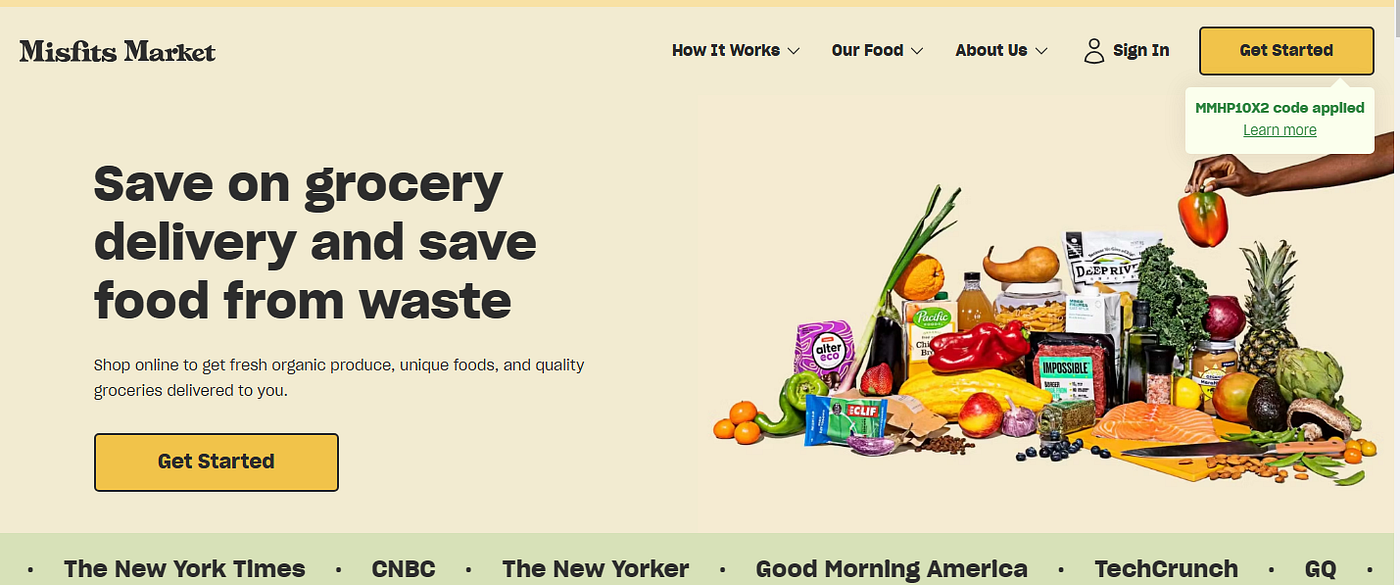
Misfit Market is an online grocery delivery service. It sells fruits and vegetables that don’t meet traditional store standards. These may be misshapen, oddly sized, or surplus from farms. The goal is to prevent food waste by offering these items at a discount. Customers receive a box of fresh produce each week. The selection varies based on season and availability. This service helps both farmers and buyers save money.
How It Works
Customers start by signing up on the Misfit Market website. They choose the size of their produce box. Options range from small to family-sized boxes. Orders are shipped directly to the customer’s door. The contents change weekly and are often a surprise. Subscribers can customize boxes by swapping some items. Payment is made monthly or per box. This system keeps costs low and reduces food waste.
Pricing Compared To Traditional Stores
Comparing Misfit Market’s pricing to traditional grocery stores helps you decide if it truly saves money. Many shoppers wonder if the lower prices come with hidden costs or if the savings are as good as they seem. Let’s break down the average costs and the kind of discounts you can expect from Misfit Market.
Average Cost Of Products
On average, Misfit Market offers products at about 20% to 40% less than what you’d pay in regular grocery stores. These savings come from selling “imperfect” or surplus produce that doesn’t meet strict cosmetic standards but tastes just as fresh.
When I switched to Misfit Market for weekly groceries, I noticed staples like apples and carrots were nearly half the price compared to my local supermarket. But prices can vary depending on the season and availability, so it’s a good idea to keep an eye on the weekly box contents.
Discounts And Deals
Misfit Market often provides extra discounts on bulk orders or when you subscribe to regular deliveries. You might find special promos like first-time customer deals or referral bonuses that further reduce costs.
- Referral discounts that can take $10 off your next box
- Seasonal promotions on specific fruit or vegetable boxes
- Free shipping offers on orders above a certain amount
Think about how these deals stack up against weekly sales at your local store. Are you getting the best value for your budget? The convenience of delivery combined with consistent discounts can make Misfit Market a compelling choice for many.
Quality And Product Selection
Misfit Market offers an intriguing option for budget-conscious shoppers. But is their produce cheaper without sacrificing quality? Let’s explore what Misfit Market has to offer in terms of quality and product selection.
Types Of Produce Offered
Misfit Market specializes in offering a variety of fresh fruits and vegetables. They focus on items that may not meet traditional grocery standards but are still perfectly edible. You can find seasonal produce and unique varieties that are often hard to find. Their selection changes regularly, keeping things exciting for adventurous eaters.
Impact On Price
Misfit Market’s pricing reflects its unique business model. By choosing imperfect produce, they reduce waste and pass on savings. This can lead to significant cost reductions for consumers. While prices vary, many find their grocery bills lower when using Misfit Market. The emphasis on quality ensures that savings do not come at the expense of freshness or taste.
Credit: medium.com
Hidden Costs And Fees
Misfit Market often attracts customers with low prices on organic and surplus groceries. The initial appeal is strong, but hidden costs and fees can affect the final bill. These extra expenses might make the service less affordable than expected. Understanding these charges helps decide if Misfit Market is truly cheaper.
Shipping Charges
Shipping fees add to the total cost of your order. Misfit Market charges a flat shipping rate, which varies by location. This fee is not always clear before checkout. Sometimes, shipping can cost more than the savings on groceries. It is important to check the shipping cost for your area before ordering.
Subscription Requirements
Misfit Market requires a subscription to use their service. Customers must sign up for a weekly delivery plan. Skipping or canceling deliveries may lead to penalties or fees. This subscription model can add costs over time. It might not suit those who want to shop occasionally or buy in small amounts.
Customer Experiences On Savings
Many customers share their thoughts on savings with Misfit Market. Their experiences help understand if the service really offers lower prices. Some find great deals on fresh produce and pantry items. Others notice savings but mention certain challenges. These insights reveal a clear picture of the value Misfit Market provides.
Positive Reviews
- Customers often mention saving 30% to 50% compared to regular stores.
- Many enjoy receiving organic and fresh items at lower prices.
- Some appreciate the convenience of home delivery, saving time and money.
- Subscribers report less food waste due to flexible order sizes.
- Users like discovering new products at discounted rates.
Common Complaints
- Some customers find occasional missing or damaged items in their boxes.
- Delivery schedules can be inconsistent for certain locations.
- Product variety may vary, leading to repeated items in orders.
- A few users mention difficulty in customizing their boxes fully.
- Some feel savings are less significant on non-produce items.
Comparing Alternatives
When deciding if Misfit Market is truly cheaper, it helps to compare it with other options that offer discounted produce. Understanding what alternatives provide can give you a clearer picture of where your money goes and what value you actually get. Let’s look at some popular choices that might compete with Misfit Market on price and quality.
Other Discount Produce Services
Several services offer discounted fruits and vegetables, similar to Misfit Market. These include Imperfect Foods, Hungry Harvest, and local subscription boxes. Prices can vary based on your location, the amount you order, and the types of produce you select.
For example, Imperfect Foods often charges slightly more than Misfit Market but includes pantry staples, which might add value if you want a mixed box. Hungry Harvest focuses heavily on reducing food waste and offers flexible plans, but their delivery fees can increase the total cost. You should compare the cost per pound and factor in delivery charges to know which service fits your budget better.
Local Farmers Markets
Farmers markets can be a surprising alternative to discount produce services. Prices here depend on the season, your location, and the vendor’s pricing strategy. Sometimes, you can find deals on “ugly” produce directly from farmers who want to clear out imperfect stock.
Shopping in person allows you to negotiate prices and pick only what you need, which can reduce waste and save money. Plus, buying local supports your community and often means fresher produce. Have you checked your nearby farmers market prices recently? You might find quality comparable to Misfit Market for less or at least get better value for your spending.
Tips To Maximize Savings
Maximizing your savings with Misfit Market doesn’t just happen by chance. It requires smart choices and a bit of planning. You can stretch your budget further by carefully selecting your box and timing your orders right.
Choosing The Right Box
Misfit Market offers different box sizes and types, each with unique benefits. Picking the right box size can save you money and reduce food waste.
- Start with a smaller boxif you’re new or live alone. It helps you avoid excess produce that might spoil before you use it.
- Choose boxes based on your eating habits.If you cook often, a larger box with more variety might be better and cheaper per item.
- Look for seasonal specials or themed boxes.These often come with extra discounts or bonus items.
Think about what you actually eat and how much storage space you have. This can help you avoid paying for food that goes to waste.
Timing Your Orders
When you order from Misfit Market can make a big difference in what you pay. Prices and availability fluctuate, so timing matters.
- Order early in the week.This often gives you access to the freshest produce and better deals.
- Check for last-minute discounts.Sometimes, Misfit Market offers reduced prices on surplus items closer to shipping days.
- Plan your orders around your meal schedule.Avoid ordering too far in advance to prevent produce from spoiling before use.
Have you noticed price differences when ordering on different days? Paying attention to this can help you snag the best deals and avoid overspending.
Credit: medium.com
Frequently Asked Questions
Is Misfit Market Cheaper Than Regular Grocery Stores?
Misfit Market offers produce at 20-40% lower prices than traditional stores. They sell surplus and “ugly” items, reducing food waste and costs.
How Does Misfit Market Keep Prices Low?
Misfit Market buys excess and imperfect produce directly from farmers. This cuts supply chain costs and passes savings to customers through discounted prices.
Are There Hidden Fees With Misfit Market Orders?
No, Misfit Market’s prices include shipping fees for most orders. There are no hidden charges, making the total cost transparent and affordable.
Can I Save Money With Misfit Market Subscription Plans?
Yes, subscribing offers recurring delivery discounts and occasional promo codes. Regular customers benefit from consistent savings compared to one-time orders.
Conclusion
Misfit Market often offers lower prices than regular stores. You can save money on fruits and vegetables here. The produce might look different but still tastes good. Shipping costs and membership fees affect the final price. Sometimes deals make it cheaper, sometimes not.
Quality varies, so check what you get each time. Many find it worth trying for savings and convenience. Give it a shot to see if it fits your budget. Savings matter, but so does what you need.

Hi, I’m Daniel Brooks—a food lover and kitchen gear enthusiast. I enjoy testing cookware, utensils, and gadgets to see what really works in everyday cooking. At PlugChef.com, I share honest reviews, comparisons, and simple guides to help you choose the best tools for a safer, smarter, and more enjoyable kitchen.
Related posts:
 What Type of Cooking Utensils are Safe: Expert Picks
 What Innovations Could Blenders Make: Unleashing Future Tech
 Smart Strategies to Organize a Small Kitchen: Maximize Space
 How to Organize a Kitchen Cabinet: Expert Tips & Tricks
 How to Organize Kitchen Drawers: Expert Tips and Tricks
 How to Organize a Corner Kitchen Cupboard: Expert Tips

