
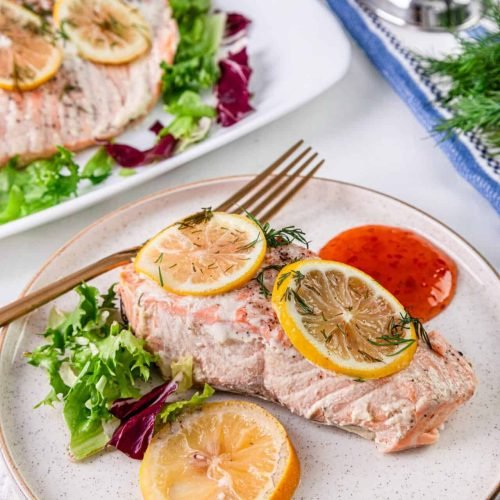
Are you looking for a simple way to cook delicious, tender salmon without standing over the stove? Cooking salmon in a slow cooker is the answer you’ve been searching for.
This method locks in flavor and moisture, giving you perfectly cooked fish every time. Whether you’re new to slow cooking or just want to try something different, this guide will show you how to make salmon that’s full of flavor and ready when you are.
Keep reading to discover easy tips and recipes that will make your next meal a hit.
Credit: smartslowcooker.com
Benefits Of Slow Cooking Salmon
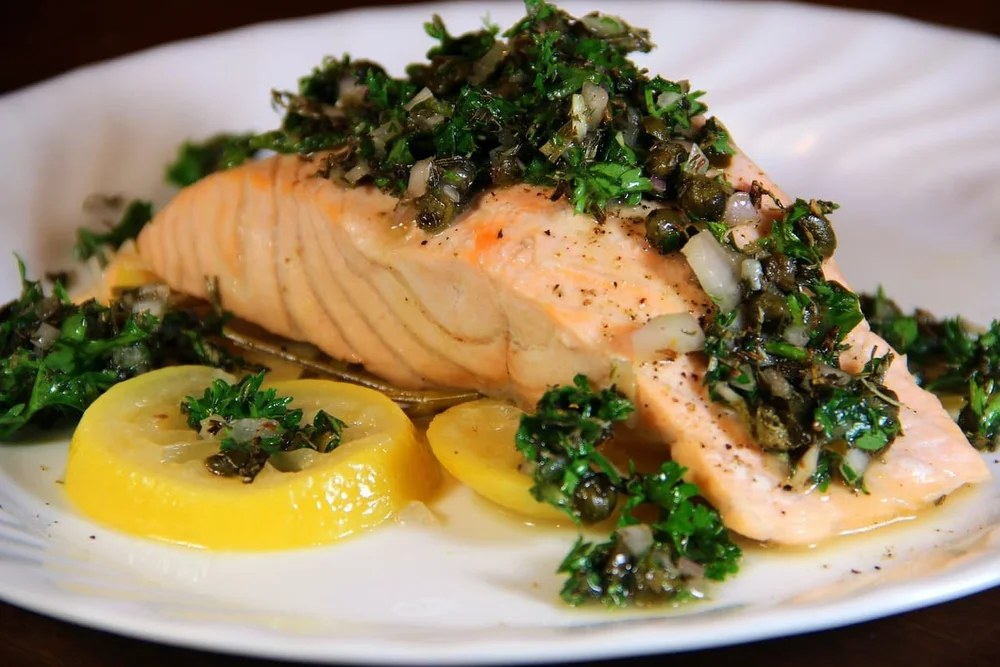
Slow cooking salmon offers many benefits that improve taste and nutrition. It is a gentle cooking method that brings out the best in the fish. This technique helps keep the salmon tender and flavorful. It also allows busy cooks to prepare meals without constant attention.
Retaining Moisture And Flavor
Slow cooking seals in the natural juices of salmon. This method prevents the fish from drying out. The low, steady heat keeps the texture soft and flaky. The rich flavor stays locked inside, enhancing every bite.
Preserving Nutrients
Salmon is rich in vitamins and omega-3 fatty acids. Slow cooking preserves these important nutrients better than high heat methods. The gentle heat avoids nutrient loss, making the meal healthier. Eating nutrient-rich salmon supports brain and heart health.
Hands-off Cooking Convenience
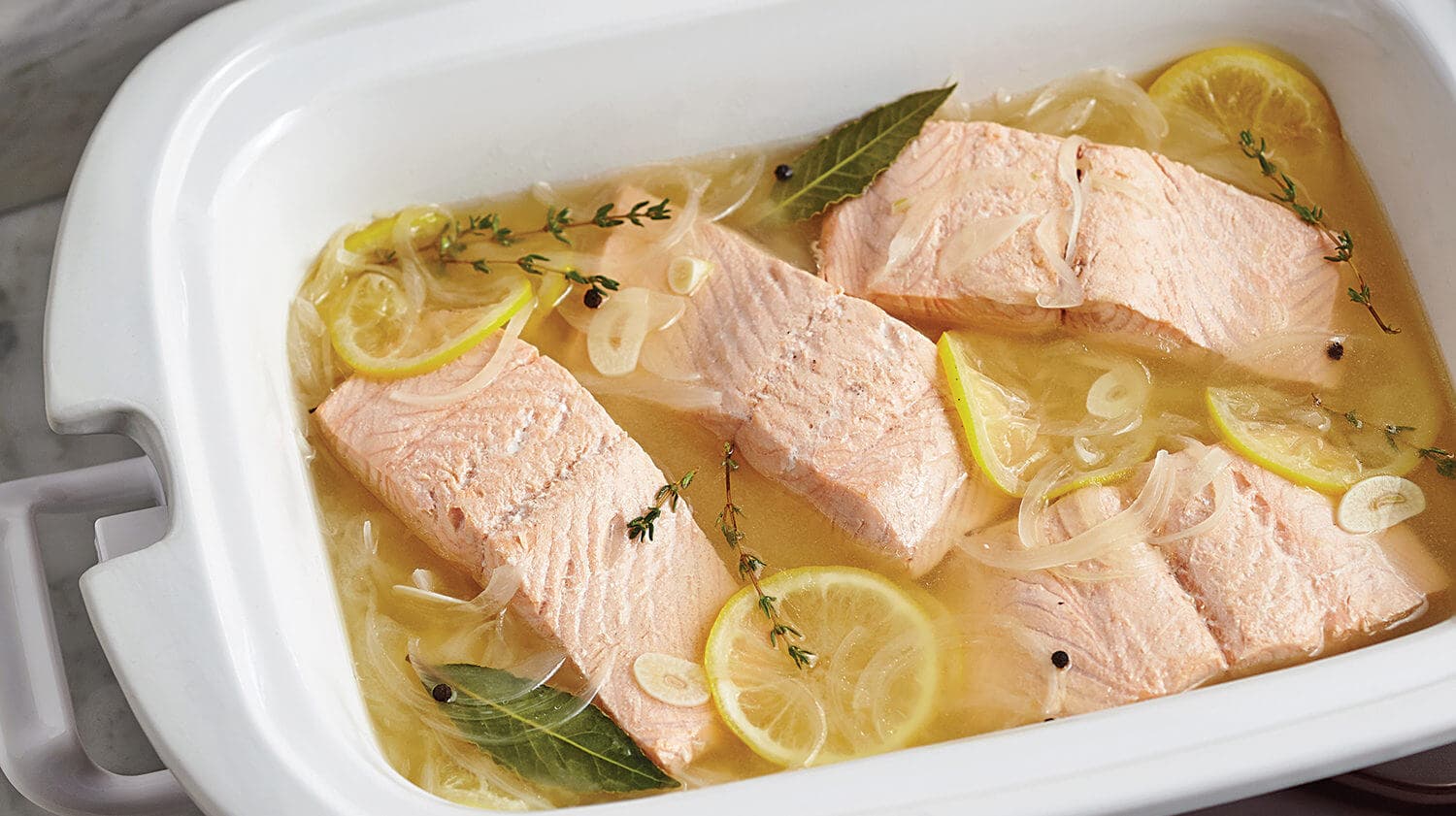
Using a slow cooker means less time watching the stove. You can set the salmon to cook and do other tasks. This method is ideal for busy days or meal prepping. The slow cooker does the work without burning or overcooking the fish.
Credit: www.sobeys.com
Choosing The Right Salmon
Choosing the right salmon is the first step to making a delicious slow-cooked meal. The type and quality of the fish you select will affect the texture, flavor, and overall success of your dish. Taking a moment to understand your options can make your cooking experience smoother and more enjoyable.
Types Of Salmon For Slow Cooking
Not all salmon are created equal when it comes to slow cooking. Wild-caught varieties, such as King or Sockeye salmon, tend to have richer flavors and firmer flesh that holds up well over long cooking times. Farmed salmon usually has a milder taste and softer texture, which can be a good choice if you prefer a delicate finish.
Think about how you like your salmon—do you enjoy a bold, meaty bite or something tender and subtle? This will guide your choice between different salmon types.
Fresh Vs Frozen Salmon
Fresh salmon can give you the best flavor, but frozen salmon often offers convenience and is just as nutritious. If you buy frozen, check that it was flash-frozen soon after being caught to preserve freshness. Avoid fish that looks dry or has ice crystals, as this can indicate freezer burn.
Have you ever noticed a difference in taste or texture between fresh and frozen fish? Your experience might help you decide what works best for your slow cooker recipes.
Sourcing Quality Fish
Finding quality salmon means knowing where and how the fish was caught. Local fish markets often provide fresher options and the chance to ask questions about the catch. Grocery stores with a good seafood section can be reliable if they clearly label the source and date of the fish.
Don’t hesitate to ask your fishmonger about the salmon’s origin and when it was delivered. This small step can make a big difference in the flavor and safety of your meal.
Essential Ingredients And Tools
Fresh salmon fillets, lemon slices, and simple seasonings create the base for slow cooker salmon. A slow cooker and a sharp knife are key tools to prepare this meal easily.
Cooking salmon in a slow cooker is a delightful experience. It offers a flavorful and tender meal without much effort. To achieve the best results, knowing the essential ingredients and tools is crucial. Let’s explore the key components you need.Must-have Seasonings And Marinades
Seasonings enhance salmon’s natural flavors. Consider these must-have ingredients: – Salt and pepper for basic seasoning. – Lemon juice or zest for a citrusy kick. – Dill or parsley for fresh herbal notes. – Garlic for an aromatic touch. – Soy sauce or teriyaki for an umami depth. – Honey or maple syrup for sweetness. These ingredients can be mixed to create a simple marinade. A good marinade penetrates the salmon, making it juicy and flavorful.Slow Cooker Tips And Accessories
Using the right tools makes cooking easier. A quality slow cooker is essential. It should have adjustable settings and a timer. Consider these accessories: – A slow cooker liner for easy cleanup. – A meat thermometer to check doneness. – A slotted spoon for serving. These tools ensure your cooking process is smooth and efficient.Complementary Ingredients
Pair salmon with complementary ingredients for a complete meal: – Fresh vegetables like asparagus or broccoli. – Potatoes or rice for a hearty side. – A sprinkle of sesame seeds for texture. – Fresh herbs for garnish. These additions create a balanced and satisfying dish. Experiment with different combinations to find your favorite.
Credit: diethood.com
Step-by-step Slow Cooker Salmon Recipes
Slow cooker salmon recipes offer a simple way to prepare delicious meals. The slow cooker keeps the fish moist and tender. It also allows the flavors to develop deeply. These recipes are perfect for busy days or easy dinners.
Each recipe uses fresh ingredients and gentle cooking. The salmon cooks evenly without drying out. Try these recipes for a tasty, healthy meal that requires little effort.
Classic Lemon Herb Salmon
- Place salmon fillets in the slow cooker.
- Sprinkle with salt, pepper, and dried herbs like dill and parsley.
- Slice a lemon and layer on top of the fish.
- Drizzle olive oil over the salmon.
- Cover and cook on low for 1.5 to 2 hours.
- Serve with steamed vegetables or rice.
Asian-inspired Soy Ginger Salmon
- Mix soy sauce, grated ginger, minced garlic, and honey.
- Place salmon in the slow cooker and pour the sauce over it.
- Add sliced green onions and a few chili flakes for heat.
- Cover and cook on low for 1.5 to 2 hours.
- Garnish with sesame seeds and fresh cilantro before serving.
Mediterranean Style Salmon With Olives And Tomatoes
- Put salmon fillets in the slow cooker.
- Add chopped tomatoes, sliced olives, and minced garlic.
- Sprinkle with oregano, salt, and pepper.
- Drizzle olive oil over the ingredients.
- Cover and cook on low for 1.5 to 2 hours.
- Serve with crusty bread or couscous.
Cooking Tips For Perfect Salmon
Cooking salmon in a slow cooker can yield tender, flavorful results if you pay attention to a few key details. Perfect salmon isn’t just about time and temperature; it’s about understanding how to balance heat, moisture, and seasoning. Let’s dive into some practical tips that will help you avoid common pitfalls and enhance the natural taste of your salmon.
Optimal Cooking Times And Temperatures
Salmon cooks quickly, even in a slow cooker, so timing is crucial. Aim for about 1 to 2 hours on low heat rather than longer periods. Cooking it too long can dry out the fish or make it mushy.
The internal temperature should reach 145°F (63°C) for safe consumption. Use a meat thermometer to check doneness without guessing. Slow cooker models vary, so keep an eye on your salmon during the last half hour of cooking.
Avoiding Overcooking
Overcooking is the biggest enemy of juicy salmon. Since slow cookers trap moisture, it’s tempting to leave the salmon in for hours, but this can cause the texture to break down.
Try placing the salmon on a bed of vegetables or a small rack inside the slow cooker to prevent it from sitting directly in liquid. This helps maintain its firmness and prevents it from becoming waterlogged.
Have you considered pulling the salmon out a little early? It will continue to cook slightly after you remove it from the heat. This trick can save you from ending up with dry fish.
Flavor Enhancements
Salmon’s natural flavor is delicate, so subtle additions make a big difference. Adding fresh herbs like dill, parsley, or thyme before cooking can infuse the fish with aromatic notes.
Don’t underestimate the power of citrus—lemon or orange slices placed on top brighten the flavor and add a fresh twist. You can also drizzle a little olive oil or melted butter for richness.
Consider seasoning with garlic, ginger, or a splash of soy sauce for a savory punch. What flavor combos have you tried that made your salmon stand out? Experimenting with these can turn your slow cooker salmon into a memorable meal.
Healthy Side Dishes To Pair
Choosing the right side dishes can elevate your slow cooker salmon dinner from simple to spectacular. Healthy sides not only complement the rich flavors of the fish but also boost the meal’s nutritional value. Let’s look at some tasty and wholesome options that you can easily prepare alongside your salmon.
Roasted Vegetables
Roasted vegetables offer a warm, hearty texture that contrasts nicely with tender salmon. You can roast a mix of carrots, bell peppers, zucchini, and Brussels sprouts with just olive oil, salt, and pepper. Adding herbs like rosemary or thyme enhances the aroma and taste without extra calories.
Try roasting the vegetables at 400°F for 20–25 minutes until they are caramelized but still crisp. The natural sweetness that develops makes them a crowd-pleaser. Have you tried roasting vegetables with a pinch of smoked paprika? It adds a subtle smoky flavor that pairs beautifully with fish.
Quinoa And Grain Salads
Quinoa and other whole grains bring a nutty flavor and a satisfying bite to your meal. These grains soak up dressings and herbs well, making them a versatile base for salads. Mixing quinoa with diced cucumbers, cherry tomatoes, and fresh parsley creates a refreshing side.
You can toss in some lemon juice and olive oil for a light dressing that brightens the dish. Adding chopped nuts or seeds boosts crunch and healthy fats. How about experimenting with farro or bulgur for a slightly different texture and taste?
Fresh Green Salads
A crisp green salad is a simple way to add freshness and balance to your plate. Use a variety of leafy greens like spinach, arugula, and romaine for diverse flavors and textures. Including ingredients like avocado, radishes, or shaved fennel adds interesting contrasts.
Dress your salad lightly with vinaigrette made from olive oil and apple cider vinegar or lemon juice. This keeps the salad light and lets the salmon remain the star. What greens do you prefer in your salads to keep things exciting?
Storing And Reheating Leftovers
Storing and reheating salmon cooked in a slow cooker helps keep its flavor and texture fresh. Proper handling avoids waste and keeps the fish safe to eat later. Knowing how to store and reheat leftovers extends your meal’s enjoyment.
Safe Storage Practices
Cool the salmon quickly after cooking. Place it in shallow airtight containers or wrap tightly with plastic wrap. Store in the refrigerator at or below 40°F (4°C). Consume leftovers within 2 to 3 days for best taste and safety. Avoid leaving salmon out at room temperature for more than 2 hours. For longer storage, freeze the salmon in freezer-safe bags or containers. Label the package with the date to keep track.
Best Methods To Reheat Salmon
Reheat salmon gently to keep it moist and tender. Use the oven at 275°F (135°C) wrapped in foil for 10-15 minutes. Microwave on low power in short bursts, covering the fish to hold moisture. Avoid high heat or overcooking, which makes salmon dry and tough. A skillet on low heat with a little oil or butter works well too. Heat just until warmed through, not fully cooked again.
Using Leftovers Creatively
Leftover slow cooker salmon can become new meals quickly. Flake the salmon and add it to salads for a protein boost. Mix with cream cheese and herbs for a tasty spread on crackers or bread. Use in tacos with fresh veggies and salsa for a quick dinner. Stir into pasta or rice dishes for added flavor and nutrition. Salmon leftovers make great sandwiches or wraps with your favorite sauces and toppings.
Frequently Asked Questions
How Long Does Salmon Take In A Slow Cooker?
Salmon typically takes 1 to 2 hours on low heat in a slow cooker. Cooking time depends on the thickness of the fish. Avoid overcooking to maintain moisture and flavor. Check salmon for doneness by its flaky texture.
Can I Cook Frozen Salmon In A Slow Cooker?
Yes, you can cook frozen salmon in a slow cooker. Add extra cooking time, about 30 minutes more. Ensure the internal temperature reaches 145°F for safety. Use low heat to cook evenly and avoid drying out the fish.
What Liquid Is Best For Slow Cooker Salmon?
Use broth, white wine, or lemon juice as liquid in slow cooker salmon recipes. These liquids add flavor and keep the salmon moist. Avoid too much liquid to prevent a watery dish. A small amount helps create steam for gentle cooking.
How To Avoid Salmon Drying Out In A Slow Cooker?
To keep salmon moist, cook on low heat and avoid overcooking. Add flavorful liquids like broth or citrus juice. Cover the slow cooker properly to trap steam. Check the salmon early to prevent dryness and preserve its tender texture.
Conclusion
Cooking salmon in a slow cooker saves time and effort. The fish stays moist and tender throughout. You can add simple herbs and spices for flavor. This method suits busy days and easy meals. Try different recipes to find your favorite taste.
Slow cooking keeps nutrients and brings out richness. Enjoy healthy and delicious salmon without stress or mess. Give it a try and see how easy cooking can be.

Hi, I’m Daniel Brooks—a food lover and kitchen gear enthusiast. I enjoy testing cookware, utensils, and gadgets to see what really works in everyday cooking. At PlugChef.com, I share honest reviews, comparisons, and simple guides to help you choose the best tools for a safer, smarter, and more enjoyable kitchen.
Related posts:
 What Type of Cooking Utensils are Safe: Expert Picks
 What Innovations Could Blenders Make: Unleashing Future Tech
 Smart Strategies to Organize a Small Kitchen: Maximize Space
 How to Organize a Kitchen Cabinet: Expert Tips & Tricks
 How to Organize Kitchen Drawers: Expert Tips and Tricks
 How to Organize a Corner Kitchen Cupboard: Expert Tips

