Cooking Concepts Bamboo Cutting Board: Durable, Eco-Friendly Kitchen Essential
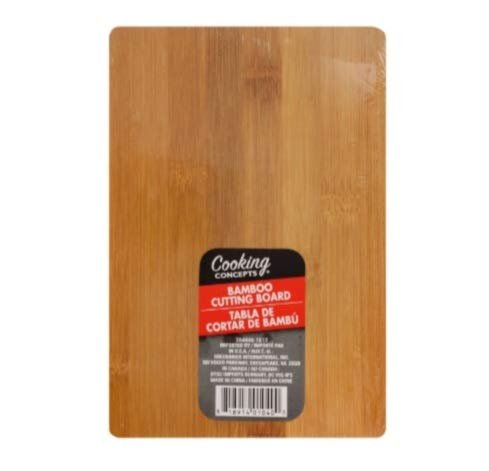
If you’ve ever warped a cheap plastic cutting board, dulled your favorite chef’s knife on low-quality wood, or cringed at the environmental cost of disposable kitchen tools, a Cooking Concepts bamboo cutting board is the low-cost, high-impact upgrade your kitchen needs. As of 2026, sustainable, long-lasting kitchenware has moved from a niche preference to a standard for home cooks and professional chefs alike, and Cooking Concepts has carved out a leading spot in the affordable bamboo cutting board market with a range of sizes, sets, and features to fit every cooking style. This guide breaks down the material benefits of bamboo, compares the brand’s most popular models, shares expert-backed care tips to extend your board’s lifespan, and answers common questions to help you pick the right option for your home.
Why Bamboo Is The Gold Standard For Cutting Boards
Unlike plastic, which harbors bacteria in deep grooves and can leach microplastics into food during use, and traditional hardwoods like oak that take decades to mature and contribute to deforestation, bamboo is a fast-growing grass (not a tree) that reaches full maturity in 3–5 years, making it one of the most sustainable kitchen materials available. The most common species used for high-quality cutting boards, Moso bamboo (Phyllostachys edulis), has a dense, uniform grain structure that resists deep knife scarring better than many soft hardwoods, with a Janka hardness rating of ~1,300 lbf that is only slightly lower than hard rock maple (~1,450 lbf), the traditional gold standard for wood cutting boards. This density means bamboo boards stay smooth and functional far longer than plastic alternatives, which develop deep, bacteria-harboring scratches after just a few months of regular use. Bamboo also has natural antimicrobial properties, thanks to a compound called “bamboo kun” that inhibits bacterial growth on the surface, reducing cross-contamination risk without harsh chemical treatments. For eco-conscious cooks, bamboo absorbs 4–5 times more CO2 per acre than hardwood trees, and all 2026 Cooking Concepts models are manufactured with formaldehyde-free, food-grade adhesive for lamination, eliminating the toxic off-gassing common in older budget bamboo products. To minimize cross-contamination risk between raw proteins and produce, follow FDA food safety guidelines for cutting boards, which recommend using separate boards for different food types.
Core Shared Features Across All Cooking Concepts Bamboo Lines
Every Cooking Concepts bamboo cutting board is built with a consistent set of quality-focused features that set them apart from budget alternatives:
- All boards are crafted from sustainably sourced Moso bamboo with a food-safe, BPA-free finish that won’t leach chemicals into food
- Most models include a deep, angled juice groove around the edge to catch runoff from meats, juicy fruits, and vegetables, keeping countertops clean during prep
- Surfaces are sanded to a smooth, splinter-free finish that is gentle on knife edges, reducing dulling compared to plastic or rough wood boards
- Options range from compact single boards for small kitchens to extra-large models for batch cooking, with set configurations designed to support separate food prep for raw meat, produce, and cooked foods
- A standard trade-off to note: all Cooking Concepts bamboo boards are hand-wash only and require periodic oiling to prevent drying and cracking, a minimal maintenance requirement that is well worth the trade-off for years of reliable use.
Popular Cooking Concepts Bamboo Cutting Board Models, Compared
Cooking Concepts offers a wide range of board sizes and configurations to fit every household. Below is a quick comparison of the most popular models, followed by detailed breakdowns of their best use cases:
| Model | Dimensions | Weight | Key Features | Ideal Use Case |
|---|---|---|---|---|
| Compact Single Board | 21.9 x 14.9 cm (8.6 x 5.9 in) | 1 lb | Smooth surface, compact footprint | Small kitchens, dorms, quick snack prep |
| 2-Pack Set | 22 x 14.9 cm (8.7 x 5.9 in) per board | 1 lb per board | Two matching boards for separate food prep | Home cooks who prep both raw meat and produce |
| 3-Pack Freshware Set | 11 x 8.5 x 0.4 in (varies per board) | 1 lb per board | Three size-graduated boards, serving-ready finish | Families, meal prep enthusiasts, multi-ingredient cooking |
| Keechee Dual-Sided Set | 15 x 10 x 0.6 in | 2.2 lbs | Carbonized finish, dual-sided design, juice groove | Frequent raw meat prep, stain-resistant use |
| Kikcoin Extra-Large Board | 44.7 x 30.5 cm (17.6 x 12 in) | 2.8 lbs | Deep juice groove, integrated carry handle | Batch cooking, large cut prep, holiday meal prep |
| Fiery Chef 4-Pack with Stand | 30 x 23 cm (11.8 x 9.1 in) per board | 2 lbs per set | Food-type icons, storage stand, juice grooves | Large families, professional-style home kitchens |
Compact Single Board (21.9 x 14.9 cm)
The smallest Cooking Concepts model is perfect for renters, dorm dwellers, or anyone with limited counter space who needs a reliable board for light daily tasks: chopping vegetables for stir-fries, slicing fruit for snacks, or prepping small batches of ingredients. Its lightweight build makes it easy to move from counter to table, and its smooth finish doubles as a casual serving platter for cheese or appetizers. A common mistake new owners make is using this board for large, heavy tasks like carving whole chickens, which can cause cracking over time; stick to light to medium prep for longest use.
 The compact single-board model is ideal for small kitchens and quick prep tasks.
2-Pack Set (22 x 14.9 cm per board)
The 2-pack is the most popular choice for home cooks focused on food safety. The two matching boards let you assign one exclusively to raw meat, poultry, and seafood, and the other to produce, bread, and cooked foods, eliminating cross-contamination risk without requiring extra storage space. The compact size fits easily in kitchen drawers, and the lightweight build makes them easy to lift and clean after use. For science-backed guidance on extending your board’s lifespan, the University of Minnesota Extension recommends monthly oiling with food-safe mineral oil to keep the wood from drying out.
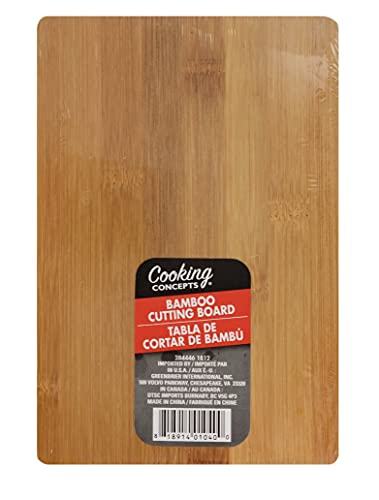 The 2-pack set lets you separate raw and ready-to-eat foods to avoid cross-contamination.
3-Pack Freshware Set
This set includes three size-graduated boards, each sized for a specific prep task: the smallest for herbs and garnishes, the medium for vegetables and fruits, and the largest for meats and cheeses. The natural finish is smooth enough to use as a serving tray for parties, and the lightweight build makes them easy to store in a drawer or on a countertop rack. The set’s versatility makes it a top pick for families who cook multiple meals a day, or anyone who likes to meal prep ingredients in advance for the week.
 The 3-piece set includes three size-graduated boards for different food prep tasks.
Keechee Dual-Sided Carbonized Set
The carbonized bamboo finish on this set is created by heating the wood under pressure, which darkens the color and makes it far more resistant to stains, water damage, and warping than natural light bamboo. The dual-sided design lets you use one side for raw proteins and the other for produce, adding an extra layer of food safety without needing separate boards. The built-in juice groove catches runoff from juicy fruits like watermelon or tomatoes, or from carving roasted meats, keeping your countertop clean. The 15-inch length is long enough to slice most whole fruits and vegetables without the board tipping.
 The dual-sided design lets you use one side for raw meat and the other for produce.
Kikcoin Extra-Large Board
At 44.7 x 30.5 cm (17.6 x 12 inches), this is the largest Cooking Concepts model, designed for heavy-duty prep tasks that smaller boards can’t handle: carving whole turkeys, prepping large batches of roasted vegetables, or rolling out pastry dough. The deep, wide juice groove catches large volumes of liquid, and the integrated wooden handle makes it easy to carry the full board from prep area to sink or stove. The extra thickness prevents slipping during heavy chopping, even on smooth countertops.
 The extra-large surface is perfect for batch cooking and prepping large cuts of meat.
Fiery Chef 4-Pack with Storage Stand
This set is the ultimate option for large households or anyone who wants to eliminate cross-contamination entirely. Each of the four boards is printed with a clear food icon: a cow for raw meat, a carrot for produce, a fish for seafood, and a loaf of bread for baked goods, so there’s no confusion about which board to use for each ingredient. The included bamboo storage stand keeps the boards organized and accessible on your countertop, saving drawer space, and each board has a built-in juice groove for clean prep. The 30 x 23 cm size is large enough for most daily tasks, but compact enough to store easily when not in use.
 The Fiery Chef set includes labeled food icons to eliminate cross-contamination risk during prep.
How To Care For Your Cooking Concepts Bamboo Cutting Board
A common misconception about bamboo cutting boards is that they are high-maintenance, but with a simple routine, most boards last 3–5 years or longer with regular home use. Follow these steps to keep your board in top condition:
- Daily care: After each use, hand wash the board with warm, soapy water and a gentle scrubbing tool to remove food residue. Avoid soaking the board in the sink, as prolonged water exposure causes the wood fibers to swell and crack over time. Dry thoroughly with a clean towel immediately after washing, and stand the board upright to air dry completely before storing.
- Monthly maintenance: Apply a thin, even coat of food-safe mineral oil or beeswax cutting board conditioner to the entire surface of the board. This seals the wood pores, preventing drying, cracking, and staining. Avoid using vegetable oils (like olive or coconut oil), as these go rancid over time and can leave off-flavors on food.
- Deep cleaning: If your board develops stubborn stains or odors, wipe it down with a mixture of 1 part white vinegar to 3 parts water, then rinse and re-oil. For deep knife marks, sand the surface lightly with 120-grit sandpaper along the wood grain, then apply a fresh coat of oil to reseal the wood. For tough, stuck-on food residue, use a dedicated stain removal scrubber to avoid scratching the surface.
If you have young children in the home, pair your new cutting board with childproof drawer locks to keep cleaning supplies and sharp kitchen tools stored securely out of reach.
Creative Uses Beyond Food Prep
While designed for chopping and slicing, Cooking Concepts bamboo cutting boards are versatile enough for a range of other kitchen uses. Their smooth, flat surface is ideal for kneading bread dough or rolling out pastry, and the natural finish makes them an attractive serving platter for charcuterie spreads, cheese boards, or appetizer trays. For perfectly arranged charcuterie spreads, follow our guide to serving cheese and charcuterie to select and cut cheeses that pair perfectly with your board's size. Many users also lean boards against their backsplash as a decorative rustic accent when not in use, adding warm natural texture to kitchen decor. For more ideas for sustainable, multi-use kitchen tools, browse our sustainable kitchen guides for tips on reducing waste and optimizing your cooking space.
Frequently Asked Questions
Are Cooking Concepts bamboo cutting boards safe for raw meat?
Yes. All Cooking Concepts boards use food-safe, non-toxic bamboo and BPA-free finishes, and the multi-board sets are designed specifically to separate raw proteins from produce to reduce cross-contamination risk. Always wash boards thoroughly with hot, soapy water after contact with raw meat, following FDA food safety guidance.
How often do I need to oil my bamboo cutting board?
For average home use (2–3 times per week), oil your board once a month. If you use the board daily or for heavy prep tasks, re-oil every 2–3 weeks. If the board looks dry, dull, or starts to show small cracks, that’s a sign it needs immediate oiling. Only use food-safe mineral oil or beeswax conditioner; never use cooking oils, which will go rancid and leave off-flavors on food.
Can I use a bamboo cutting board for frozen foods or bread?
Avoid cutting directly into frozen foods, as the hard, frozen surface can dull your knife edge and damage the bamboo grain. For bread, a serrated knife works well, but avoid pressing down hard, as even bamboo can develop deep marks with excessive force. For heavy-duty tasks like carving large roasts, opt for the extra-large Kikcoin model for maximum stability.
Do Cooking Concepts boards come with a warranty?
Most Cooking Concepts bamboo cutting boards include a 1-year manufacturer warranty against defects in materials or workmanship. Some premium lines, including the Piatto organic set, offer lifetime replacement guarantees for cracks or warping under normal home use. Check the specific product listing for full warranty details before purchasing.
How do I remove deep knife marks from my board?
For superficial marks, sand the surface lightly with 120-grit sandpaper, moving in the direction of the wood grain. Wipe away dust, then apply a fresh coat of food-safe mineral oil to reseal the wood. For widespread, deep damage that creates grooves where bacteria could harbor, replacement is recommended to maintain food safety.
Final Verdict: Is A Cooking Concepts Bamboo Cutting Board Worth It?
For most home cooks, a Cooking Concepts bamboo cutting board is a far smarter investment than a disposable plastic board. The brand’s range of sizes and sets means there’s an option for every household, from single renters to large families, and the sustainable, knife-friendly material offers years of reliable use with minimal maintenance. While bamboo requires more care than plastic, the trade-off is well worth it: a longer lifespan, reduced environmental impact, and better performance for all your prep tasks. If you’re ready to upgrade your kitchen essentials, pick a model that fits your cooking habits, and pair it with childproof cabinet hardware to keep your kitchen safe for the whole family.

I’m Abby Lu, a passionate home cook who loves simplifying everyday meals. At PlugChef.com, I share product reviews and cooking guides to help you find the best tools for your kitchen.
Similar Posts
9 comments
Comments are closed.


[…] Seasoning does more than keep a board looking shiny. It creates a hydrophobic barrier that repels water, prevents food particles from penetrating the grain, and inhibits bacterial growth in the wood's porous structure. A properly seasoned board resists warping and cracking far better than one left untreated. In practice, boards that are oiled monthly can last a decade or more, while neglected boards often develop splits within two years. This simple step also enhances the natural grain, giving your board a rich, warm patina that improves with age. For more on this, see our guide on cooking concepts bamboo cutting board. […]
[…] This guide walks you through every stage: selecting wood, planning your pattern, making the cuts, layering and clamping, sanding, trimming, and sealing. I'll also cover the finishing products that are genuinely food-safe in 2026, how to maintain your board for years of service, and the mistakes that trip up most first-timers. For more on this, see our guide on cooking concepts bamboo cutting board. […]
[…] In practice, a clear‑grade pine board yields the smoothest paint surface, while a select‑grade hardwood provides a premium look when stained. Always inspect the board for knots, warping, or splits before cutting. For more on this, see our guide on cooking concepts bamboo cutting board. […]
[…] Unlike plastic boards, wood's porous surface absorbs moisture and organic matter deep into its grain. That makes surface-level cleaning insufficient for true hygiene. But here's the good news: with the right disinfection routine, a wooden cutting board can stay food-safe for years — no expensive replacement required. For more on this, see our guide on cooking concepts bamboo cutting board. […]
[…] Wood is porous, and every cut opens tiny channels that can trap water, food particles, and microbes. Sealing fills those channels with a food‑safe barrier, reducing the risk of cross‑contamination and keeping the board from drying out or cracking. Just as you would keep a portable travel first‑aid set ready for emergencies, a well‑sealed cutting board protects your food‑prep surface from hidden hazards. According to the FDA guidance on cutting boards, regular oiling is a simple, effective way to maintain a safe cutting surface in home kitchens. For more on this, see our guide on cooking concepts bamboo cutting board. […]
[…] Bamboo is a natural material with specific needs. While it looks like wood, its structural composition makes it vulnerable to the extreme heat and moisture of a dishwasher cycle. Putting it in can warp the shape, crack the fibers, or cause it to swell and shrink unevenly, shortening its lifespan dramatically. For more on this, see our guide on cooking concepts bamboo cutting board. […]
[…] This guide gives you the full picture: what bamboo actually is as a kitchen material, the real-world pros and cons, a head-to-head comparison with wood, plastic, glass, and composite alternatives, a concrete buying checklist, and a maintenance routine that will keep your board performing for years. Whether you're upgrading from plastic or deciding between bamboo and end-grain maple, you'll walk away with enough context to make a confident choice. For more on this, see our guide on cooking concepts bamboo cutting board. […]
[…] This guide provides a rigorous, step-by-step protocol for disinfecting wooden boards safely. We will move beyond basic washing to effective sanitizing methods that kill pathogens without ruining the wood. You will learn how to use vinegar, baking soda, and specialized food-safe sanitizers, alongside critical maintenance routines that prevent warping and mold. Whether you are dealing with a stubborn onion smell or preventing Salmonella after a grill session, these techniques ensure your kitchen remains a safe environment. For more on this, see our guide on cooking concepts bamboo cutting board. […]
[…] Bamboo is a grass, not a wood, which gives it a unique combination of strength and flexibility. Its fibers run longitudinally, making it resistant to cracking when handled correctly, but it can absorb water and swell if left wet. The natural silica in bamboo provides mild antimicrobial properties, yet those benefits diminish if the surface becomes rough or oily buildup traps food particles. For more on this, see our guide on cooking concepts bamboo cutting board. […]