
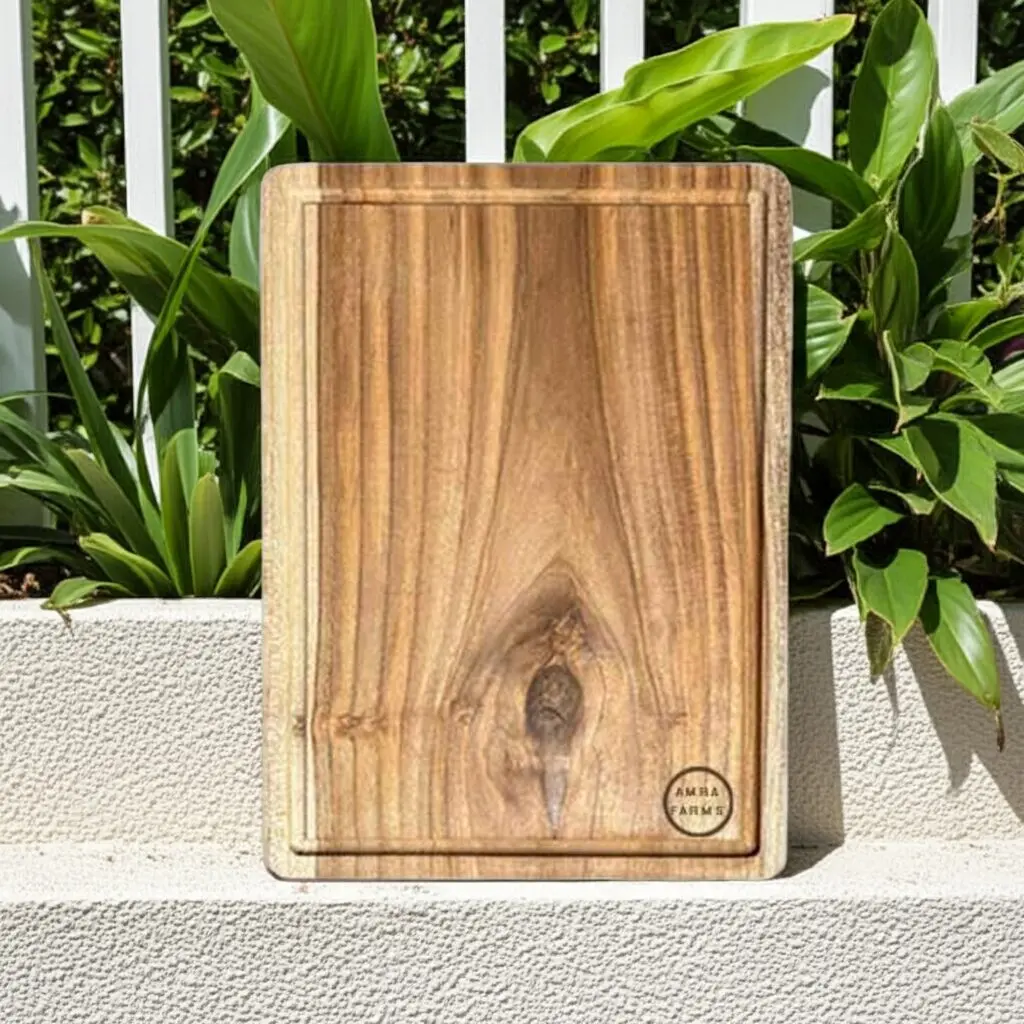
Teak cutting boards are a premium staple in professional and home kitchens alike, prized for their dense, rot-resistant grain, natural beauty, and decades-long lifespan when cared for properly. Unlike softer hardwoods or plastic boards, teak’s high natural oil content makes it naturally resistant to moisture, bacteria, and warping—but only if you avoid common cleaning mistakes that can cause premature drying, staining, cracking, or mold growth. Many owners accidentally damage their boards by soaking them in water, using harsh abrasive cleaners, or skipping regular conditioning, shortening their lifespan by years. This guide walks you through simple, food-safe cleaning steps, stain removal tips, and maintenance routines to keep your teak cutting board looking shiny, functional, and food-safe for 10+ years.
Why Proper Teak Cutting Board Care Matters
Unlike plastic or bamboo boards, teak’s tight grain and high natural oil content make it naturally resistant to bacteria, moisture, and warping—but only if cared for correctly. In practice, most teak board damage stems from avoidable cleaning errors: prolonged water exposure, harsh abrasive cleaners, or skipping regular oiling. Improper care leads to dried-out, cracked wood, stubborn stains that penetrate deep into the grain, mold growth, and even foodborne illness from trapped bacteria in cut marks. A well-maintained teak board can last 10-20 years or more, making it one of the most cost-effective kitchen tools you can own, far outlasting cheaper alternatives that need replacing every few years.
What You’ll Need
You don’t need any specialty products to clean your teak cutting board properly, but using the right supplies prevents damage and ensures food safety. We’ve split the list into daily cleaning essentials, deep cleaning supplies, and maintenance items, plus key products to avoid:
Daily Cleaning Supplies
- Mild, fragrance-free dish soap (no degreasers or antibacterial formulas, which can strip wood oils)
- Soft non-abrasive sponge or microfiber cloth
- Lukewarm (not hot) running water
- Clean, lint-free cotton drying towel
Deep Cleaning & Maintenance Supplies
- Food-grade white distilled vinegar
- Food-grade fine sea salt or baking soda
- Fresh lemon
- Soft-bristle brush (for scrubbing stuck-on food from cut grooves)
- Food-grade mineral oil or cutting board-specific teak oil (formulated for food contact)
What to Avoid
Never use bleach, ammonia, harsh scouring powders, steel wool, or dish soap with heavy fragrances and degreasers on your teak board, as these strip the wood’s natural protective layer and can leave toxic residues that contaminate food. Avoid vegetable, olive, or coconut oil for conditioning, as these go rancid within weeks and leave unpleasant odors on food. Never submerge the board in water for more than 2 minutes, and never run it through the dishwasher.
Step-by-Step Teak Cutting Board Cleaning Routine
Follow this routine after every use to keep your board clean, stain-free, and in great shape:
1. Immediate Rinse After Each Use
First, scrape off large food bits with a bench scraper or rubber spatula to avoid scrubbing stuck-on grime into the wood grain. Rinse the board under lukewarm running water, wiping the entire surface with your hand or soft cloth to remove loose debris. Never use hot water, as it causes the wood to swell and warp. Never submerge the board fully—exposure to standing water for more than 1-2 minutes is enough to cause damage. If you need to soak a particularly dirty board, limit it to 2 minutes max, then dry immediately.
2. Gentle Scrubbing With Mild Soap
Apply 2-3 drops of mild, fragrance-free dish soap to a soft sponge or cloth. Scrub the entire surface in circular motions, paying extra attention to cut marks, grooves, and areas that contacted raw meat, poultry, or seafood. Avoid steel wool or harsh scouring pads, which scratch the teak surface and create hidden crevices for bacteria to grow. Rinse thoroughly under lukewarm water to remove all soap residue, which can leave a bitter taste on food if left behind.
3. Disinfect With White Vinegar
For regular disinfection, especially after cutting raw proteins, spray or pour a 1:1 mix of white distilled vinegar and water over the entire board. Let it sit for 3-5 minutes—do not let it air dry on the wood. The acetic acid in vinegar kills 99.9% of common foodborne bacteria like E. coli and Salmonella, per USDA food safety guidelines for cutting boards. Vinegar is a safe, non-toxic disinfectant for all wood boards, and you can learn more about vinegar cleaning for all wood boards for other hardwood surfaces. Rinse thoroughly with lukewarm water and pat dry immediately after.
4. Remove Stains With Lemon & Salt (Or Baking Soda For Tough Stains)
For light stains from beets, turmeric, tomato sauce, or berry juice, you can remove stubborn fruit stains with a simple lemon and salt scrub. Sprinkle a fine layer of food-grade sea salt or baking soda over the stained area, cut a fresh lemon in half, squeeze a small amount of juice onto the salt/baking soda, then scrub gently with the cut side of the lemon in circular motions. The mild acidity breaks down stain pigments, while the salt/baking soda acts as a gentle abrasive. For set-in stains, let the mixture sit for 5-10 minutes before scrubbing and rinsing. If stains remain after this treatment, you can eliminate tough cutting board stains with a dedicated wood-safe stain remover, or tackle persistent set-in stains for extra tough discoloration.
5. Thorough Drying
After rinsing, pat the entire board dry immediately with a clean, lint-free cotton towel, paying extra attention to cut grooves and board edges, which hold the most moisture. Stand the board upright on a drying rack or lean it against a wall in a well-ventilated, shaded area to air dry completely. Never leave it flat on a counter, as trapped air underneath leads to mold growth. Avoid direct sunlight, stovetops, or dishwashers for drying, as high heat causes the wood to warp and split.
 A well-maintained solid teak cutting board resists stains and warping with proper care.
Credit: choppingboards.in
A well-maintained solid teak cutting board resists stains and warping with proper care.
Credit: choppingboards.in
Monthly Maintenance for Lasting Shine
Teak’s natural oils protect the wood from moisture and rot, but repeated washing and use strip these oils over time, leaving the board dry, dull, and prone to cracking. To maintain its shine and lifespan, oil your board once a month, or every 2-3 weeks if you use it multiple times a day. To oil your board, apply 2-3 thin coats of food-grade mineral oil or a food-safe teak oil formulated for cutting boards to the entire surface with a lint-free cloth. Rub the oil into the wood in circular motions, let it sit for 15-20 minutes so the wood absorbs it fully, then wipe off any excess oil with a clean cloth. For step-by-step application guidance, check out proper mineral oil application to avoid over-oiling or missed spots. Most boards only need 2-3 thin coats, but you can learn apply the right number of oil coats for your board’s specific use case. For extra protection against moisture and stains, you can seal your board for extra protection with a food-safe wood sealer after oiling. For food-safe oil recommendations, University of Minnesota Extension advises using only mineral oil or cutting board-specific products, as vegetable or olive oils go rancid over time and leave unpleasant odors on food. A quick water droplet test will tell you when your board needs oil: sprinkle a few drops of water on the surface—if they bead up, the wood is still protected; if they soak in immediately, it’s time to oil. If your board is heavily worn with deep cracks or severe drying, you can restore a heavily worn board to like-new condition with a deeper conditioning treatment, or fully restore a worn board using professional-grade wood conditioning techniques.
 Live-edge teak boards require the same cleaning and oiling routine as standard solid teak models.
Credit: choppingboards.in
Live-edge teak boards require the same cleaning and oiling routine as standard solid teak models.
Credit: choppingboards.in
Common Mistakes That Damage Teak Cutting Boards
Even small cleaning errors can ruin a high-quality teak board over time. Avoid these common pitfalls:
- Soaking the board for extended periods: Even 10 minutes of full submersion causes the wood to swell, leading to warping, cracking, and failure of glue joints on laminated boards.
- Using harsh chemical cleaners: Bleach, ammonia, and abrasive scouring powders strip the wood’s natural protective layer and can leave toxic residues that contaminate food.
- Putting the board in the dishwasher: High heat and prolonged water exposure will warp even the densest teak board and ruin its finish in a single cycle.
- Storing it flat in a damp cabinet: Trapped moisture leads to mold, mildew, and rot, even on teak’s rot-resistant surface. If you ignore early stains, they can penetrate deep into the wood, and you may need to lift general wood stains with a stronger treatment. If you notice early mold growth, address mold growth before it spreads to avoid permanent damage.
- Skipping regular oiling: Dry teak becomes brittle over time and develops deep, irreparable cracks that harbor bacteria.
- Using vegetable or olive oil for conditioning: These oils go rancid within a few weeks, leaving a foul smell and taste on food.
Frequently Asked Questions
How often should I clean my teak cutting board?
Rinse and wipe down your board with mild soap after every single use to remove food debris and bacteria. Do a full deep disinfection and stain removal session once a week, or immediately after cutting raw meat, fish, or highly pigmented foods like beets or turmeric.
Can I use a teak cutting board for raw meat?
Yes, teak’s dense grain resists bacteria penetration better than softer woods like maple or bamboo, but you must disinfect it thoroughly after each use with a vinegar solution, per USDA food safety guidelines. Never cut raw meat on a board that will also be used for produce or ready-to-eat foods without disinfecting first.
How do I remove stubborn odors from my teak cutting board?
If your board retains smells from garlic, fish, or onions, sprinkle it with baking soda, rub with a cut lemon, let sit for 10 minutes, then rinse thoroughly. For lingering odors that don’t lift with this method, you can eliminate stubborn lingering odors with a specialized wood odor remover.
Will lemon damage my teak cutting board?
No, as long as you use lemon sparingly for stain removal and rinse the board thoroughly afterward. Avoid using lemon as a regular cleaning agent, as frequent acid exposure can dry out the wood's natural oils over time.
How long does a well-cared-for teak cutting board last?
With proper daily cleaning, monthly oiling, and correct storage, a solid teak cutting board can last 10-20 years or more, far outlasting plastic, bamboo, or softer hardwood boards.
Conclusion
Caring for a teak cutting board doesn’t have to be time-consuming or complicated. By following these simple daily cleaning steps, monthly oiling routine, and avoiding common mistakes, you can keep your board looking shiny, stain-free, and food-safe for decades. A well-maintained teak board is not just a kitchen tool—it's a long-term investment that pays off in durability and performance. If you’re in the market for a new board, you can even build a custom teak board to match your kitchen for a personalized fit. For more long-term teak board care tips, you can reference our long-term teak board care tips guide for seasonal maintenance.

I’m Abby Lu, a passionate home cook who loves simplifying everyday meals. At PlugChef.com, I share product reviews and cooking guides to help you find the best tools for your kitchen.
Related posts:
 How is a Cutting Board Stabilized: Expert Tips for Ultimate Safety
 How Do You Treat a Bamboo Cutting Board: Expert Care Tips Revealed
 How to Seal a Wooden Cutting Board: Easy Steps for Lasting Protection
 How to Easily Remove Cutting Board Stains: Expert Cleaning Tips
 How Many Coats of Mineral Oil on Cutting Board: Expert Guide
 Organizing Can Goods in Pantry: Smart Storage Hacks

