
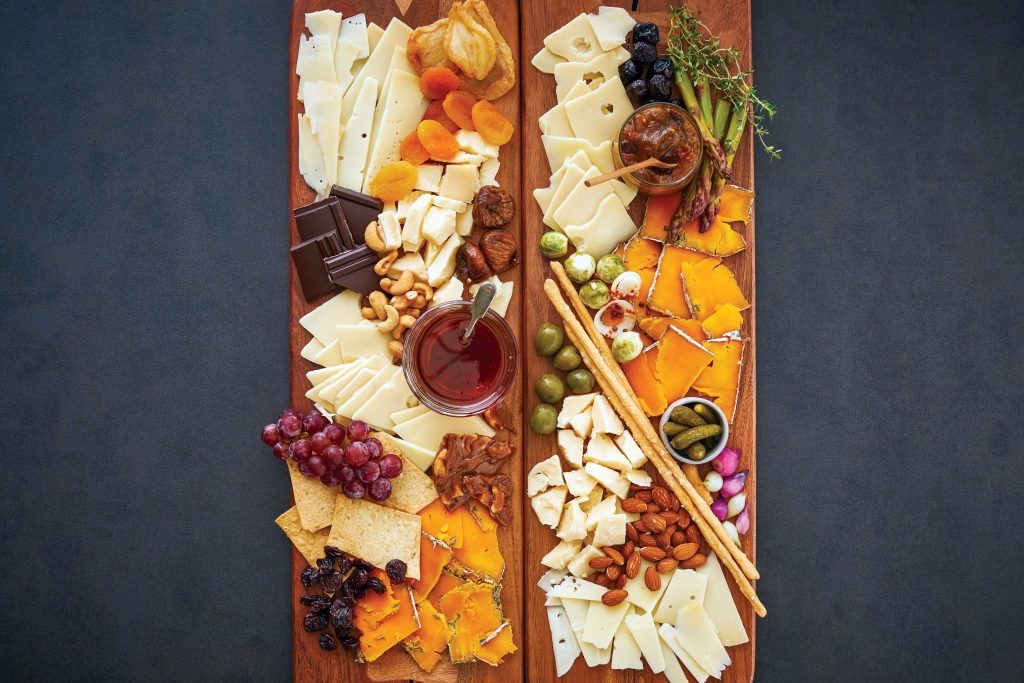
Asiago cheese is a universally loved staple for casual game day spreads, elegant dinner party charcuterie boards, and everything in between. Its nutty, savory depth pairs seamlessly with sweet fruits, salty cured meats, and crunchy nuts, but cutting it incorrectly can lead to ragged edges, wasted cheese, and a messy, unappealing presentation. Whether you’re working with soft, mild fresh Asiago or crumbly, sharp aged Asiago, these expert tips will help you cut perfect, uniform pieces every time, no professional cheese mongering skills required.
What Is Asiago Cheese, and Why It Works for Charcuterie Boards
Asiago is a protected designation of origin (DOP) cheese produced exclusively in the Veneto region of northern Italy, per the official Consorzio per la Tutela del Formaggio Asiago Asiago DOP Official Site. Made from cow’s milk, it comes in two distinct varieties that behave very differently when cutting and serving:
- Fresh Asiago (Asiago Pressato): Aged 20–40 days, this semi-soft variety has a pale, creamy interior, mild nutty flavor, and a thin, edible waxy rind. It slices cleanly and holds its shape when folded or rolled.
- Aged Asiago (Asiago d’Allevo): Aged 6 months or longer, this hard cheese has a golden, granular interior, sharp, pronounced nutty flavor, and a hard, inedible rind. It is prone to crumbling if cut incorrectly, so it requires a slightly different approach.
Both varieties are ideal for charcuterie boards: fresh Asiago adds a mild, creamy element, while aged Asiago brings a bold, savory punch that balances sweet and salty accompaniments.
Essential Tools for Cutting Asiago Cheese (No Fancy Gear Required)
You don’t need a professional cheese kit to cut Asiago perfectly—most tools you already have in your kitchen will work. The key is prioritizing stability and sharpness to avoid crushing or tearing the cheese:
- Sharp thin-bladed knife: A chef’s knife or small paring knife works best. A sharp blade slices cleanly through the cheese without crushing its texture or releasing excess oil, while a dull knife will tear the cheese and create ragged, unappealing edges. Keep your knife stored safely in a leather knife sheath to protect the edge between uses and prevent accidental cuts in your kitchen drawer.
- Stable non-slip cutting board: A wooden or plastic cutting board with a non-slip base prevents the board from sliding while you cut, reducing the risk of accidents. For extra stability, place it on a non-slip kitchen runner rug under your work surface.
- Optional cheese plane: For ultra-thin, uniform fresh Asiago slices that fold easily into a decorative fan, a cheese plane is a handy, inexpensive tool.
- Optional cheese wire: For extra crumbly aged Asiago, a cheese wire cuts clean, uniform cubes without crushing the cheese, minimizing waste.
- Clean, dry hands: Beyond hygiene, dry, clean hands prevent the cheese from slipping while you cut, reducing the risk of nicks and cuts.
Step-by-Step Guide to Cutting Asiago for Charcuterie Boards
Proper prep makes cutting Asiago far easier, and the method varies slightly depending on whether you’re working with fresh or aged varieties:
Cutting Fresh Asiago (Pressato)
Fresh Asiago’s soft, pliable texture makes it easy to slice into decorative shapes that look polished on your board:
- Prep the cheese: Remove the Asiago from the refrigerator 20–30 minutes before cutting and serving. Cold fresh Asiago tears easily instead of slicing cleanly, and its flavor is muted at fridge temperatures.
- Trim the rind (optional): The thin waxy rind of fresh Asiago is edible, but if it has a tough, chewy texture, slice it off with your knife before cutting the interior.
- Slice evenly: Cut the cheese into 1/8-inch thick uniform slices. For extra-thin slices, use a cheese plane, pulling it smoothly from one end of the cheese block to the other.
- Arrange for serving: Fold slices into a loose fan, roll them into cylinders, or stack them in a small pile for a polished, easy-to-grab presentation.
Cutting Aged Asiago (d’Allevo)
Aged Asiago’s crumbly, granular texture requires cutting with the grain to minimize waste and create uniform, easy-to-eat pieces:
- Prep the cheese: If your aged Asiago is extra crumbly, chill it for 10 minutes before cutting to firm up the texture. Let it come to room temperature for 20–30 minutes before serving to bring out its full nutty flavor.
- Slice with the grain: Cut the cheese block into 1/4-inch thick planks, slicing parallel to the cheese’s natural grain (you’ll see faint lines running through the interior) to avoid crumbling.
- Cube evenly: Cut each plank into 1/2 to 3/4-inch uniform cubes. This size is large enough to spear with a cracker or pick up by hand, but small enough to eat in one bite.
- Arrange for serving: For extra crumbly aged Asiago, use a cheese wire to cut cubes directly, then arrange in a small pile or scatter lightly across the board for a rustic look.
Safety note: Always use a claw grip for your non-knife hand (curl your fingers under, resting the knuckles against the side of the cheese) to avoid accidental cuts while slicing.
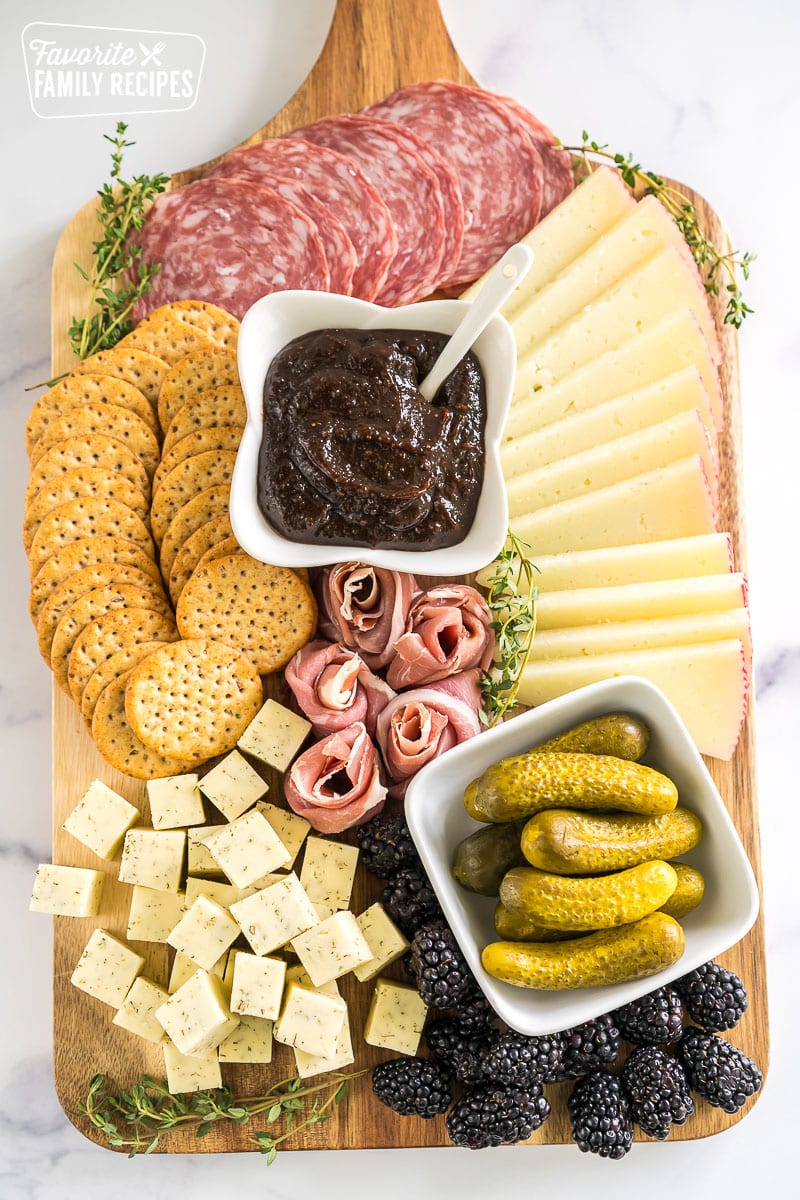 Credit: www.favfamilyrecipes.com
A casual charcuterie spread with cubed aged Asiago, crackers, prosciutto, and grapes.
Credit: www.favfamilyrecipes.com
A casual charcuterie spread with cubed aged Asiago, crackers, prosciutto, and grapes.
Pro Tips for Perfect Asiago Cuts Every Time
Follow these expert tips to avoid common mistakes and get perfect cuts every time:
- Sharpen your knife before cutting: A dull blade will crush the cheese’s delicate texture, release excess moisture, and create uneven, messy cuts that look unprofessional on your board.
- Cut aged Asiago with the grain: Slicing against the grain leads to excessive crumbling and wasted cheese, especially for well-aged varieties.
- Cut slightly larger than you think you need: Asiago shrinks slightly as it warms to room temperature, and smaller pieces can get lost on crowded boards. Err on the side of slightly larger pieces for easy grabbing.
- Save the rind of aged Asiago: The hard, flavorful rind of aged Asiago is not edible on its own, but it adds incredible umami to soups, risotto, and pasta dishes—no waste required.
- Avoid overhandling the cheese: Warm hands melt the surface of fresh Asiago, making it greasy and unappealing on your board. Handle the cheese only as much as needed to cut and arrange it.
Arranging Asiago on Your Charcuterie Board
Arranging your Asiago correctly elevates the look of your charcuterie board and makes it easy for guests to serve themselves:
- Group complementary items together: Place fresh Asiago slices near milder cured meats (like prosciutto) and sweet fruits (like pears or grapes), and aged Asiago cubes near bold salami, nuts, and savory spreads.
- Leave space between items: Keep 1–2 inches of space between cheese pieces and other board items to avoid overcrowding. This prevents guests from having to dig through the board, and keeps the cheese from warming too quickly.
- Add visual interest: Stack a few fresh Asiago slices for height, or arrange aged cubes in a small pile surrounded by grape clusters, almond sprigs, or a drizzle of honey for a polished, restaurant-quality look.
- Transport safely: If you’re bringing your board to a gathering, store pre-cut cheese in an airtight container to prevent drying. Keep your cheese knife safely stored in a cabinet door safety lock if you have young children or pets to keep sharp tools out of reach while traveling.
- For more charcuterie styling tips, seasonal pairing ideas, and board layout inspiration, browse our entertaining guides.
Pairing Asiago Cheese for Charcuterie Boards
The right pairings make the flavor of Asiago shine, and the best matches depend on whether you’re using fresh or aged varieties:
- Cured meats: Prosciutto, soppressata, spicy calabrese salami, and coppa all pair beautifully with both fresh and aged Asiago.
- Fresh fruit: Sliced pears, seedless grapes, fresh figs, and crisp apple slices balance the cheese’s nutty saltiness with bright, sweet notes.
- Dried fruit: Apricots, cranberries, and golden raisins add a chewy, concentrated sweetness that complements aged Asiago’s sharp flavor.
- Nuts: Toasted almonds, walnuts, pecans, and pistachios add a crunchy, savory element that pairs with both varieties.
- Crackers and bread: Plain water crackers, rosemary focaccia, and sourdough crostini provide a neutral, crunchy base for the cheese.
- Spreads and condiments: Honey, fig jam, grainy mustard, and our vegan artichoke white bean spread add creamy, tangy depth that cuts through the cheese’s richness.
- Beverages: Crisp pinot grigio, light chianti, sparkling prosecco, or a hoppy pale ale all pair perfectly with Asiago’s nutty profile.
 Credit: www.joyfulhealthyeats.com
A well-arranged charcuterie board featuring thin-sliced fresh Asiago, cured meats, fresh fruit, and nuts.
Credit: www.joyfulhealthyeats.com
A well-arranged charcuterie board featuring thin-sliced fresh Asiago, cured meats, fresh fruit, and nuts.
How to Store Asiago Cheese (Whole and Cut)
Proper storage keeps Asiago fresh and flavorful for as long as possible, whether you’re storing a whole block or pre-cut pieces:
- Whole Asiago: Wrap the cheese first in parchment or wax paper, then loosely in plastic wrap, or store it in an airtight container in your fridge’s cheese drawer, which maintains a consistent 34–38°F—the ideal temperature for cheese storage. For evidence-based guidance on cheese handling, the University of Minnesota Extension recommends consistent, cool temperatures to prevent flavor loss and moisture buildup University of Minnesota Extension. Use fresh Asiago within 1–2 weeks, and aged Asiago within 3–4 weeks for the best flavor.
- Cut Asiago: Wrap the cut surface tightly in plastic wrap to prevent it from drying out, then store in an airtight container in the fridge. Use within 3–5 days for optimal texture and flavor.
- Freezing: You can freeze Asiago for up to 2 months by wrapping it tightly in plastic wrap, then aluminum foil, or using a vacuum sealer to prevent freezer burn. Note that frozen Asiago becomes significantly crumblier after thawing, so it is best used for cooking (like adding to risotto or soup) rather than for charcuterie boards.
- Mold: Small white or blue mold spots on fresh Asiago can be trimmed off (cut 1 inch around and below the mold), but mold growth on aged Asiago means it is past its prime and should be discarded.
Common Mistakes to Avoid When Cutting Asiago
Avoid these common errors to ensure your Asiago cuts look polished and taste great:
- Using a dull knife: Dull blades crush the cheese’s delicate texture, release excess oil that makes your board greasy, and create uneven, ragged edges.
- Cutting cold Asiago straight from the fridge: Cold fresh Asiago tears instead of slicing cleanly, while cold aged Asiago crumbles excessively, leading to wasted cheese.
- Cubing aged Asiago with the grain: Slicing perpendicular to the cheese’s natural grain causes excessive crumbling and makes it hard to get uniform, neat cubes.
- Overcrowding your board: Piling too much cheese (or too many other items) on your board makes it hard for guests to access what they want, and causes the cheese to warm too quickly, altering its texture and flavor.
- Cutting cheese more than 2 hours in advance: Pre-cut Asiago dries out, loses its nutty flavor, and becomes greasy if left uncovered for too long. If you need to prep ahead, cut the cheese up to 2 hours in advance and store it in an airtight container in the fridge until ready to serve.
Frequently Asked Questions
How thick should Asiago slices be for a charcuterie board?
For fresh Asiago, aim for 1/8 to 1/4 inch thick slices—thin enough to fold into a decorative fan, thick enough to hold their shape without tearing. For aged Asiago cubes, 1/2 to 3/4 inch is ideal: large enough to spear with a cracker, but small enough to eat in one bite.
What is the best knife for cutting Asiago cheese?
A sharp, thin-bladed chef’s knife or paring knife works for most blocks. For extra crumbly aged Asiago, a cheese wire or cheese plane will give you clean, uniform cuts without crushing the cheese. Avoid serrated knives, as they tear the cheese’s delicate texture and create ragged edges.
Should I chill Asiago before cutting it?
Yes, chill fresh or aged Asiago for 10–15 minutes before cutting if it is very soft or crumbly. This firms up the texture to prevent tearing or crumbling, but be sure to let it come to room temperature for 20–30 minutes before serving to bring out its full, nutty flavor.
Can I cut Asiago cheese ahead of time for a party?
You can cut Asiago up to 2 hours in advance, but store the cut pieces in an airtight container in the fridge to prevent drying. Let the cheese come to room temperature before arranging it on the board for serving. Cutting more than 2 hours in advance will cause the cheese to lose its signature flavor and become greasy.
Does the rind of Asiago cheese need to be removed?
The thin, waxy rind of fresh Asiago is fully edible, though some people prefer to trim it off if it has a tough, chewy texture. The hard, natural rind of aged Asiago is not typically eaten, so trim it off before cutting and serving. You can save the aged Asiago rind to add to soups or risotto for extra umami flavor.
Conclusion
Cutting Asiago cheese for a charcuterie board is a simple, quick process that makes a huge difference in the look and flavor of your spread. With the right prep, sharp tools, and a little attention to the cheese’s texture, you can create uniform, polished pieces that look as good as they taste. Whether you prefer mild, creamy fresh Asiago or sharp, crumbly aged varieties, experiment with different cuts and pairings to find the combination that works best for your next gathering.
If you enjoyed this guide, master another charcuterie staple with our tutorial on cutting havarti for charcuterie boards.

I’m Abby Lu, a passionate home cook who loves simplifying everyday meals. At PlugChef.com, I share product reviews and cooking guides to help you find the best tools for your kitchen.
Related posts:
 How to Make a Fruit Basket for a Gift: Easy DIY Guide
 Do You Need a Basket? Essential Guide for Air Fryers
 How to Adjust Syrup Dispenser Pressure: Expert Tips
 White Appliances in Kitchen Design: Elevate Your Space
 Kitchen Appliances Stainless Steel Vs White: Ultimate Showdown
 Kitchen Appliances Made in Usa: Quality and Innovation

