
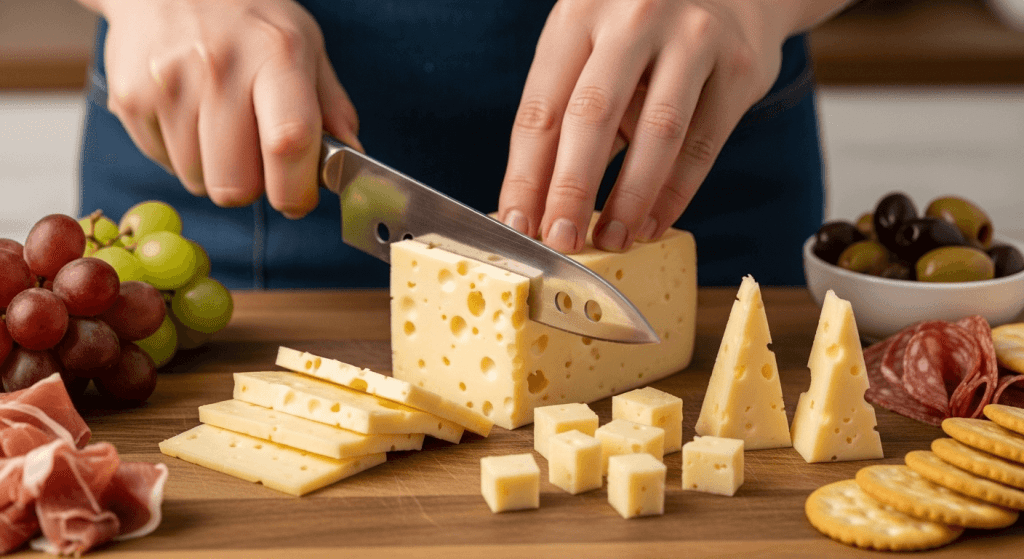
Havarti’s creamy, mild flavor and buttery texture make it a staple on every great charcuterie board, but cutting it incorrectly can lead to crumbly, uneven pieces that ruin your spread’s visual appeal and make it hard for guests to enjoy. After testing dozens of cutting methods for small dinner parties and large holiday gatherings, we’ve narrowed down foolproof, expert-backed steps to cut Havarti perfectly every time, no fancy gear required. Whether you’re making bite-sized cubes, elegant thin slices, or rustic wedges, these tips will help you showcase this Danish classic the way it deserves.
Why Proper Havarti Cutting Matters for Your Charcuterie Board
Unlike hard cheeses such as cheddar or aged gouda, Havarti is a semi-soft cheese with a high moisture content, meaning it’s far more prone to smearing, crumbling, or sticking to your knife if cut at the wrong temperature or with the wrong tool. Improper cuts not only look unprofessional on your board, but they also make it difficult for guests to pick up pieces without making a mess, and can throw off the balance of flavors and textures across your spread. Taking 5 extra minutes to prep and cut Havarti correctly will elevate your entire charcuterie board, making it look as polished as a store-bought spread while tasting far fresher.
Pre-Cut Prep: Set Yourself Up for Success
Skipping prep is the fastest way to end up with messy, unusable Havarti pieces. These quick steps will ensure your cheese cuts cleanly every time.
Choose the Right Havarti for Your Board
Not all Havarti is created equal when it comes to cutting. Young Havarti, aged 3–6 months, is softer and creamier, making it ideal for thin slices that pair perfectly with cured prosciutto or salami. Aged Havarti, aged 9 months or longer, has a firmer, crumblier texture that holds up better to cubing or cutting into rustic wedges. Flavored varieties such as dill, garlic, or spicy Havarti work well for all cut types, but keep in mind that strongly flavored options pair best with milder board elements like honey or mild cheeses to avoid overpowering the spread. If you’re short on time, avoid pre-shredded Havarti, which is coated in anti-caking agents that make it clump and lose its creamy texture on the board.
Temperature Is Non-Negotiable
The #1 mistake home hosts make when cutting Havarti is slicing it straight out of the refrigerator. Cold Havarti is firm and prone to crumbling, while cheese that’s been left out too long will become soft and sticky, smearing across your board instead of cutting cleanly. For perfect results, remove Havarti from the fridge 20–30 minutes before cutting. If your kitchen is warm (over 75°F / 24°C), 15 minutes is sufficient. Test for readiness by pressing a finger gently into the cheese: it should yield slightly but not stick to your skin. Per USDA food safety guidelines, never leave Havarti at room temperature for more than 2 hours to avoid bacterial growth, so only cut as much as you need for your board ahead of time, and store leftovers in an airtight container in the fridge. If you’re short on counter space, set up an over-sink drying station to hold your cutting board and tools while you prep, freeing up space for arranging your charcuterie spread.
Essential Tools for Cutting Havarti (No Fancy Gear Required)
You don’t need a specialty cheese toolkit to cut Havarti perfectly—most of these tools are already in your kitchen drawer:
- Sharp non-serrated chef’s knife: The best all-purpose option for slicing wedges and large planks. A serrated knife will tear the soft Havarti, leading to messy edges, so stick to a smooth, sharp blade.
- Cheese wire or slicer: Ideal for ultra-thin, even slices with zero smearing. This is the go-to tool for elevated, professional-looking boards.
- Small paring knife: Perfect for shaping small cubes, decorative cuts, or trimming excess rind.
- Stable cutting board: Wood or plastic boards both work, but opt for a plastic or acrylic board if you’re cutting multiple cheeses, as it’s easier to sanitize between uses.
- Pro tip: Run your knife under hot water and wipe it dry before each cut to prevent the soft Havarti from sticking to the blade.
Step-by-Step Cutting Methods for Every Board Style
The best cut for your Havarti depends on the size and style of charcuterie board you’re building. Follow these step-by-step methods for flawless results every time:
Thin Slices (Best for Pairing with Cured Meats and Crackers)
- Secure your Havarti wedge or block on your cutting board. If you’re working with a round wheel, cut it in half first to create a flat, stable surface.
- Hold your knife at a 45-degree angle to create a slight bevel, which makes slices look more polished and prevents them from sticking together.
- Cut ¼-inch thick slices for most boards; adjust to ⅛-inch for ultra-thin, delicate slices, or ½-inch for heartier pairings with thick crackers. If you can see natural texture lines in the Havarti, cut against the grain to avoid crumbling.
- Arrange slices in a loose fan shape on your board, overlapping slightly for a visually appealing, abundant look.
Cubes (Ideal for Bite-Sized Snacking)
- Cut your Havarti block into 1-inch thick planks first.
- Cut each plank into 1-inch even strips.
- Cut the strips crosswise into 1-inch cubes. For uniform cubes when prepping for a large crowd, use a ruler as a guide to ensure even sizing.
- Optional: Toss cubes lightly in smoked paprika or dried oregano for extra flavor, but skip this if you’re pairing with strongly spiced meats or bold cheeses, as it can clash with other board elements.
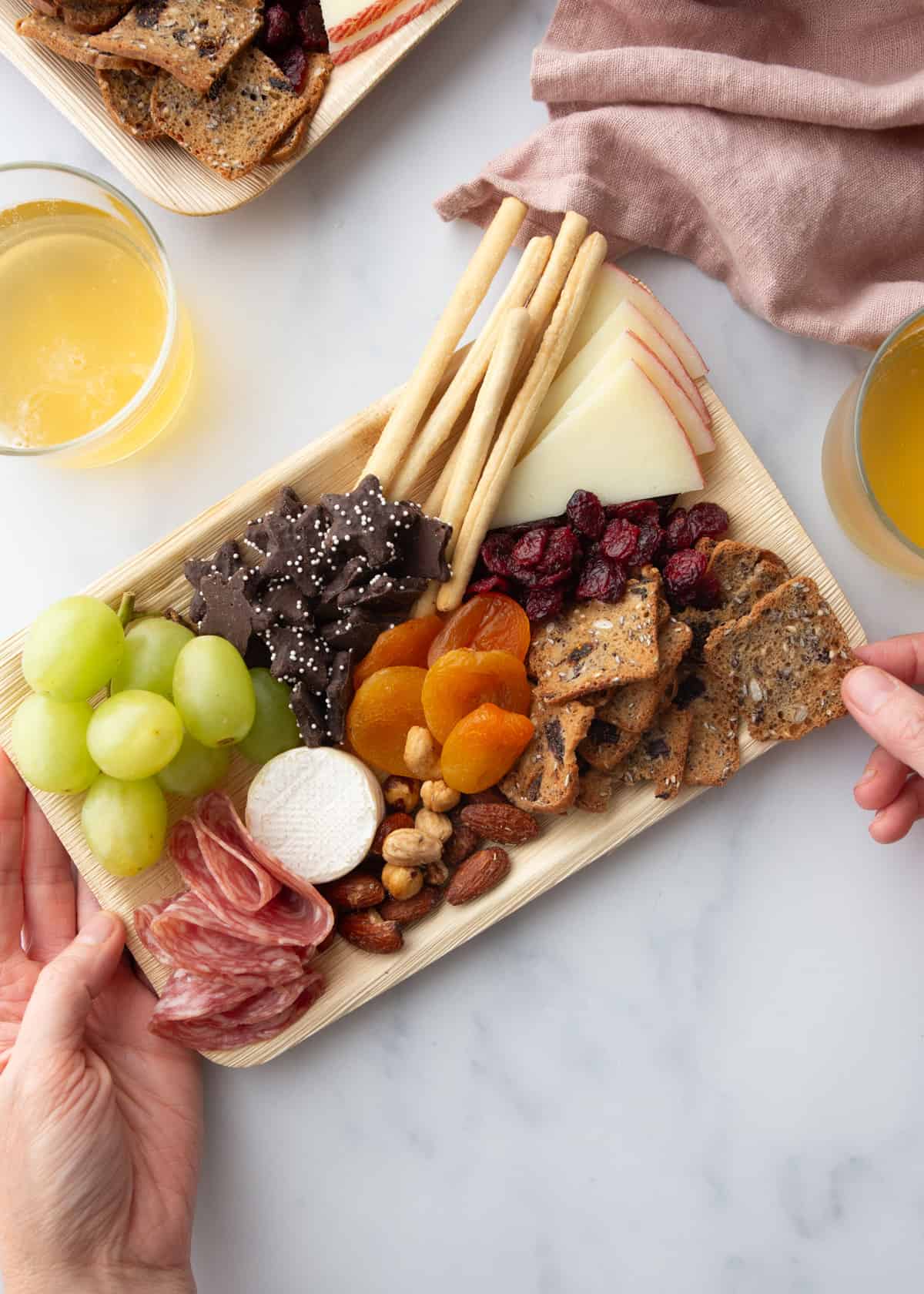 Mini charcuterie boards are perfect for small gatherings, with pre-cut Havarti cubes for easy, mess-free grabbing.
Image source: inquiringchef.com
Mini charcuterie boards are perfect for small gatherings, with pre-cut Havarti cubes for easy, mess-free grabbing.
Image source: inquiringchef.com
Wedges (Perfect for Rustic, Casual Boards)
- If using a round Havarti wheel, cut it into 6–8 equal wedges, just as you would a pizza.
- For a block, cut diagonal slices ½-inch thick, then cut each slice in half to create triangular wedges.
- Leave the edible wax rind on most commercial Havarti for a rustic, authentic look, or remove it for a cleaner, more polished presentation if you prefer.
Decorative Shapes (For Elevated, Visual Boards)
For special occasions, you can cut Havarti into decorative shapes to make your board stand out. Use a small fluted pastry cutter to create ruffled edges on thick slices, or a mini cookie cutter to cut flower or star shapes from thin slices. You can also cut small ½-inch crouton-style cubes for a playful, kid-friendly touch. Note that decorative cuts take extra time and can cause the cheese to warm up faster, so reserve them for small, intimate gatherings rather than large parties.
Common Havarti Cutting Mistakes to Avoid
Even experienced hosts run into issues when cutting Havarti. Avoid these common pitfalls to get perfect results every time:
- Cutting cold Havarti: Cold cheese will crumble and stick to your knife, leading to uneven, messy pieces. Always temper it to room temperature first.
- Using a dull knife: A dull blade will tear the soft cheese instead of cutting cleanly, wasting product and leaving rough edges.
- Applying too much pressure: Let the sharp edge of your knife do the work. Pressing down hard will smear the cheese, especially if it’s slightly warm.
- Overcrowding your board: Only cut as much Havarti as you need for your serving time, as pre-cut cheese will dry out if left exposed to air for more than 2 hours.
- Cutting cheese after arranging other board elements: Cut your Havarti first, then arrange the rest of your board to avoid cross-contamination and keep the cheese at the optimal temperature.
Arranging Your Havarti for the Perfect Charcuterie Board
How you arrange your cut Havarti is just as important as how you cut it. Place mild Havarti varieties near delicate cured meats like prosciutto or serrano ham, so the cheese’s creamy flavor doesn’t overpower the meat. For flavored Havarti such as dill or spicy, place it near stronger board elements like sharp cheddar or chorizo to balance bold flavors. Arrange thin slices in a loose fan, pile cubes in a small ceramic dish to prevent them from rolling off the board, and fan wedges out around the edge of the board for a rustic look. Add small garnishes like fresh thyme sprigs or edible flowers next to the Havarti to elevate the board’s visual appeal. If you’re hosting a small, casual board night, keep your serving utensils and extra garnishes within easy reach in a corner storage solution to avoid scrambling mid-gathering. When prepping for a large gathering, use a cabinet storage organizer to store all your charcuterie supplies—cheese knives, serving tweezers, and garnish containers—so everything is within easy reach. If you’re serving your board on a kitchen counter, keep the area clutter-free with a countertop storage solution so you have space for serving utensils and extra garnishes.
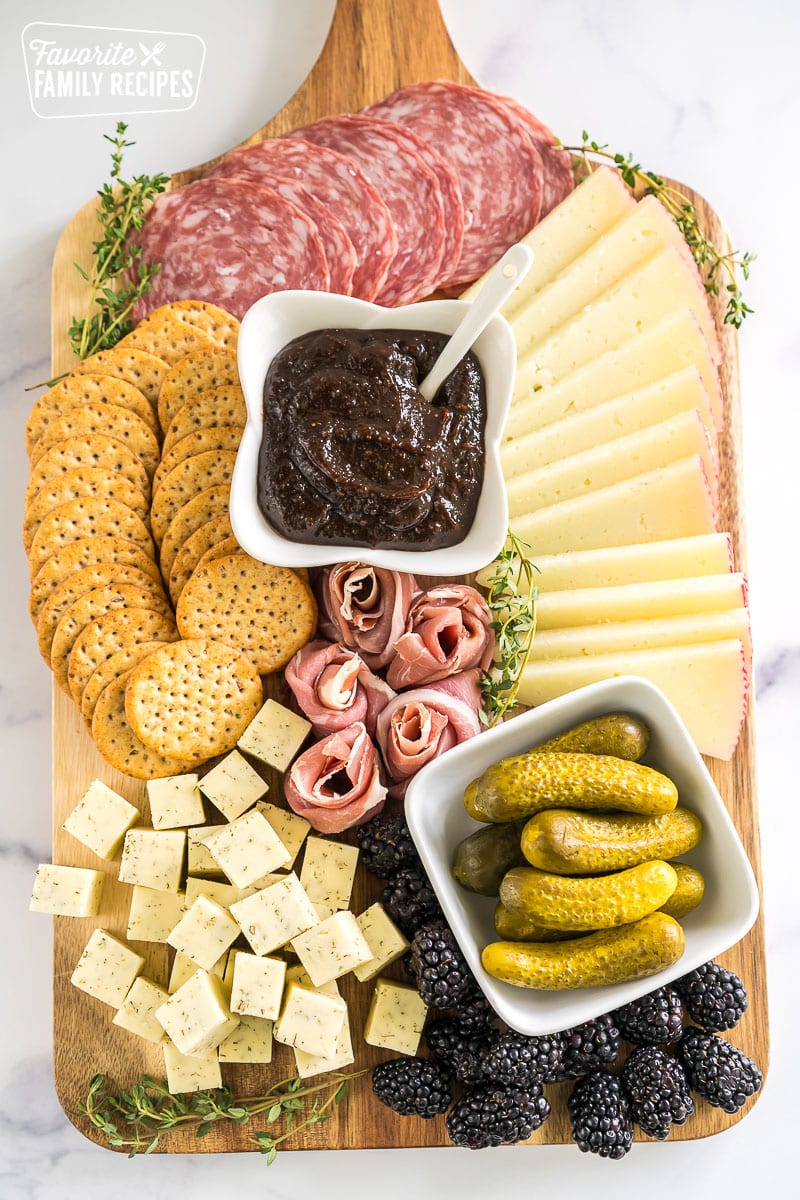 This simple board features thinly sliced Havarti arranged in a fan alongside cured meats, nuts, and fresh fruit for a balanced spread.
Image source: www.favfamilyrecipes.com
This simple board features thinly sliced Havarti arranged in a fan alongside cured meats, nuts, and fresh fruit for a balanced spread.
Image source: www.favfamilyrecipes.com
Storing Leftover Cut Havarti
If you have leftover cut Havarti after your gathering, store it in an airtight container in the refrigerator for up to 1 week. To prevent it from drying out, place a damp paper towel on top of the cheese before sealing the container. Leftover Havarti works perfectly for sandwiches, mac and cheese, or melted over vegetables, so don’t let it go to waste. Store pre-cut Havarti and leftover board items in an airtight container in your pantry, which you can keep organized with a pantry organization system to make future board prep even faster. For frequent board nights, streamline your kitchen setup with a cabinet space optimizer to free up cabinet space for extra serving platters and board accessories. After serving, clean your cheese knife and cutting board easily by setting them on a dish drying rack to dry, preventing water spots and bacteria growth.
Frequently Asked Questions
How Do You Slice Havarti Cheese For A Board?
Cut Havarti into ¼-inch thick slices for most boards; this thickness is sturdy enough to hold up to pairings with cured meats and crackers, but thin enough to bend slightly for easy eating. For mini boards or bite-sized pairings, cut slices as thin as ⅛-inch.
What Knife Is Best For Cutting Havarti Cheese?
A sharp, non-serrated chef’s knife works best for most cuts, as its smooth edge slices cleanly through the soft cheese without tearing. For ultra-thin, even slices, a cheese wire or slicer is the best tool to avoid smearing.
Should Havarti Cheese Be Cut Before Or After Chilling?
Always temper Havarti to room temperature before cutting. Cold Havarti will crumble and stick to your knife, leading to uneven pieces, while cheese that’s too warm will smear and lose its shape.
How To Cut Havarti Cubes For Charcuterie?
Cut your Havarti block into 1-inch thick planks, then cut the planks into 1-inch strips, and cut the strips crosswise into 1-inch cubes. For uniform sizing, use a ruler as a guide when prepping for a large crowd.
Can I cut Havarti ahead of time for a charcuterie board?
Yes, you can cut Havarti up to 2 hours before serving, as long as you store it in an airtight container in the refrigerator. Bring it to room temperature for 10–15 minutes before arranging it on the board to restore its creamy texture.
How do I keep pre-cut Havarti from drying out on the board?
Arrange pre-cut slices or cubes in a small ceramic dish or ramekin on the board, and place a damp paper towel under the dish to add moisture. You can also drizzle a tiny amount of olive oil over the top of the Havarti to seal in moisture, but skip this if you’re pairing with strongly flavored ingredients that could clash with the oil.
Should I remove the rind from Havarti before cutting?
Most commercial Havarti has an edible wax rind that adds a subtle, earthy flavor and a rustic look. If you prefer a cleaner presentation, or if your Havarti has a thick, waxy rind, you can trim it off with a small paring knife before cutting.
Final Thoughts
Cutting Havarti cheese for a charcuterie board doesn’t have to be complicated—with the right prep, tools, and cutting method, you can create professional-looking pieces that elevate your entire spread. Whether you’re hosting a small game night or a large holiday party, these expert tips will help you avoid common mistakes and showcase Havarti’s creamy, versatile flavor the way it’s meant to be enjoyed. Ready to build your perfect charcuterie spread? Pair your perfectly cut Havarti with seasonal fruit and your favorite cured meats for a board that will impress every guest.

I’m Abby Lu, a passionate home cook who loves simplifying everyday meals. At PlugChef.com, I share product reviews and cooking guides to help you find the best tools for your kitchen.
Related posts:
 How to Make a Fruit Basket for a Gift: Easy DIY Guide
 Do You Need a Basket? Essential Guide for Air Fryers
 How to Paint Kitchen Appliances: Transform Your Space
 All White Kitchen With White Appliances: Timeless Elegance
 How to Dispose of Small Household Appliances: Eco-Friendly Tips
Stainless Steel Or Black Kitchen Appliances: Perfect Choice?
How to Dispose of Small Household Appliances: Eco-Friendly Tips
Stainless Steel Or Black Kitchen Appliances: Perfect Choice?

