
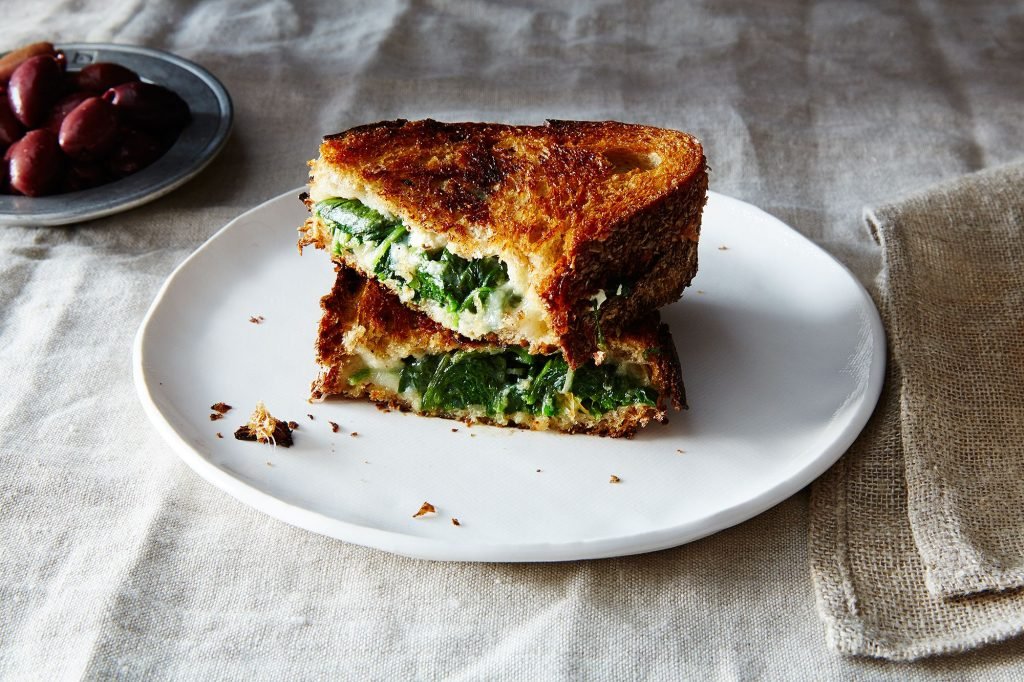
There’s nothing quite like a perfectly made grilled cheese sandwich: crisp, golden bread giving way to oozing, melted cheese with every bite. For decades, home cooks have relied on butter for that signature crust, but olive oil is a secret weapon that delivers an even crispier, more flavorful result without the heaviness of dairy fat. If you’ve ever struggled with soggy bread, burnt edges, or cheese that never fully melts, this guide will walk you through every step to master the ultimate olive oil grilled cheese, plus pro tips and creative variations to make it your own.
Why Olive Oil Outperforms Butter for Grilled Cheese
Olive oil creates a crispier, more evenly browned crust than butter for one key reason: it has less than 0.2% water content, compared to butter’s 16% water. When cooked, butter’s water content steams the bread slightly, leading to a softer crust, while olive oil sears the bread instantly for a shatteringly crisp finish. It also adds a subtle fruity, peppery depth that complements cheese far better than neutral butter, and it’s lower in saturated fat, with monounsaturated fats that the FDA recognizes as beneficial for heart health when used in place of saturated fats. The only trade-off? Extra virgin olive oil has a lower smoke point than butter, so you’ll need to cook over medium-low heat to avoid bitter, burnt flavors.
Choosing the Perfect Bread for Your Sandwich
Bread makes or breaks a grilled cheese, and the right choice will hold up to olive oil’s searing power without getting soggy or burnt.
Top Bread Picks for Olive Oil Grilling
- Sourdough: The gold standard for olive oil grilled cheese. Its dense, chewy crumb absorbs oil evenly, its tangy flavor cuts through rich cheese, and its firm crust crisps up perfectly without burning. Aim for ½-inch thick slices for the best texture.
- Ciabatta: Its open, airy crumb crisps quickly, and its mild flavor lets the cheese and olive oil shine. Just be careful not to overcook it, as its thin crust can burn fast.
- French bread: A classic choice with a crunchy exterior and soft, pillowy interior that melts in your mouth.
- Whole wheat: Adds a nutty, earthy flavor and extra fiber, but cook on slightly lower heat, as its denser texture can burn before the cheese melts.
- Avoid soft white sandwich bread: Its loose, porous crumb absorbs too much oil, leading to sogginess, and its thin crust burns before the cheese has time to melt. For even melting, cut your cheese into uniform ¼-inch slices — the same technique used for uniform cheese slicing works perfectly here, ensuring the cheese melts at the same rate as the bread toasts.
 Evenly oiled sourdough slices prepped for grilling, the key to a non-soggy crust
Credit: blog.blueapron.com
Evenly oiled sourdough slices prepped for grilling, the key to a non-soggy crust
Credit: blog.blueapron.com
Selecting the Right Cheese for Optimal Melt and Flavor
The best grilled cheese cheese melts smoothly at a low temperature, has a balanced flavor that doesn’t overpower the olive oil, and doesn’t release excess grease when melted. Avoid pre-shredded cheese, which has anti-caking agents that prevent smooth, even melting — always opt for block cheese you slice or grate yourself.
| Cheese Type | Melt Temperature | Flavor Profile | Best Olive Oil Pairings |
|---|---|---|---|
| Low-Moisture Mozzarella | 135°F (57°C) | Mild, creamy, excellent stretch | Fresh basil, tomato slices |
| Sharp Cheddar | 150°F (66°C) | Tangy, robust, sharp | Caramelized onions, apple slices |
| Smoked Gouda | 140°F (60°C) | Nutty, sweet, subtle smokiness | Bacon, fresh thyme |
| Fontina | 145°F (63°C) | Buttery, mild, melts smoothly | Sautéed mushrooms, prosciutto |
| Feta (crumbled) | Does not fully melt | Salty, tangy, crumbly | Roasted red peppers, kalamata olives |
| For the best flavor, mix two cheeses: try mozzarella for stretch with a sharp cheddar for depth, or fontina with a sprinkle of parmesan for extra savoriness. |
The Best Olive Oil for Grilled Cheese
Not all olive oil is created equal for stovetop cooking, and the right choice will make or break your sandwich’s flavor and texture.
- Extra Virgin Olive Oil (EVOO): The best pick for flavor, with a bright, fruity, slightly peppery taste that elevates the sandwich. It has a smoke point of 375–410°F (190–210°C), so cook over medium-low heat to avoid bitter, burnt flavors. It’s also the healthiest option, with the highest concentration of antioxidants.
- Pure Olive Oil: Has a neutral flavor and a higher smoke point (up to 470°F / 243°C), making it ideal if you don’t want olive oil’s distinct taste to overpower the cheese. It’s a great pick for picky eaters or classic grilled cheese recipes.
- Infused Olive Oil: Garlic, herb, or chili-infused olive oils add extra flavor without extra prep steps, just be sure to check that they’re made for cooking (some infused oils are for finishing only and have low smoke points). Store olive oil in a cool, dark spot away from heat sources to preserve its flavor and prevent rancidity. If you have young children in your home, store olive oil in a locked cabinet using child-safe cabinet locks to prevent accidental spills or ingestion. For stovetop grilling, choose olive oil with a smoke point of at least 375°F (190°C), per guidance from the University of Minnesota Extension on safe cooking oil use.
Step-by-Step Olive Oil Grilled Cheese Recipe
This foolproof recipe delivers a crispy, golden crust and perfectly melted cheese every time, with minimal prep and cleanup.
Ingredients (1 sandwich)
- 2 slices sourdough or ciabatta bread, ½ inch thick
- 2–3 slices low-moisture mozzarella or sharp cheddar, ¼ inch thick
- 1 teaspoon extra virgin olive oil
- Pinch of flaky sea salt (optional)
- Pinch of black pepper (optional)
Instructions
- Prep the bread: Brush one side of each bread slice evenly with olive oil, using a pastry brush or folded paper towel. Aim for a thin, uniform layer — a common mistake home cooks make is dousing bread in oil, which leads to greasy, sogginess instead of crispiness. In practice, ¼ teaspoon per slice is all you need for even coverage.
- Assemble the sandwich: Place one bread slice oil-side down on a clean surface. Layer cheese evenly over the bread, leaving a ¼-inch border around the edges to prevent cheese from oozing out. Add any optional fillings (see variations below), then top with the second bread slice, oil-side up.
- Cook the first side: Heat a cast-iron or non-stick skillet over medium-low heat (325°F / 160°C if using an infrared thermometer). Place the sandwich in the skillet, oil-side down. Cook for 3–4 minutes, until the bottom is golden brown and crispy, and the cheese starts to melt.
- Flip and cook the second side: Carefully flip the sandwich with a spatula. Cook for another 3–4 minutes, until the second side is golden brown and the cheese is fully melted. If the bread is browning too fast before the cheese melts, lower the heat to low and cover the skillet for 1–2 minutes to trap heat and melt the cheese.
- Rest and serve: Transfer the sandwich to a cutting board, let rest for 1 minute (this lets the cheese set slightly so it doesn’t ooze out when you cut it), then slice diagonally and serve immediately.
 A perfectly cooked olive oil grilled cheese with a crisp, golden crust and oozing melted cheese
Credit: www.washingtonpost.com
A perfectly cooked olive oil grilled cheese with a crisp, golden crust and oozing melted cheese
Credit: www.washingtonpost.com
Pro Tips for Perfect Results Every Time
Avoid Common Mistakes
- Using too much oil: Excess oil seeps into the bread, making it soggy instead of crispy. Stick to 1 teaspoon total for a standard sandwich.
- Cooking on high heat: High heat burns the bread before the cheese melts. Medium-low heat is the sweet spot for even cooking.
- Using cold cheese: Cheese straight from the fridge takes longer to melt, leading to burnt bread. Let cheese sit at room temperature for 10 minutes before assembling.
- Skipping the rest step: Cutting the sandwich immediately after cooking lets all the melted cheese run out. Let it rest for 1 minute first.
Equipment and Cleanup
A cast-iron skillet is ideal for even heat distribution and a perfectly crisp crust, but a non-stick skillet works too. A small pastry brush makes applying olive oil evenly much easier than pouring it directly on the bread. Once cooked, wipe out excess oil with a paper towel, then scrub the skillet with a kitchen cleaning brush to remove any stuck-on bits before washing. For quick grease cleanup, a soap-dispensing scrub brush cuts through olive oil residue without harsh scrubbing.
Creative Flavor Variations
Once you’ve mastered the classic recipe, experiment with these easy upgrades to elevate your sandwich. If you’re making multiple sandwiches for a group, a sturdy brush set makes applying olive oil to all your bread slices fast and even.
Herb and Spice Infusions
Mix ½ teaspoon of dried herbs or 1 teaspoon of fresh herbs into your olive oil before brushing the bread for an extra layer of flavor:
- Fresh basil + garlic powder for a Mediterranean twist
- Smoked paprika + cumin for a spicy, smoky kick
- Dried oregano + thyme for a classic Italian flavor
- Red pepper flakes for a subtle heat
Gourmet Fillings
Go beyond plain cheese with these add-ins, layered between the cheese slices:
- Caramelized onions and gruyère for a rich, savory bite
- Sautéed spinach and feta for a Greek-inspired sandwich
- Apple slices and sharp cheddar for a sweet-savory contrast
- Prosciutto and provolone for a salty, meaty upgrade
- Roasted red peppers and goat cheese for a tangy, creamy option
Serving and Pairing Ideas
Serve your sandwich on a personalized wooden cutting board, or try custom board engraving to add a fun, personal touch to your meals.
Dip and Side Pairings
- Soups: Classic tomato basil soup is the gold standard, but roasted red pepper soup or butternut squash soup also complement the olive oil’s richness.
- Dips: Garlic aioli, roasted red pepper hummus, or a simple balsamic reduction for dipping.
- Sides: Crispy sweet potato fries, dill pickle spears, a simple arugula salad with lemon vinaigrette, or a bowl of marinated kalamata olives to echo the olive oil in the sandwich.
Presentation Tips
Slice the sandwich diagonally to reveal the melted cheese inside, then arrange the halves slightly apart on a plate or board. Garnish with fresh basil or parsley, a sprinkle of flaky sea salt, or a light drizzle of extra virgin olive oil for extra richness. For a fun appetizer, cut the sandwich into 1-inch squares and serve with toothpicks and a small ramekin of marinara sauce for dipping.
 A Mediterranean-inspired variation using feta and olive oil, served with herb dipping oil
Credit: gingerwithspice.com
A Mediterranean-inspired variation using feta and olive oil, served with herb dipping oil
Credit: gingerwithspice.com
Frequently Asked Questions
What are the benefits of using olive oil for grilled cheese?
Olive oil creates a thinner, crispier crust than butter, with a subtle fruity, peppery flavor that complements cheese beautifully. It’s also lower in saturated fat than butter, and rich in monounsaturated fats and antioxidants that support heart health, per FDA guidance. Unlike butter, olive oil doesn’t burn as quickly when used at the right temperature, making it easier to get a golden crust without charring.
How do I make grilled cheese with olive oil instead of butter?
Brush 1 teaspoon of olive oil evenly over one or both sides of your bread slices, then assemble the sandwich with your chosen cheese and fillings. Cook in a preheated skillet over medium-low heat for 3–4 minutes per side, until the bread is golden brown and the cheese is fully melted. Avoid pouring oil directly into the skillet, as this can make the bread greasy.
Which cheese pairs best with olive oil grilled cheese?
Mild, high-moisture cheeses like mozzarella, fontina, and provolone work beautifully, as their creamy flavor lets the olive oil shine. For a bolder flavor, sharp cheddar, smoked gouda, or tangy feta pair well with olive oil’s fruity notes. Avoid very hard, low-moisture cheeses like parmesan, as they don’t melt smoothly.
Can I use extra virgin olive oil for grilled cheese?
Yes, extra virgin olive oil (EVOO) is the best choice for flavor, as it has the most pronounced fruity, peppery notes that elevate the sandwich. Just be sure to cook over medium-low heat, as EVOO has a lower smoke point (around 375°F / 190°C) than pure olive oil, so high heat can make it taste bitter.
Can I use olive oil spray instead of liquid oil?
Yes, olive oil spray works for an ultra-thin, even coating with minimal mess. Just be sure to choose a 100% olive oil spray with no added propellants or flavorings for the best results.
What if my bread burns before the cheese melts?
This is usually caused by heat that’s too high, or bread that’s too thin. Lower the heat to low, cover the skillet for 1–2 minutes to trap heat and melt the cheese, or use thicker (½ inch) bread slices next time. You can also toast the bread slices in a toaster for 1 minute before assembling to speed up melting without burning.
Conclusion
Olive oil grilled cheese is a simple, delicious upgrade to a classic comfort food, with a crispier crust, brighter flavor, and healthier fat profile than butter. With the right bread, cheese, and cooking technique, you can make a restaurant-quality sandwich at home in minutes. Don’t be afraid to experiment with different cheese blends, fillings, and herb infusions to find your perfect combination. For more easy, foolproof kitchen recipes and hacks, browse our full library of simple cooking guides to level up your home cooking game.

I’m Abby Lu, a passionate home cook who loves simplifying everyday meals. At PlugChef.com, I share product reviews and cooking guides to help you find the best tools for your kitchen.
Related posts:
 Seville Expandable Cabinet And Pantry Organizer: Space Savior
 Glideware Pull Out Cabinet Organizer for Pots & Pans: Space Saver
 Small 3-Tier Shelf Organizer: Maximize Space Effortlessly
 Trader Joe’S Spicy Lentil Wrap: Delicious, Healthy, and Quick Meal!
 Easy Way to Peel Pumpkin: Quick Tips for Effortless Prep
 How Long Do Grapes Last: Ultimate Freshness Guide Revealed

