
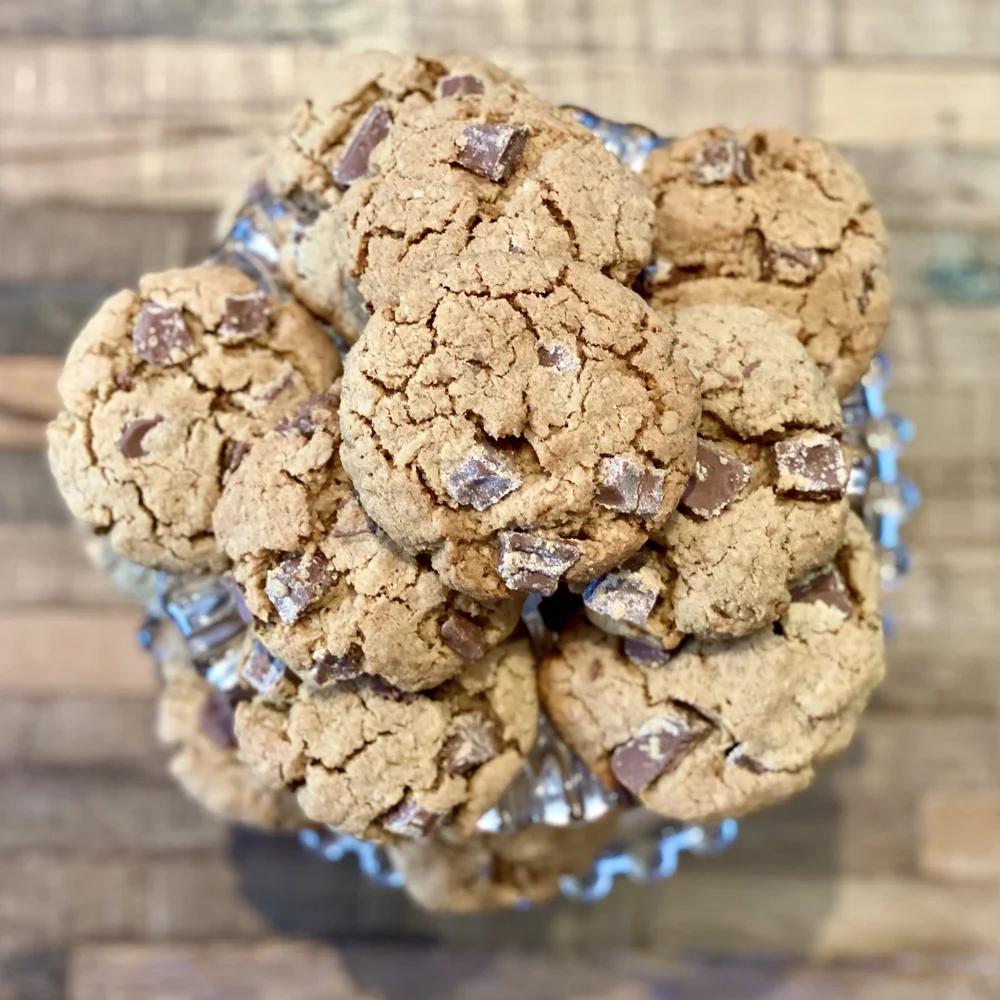
There’s nothing quite like the perfect chocolate chip cookie: sweet, chewy, and deeply satisfying. But add a handful of toasted almonds, and you get a texture contrast that takes this classic treat to the next level—crispy, caramelized edges, a soft, tender center, and a satisfying nutty crunch in every bite. Whether you’re a seasoned baker looking to switch up your go-to recipe or a novice searching for a foolproof, crowd-pleasing dessert, this variation delivers consistent, delicious results every time. Below, you’ll find a step-by-step guide, pro tips for nailing the perfect texture, customization ideas, and storage tricks to keep your cookies fresh for days.
Why This Almond Chocolate Chip Cookie Variation Is A Crowd-Pleaser
The magic of this recipe lies in its balanced texture and layered flavor. The almonds add a subtle nuttiness that cuts through the richness of the chocolate and sweetness of the dough, while their natural crunch creates a satisfying contrast to the chewy base. Unlike standard chocolate chip cookies, which rely solely on sugar and butter for texture, the almonds add a hearty, almost savory note that makes each bite feel more complex and indulgent. This variation is ideal for anyone who loves textural contrast in baked goods, and it works equally well for casual weeknight snacks, lunchbox treats, or party dessert platters. For more on this, see our guide on chocolate chip almond cookies recipe.
Core Ingredients For Perfect Crunch And Rich Flavor
The right ingredients are the foundation of perfect chocolate chip cookies with almonds. Each component plays a specific role in creating the signature crispy-chewy texture and balanced flavor.
Chocolate Selection: Chips vs. Chunks
Not all chocolate works equally well for this recipe. Opt for 60-70% cacao semi-sweet chocolate chips or chopped chocolate bars for the best balance of sweetness and depth. High-cacao dark chocolate can lean bitter, while milk chocolate melts too quickly during baking and loses its texture. Chopping a chocolate bar into irregular chunks creates varied sizes that melt in some spots and hold their shape in others, adding extra textural interest. For even chocolate distribution, mix 1 cup of chunks with ½ cup of mini chocolate chips, which tuck into small gaps in the dough for a burst of chocolate in every bite. For more on this, see our guide on old fashioned chocolate icing recipe.
Almond Selection And Prep: The Key To Consistent Crunch
Whole, sliced, or slivered raw almonds all work for this recipe, but pre-chopped almonds often contain added oils or salt that can throw off your flavor balance. Toasting almonds is non-negotiable for maximum crunch and flavor: spread them in a single layer on a baking sheet and toast at 350°F (175°C) for 8-10 minutes, until fragrant and lightly golden. Let them cool completely before adding to the dough, as warm almonds will melt into the butter and lose their crunch. For extra crispy almonds, toss them in 1 tsp of egg white before toasting, which creates a thin, crisp coating.
Wet And Dry Base Ingredients: Building The Perfect Texture
The ratio of wet to dry ingredients determines whether your cookies are crispy, chewy, or cakey. For the wet base, use unsalted butter at room temperature (70°F, soft enough to indent with a finger but not melted) so it creams properly with sugar. Use a 50/50 mix of granulated and light brown sugar: granulated sugar promotes crisp edges, while brown sugar adds moisture and chew to the center. For the dry base, use 2 cups of all-purpose flour, ½ tsp of baking soda (not baking powder, which adds lift but reduces spread and crisp edges), 1 tsp of cornstarch to tenderize the center, and 1 tsp of fine sea salt mixed into the flour to evenly distribute flavor. A pinch of coarse flaky sea salt sprinkled on top after baking adds a final burst of salty crunch.
 Freshly baked cookies with crispy edges and chewy centers, ready to serve.
Credit: aperfectfeast.com
Freshly baked cookies with crispy edges and chewy centers, ready to serve.
Credit: aperfectfeast.com
Step-By-Step Dough Preparation
Proper mixing technique ensures your dough holds together, bakes evenly, and has the right texture. Follow these steps to avoid common mistakes like tough, dense cookies.
Cream Butter And Sugars For Airy Texture
Beat room-temperature butter, granulated sugar, light brown sugar, and 1 tsp of pure vanilla extract on medium speed for 2-3 minutes, until light and fluffy. This step incorporates tiny air pockets that expand during baking, creating a lighter, crispier texture. A common mistake is under-creaming the butter and sugar, which leads to dense, flat cookies, while over-creaming incorporates too much air and makes cookies cakey.
Combine Dry Ingredients Evenly
Whisk together the flour, baking soda, cornstarch, and fine sea salt in a separate bowl to break up lumps and evenly distribute the leavening. This prevents pockets of salty or bitter dough in your finished cookies.
Fold In Mix-Ins Without Overmixing
Add the cooled, toasted almonds and chocolate chunks/chips to the dough, then fold gently with a rubber spatula just until no dry flour remains. Overmixing develops gluten in the flour, which makes cookies tough and chewy rather than soft and crisp. Even distribution of mix-ins ensures every bite has a nice crunch and a burst of chocolate.
Chill Dough For Better Flavor And Texture
Cover the dough and chill it in the refrigerator for at least 30 minutes, or up to 2 days for deeper flavor. Chilling allows the flour to fully hydrate, which prevents excessive spread during baking and creates a more complex, caramelized flavor. If you’re short on time, you can skip this step, but your cookies will spread more and have a less developed taste.
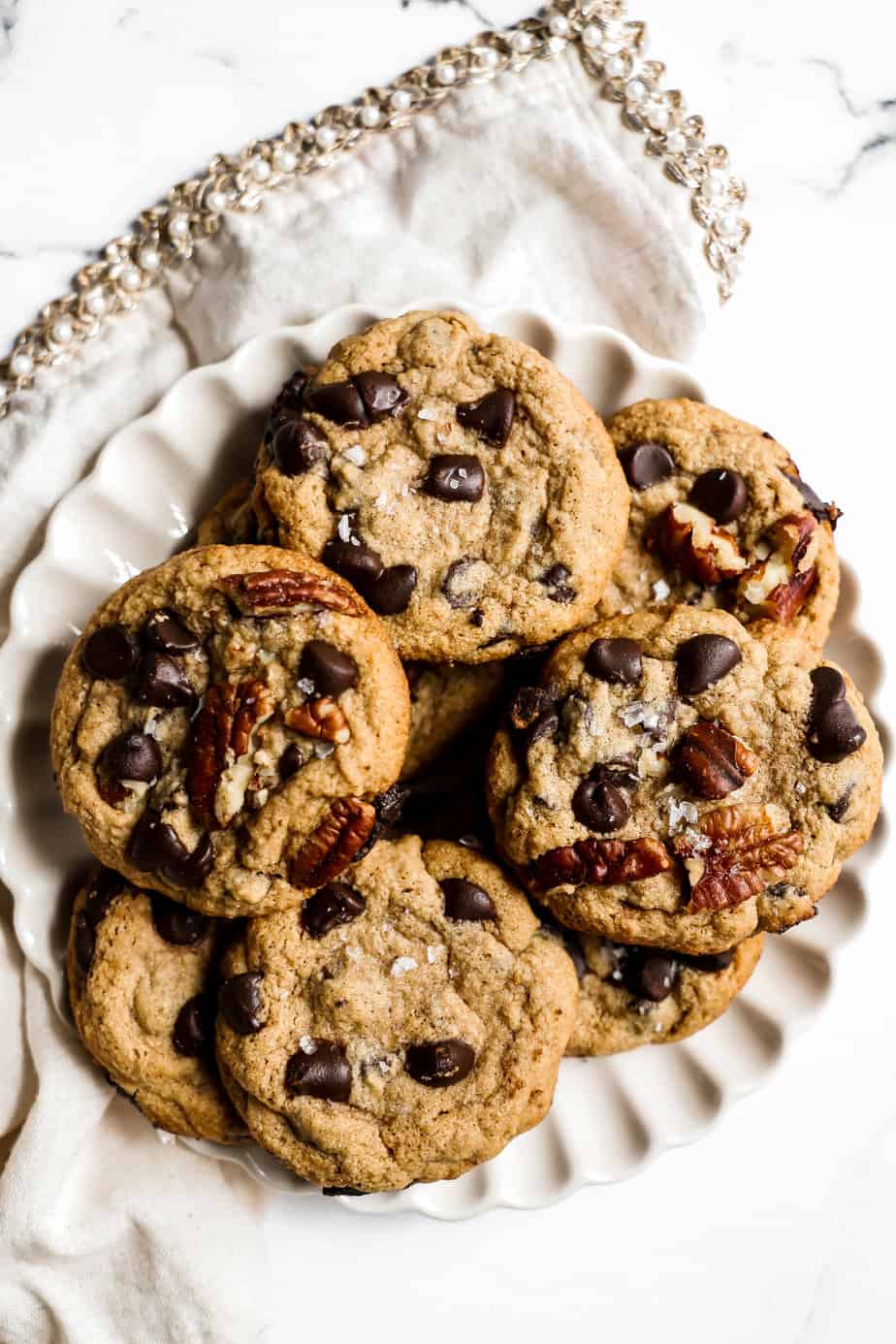 Evenly mixed dough with distributed almonds and chocolate chunks for consistent texture in every bite.
Credit: bakingguilty.com
Evenly mixed dough with distributed almonds and chocolate chunks for consistent texture in every bite.
Credit: bakingguilty.com
Baking For Crispy Edges And Chewy Centers
Baking technique is just as important as the recipe when it comes to nailing the perfect texture. Follow these guidelines to avoid burnt edges or underbaked centers.
Prep Your Oven And Baking Sheets
Preheat your oven to 350°F (175°C), and use an oven thermometer to confirm accuracy, as most home ovens run 10-25°F hot or cold, which leads to uneven baking. Line baking sheets with parchment paper rather than greasing them, as grease causes cookies to spread too thin and become overly crispy. Scoop dough into 2-tablespoon balls and space them 2 inches apart on the sheet, as they will spread 1-2 inches during baking.
Bake Time And Doneness Cues
Bake cookies for 10-12 minutes, until the edges are golden brown and the centers are pale and slightly underbaked. The key to a chewy center is to take them out before the center looks fully set: they will continue cooking from residual heat (called carryover cooking) as they cool on the baking sheet. If you bake them until the center looks done, they will be crunchy all the way through with no soft, chewy middle.
Cool Properly To Lock In Texture
Let cookies cool on the hot baking sheet for 10 minutes before transferring them to a wire rack. This allows the structure to set, so they don’t fall apart when moved. Cooling on a wire rack lets air circulate around the cookies, keeping the edges crisp while the center stays soft and chewy.
Customization And Flavor Boosters
This recipe is highly adaptable to your taste preferences. Try these simple tweaks to elevate the flavor and texture even further.
Simple Add-Ins For Extra Depth
1 tsp of pure vanilla extract is non-negotiable for rounding out the sweetness of the dough. A pinch of ground cinnamon or nutmeg adds warm, subtle spice that complements the chocolate and almonds without overpowering them. Sprinkle flaky sea salt on the cookies immediately after they come out of the oven (not before, as it will dissolve) for a sweet-salty contrast that makes all the flavors pop.
Mix-In Ideas For Every Preference
For a sweet and salty twist, add ½ cup of chopped pretzel pieces to the dough. For a holiday variation, mix in ¼ cup of dried cranberries and 1 tsp of orange zest for a bright, festive flavor. For extra richness, swirl 2 tbsp of melted peanut butter or almond butter into the dough before baking. If you want an extra light crunch, toss ¼ cup of crispy rice cereal into the dough right before folding in the other mix-ins.
Storage And Serving Guide
Proper storage keeps your cookies fresh and tasty for days, while creative serving ideas make them even more enjoyable.
Short-Term Freshness Tips
Store cookies in an airtight container at room temperature for up to 5 days. Placing a slice of white bread in the container works because the cookies absorb excess moisture from the bread, preventing them from going stale. Avoid storing cookies near strong-smelling foods like onions or spices, as they will absorb those scents.
Long-Term Freezer Storage
For storage longer than 5 days, freeze cookies in a single layer on a baking sheet first, then transfer them to a freezer-safe bag or container once solid. This prevents them from sticking together. They will keep for up to 3 months. Thaw at room temperature for 30 minutes before serving, or reheat in a 300°F oven for 2 minutes to refresh the crispy edges.
Serving And Pairing Suggestions
Serve warm cookies with a scoop of vanilla bean ice cream for a classic, indulgent dessert. Drizzle with melted dark chocolate or caramel for an extra decadent touch. For a quick snack, pair with a glass of cold milk, an iced latte, or hot spiced chai. For a dessert board, arrange with fresh berries, dark chocolate squares, and neatly sliced charcuterie for a balance of sweet and savory flavors. For a personal touch at gatherings, serve them on a custom engraved cutting board that matches your kitchen decor.
Common Baking Troubleshooting
Even experienced bakers run into issues from time to time. Use these fixes to solve common problems:
Cookies Spread Too Much
Excessive spread is usually caused by butter that is too soft or melted, dough that wasn’t chilled, or an oven temperature that is too low. To fix this, use room-temperature butter, chill the dough for at least 30 minutes before baking, and use an oven thermometer to confirm your oven is preheated to the correct temperature.
Cookies Are Crunchy All The Way Through
If your cookies lack a chewy center, they were likely baked for too long or at too high a temperature. Take them out of the oven when the edges are golden but the center is still pale and underbaked, and let them cool fully on the baking sheet to set the soft middle.
Almonds Are Soggy
Soggy almonds are almost always caused by skipping the toasting step, or adding warm almonds to the dough. Always toast almonds first, let them cool completely before mixing into the dough, and avoid adding them to warm butter or melted chocolate.
Frequently Asked Questions
What makes chocolate chip cookies with almonds better than the classic version?
Almonds add a distinct nutty flavor and a satisfying crunchy texture that contrasts perfectly with the chewy cookie base and melty chocolate. They also add a small boost of healthy fats and protein, making each bite feel more substantial than a standard chocolate chip cookie.
Can I use almond flour instead of all-purpose flour for this recipe?
Yes, but note that 100% almond flour will produce denser, more crumbly cookies with a subtle nutty flavor. For best results, replace only 25-30% of the all-purpose flour with almond flour to maintain the classic chewy-crisp texture while adding a hint of almond flavor. If you need a fully gluten-free version, use a 1:1 gluten-free flour blend and confirm all other ingredients (like chocolate chips) are certified gluten-free.
How long do chocolate chip cookies with almonds stay fresh?
Stored in an airtight container at room temperature, these cookies will stay fresh for up to 5 days. For longer storage, freeze them in a single layer on a baking sheet first, then transfer to a freezer-safe bag for up to 3 months. Thaw at room temperature for 30 minutes before serving, or reheat in a 300°F oven for 2 minutes to refresh the crispy edges.
Are chocolate chip cookies with almonds gluten-free?
Traditional recipes using all-purpose flour are not gluten-free. To make a gluten-free version, replace the all-purpose flour with a 1:1 gluten-free flour blend, and confirm all other ingredients (chocolate chips, add-ins) are certified gluten-free to avoid cross-contamination.
Why do my cookies have a cakey texture instead of crispy edges?
A cakey texture is usually caused by over-creaming the butter and sugar, using too much flour, or baking at too low a temperature. To fix this, cream the butter and sugar for only 2-3 minutes, measure flour by spooning it into the measuring cup rather than scooping directly from the bag (which compacts it and adds extra flour), and use an oven thermometer to confirm your oven is at the correct 350°F (175°C) temperature.
Conclusion
Chocolate chip cookies with almonds are the perfect blend of sweet, nutty, and textural, ideal for everything from weeknight snacks to party dessert platters. The simple steps and pro tips above ensure you’ll get crispy edges, chewy centers, and that signature almond crunch every time, no advanced baking skills required. Ready to bake? Grab your ingredients, preheat your oven, and enjoy the warm, fresh reward in under an hour. For more easy, tested baking recipes and kitchen tips, browse our full blog library.

I’m Abby Lu, a passionate home cook who loves simplifying everyday meals. At PlugChef.com, I share product reviews and cooking guides to help you find the best tools for your kitchen.
Related posts:
 High Protein Pancakes Cottage Cheese: Ultimate Muscle-Building Recipe
 Whole Foods Water Reverse Osmosis: Ultimate Purity and Health Benefits
 Good Sides for Beef Tenderloin: Perfect Pairings to Impress Guests
 Hot Apple Cider Crock Pot: Easy, Cozy Fall Recipe to Savor
 Chicken Thighs Onion Soup Mix: Easy, Flavorful Dinner Recipe
 Freezing Homemade Mac And Cheese: Easy Tips for Perfect Meals

